









Aneta W. Sperber
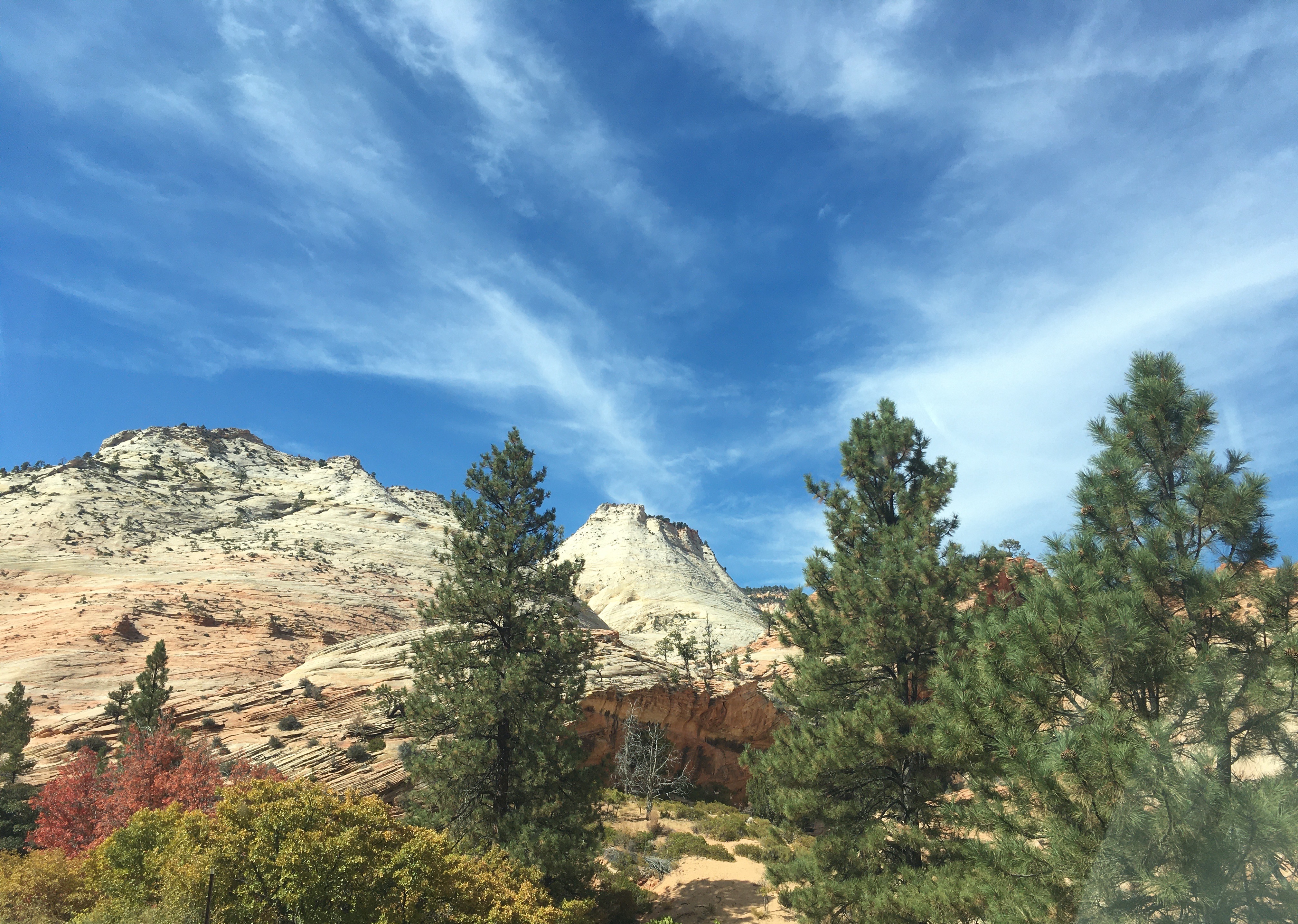
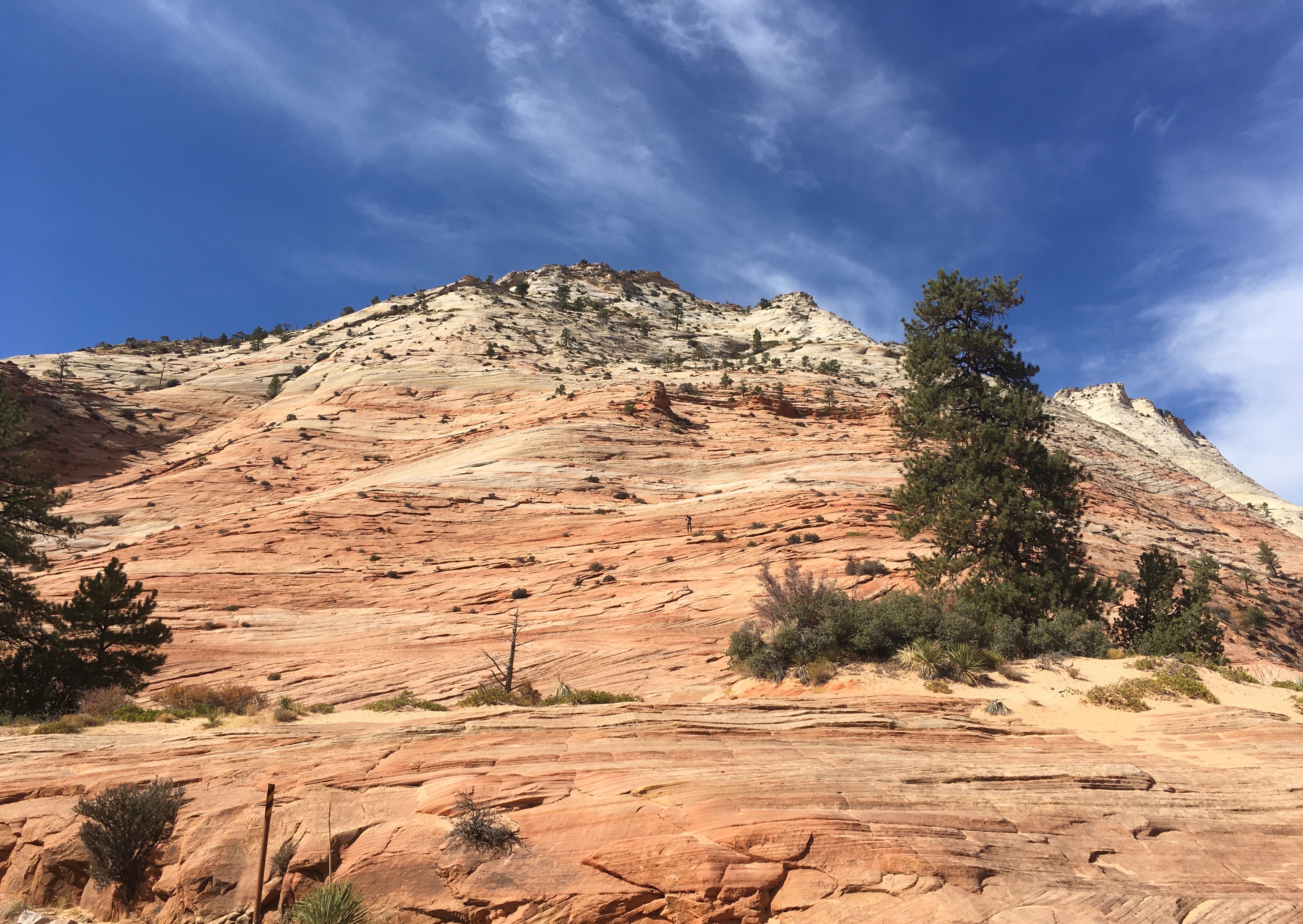
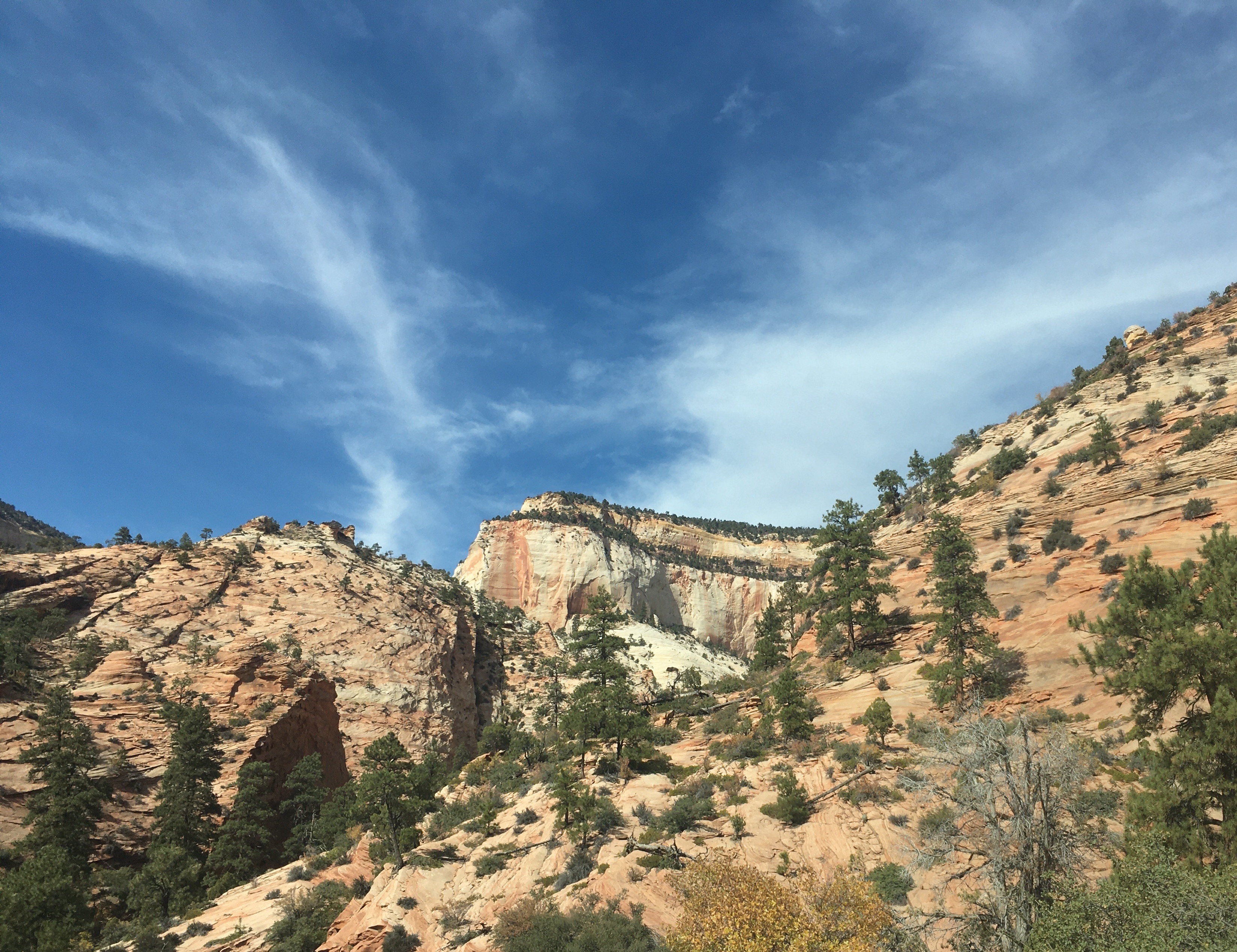
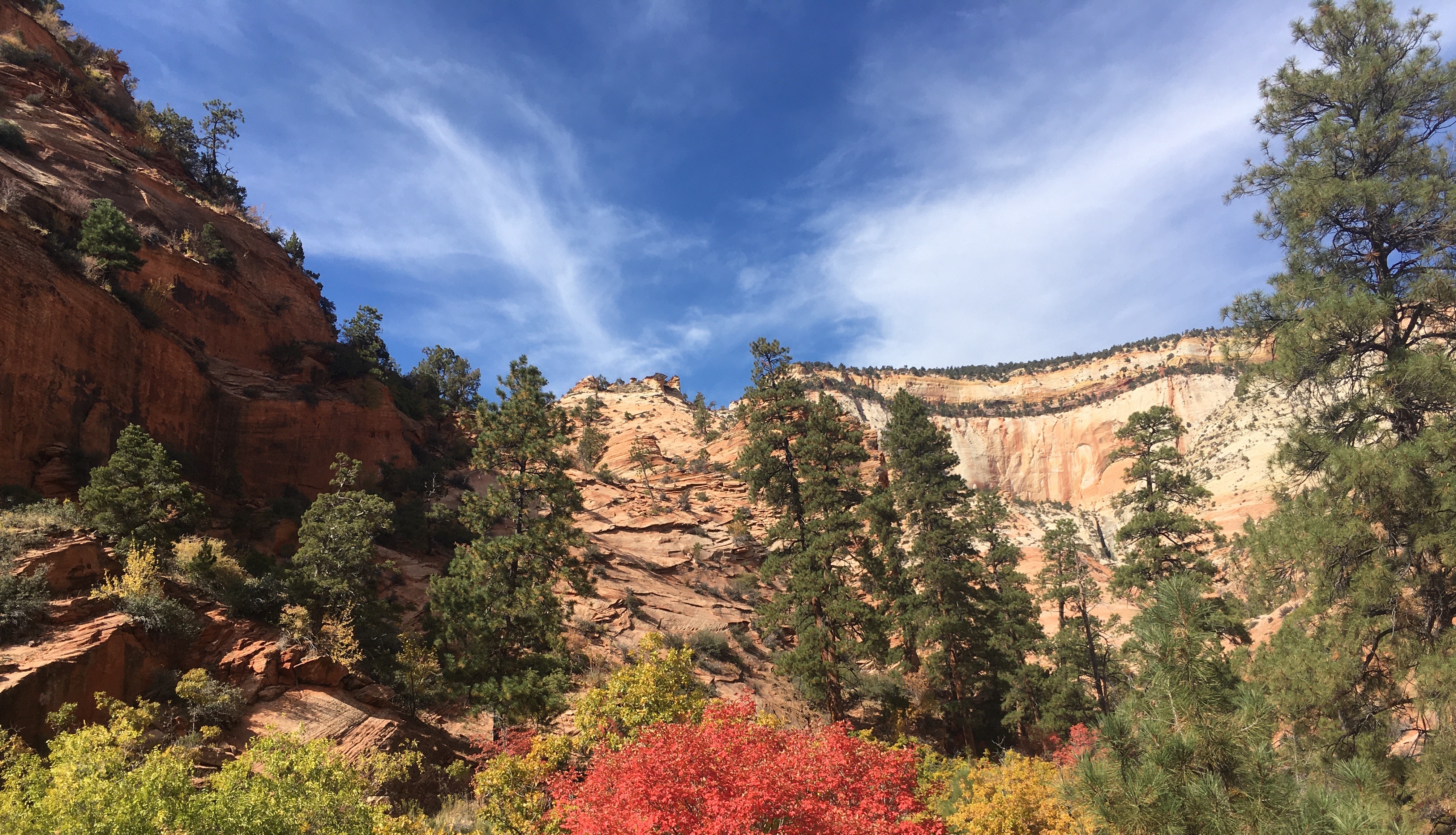
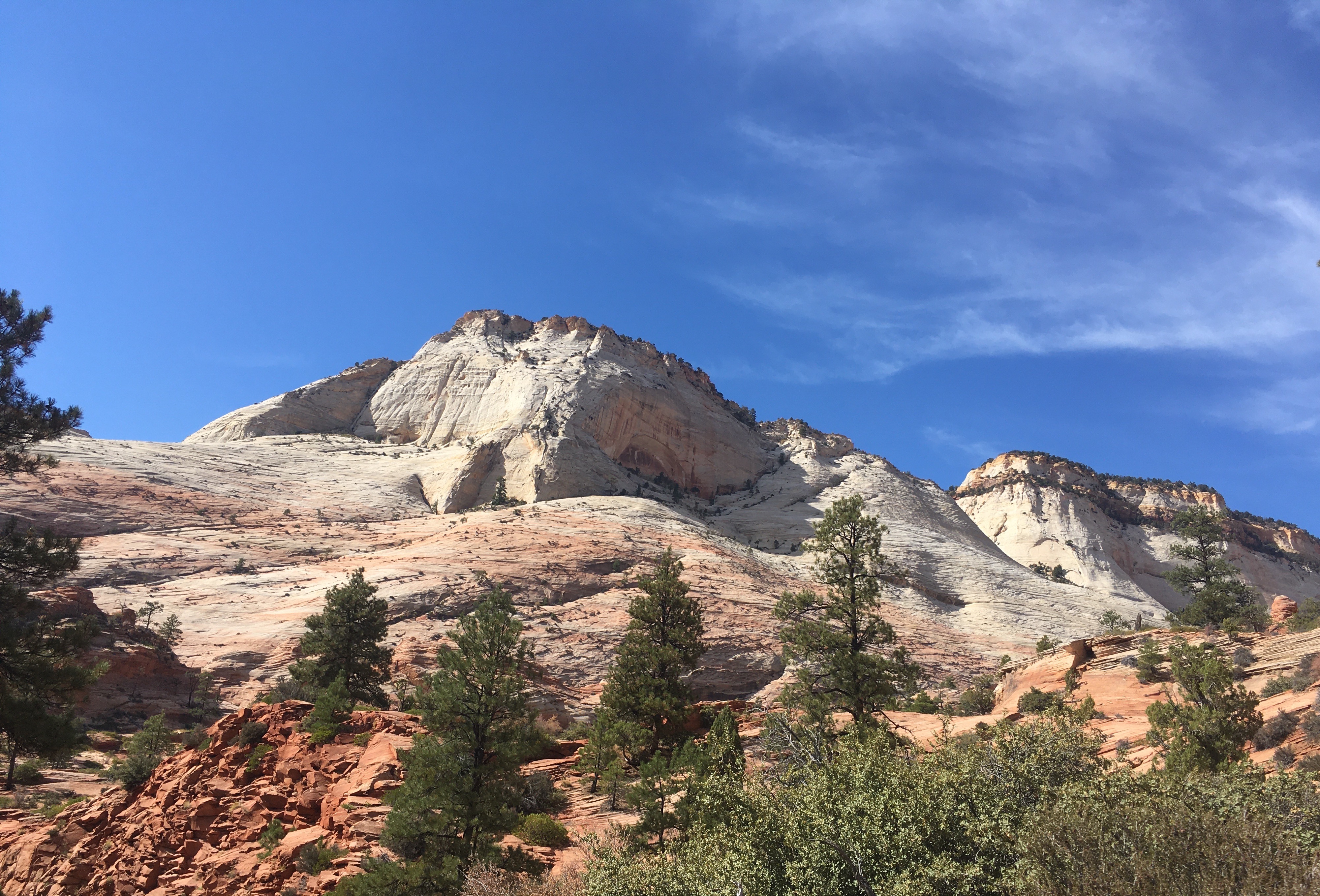
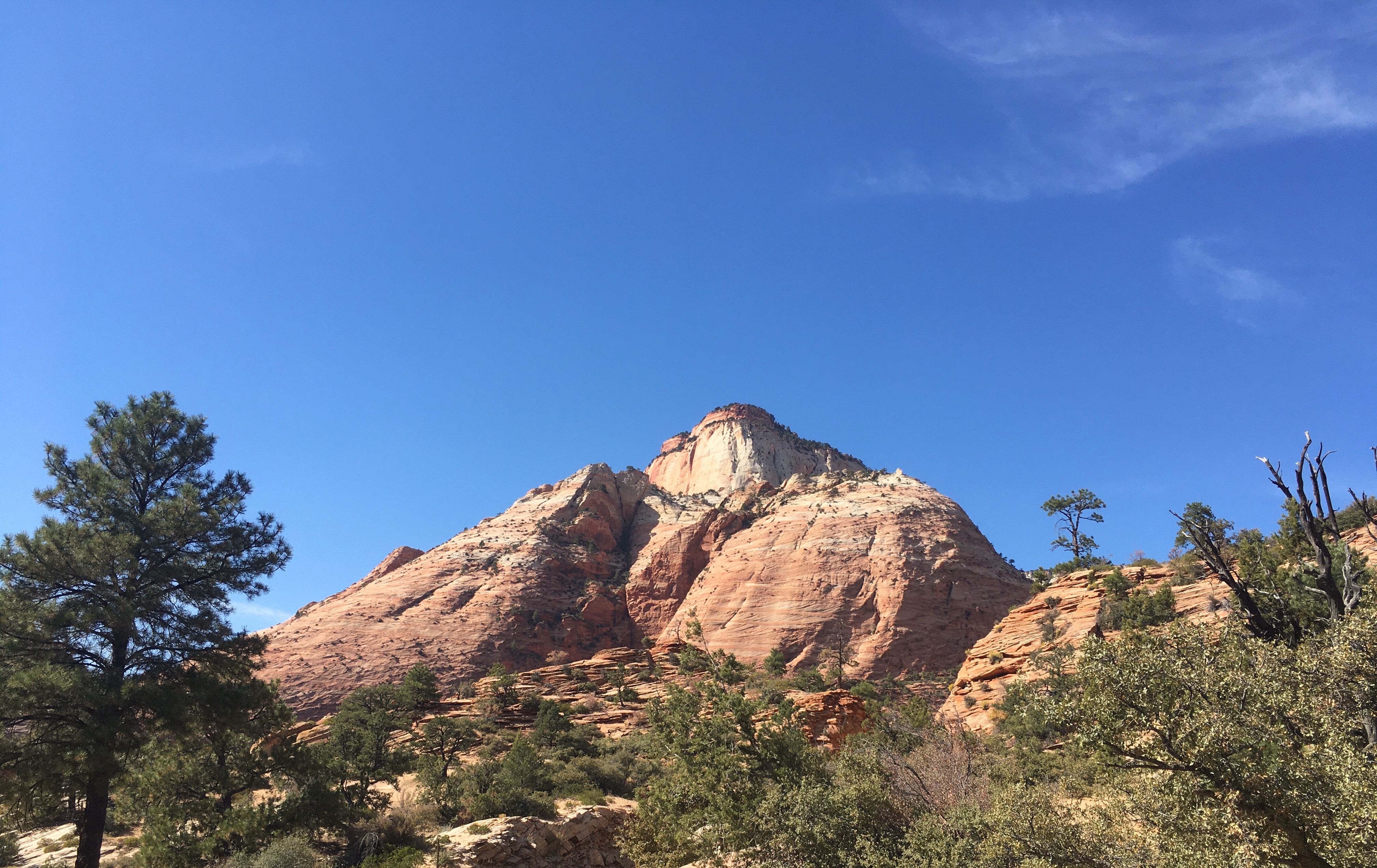
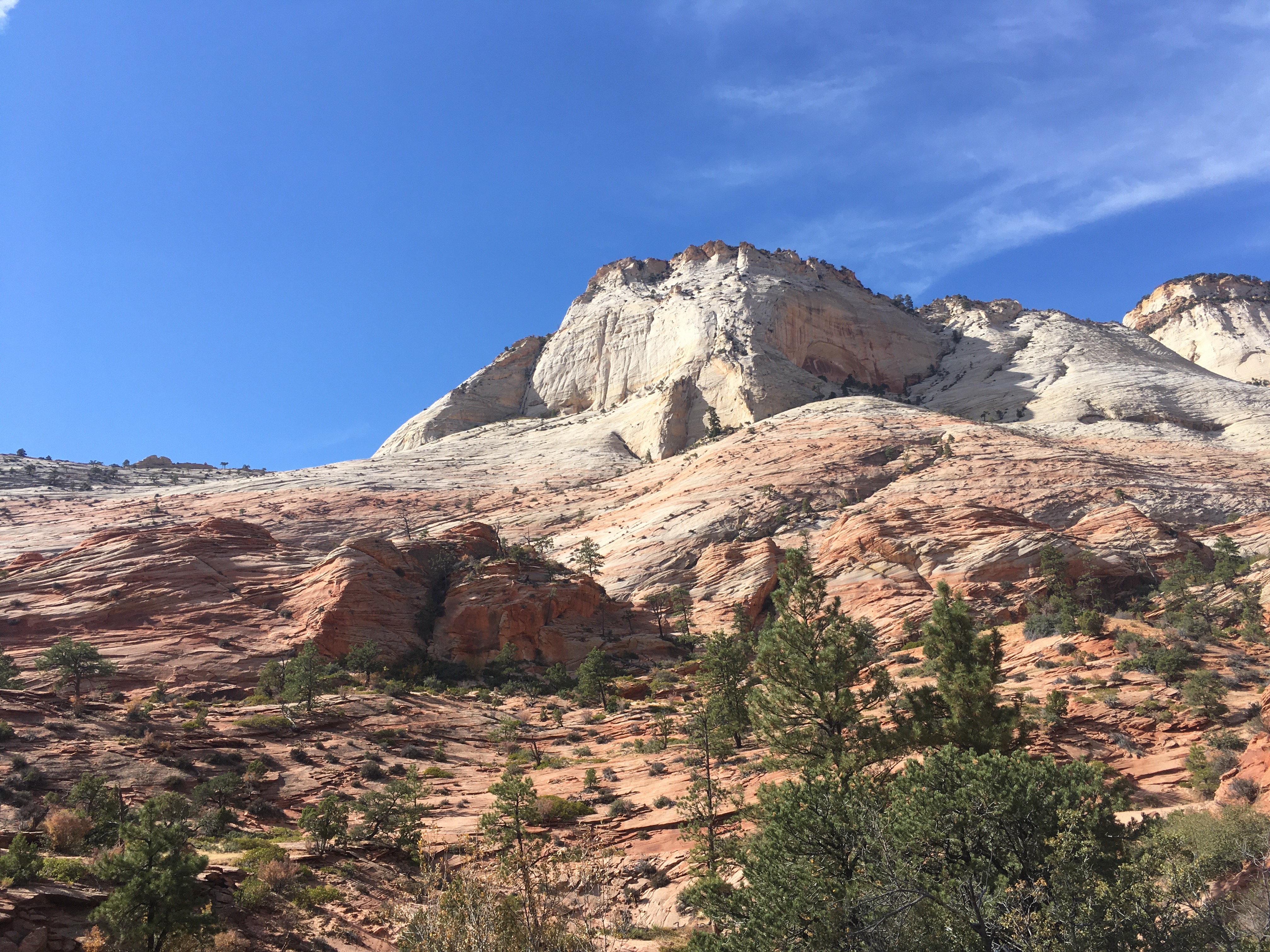
Zion National Park had existed in my mind mostly from ViewMaster slides I had seen as a child.
What a surprise!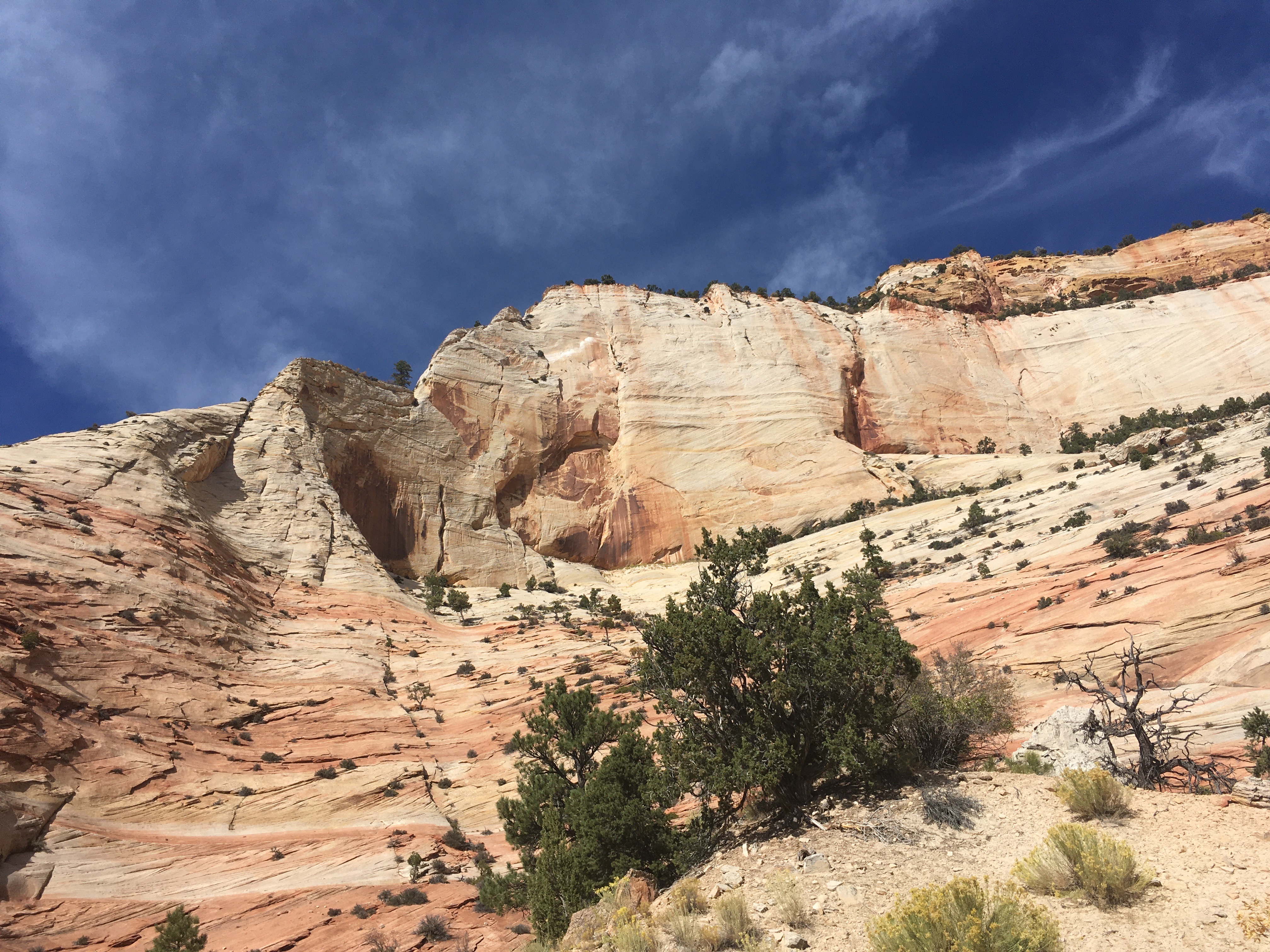
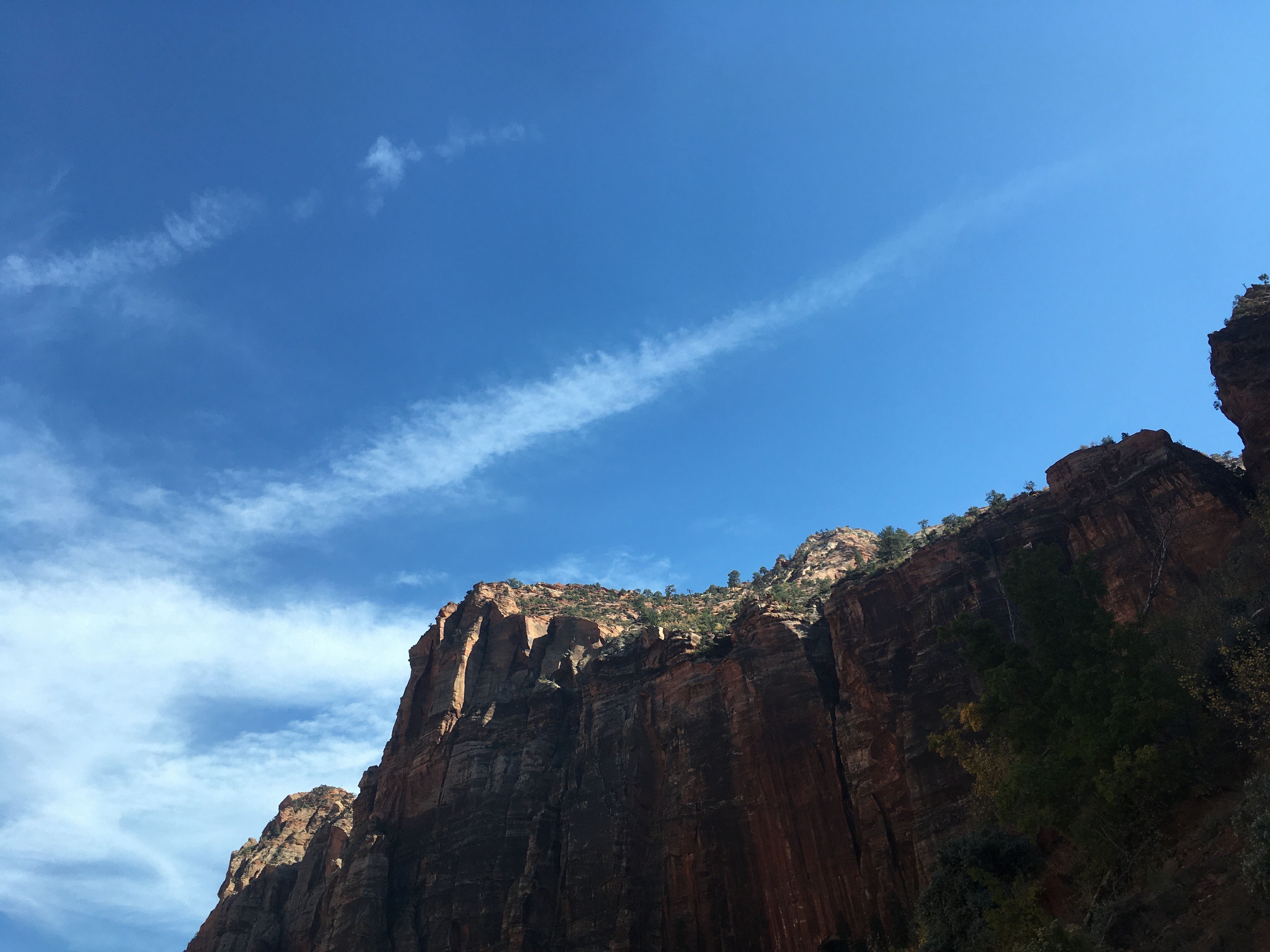
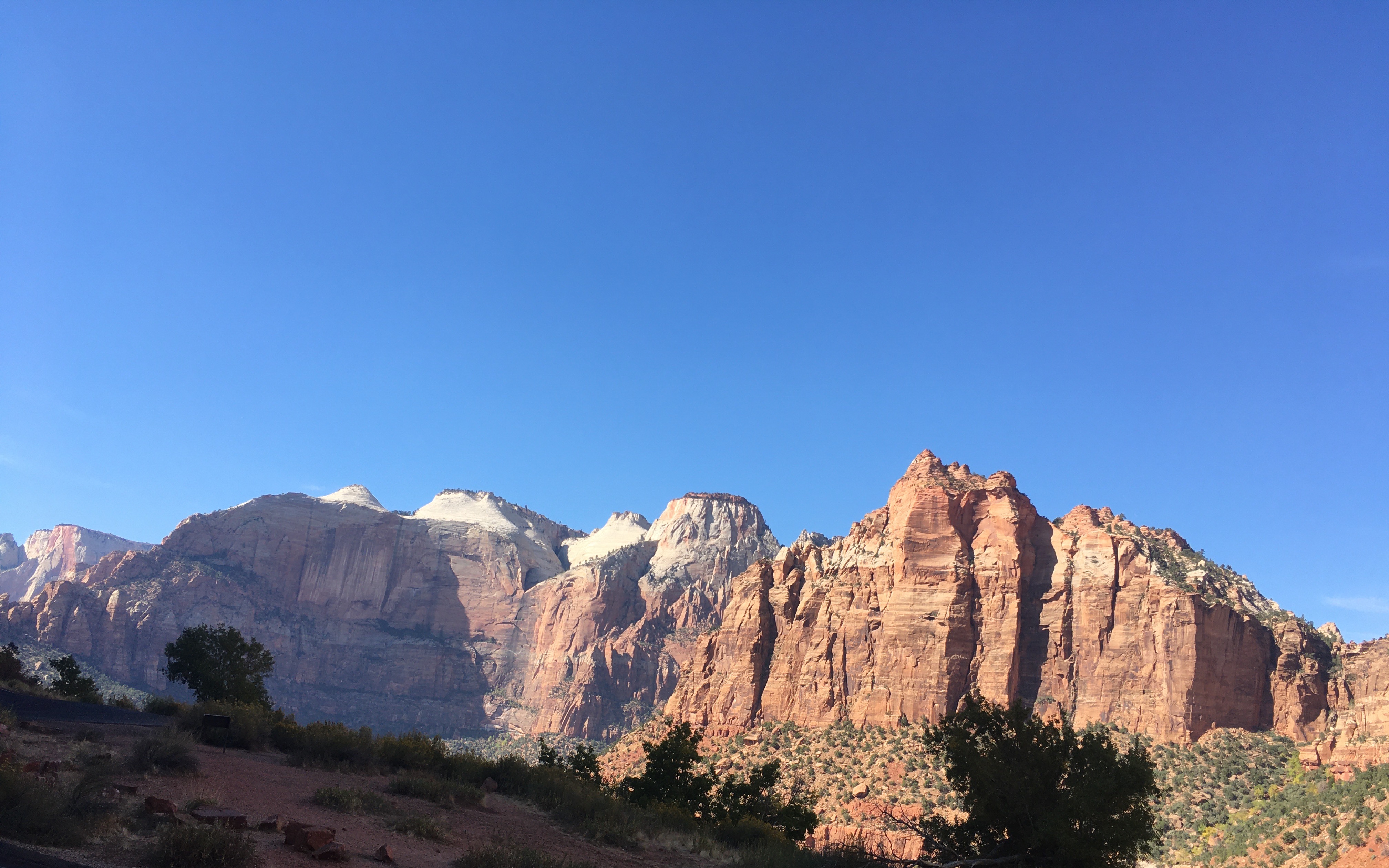
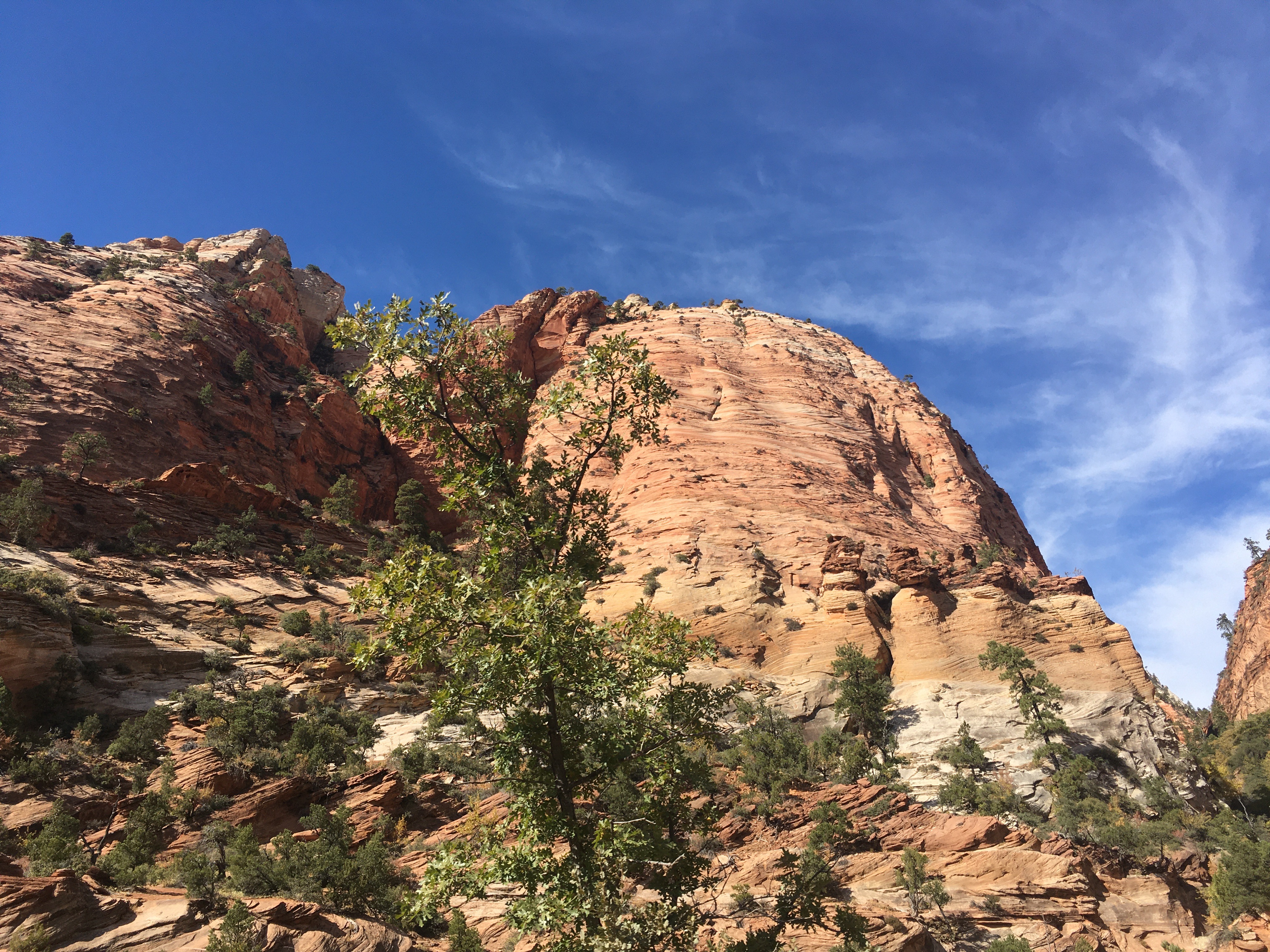
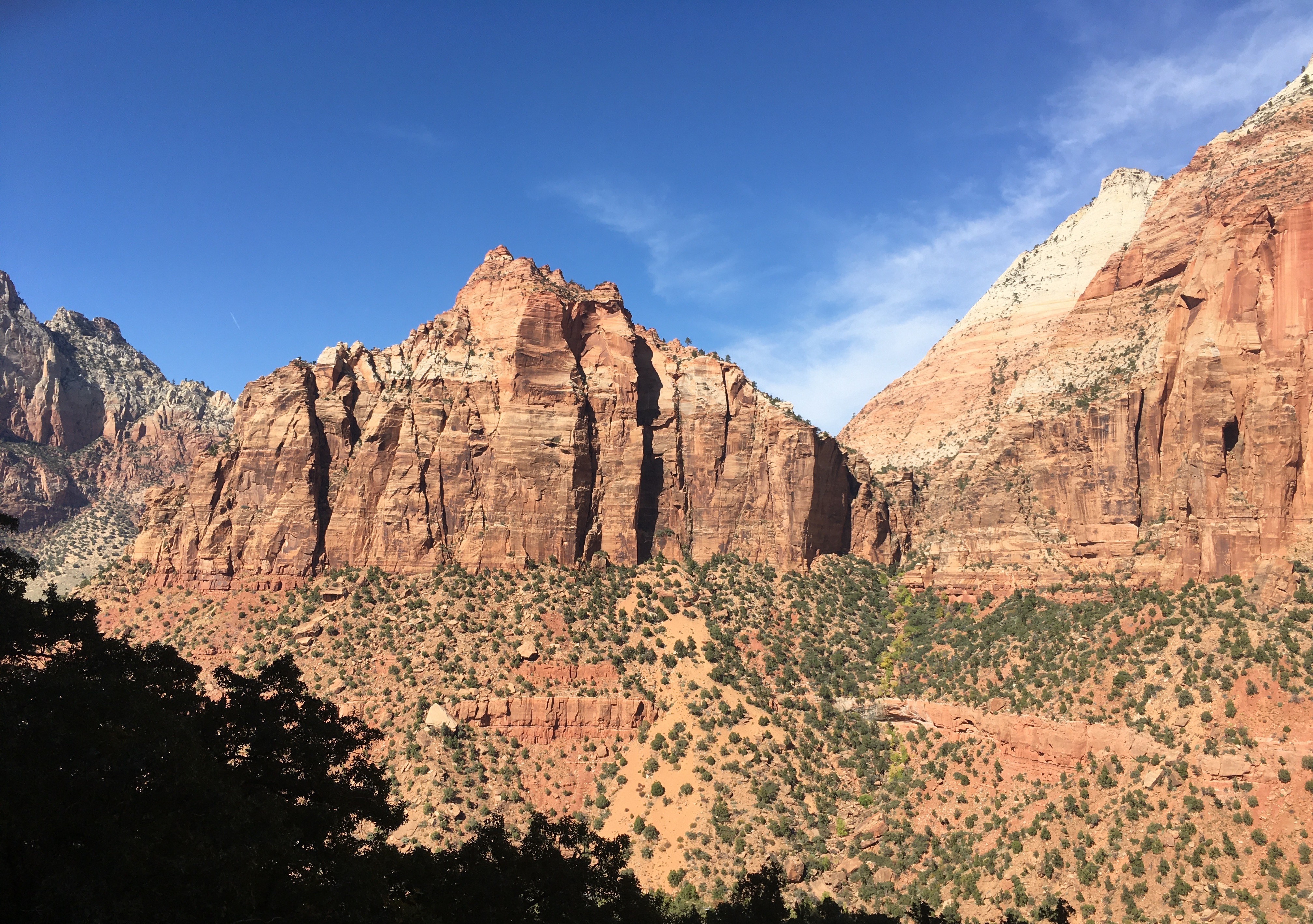
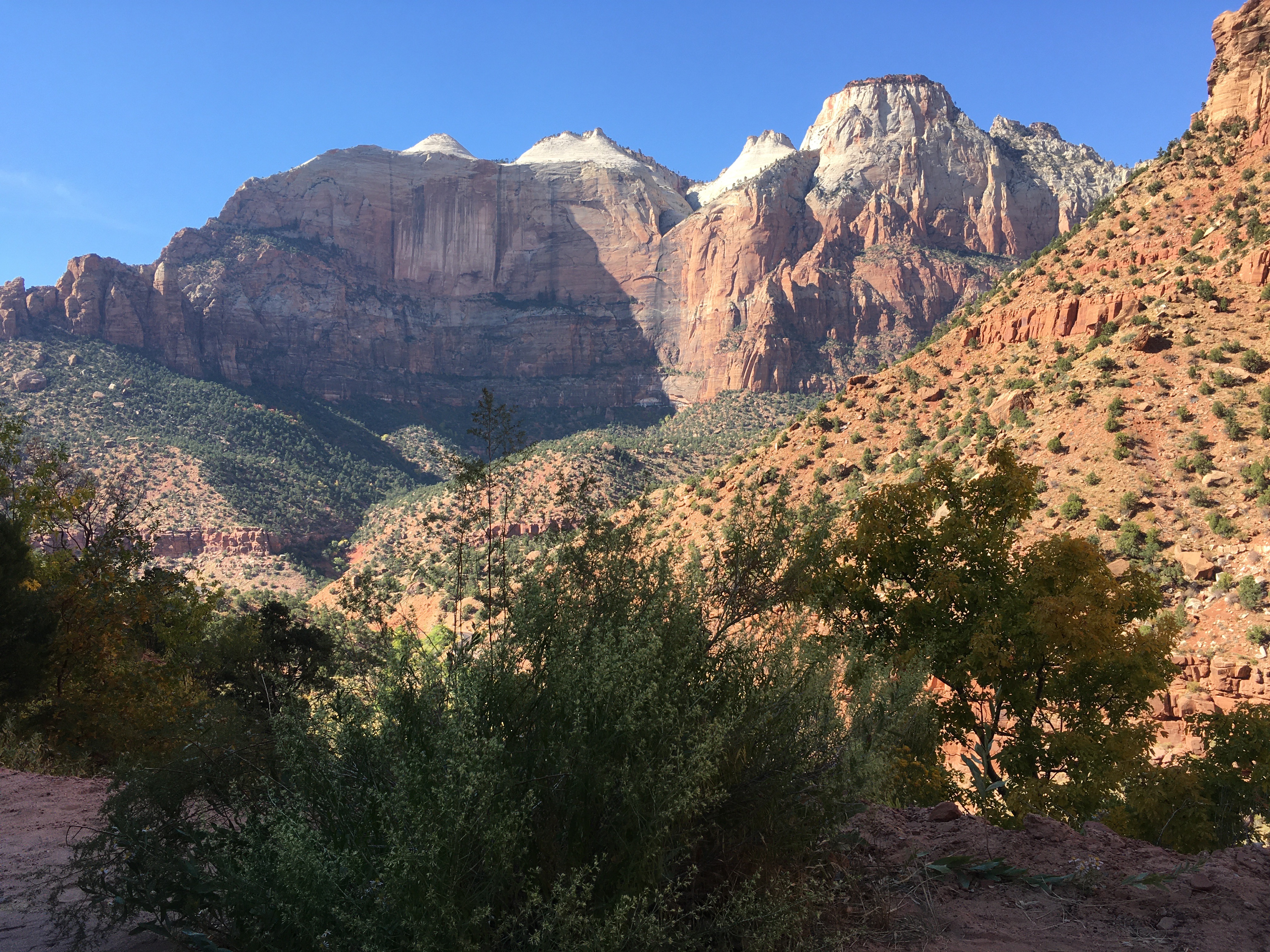
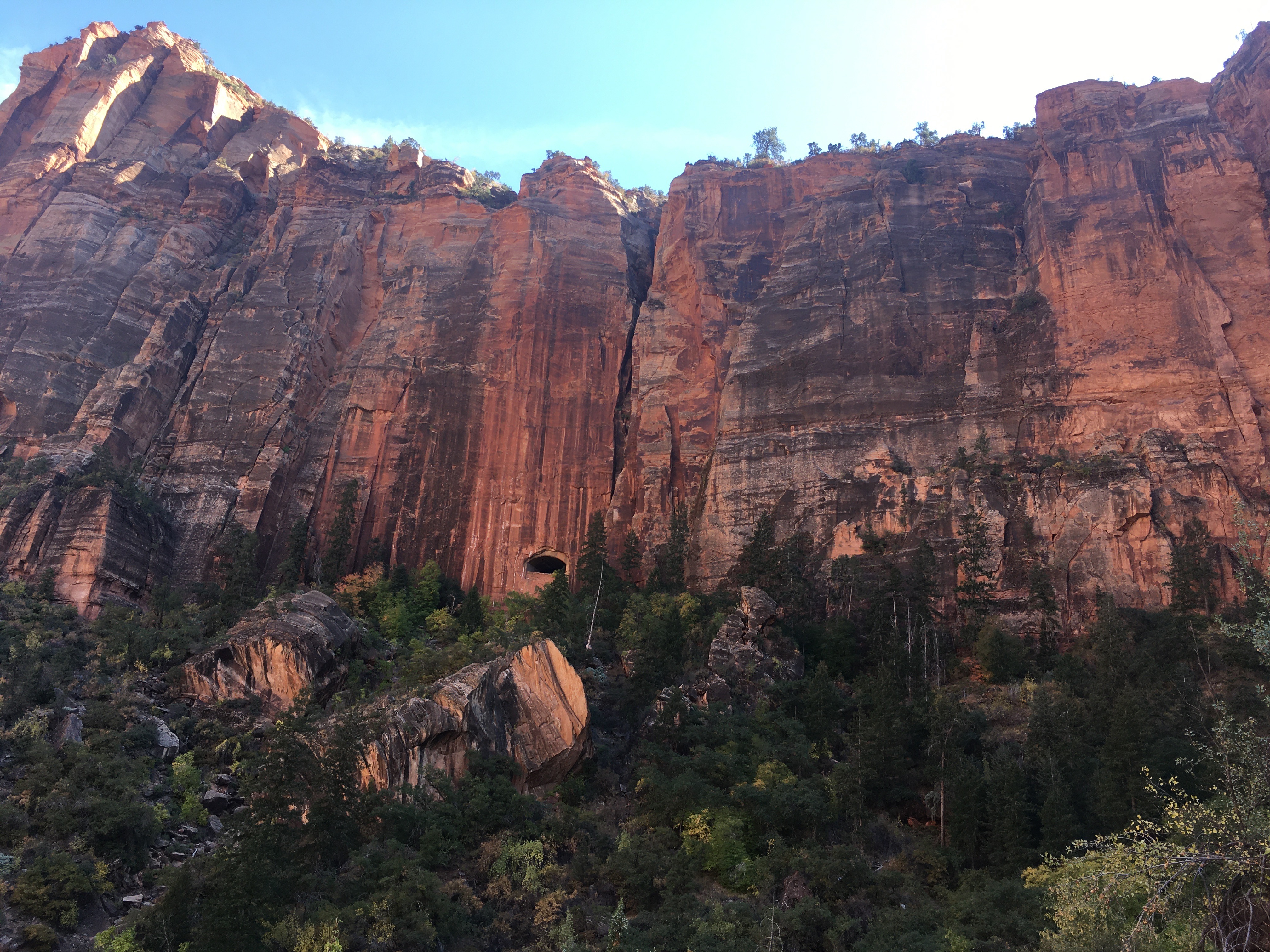
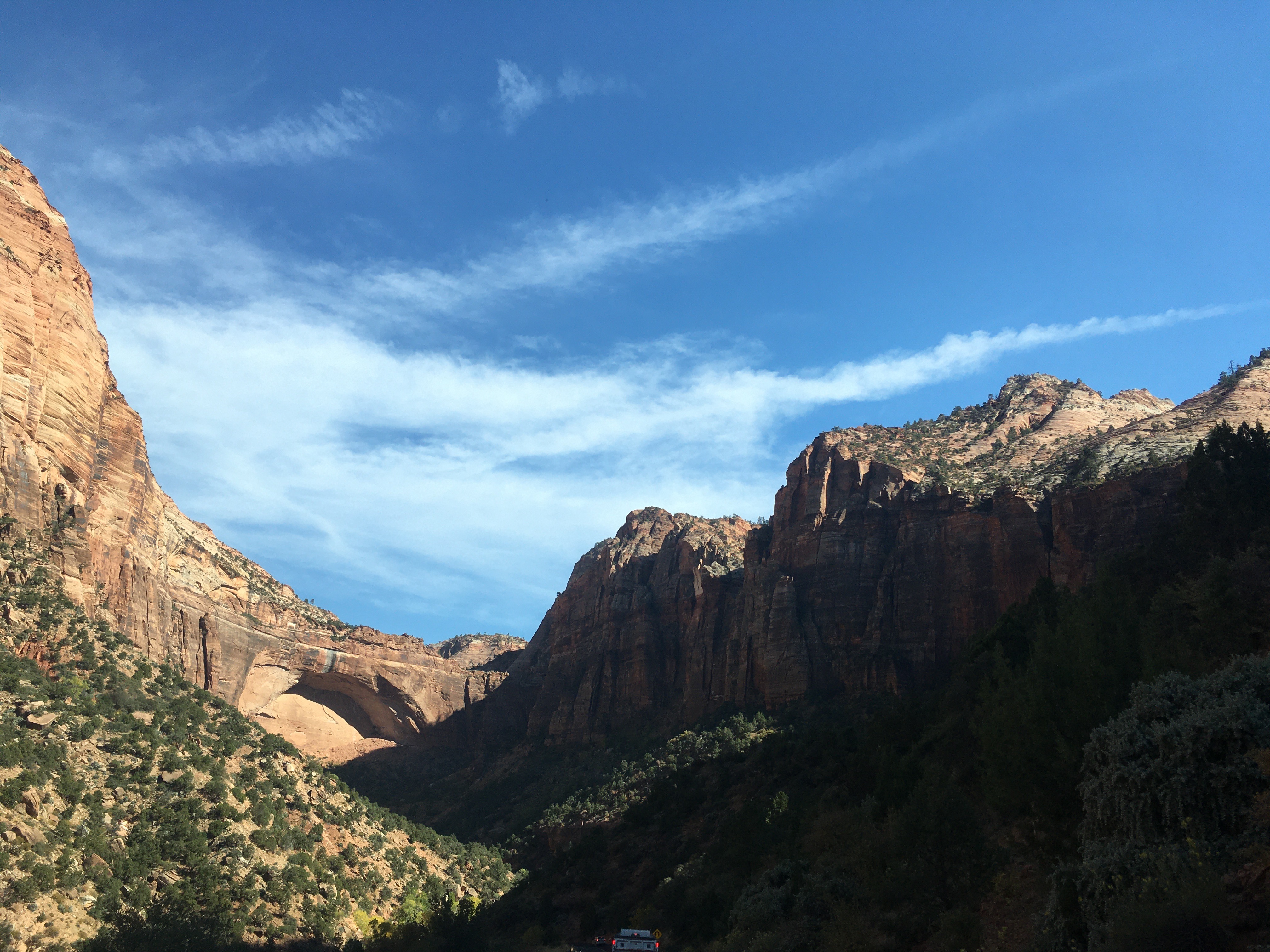
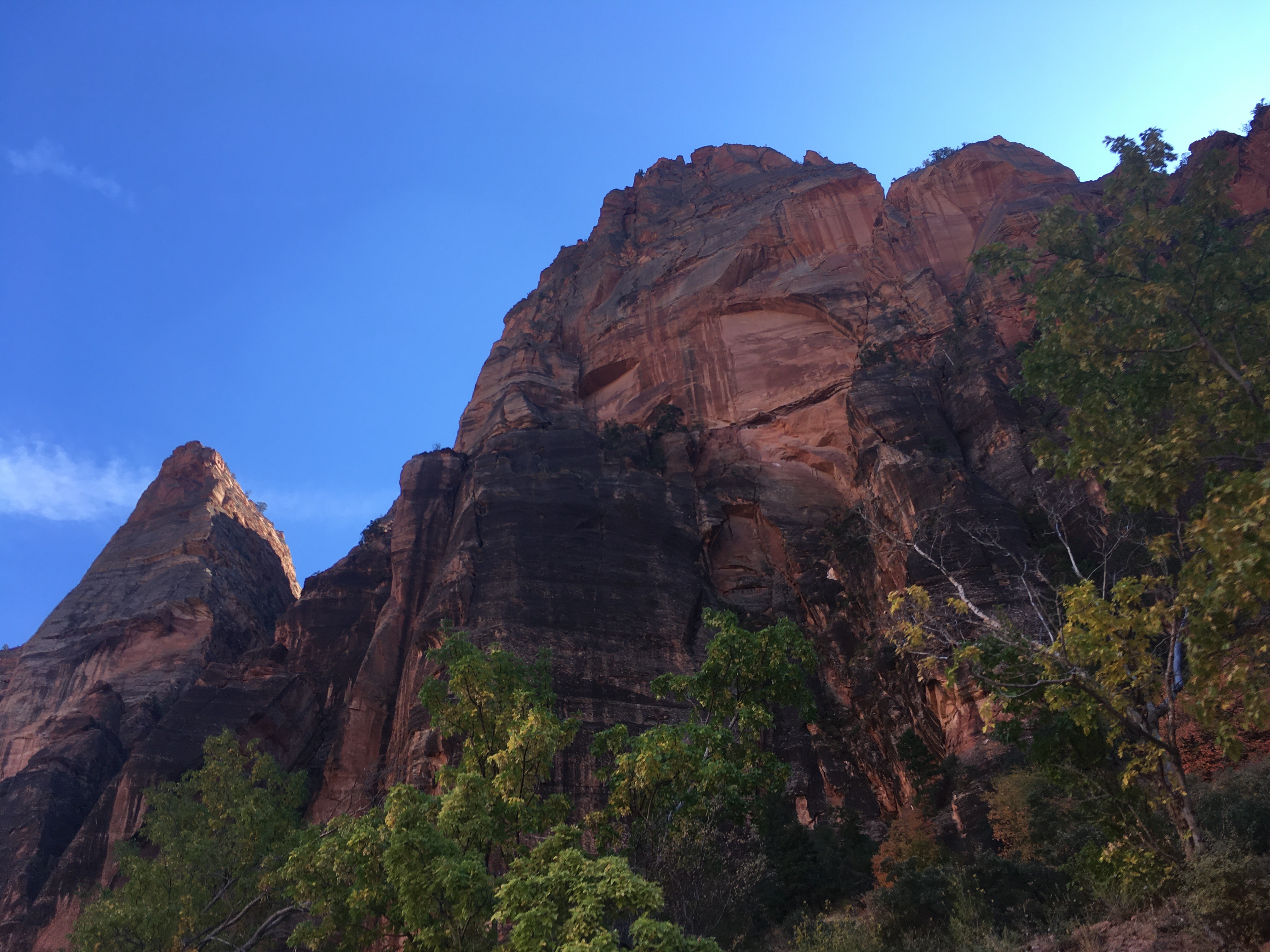


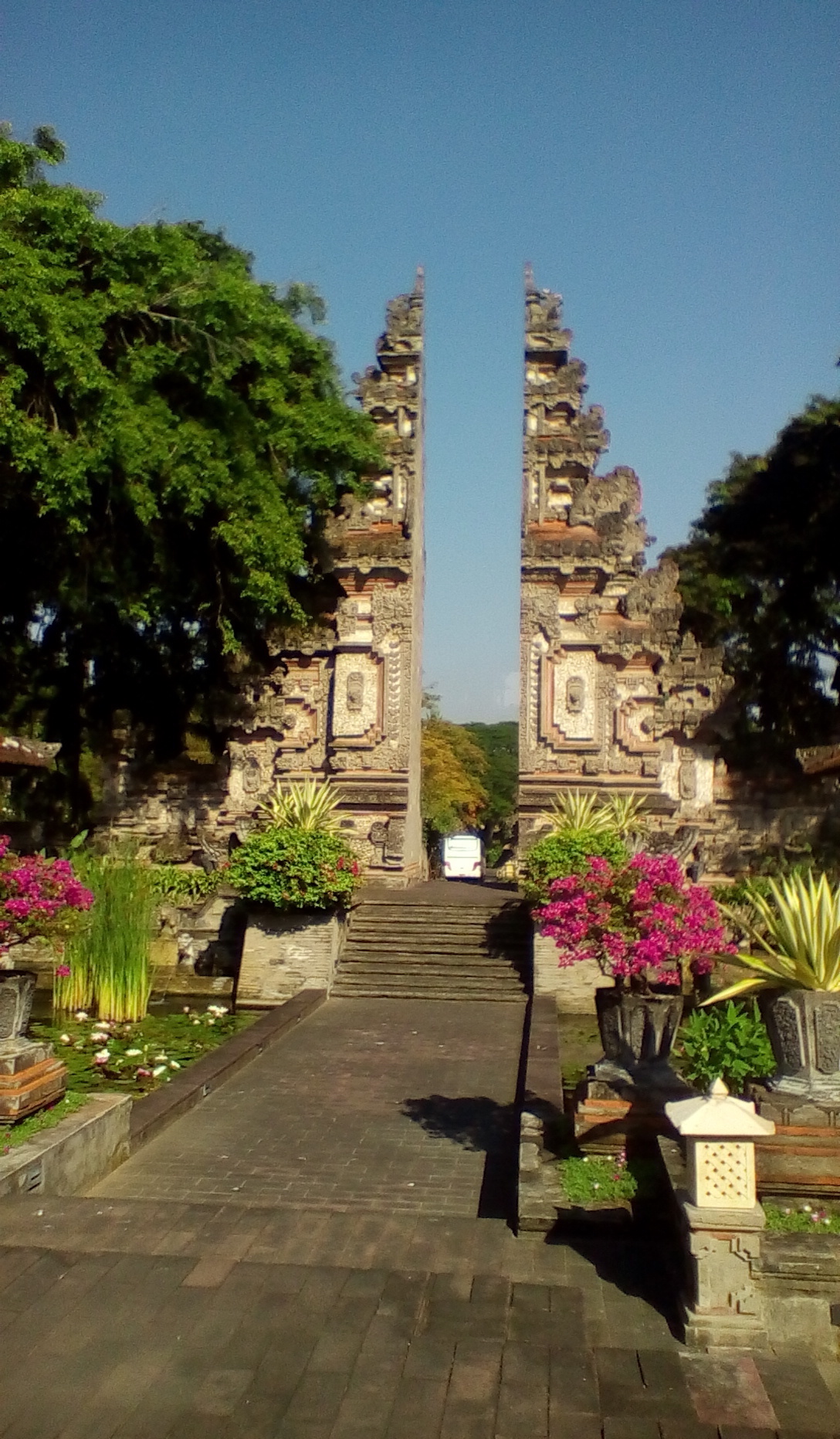
The view from our hotel room.

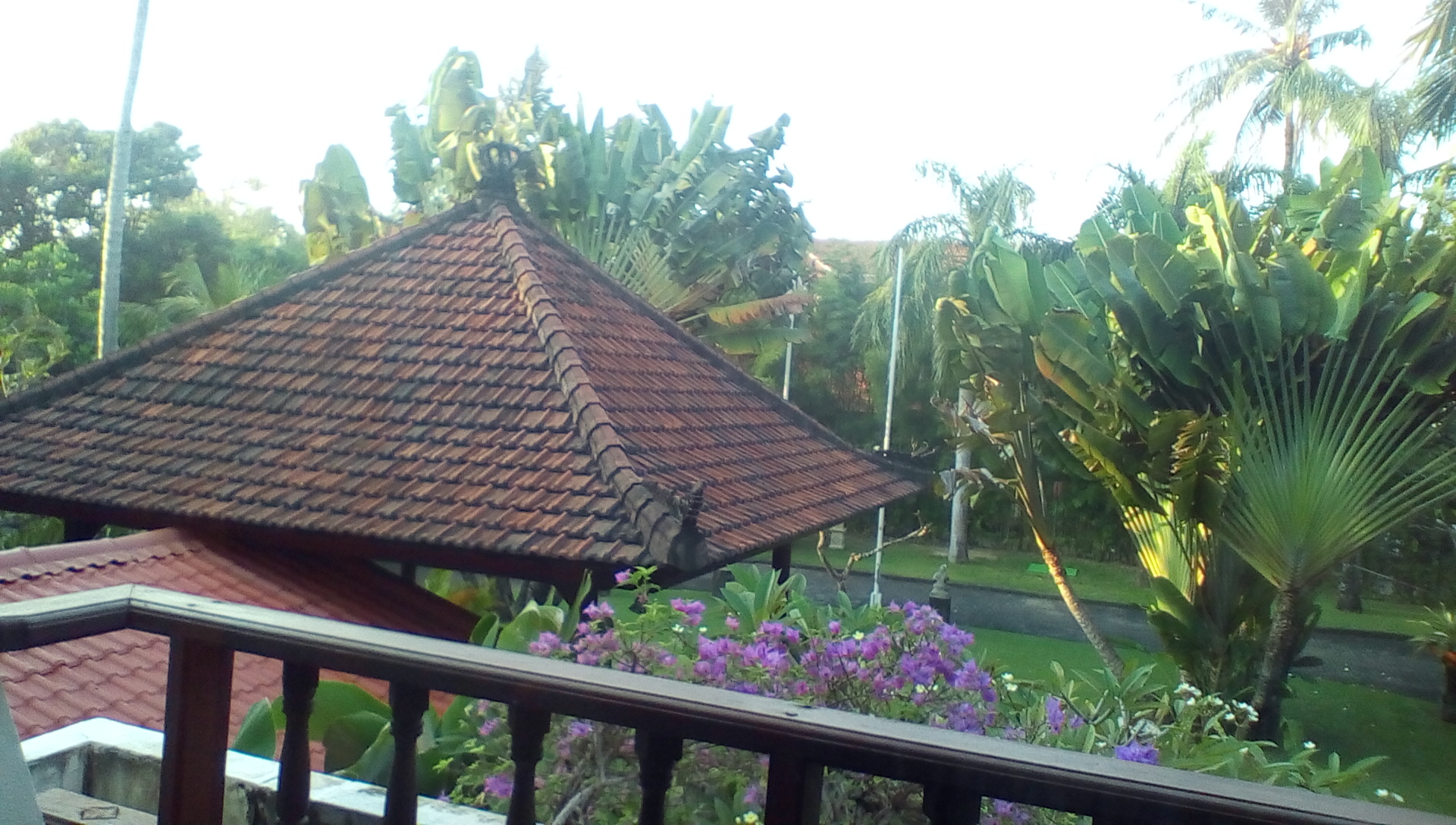
The other side of the hotel.

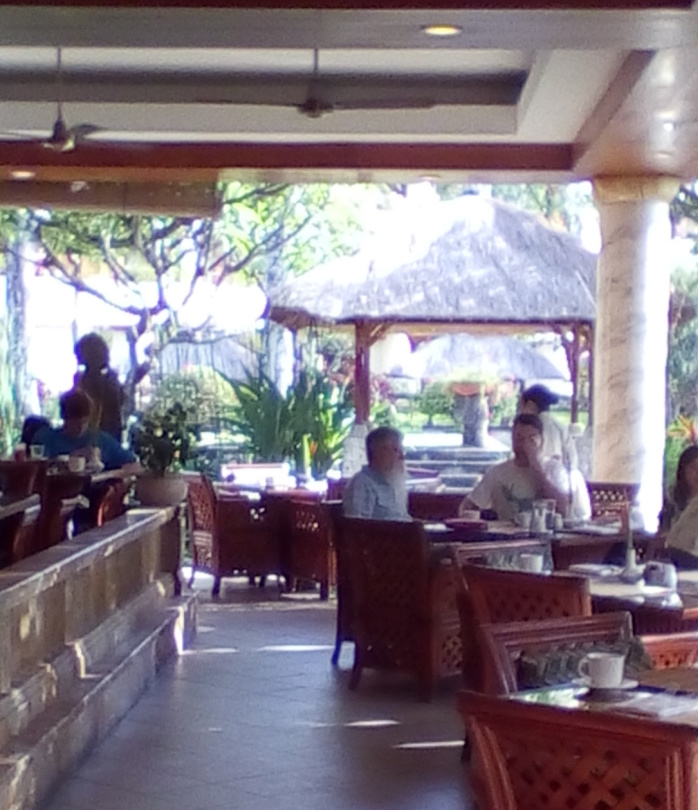
The dining area with the most incredible breakfast buffet.

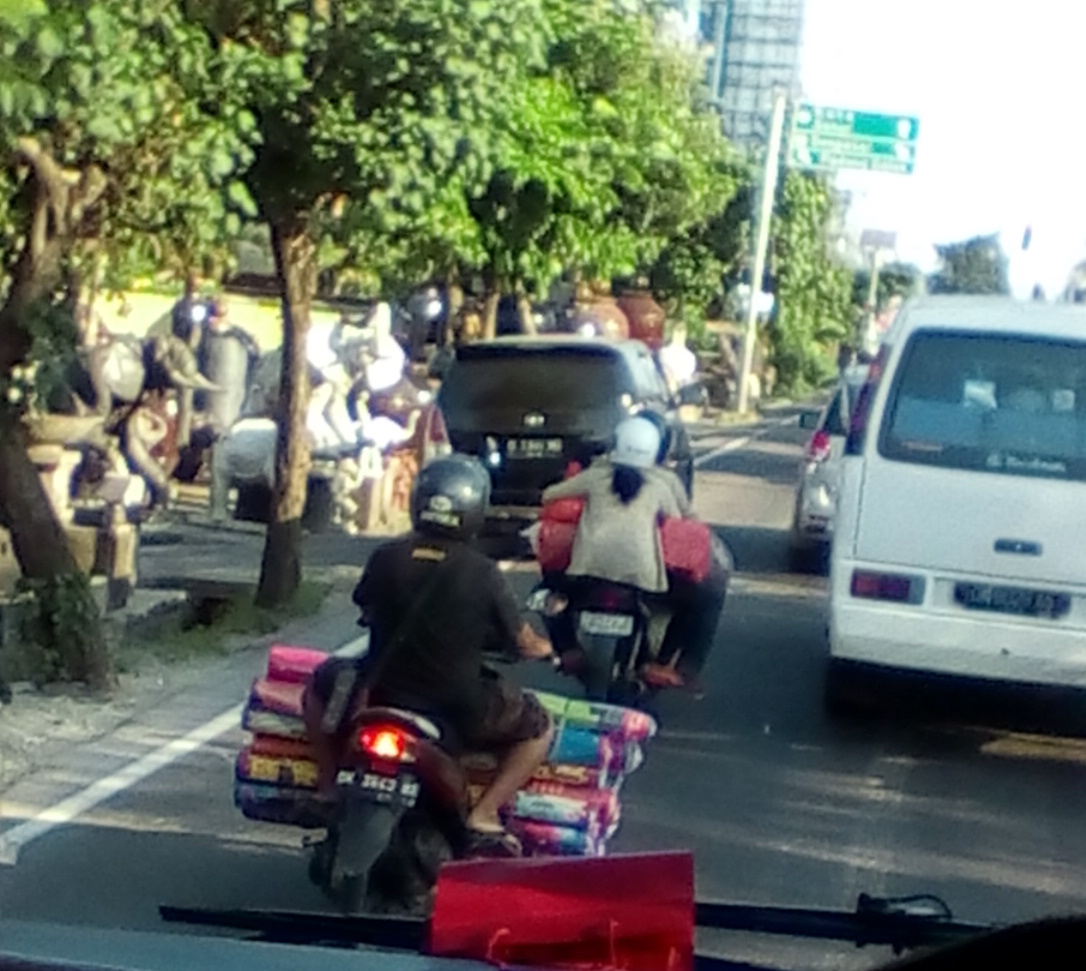
Motor scooters everywhere
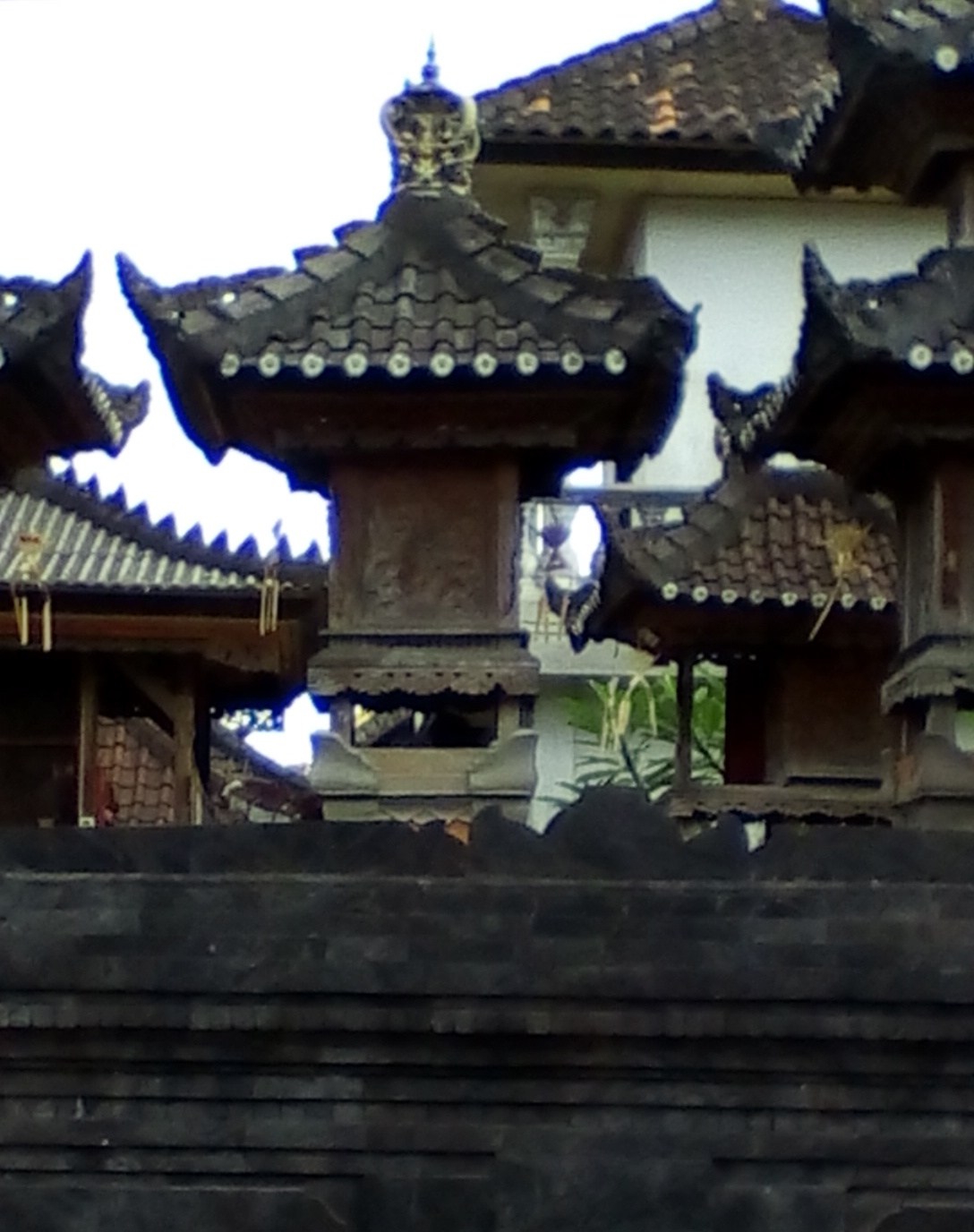
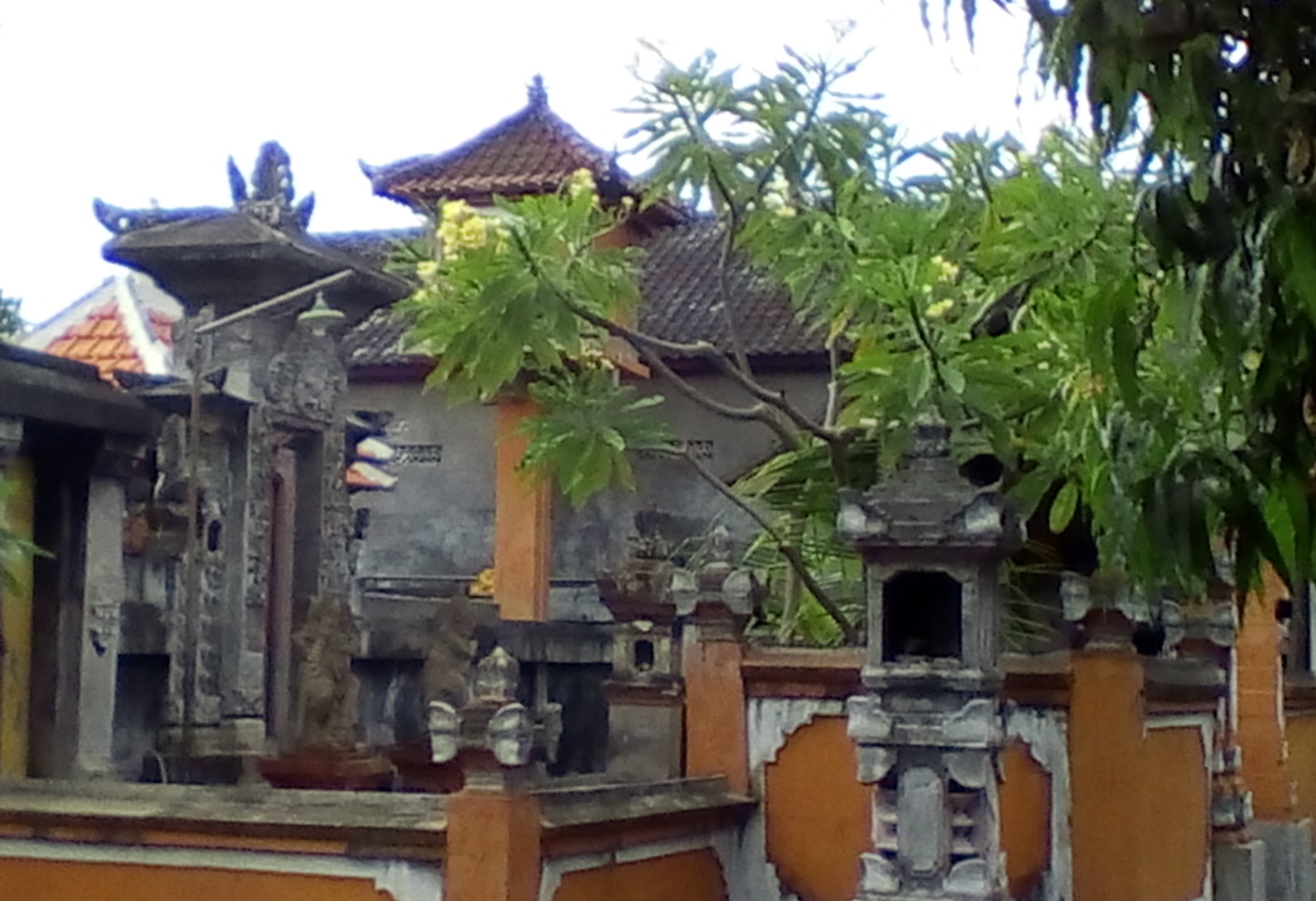
Houses, gardens, shrines, rice paddies…
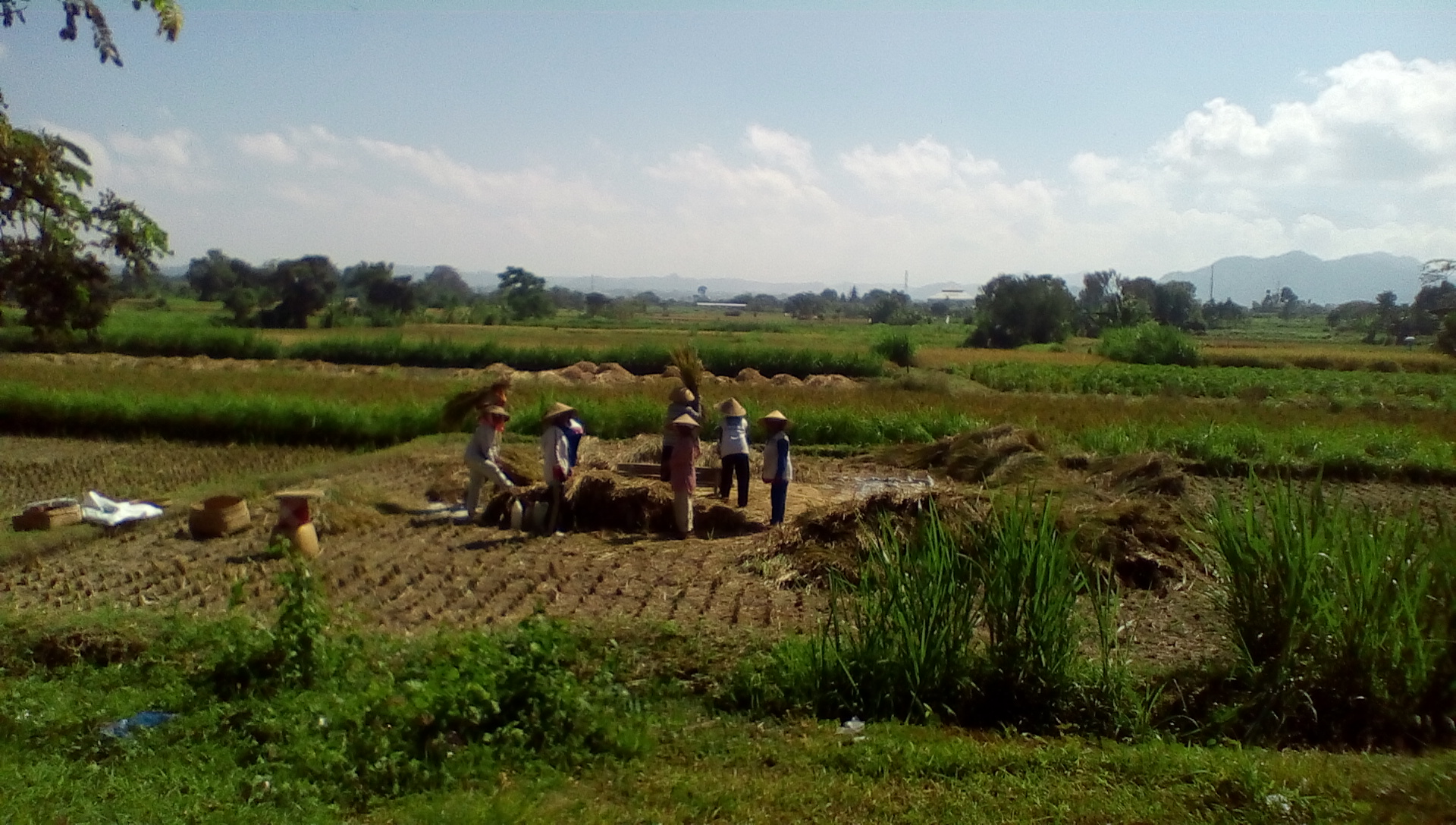
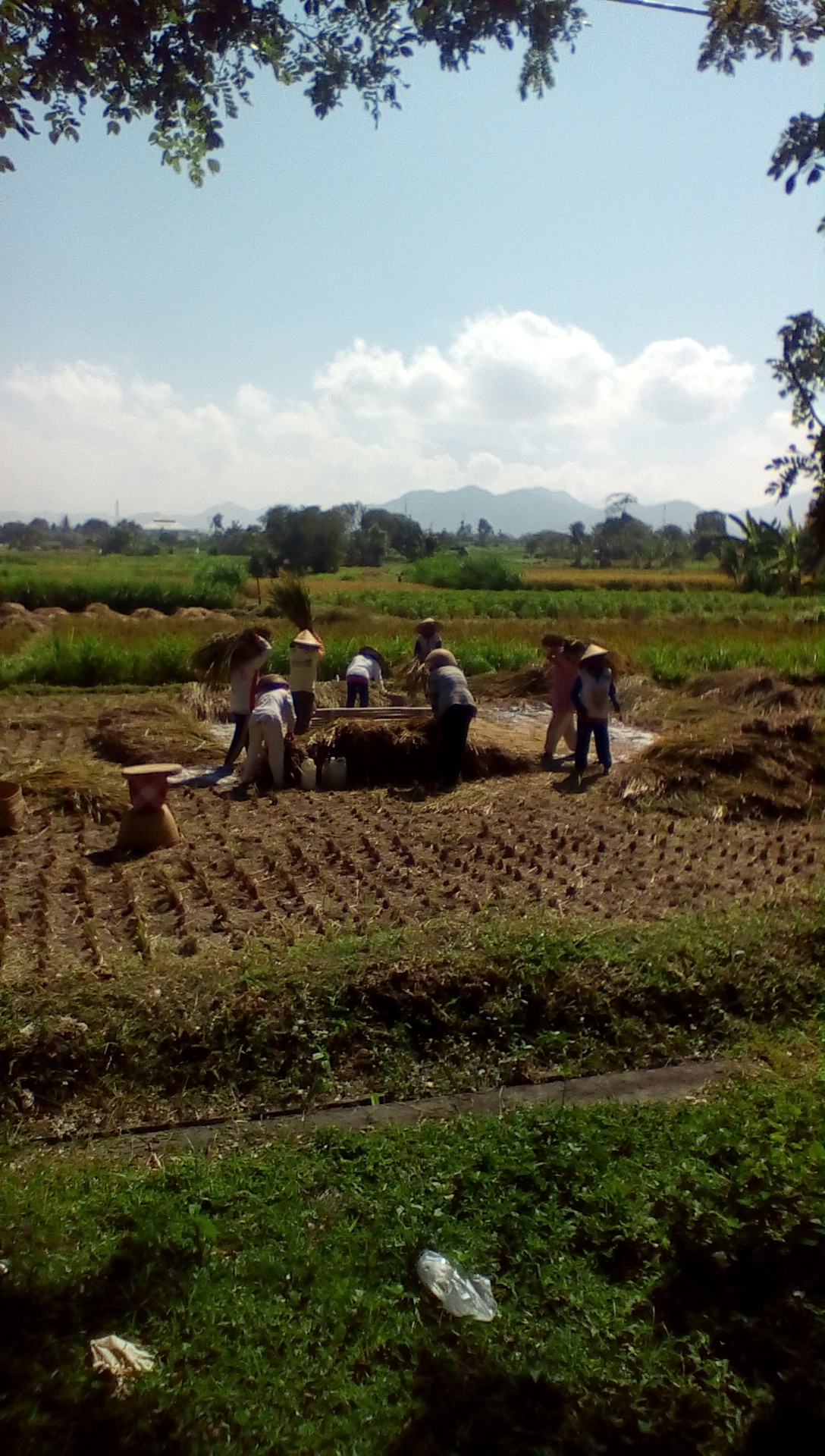
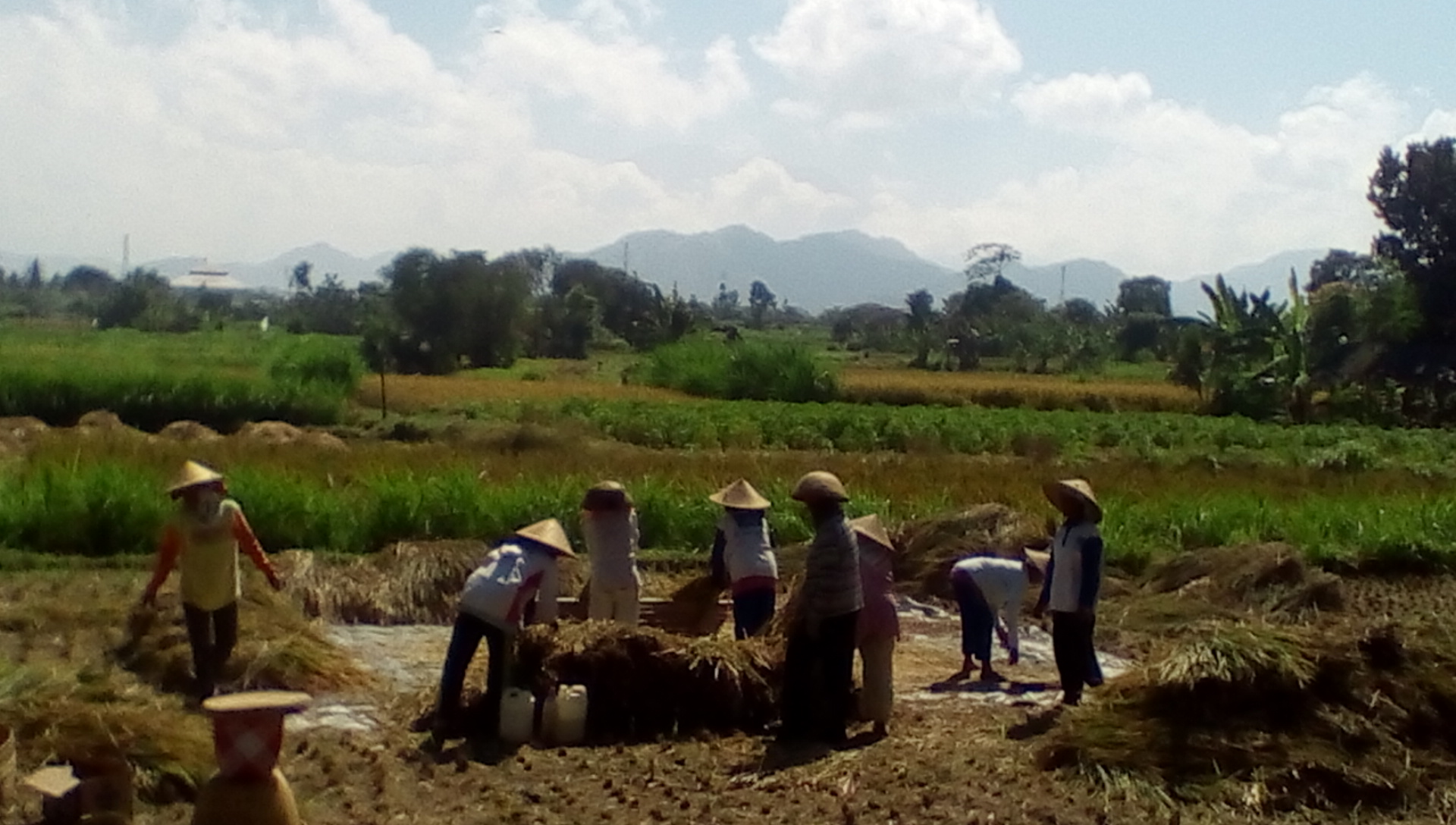
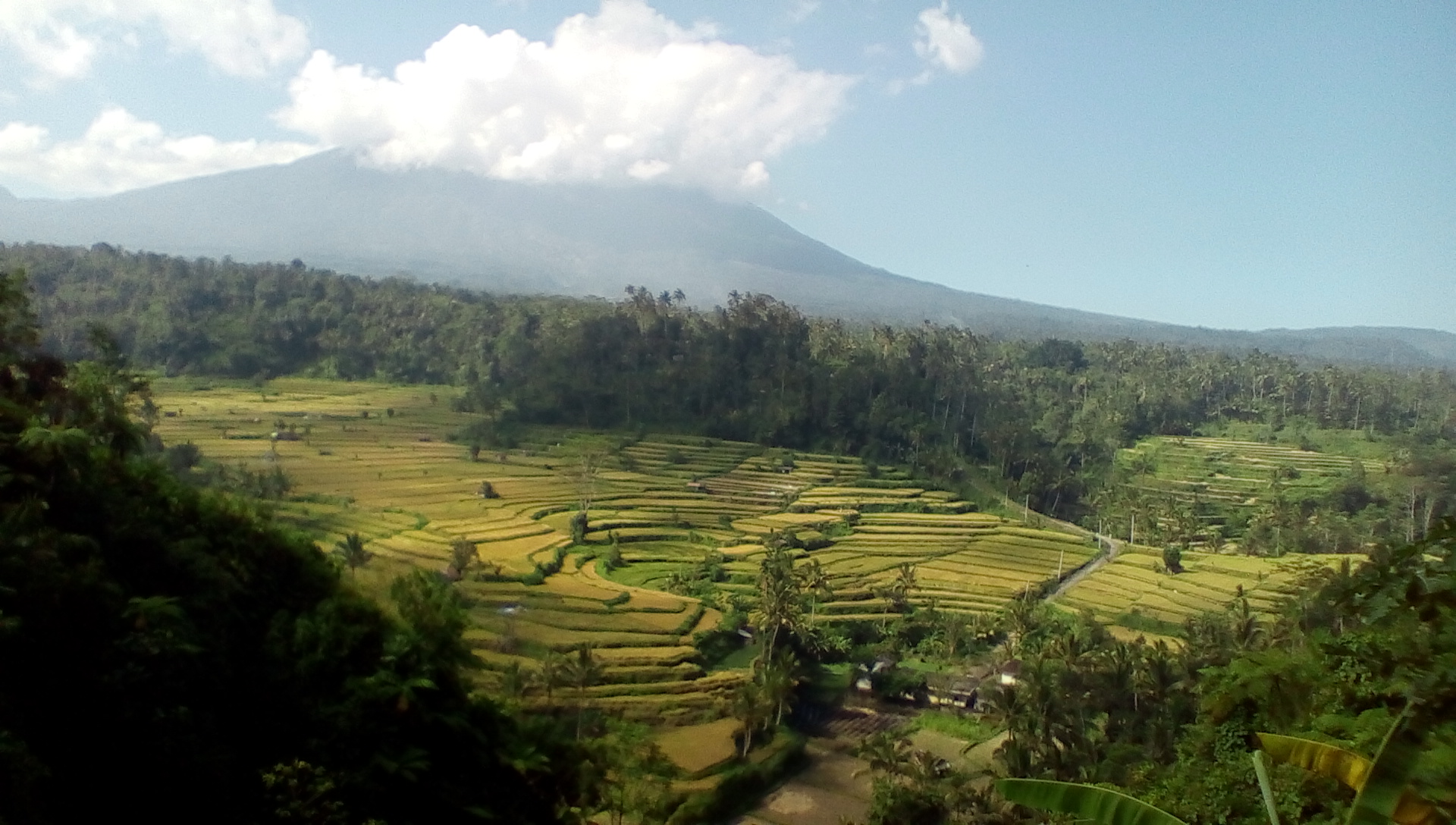
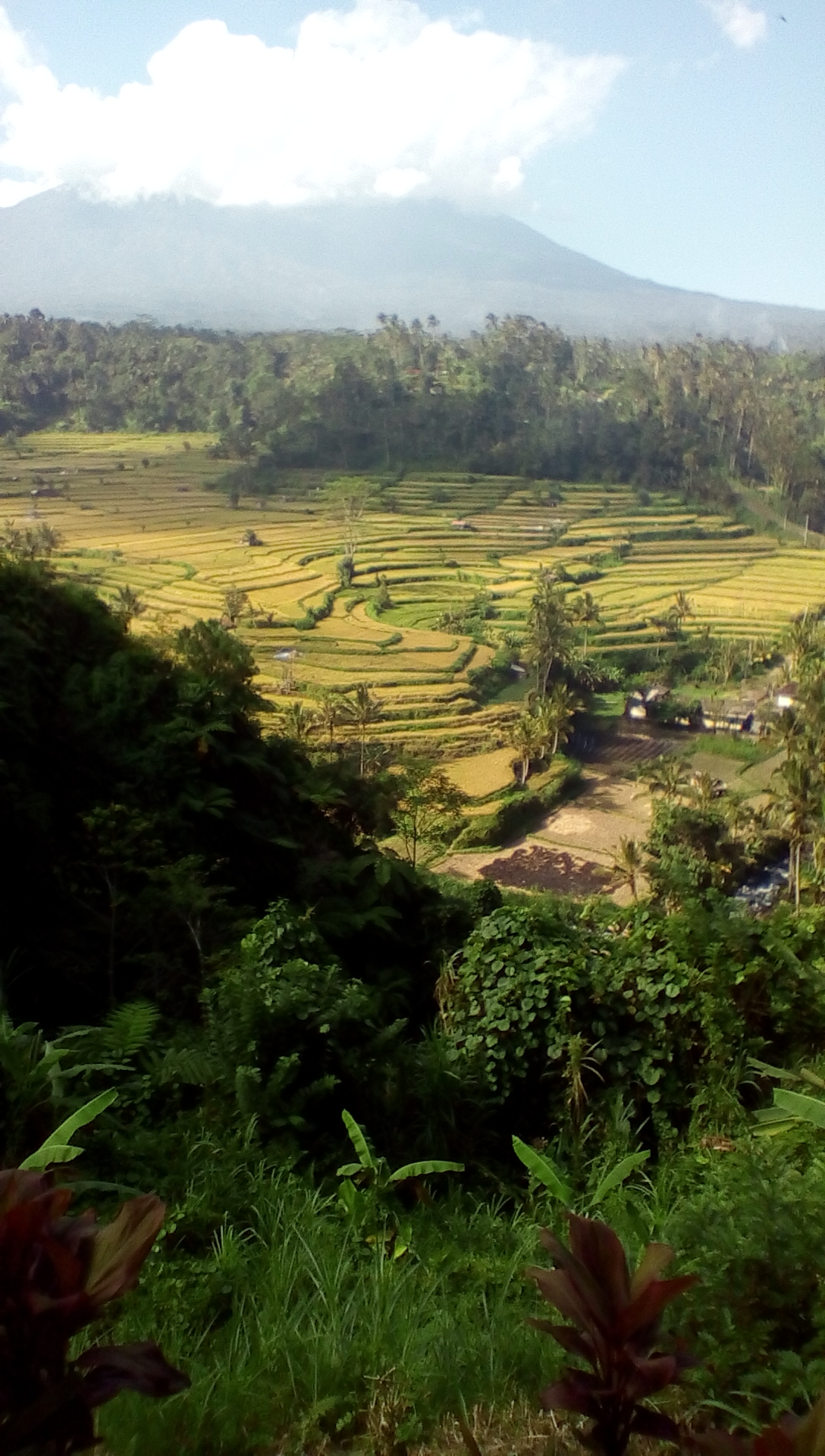
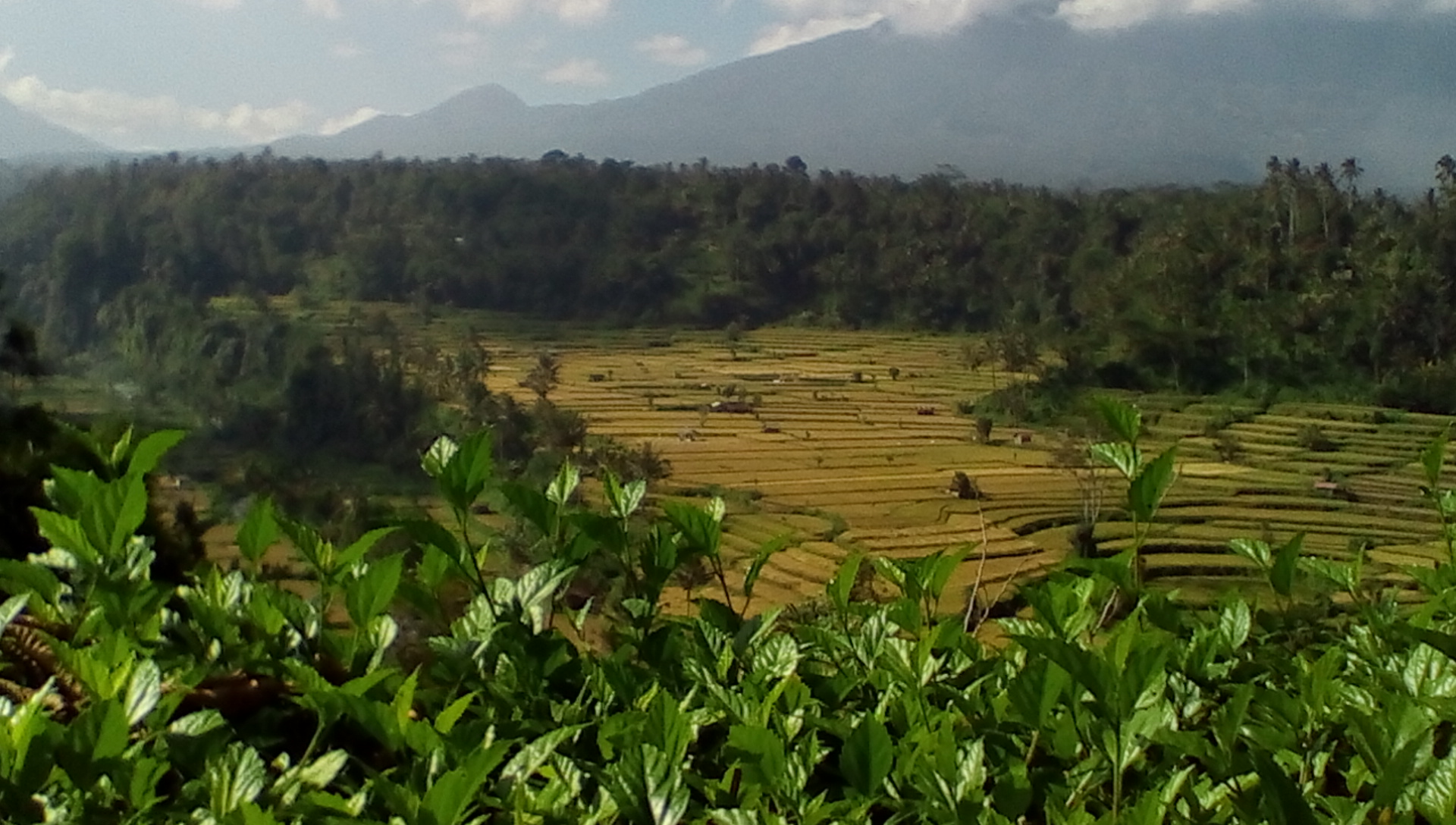
The government subsidizes these picturesque mountainside rice paddies. The farmers could earn more money growing soy beans.
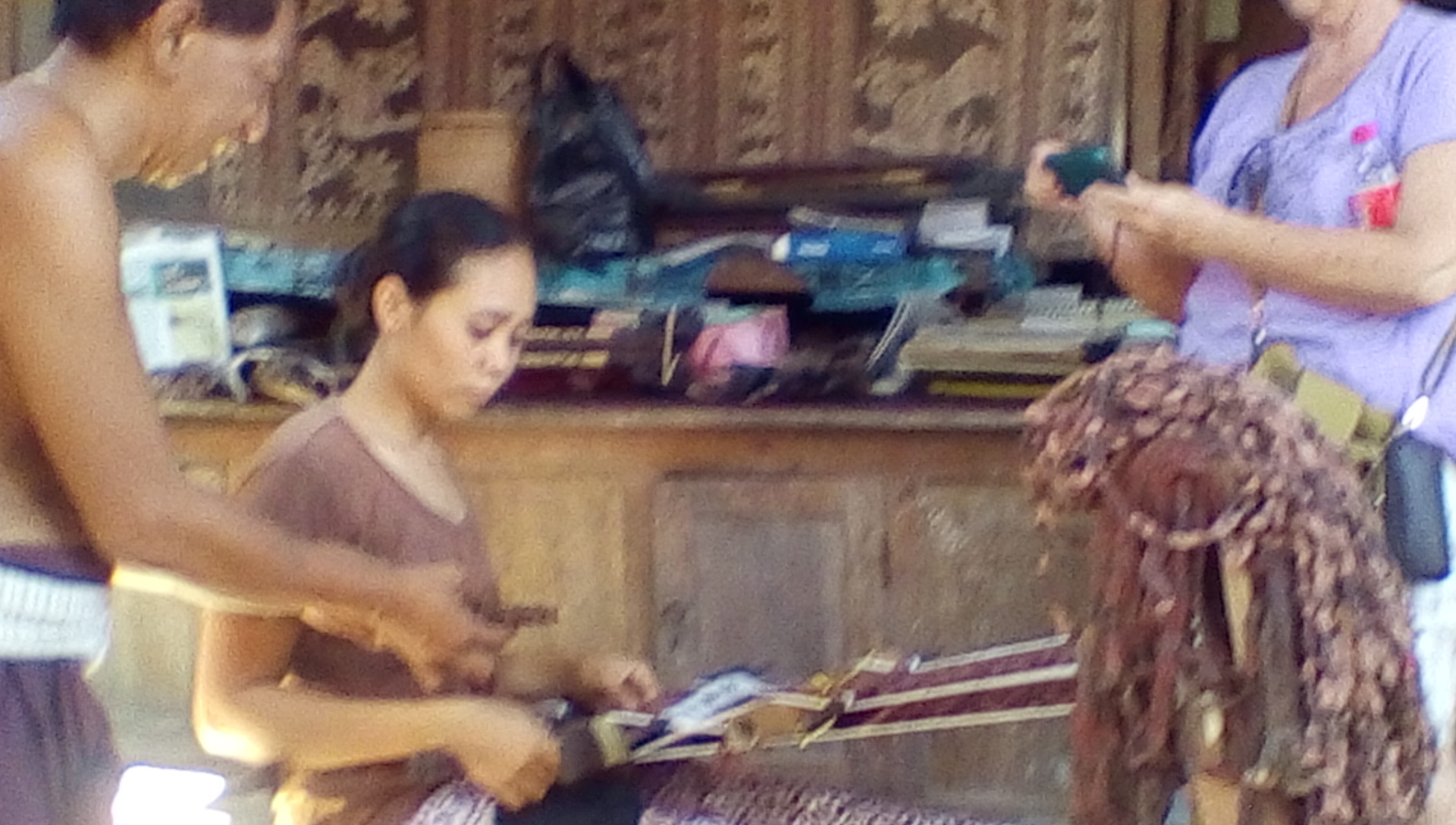
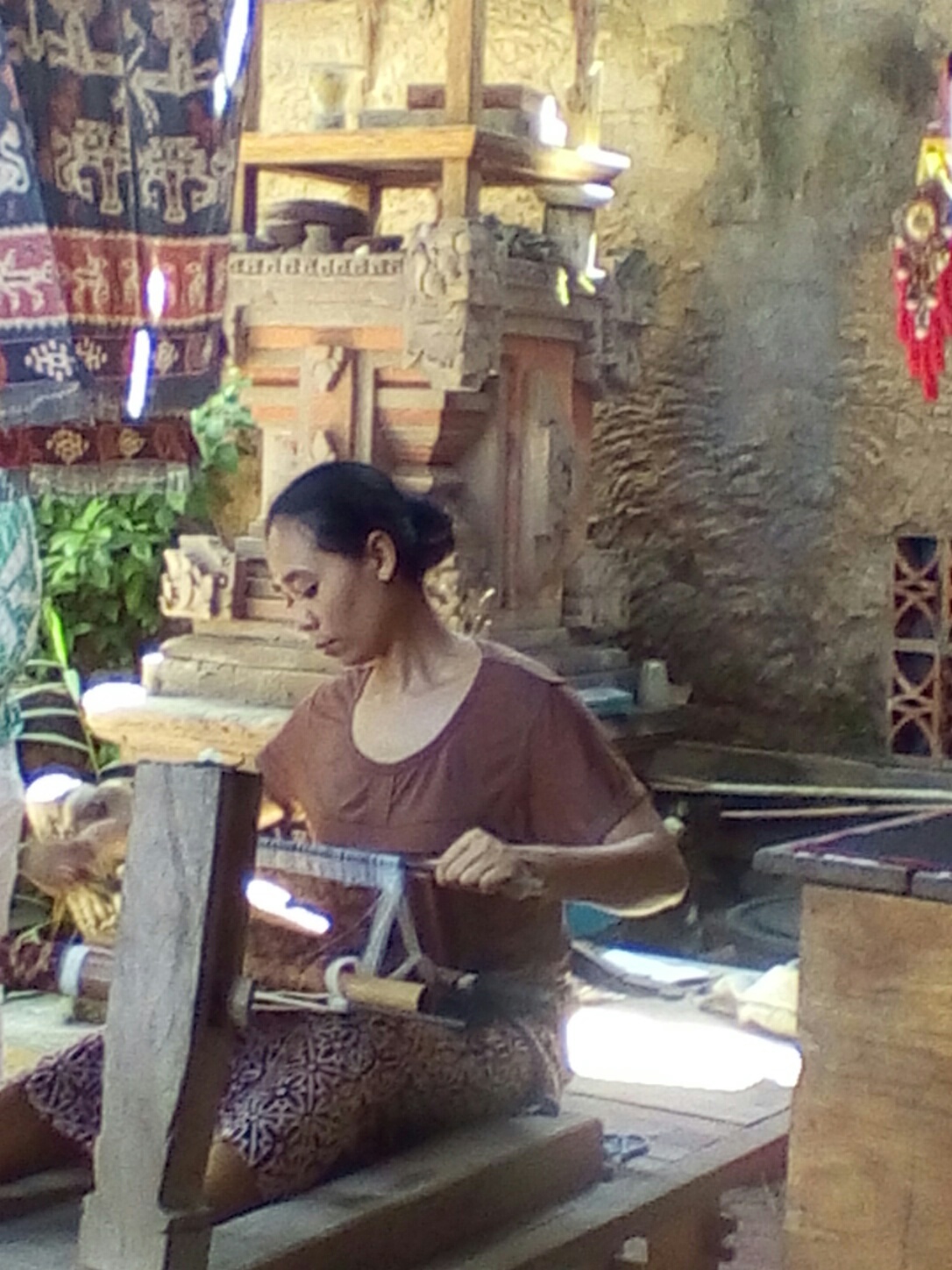
The master weaver is the fellow on the left. In this type of traditional ikat the design is determined by pre-dyed and coded bundles of thread/yarn. (Look at the bundle on the right).
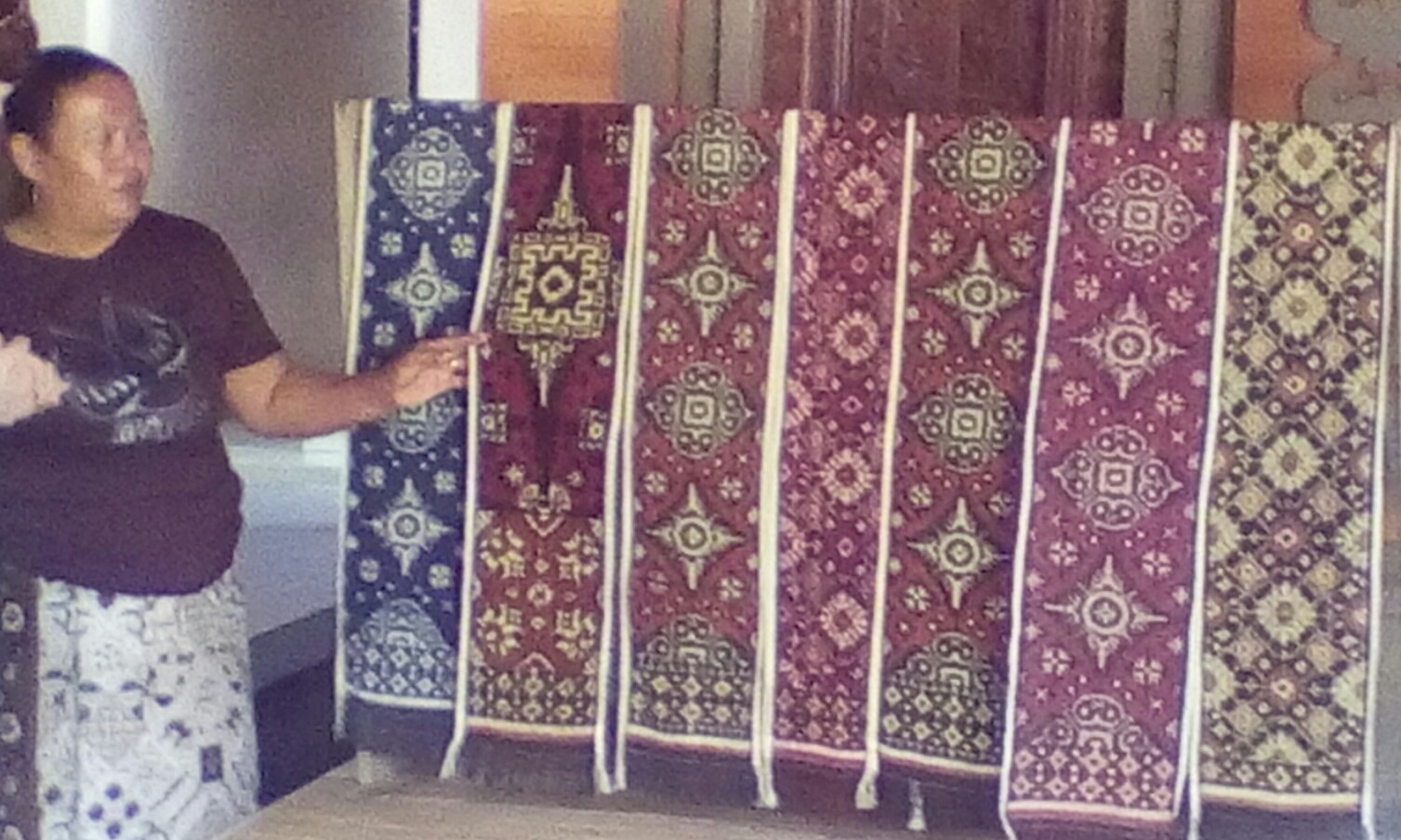
The width is determined by the size of the backstop loom, about 12″ – 14″ wide. 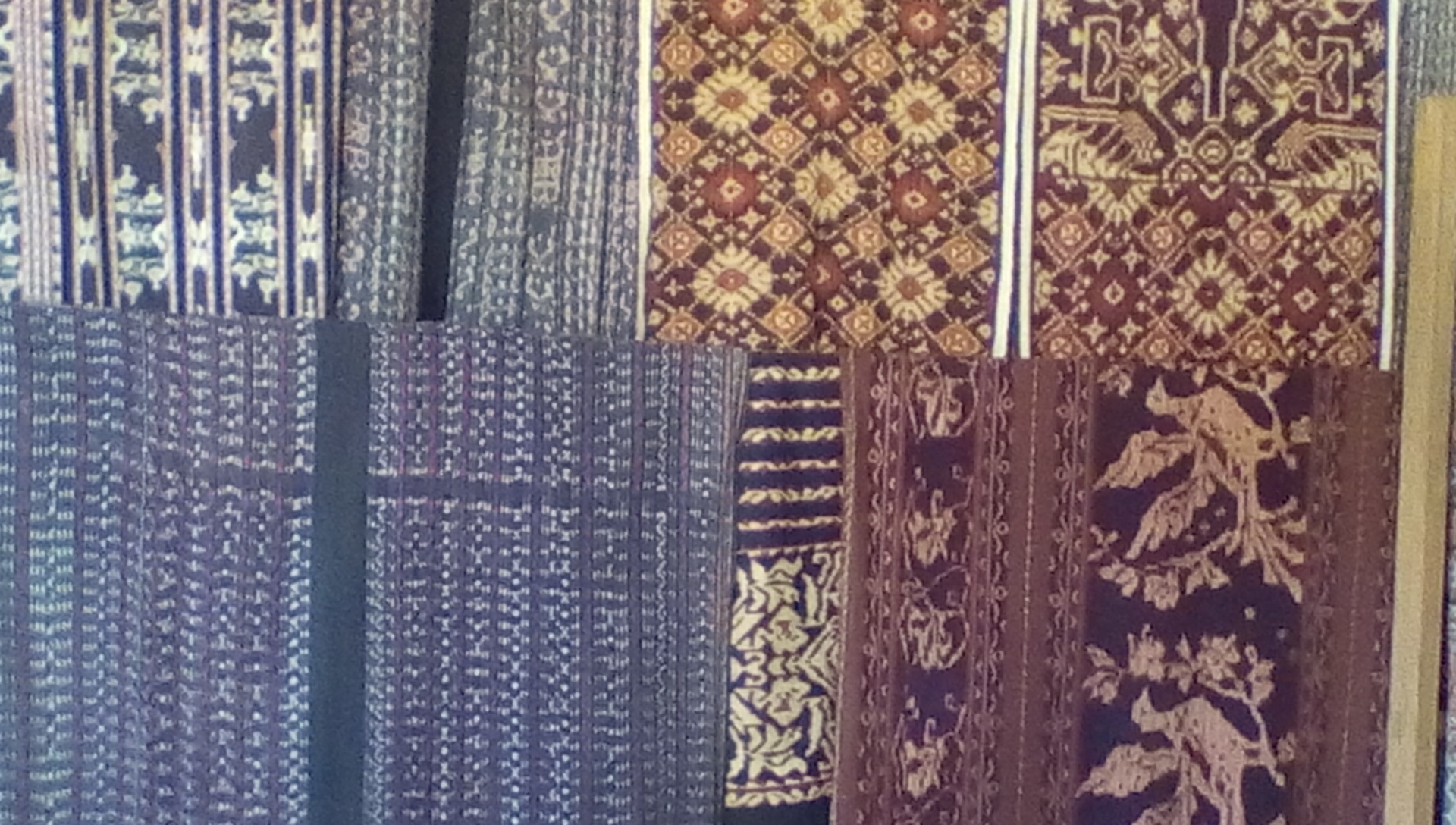
These are traditional patterns.
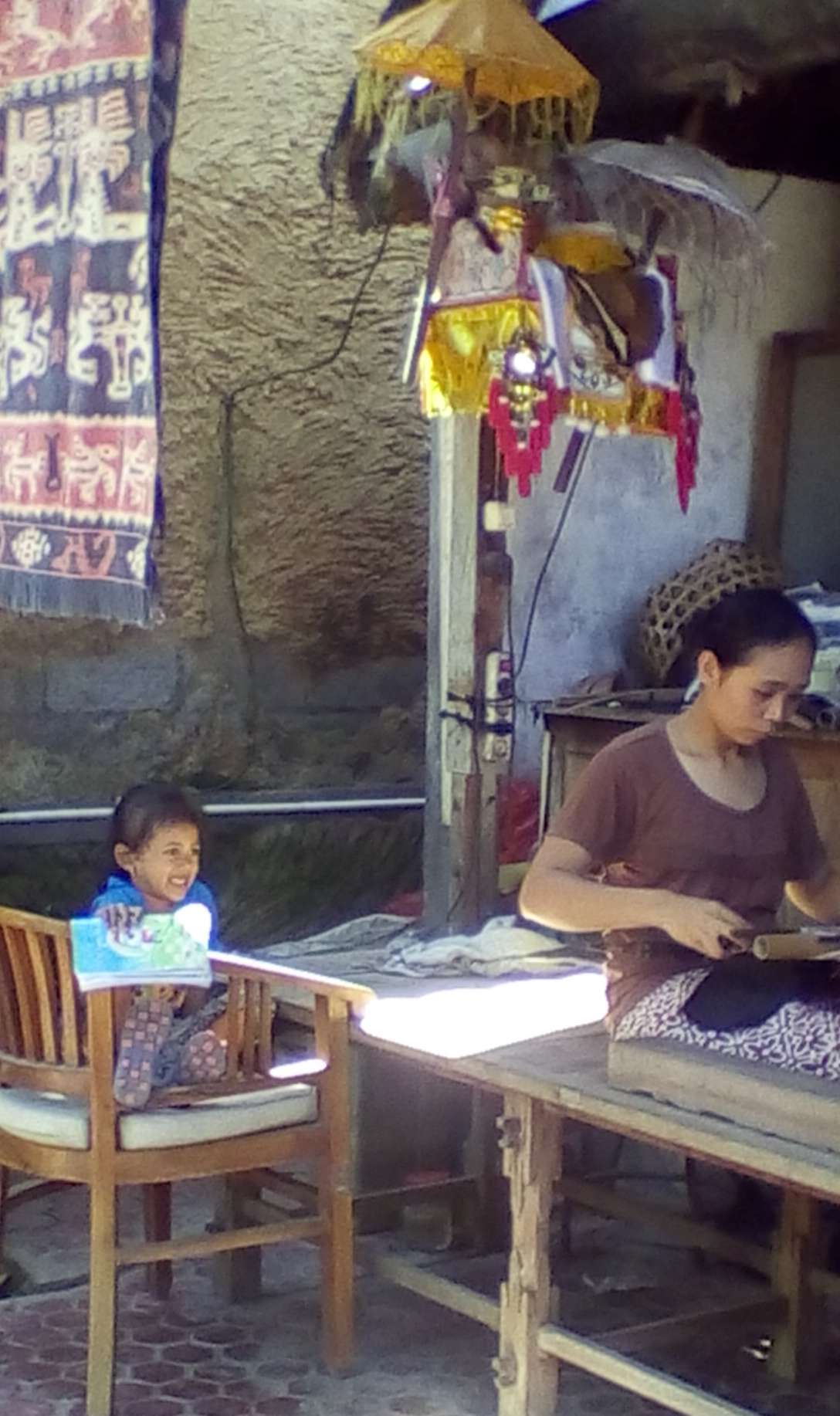
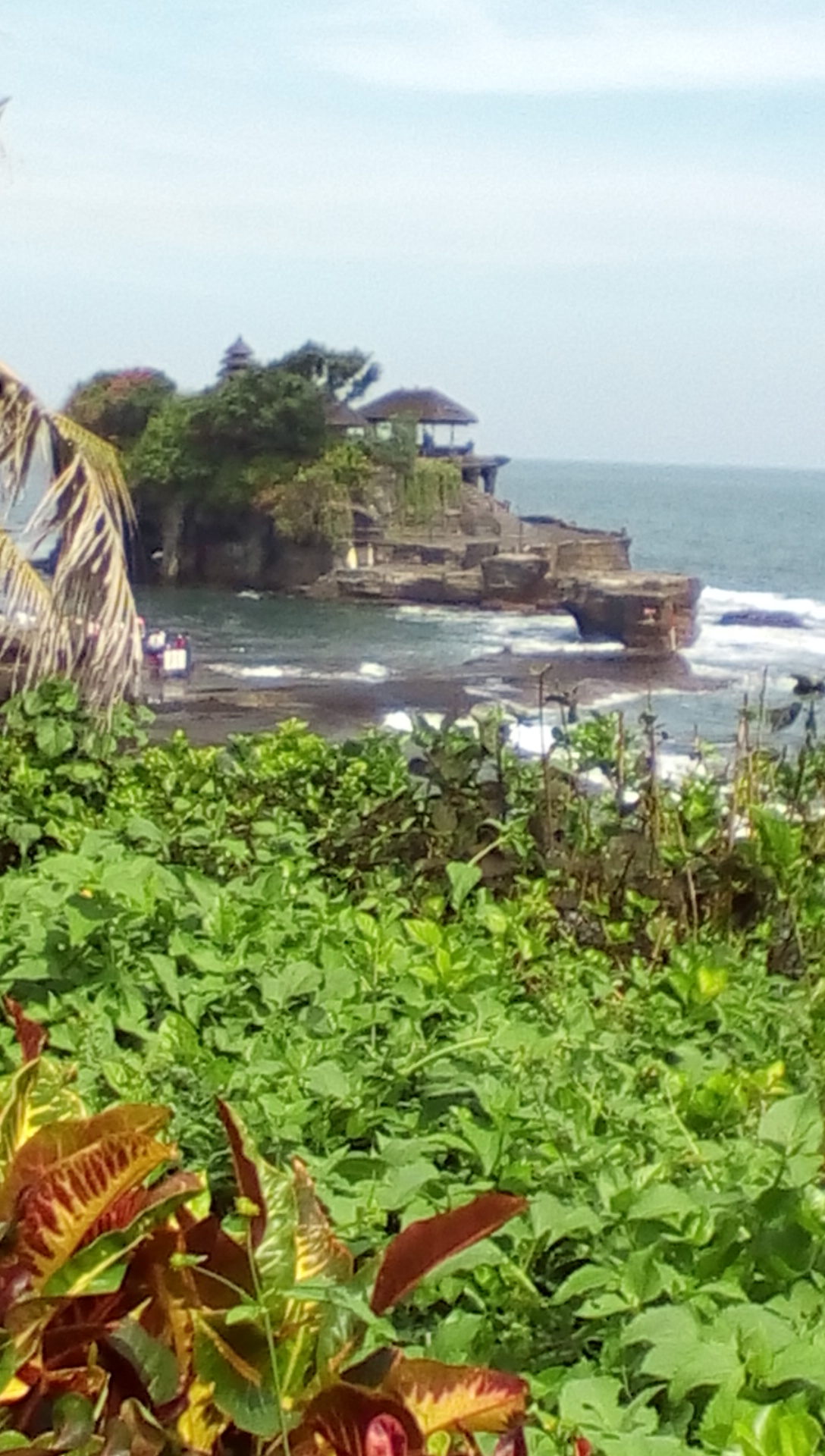
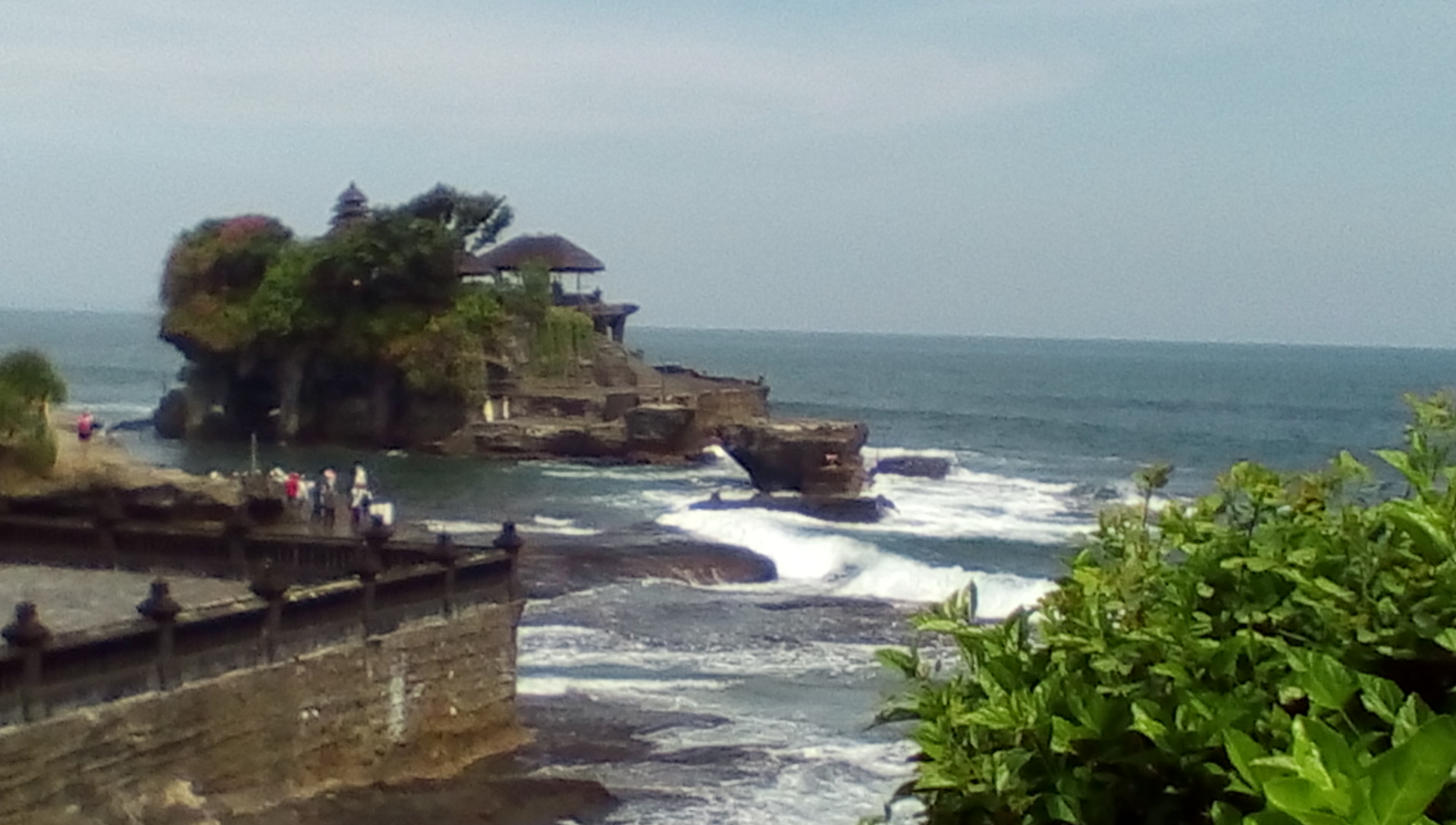
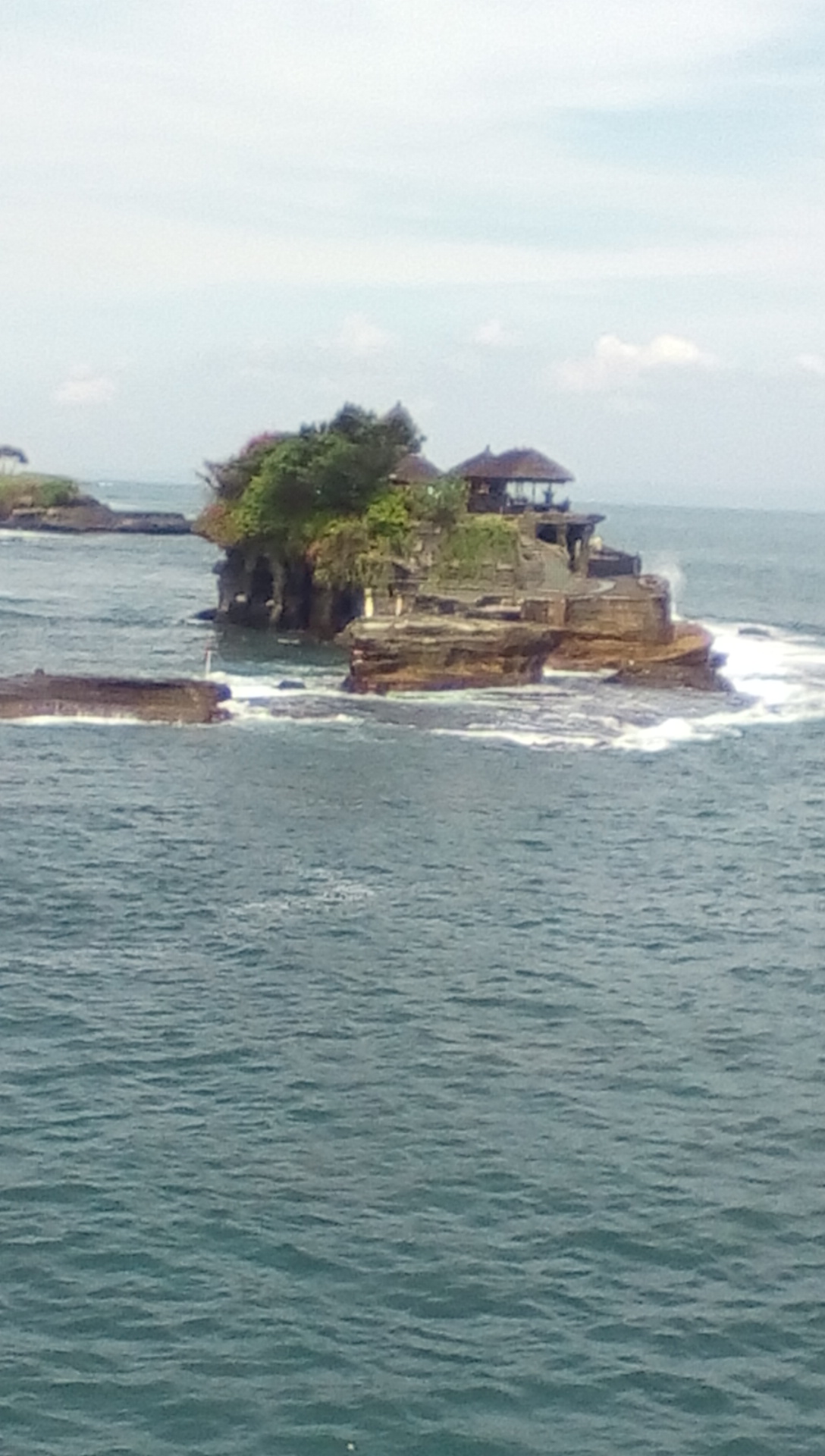
One of seven temples on the coast to protect the island.
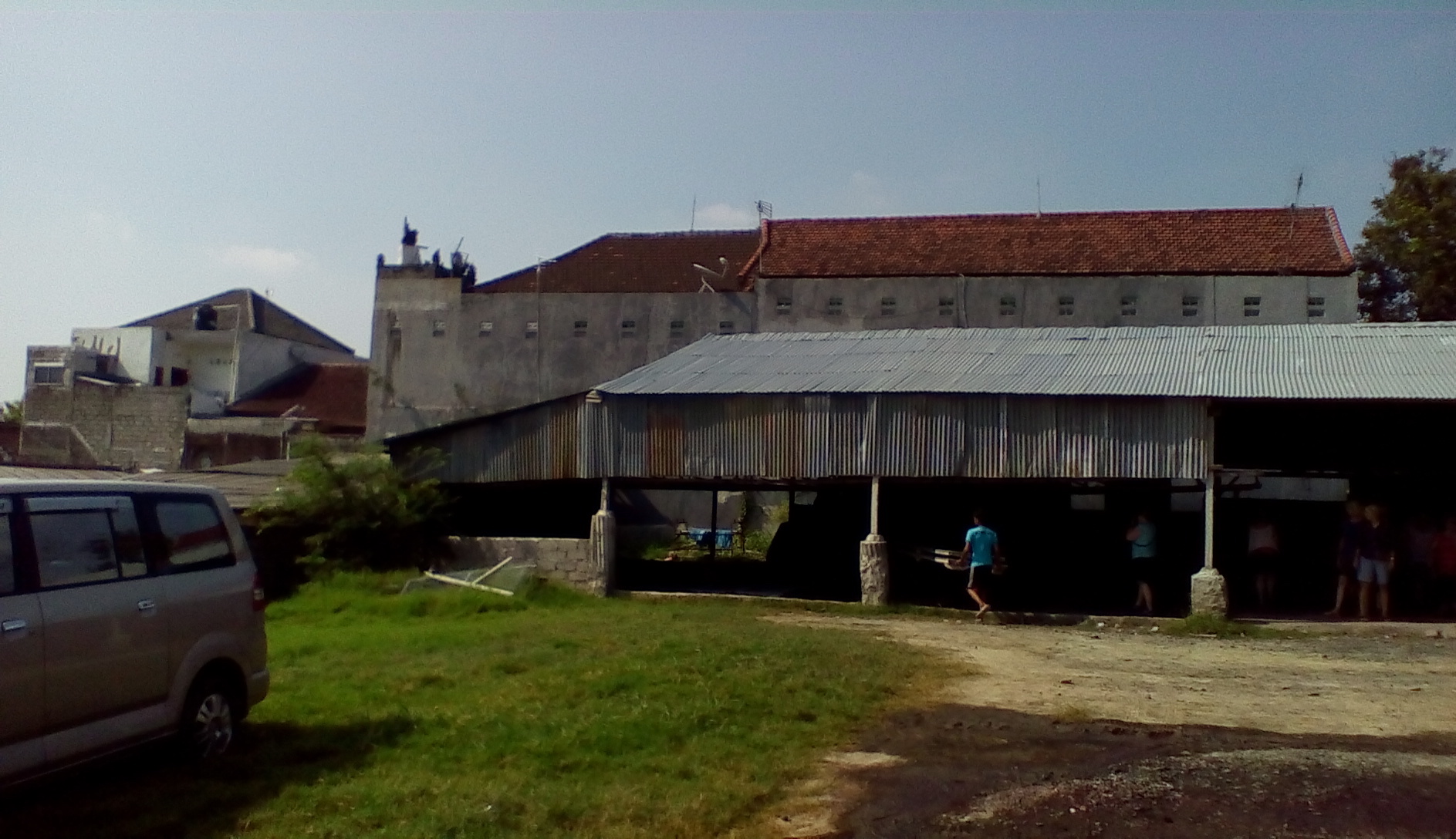
Batik production for the American, European and Asian markets takes place only during the driest parts of the year, as much of the process goes on outside and in covered, but open sheds, as above.
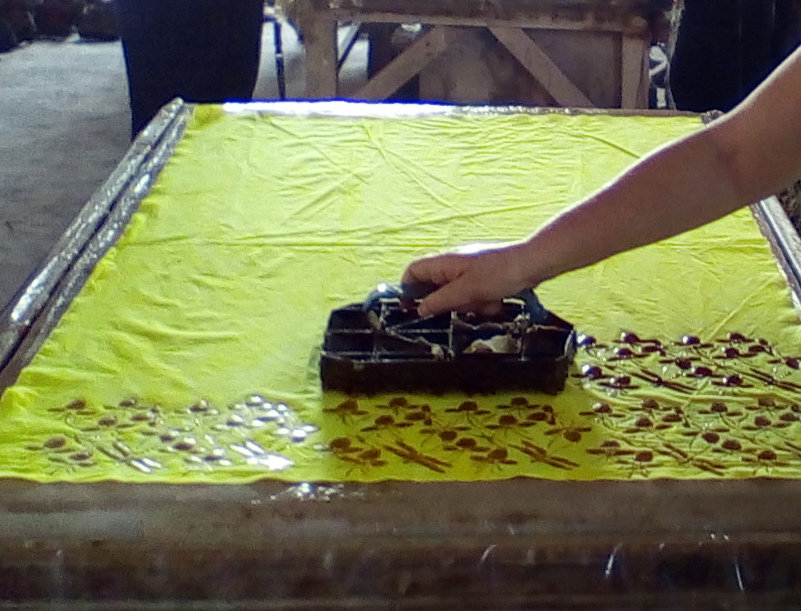
We had the good fortune to be able to try our hand at batik printing with hot wax.
The fabric workers can print quickly and accurately with the wax. Most of the workers are from Java and do batik printing as seasonal work, being away from home for six to eight weeks at a time.
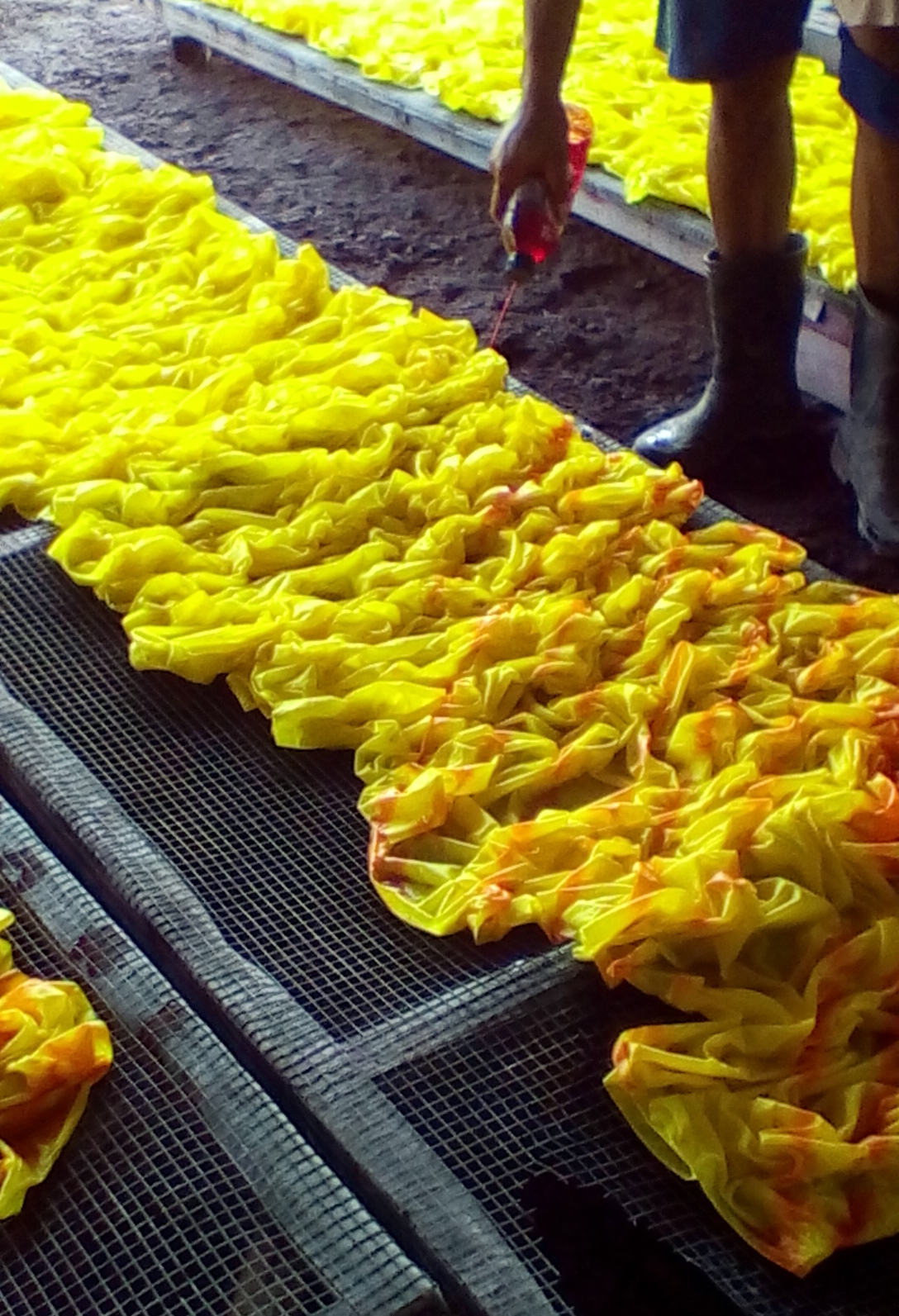
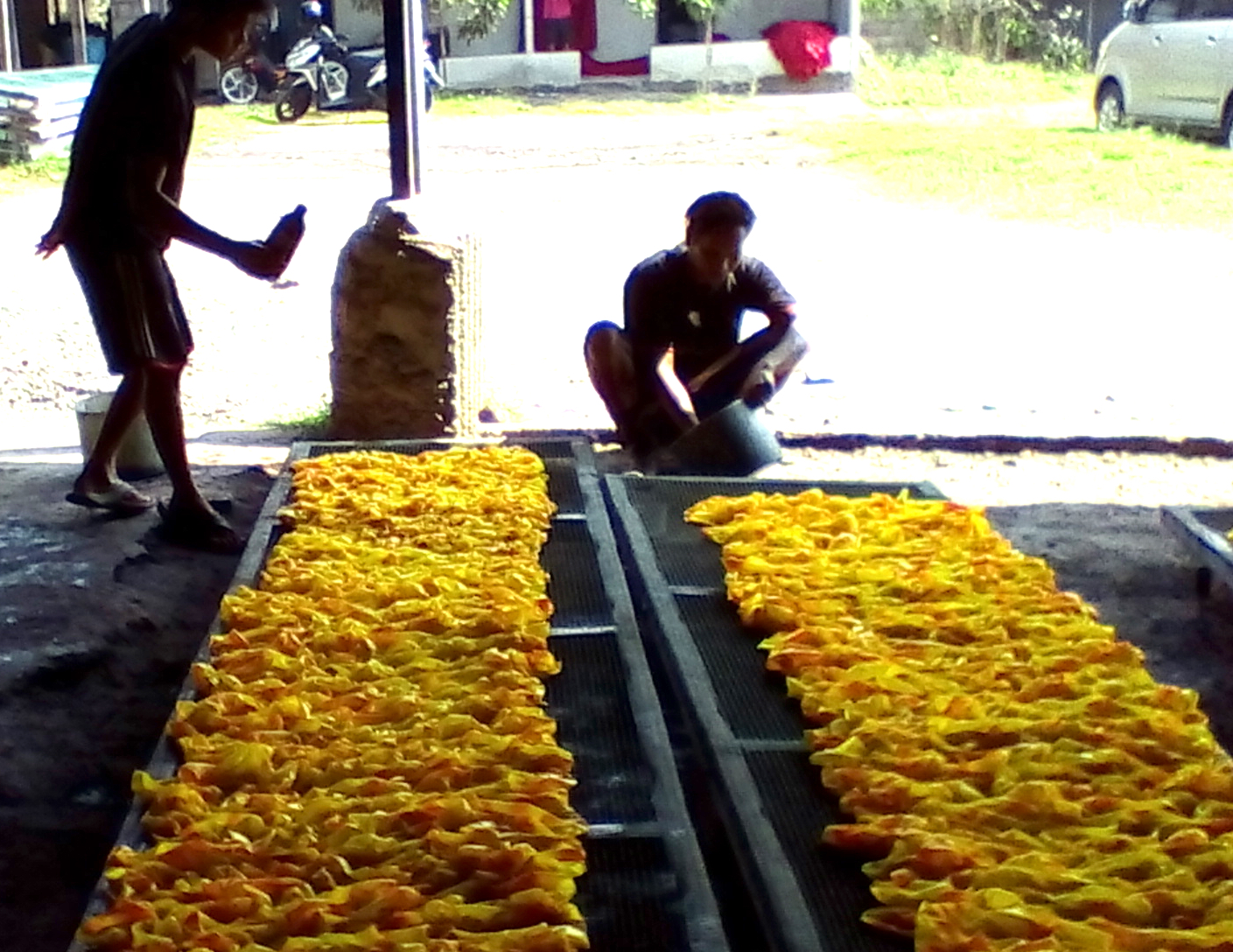
Squirting dye for a random background.

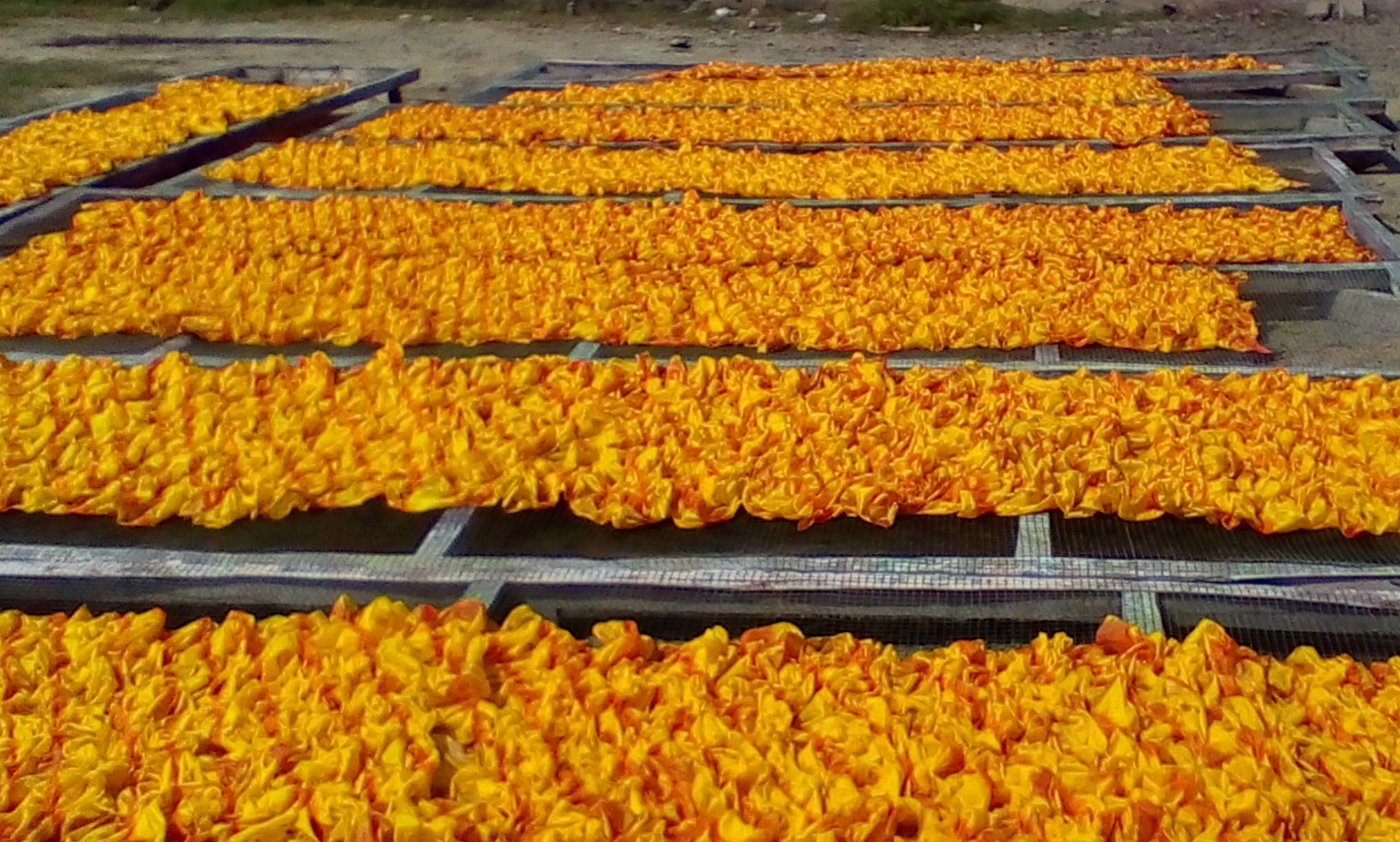
Racks of fabric out to dry.
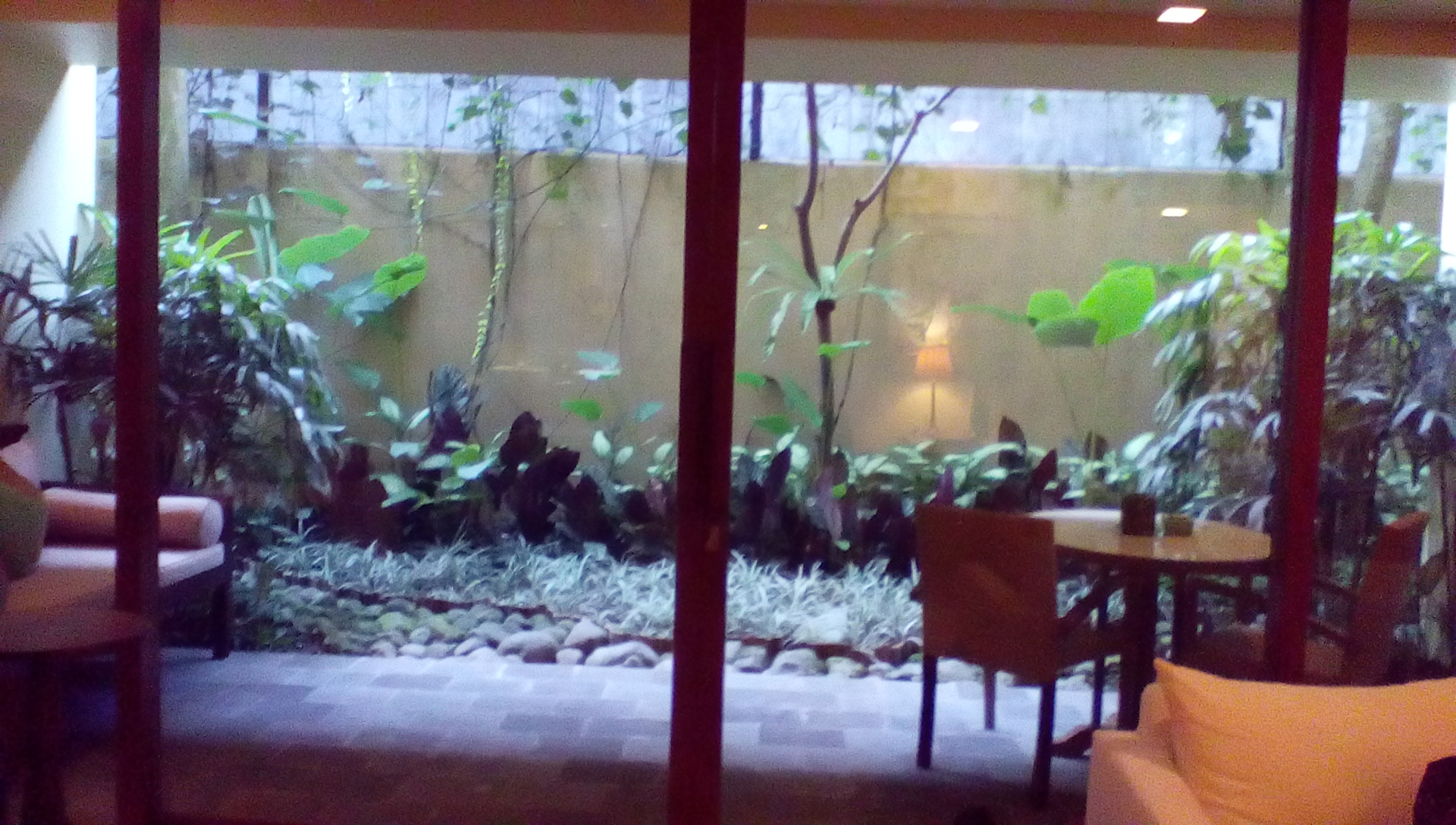

Stunning infinity pool
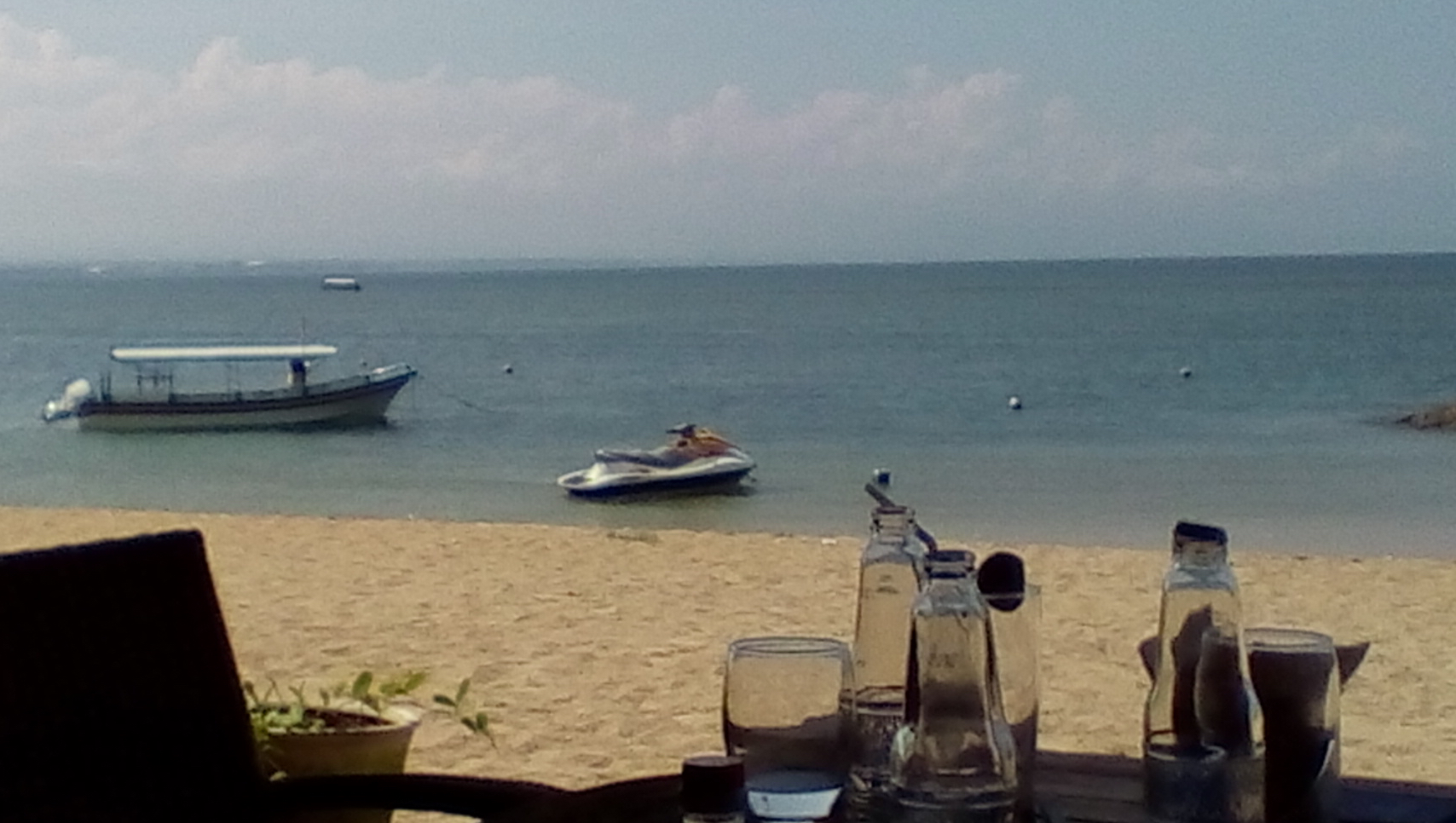
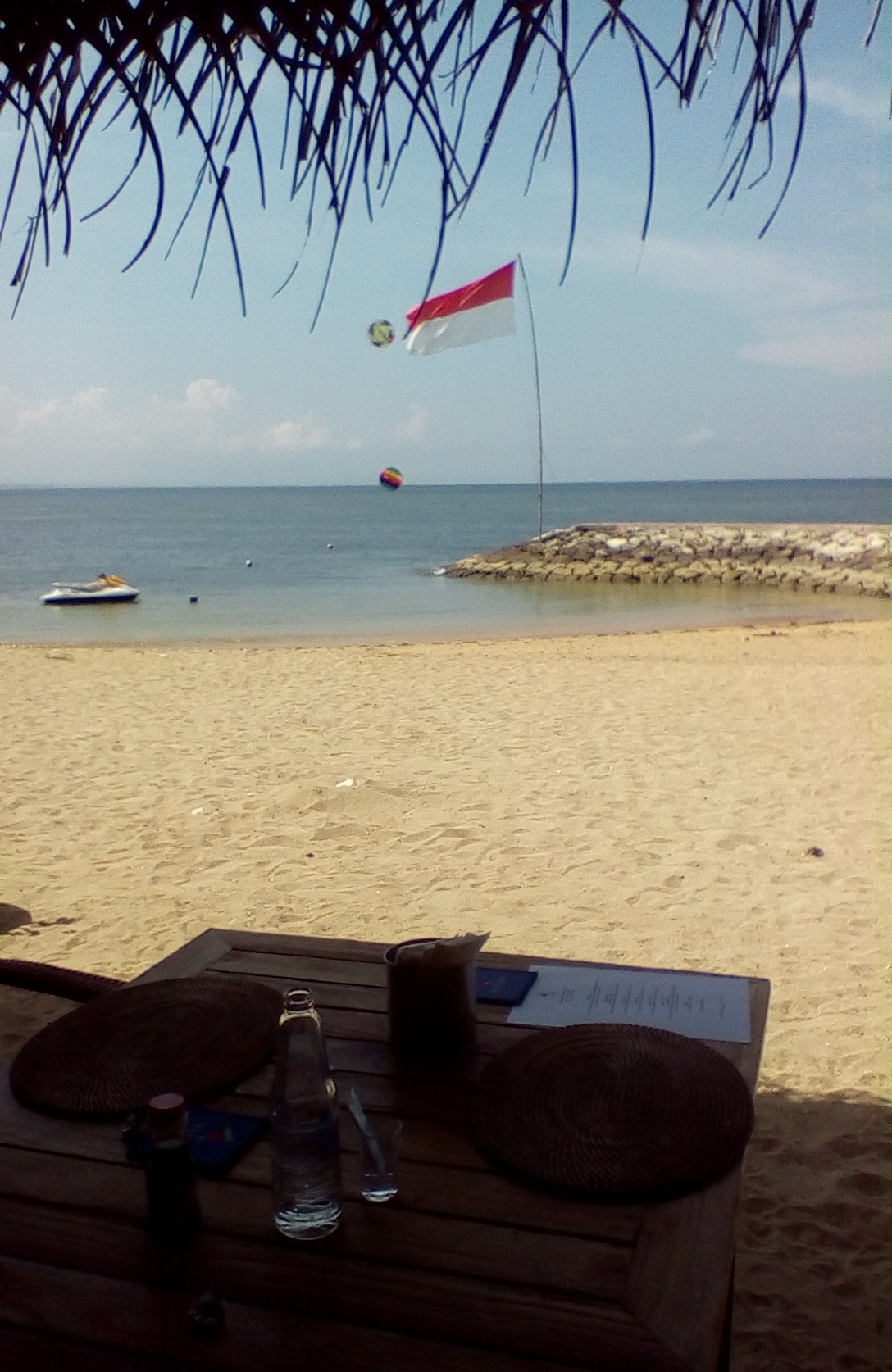
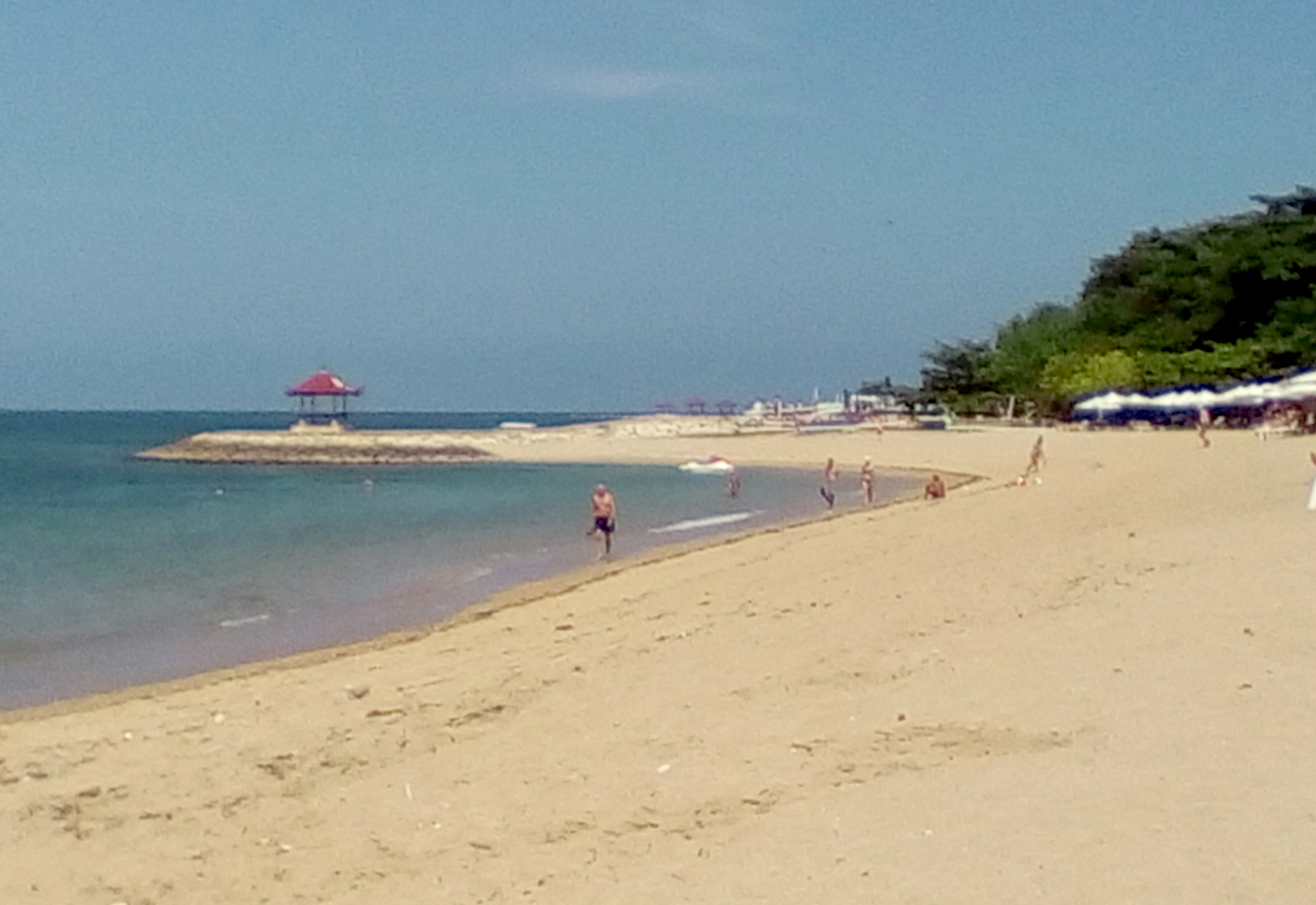
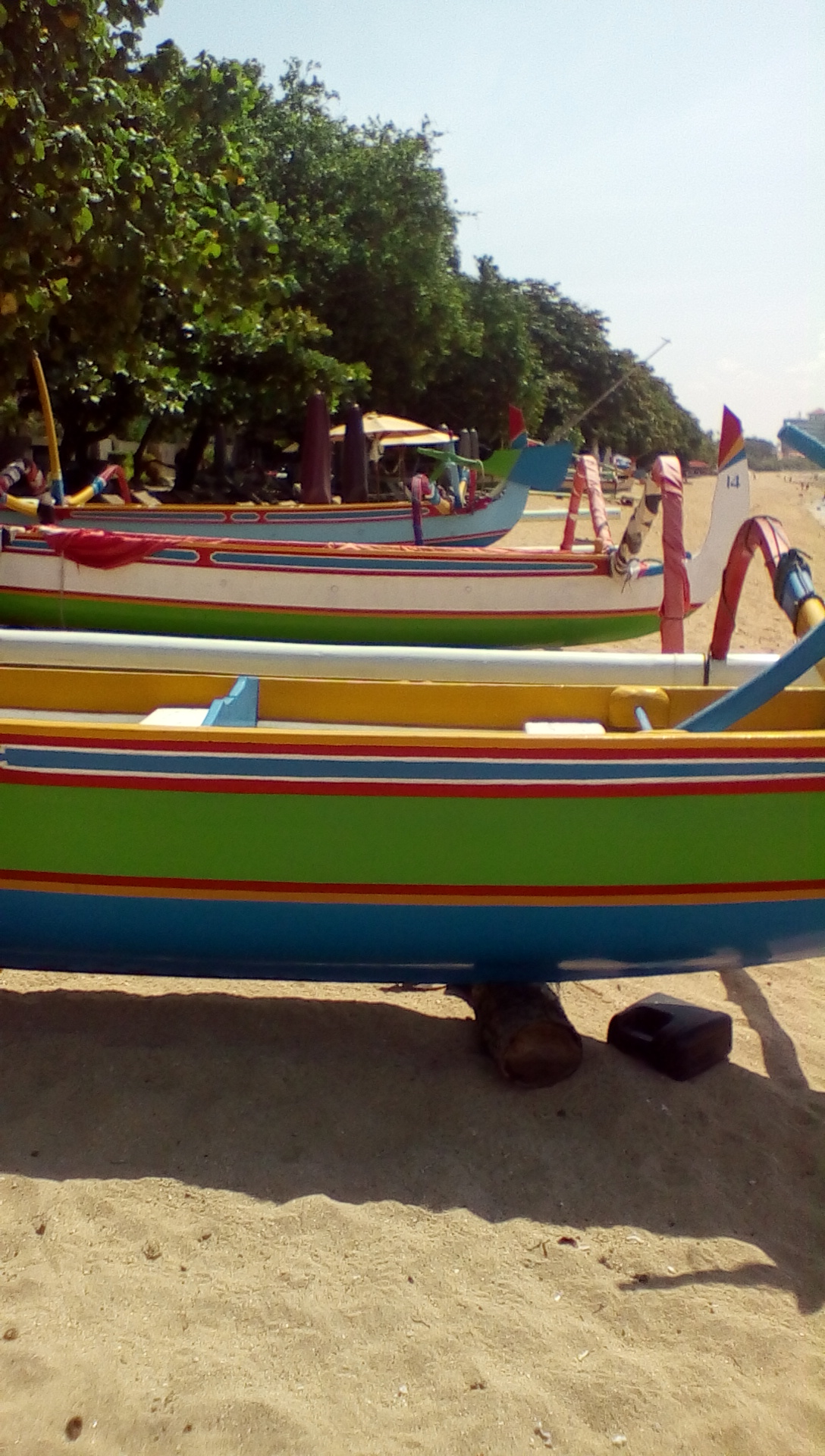
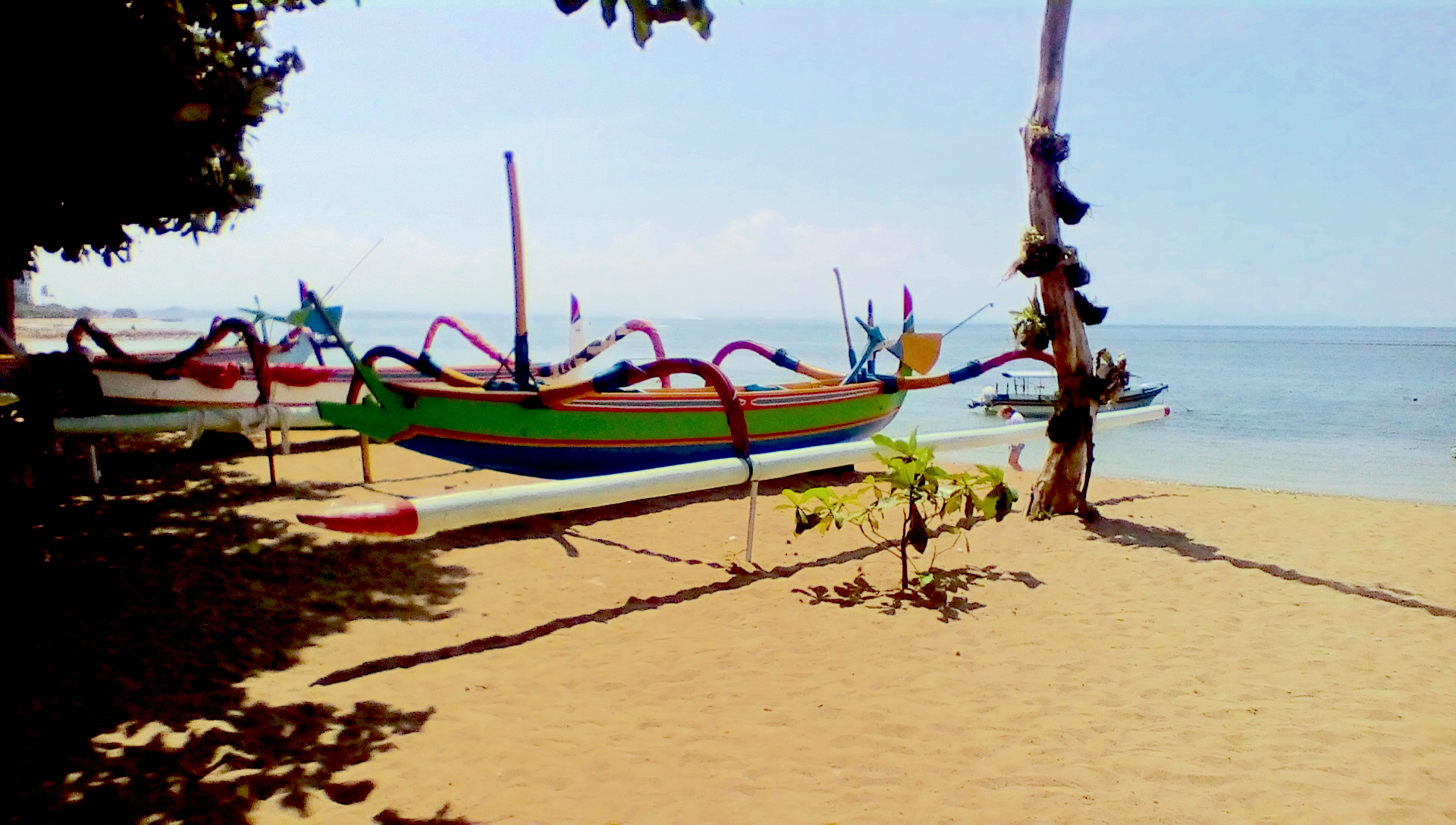
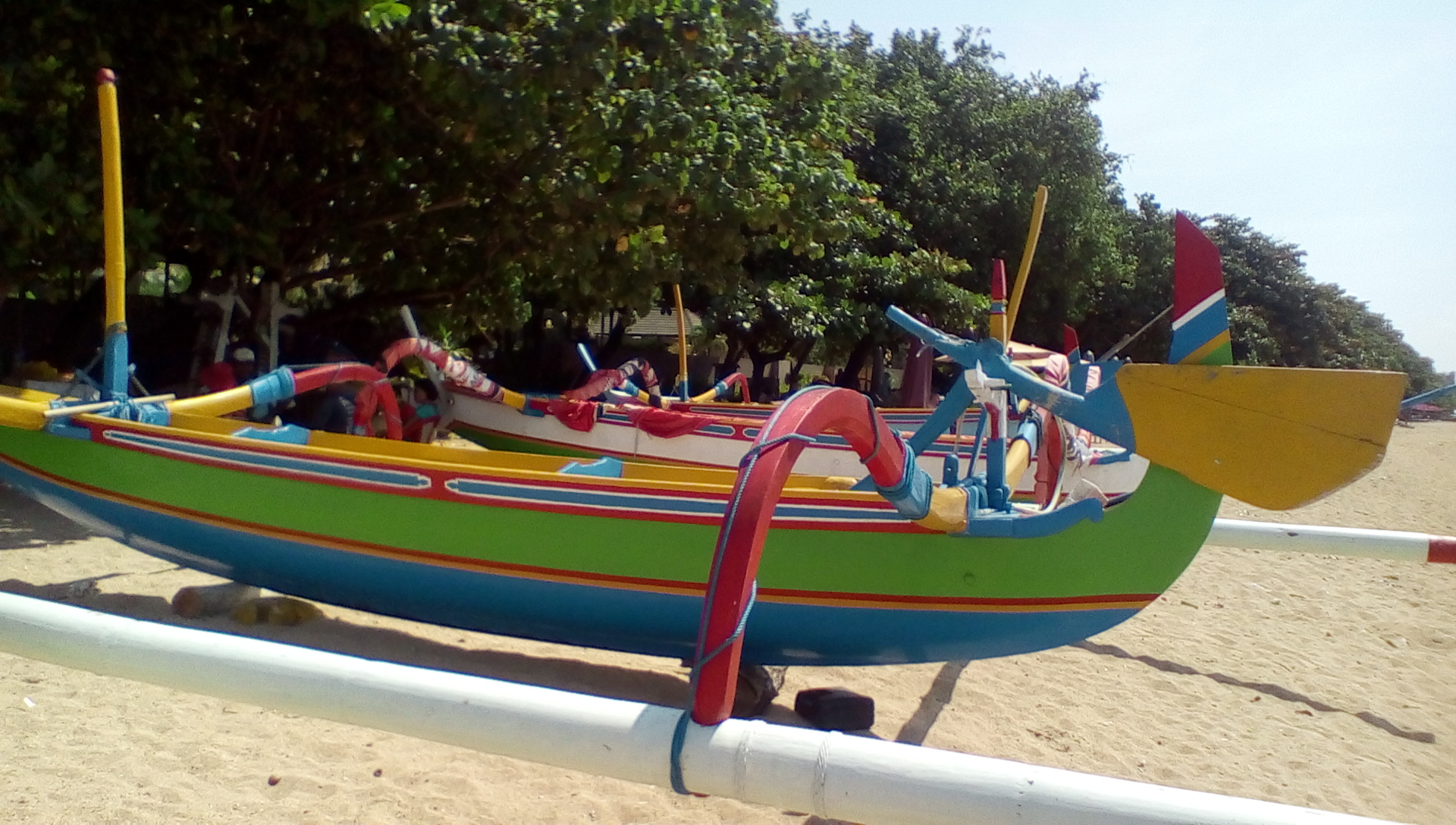
Love these double outrigger canoes with sails.
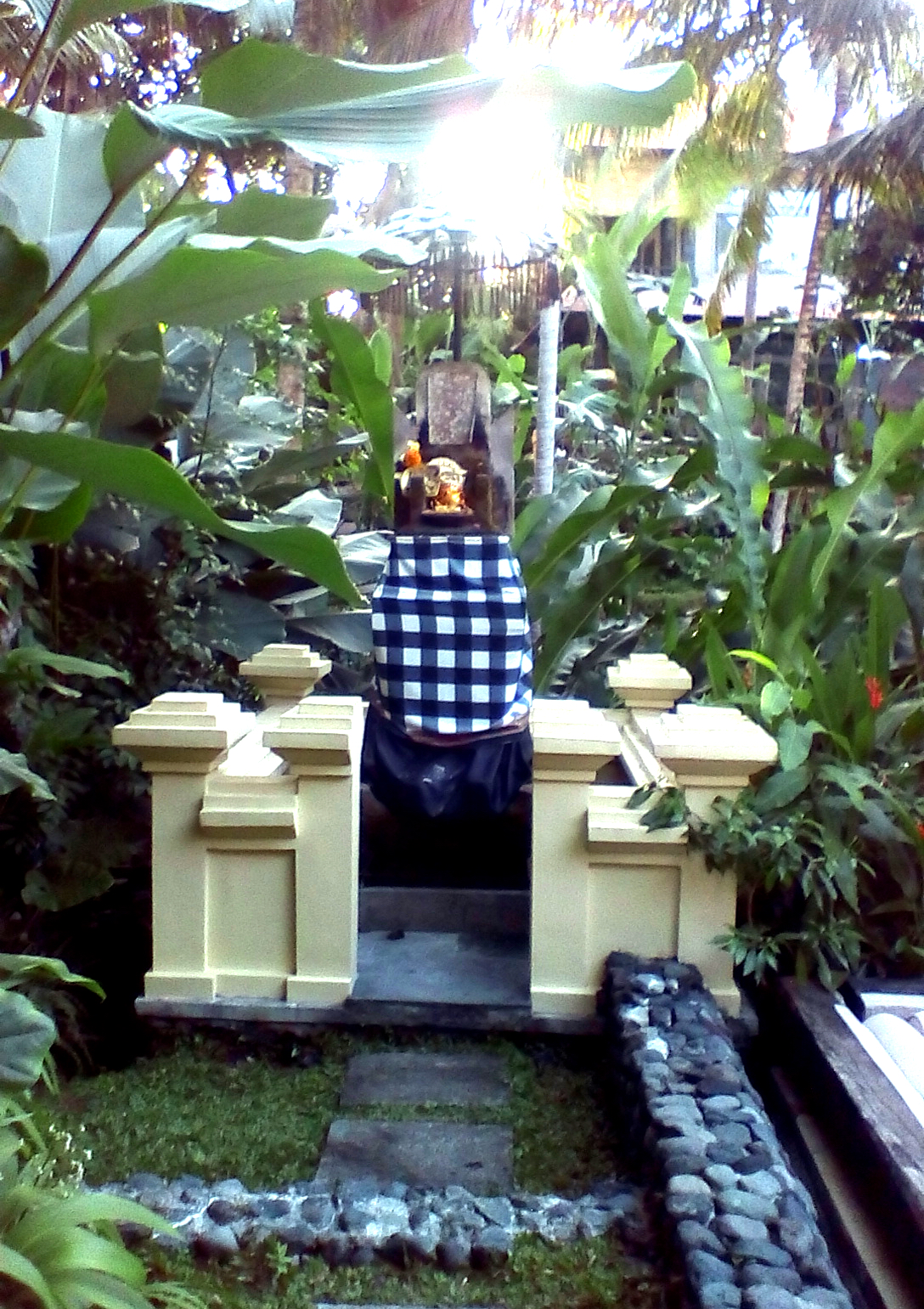
And finally, one of the many Hindu shrines you see all over Bali.
Blessings and thanks to Deb Roberts tours.

Kona Bay
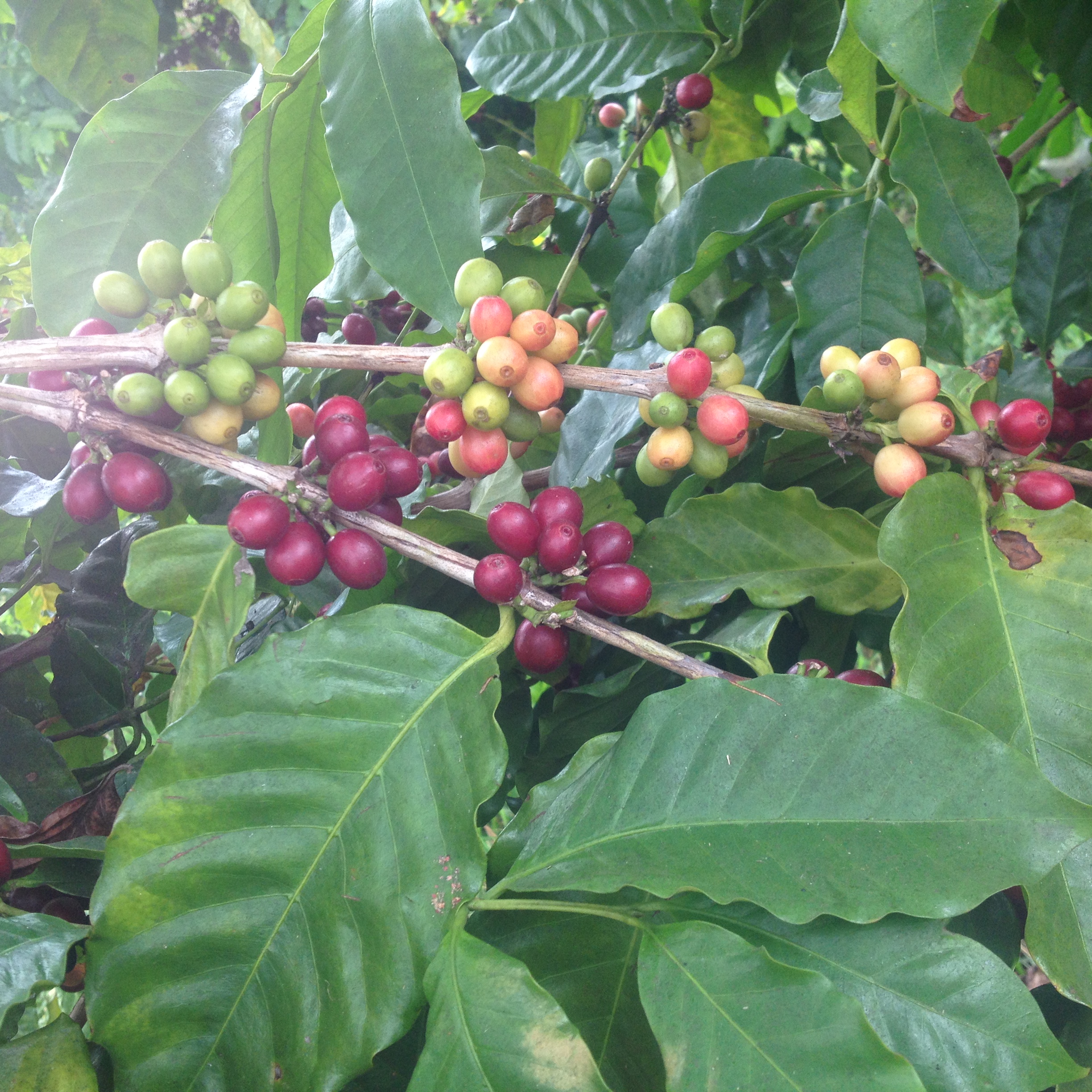
Love that Kona coffee. A coffee plantation tour brings an appreciation of the labor intensive nature of this crop.
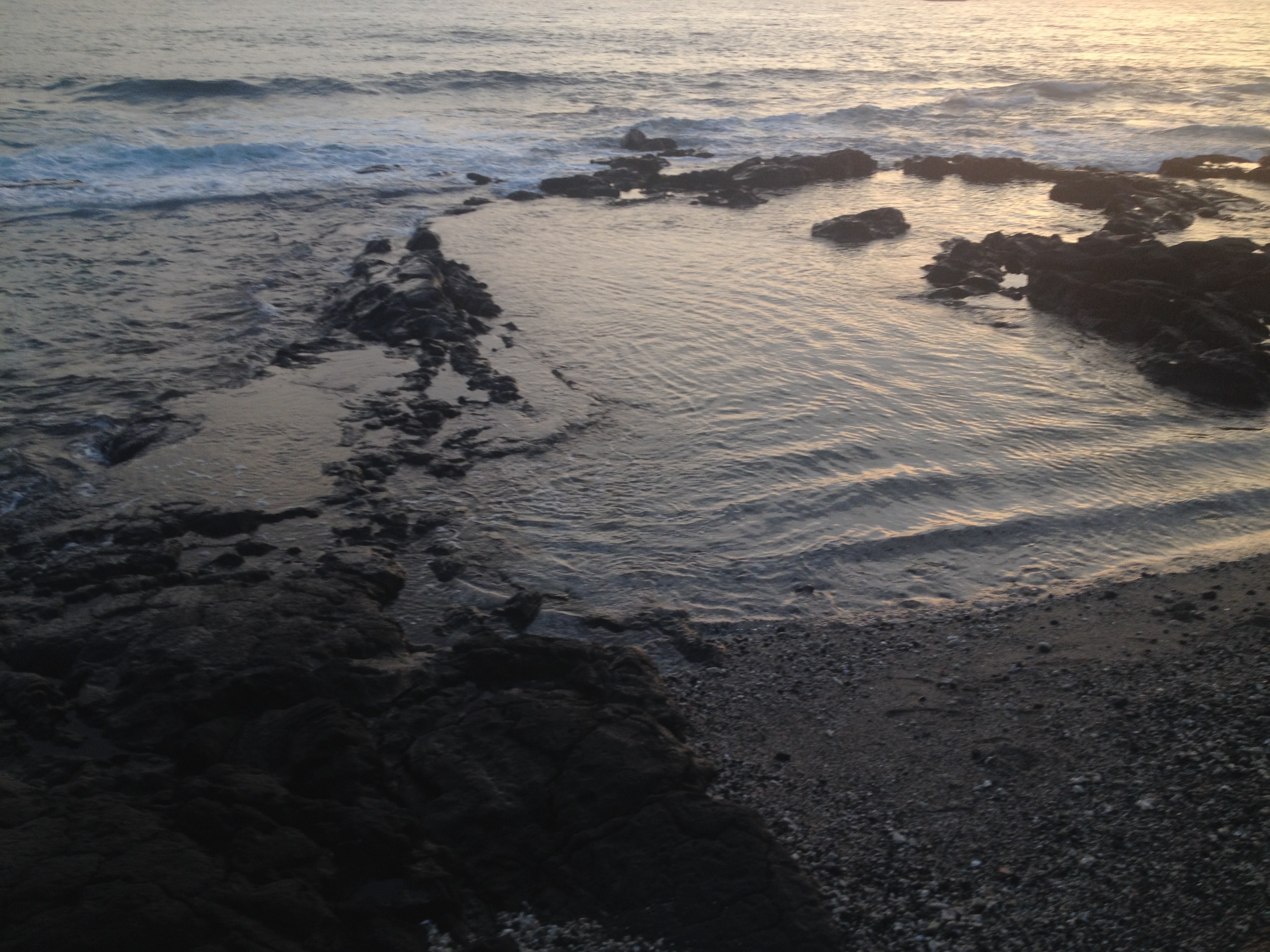
Kona Coast
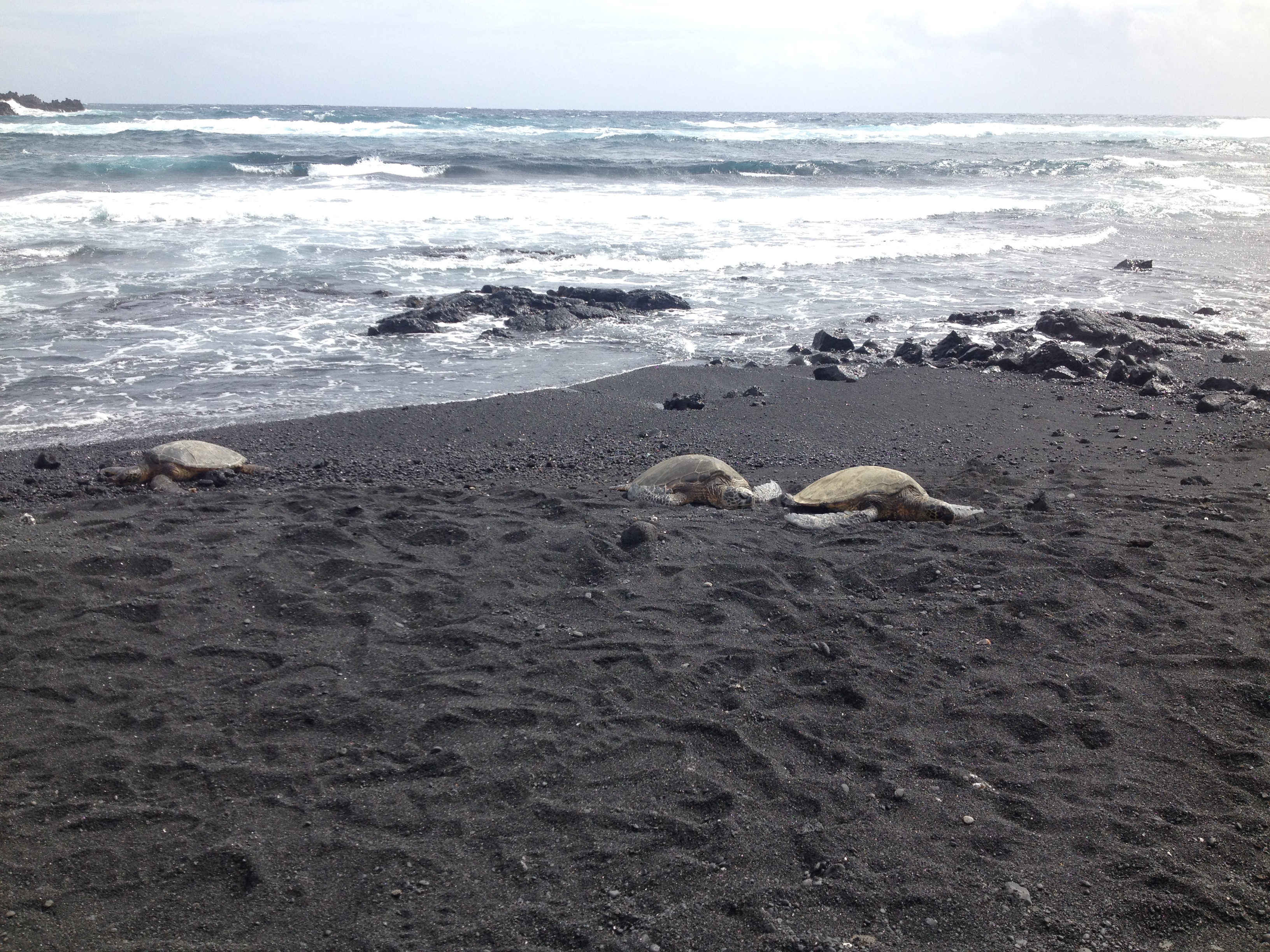
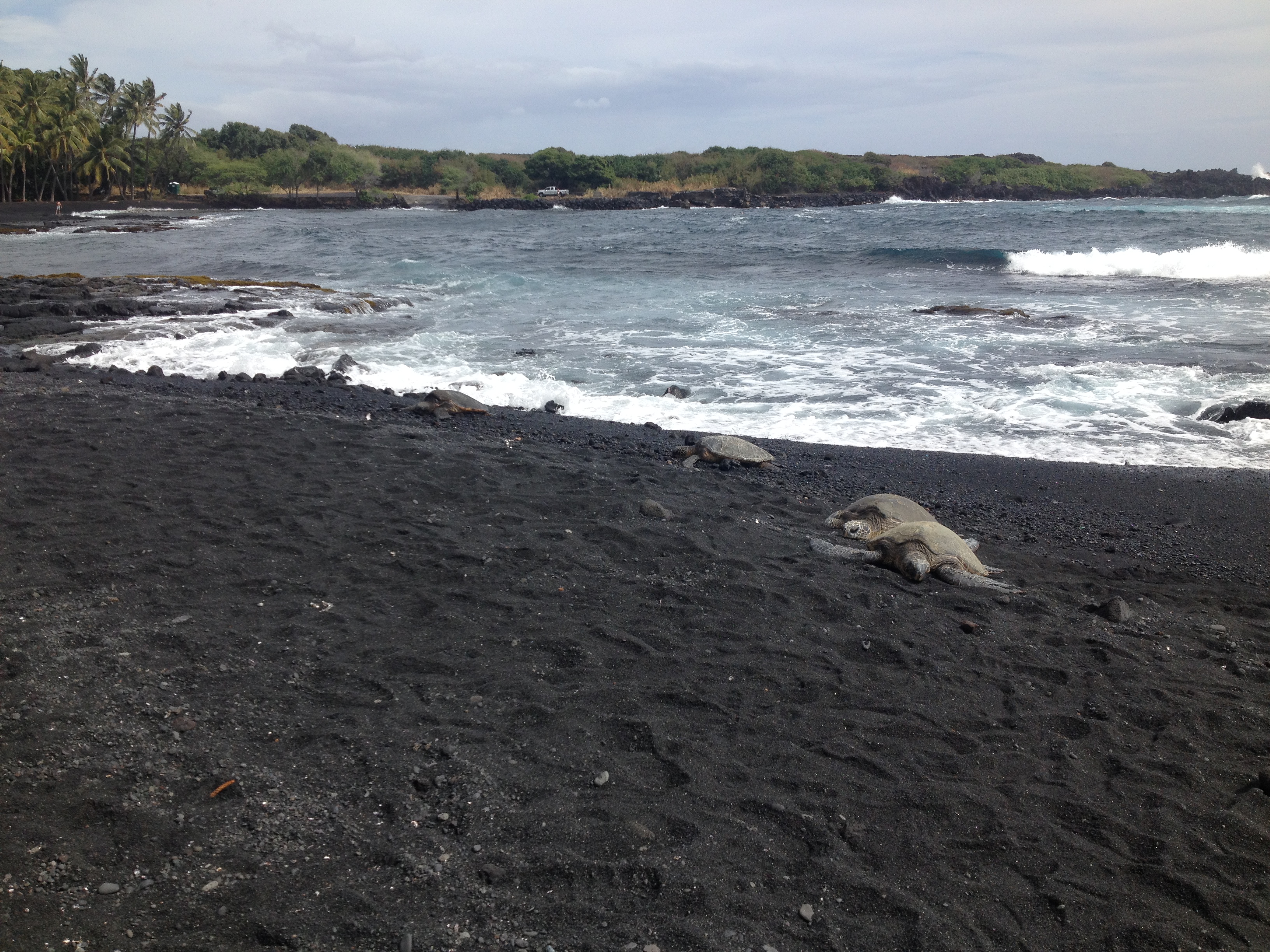
On the Hilo side: Black sand beaches and turtles.

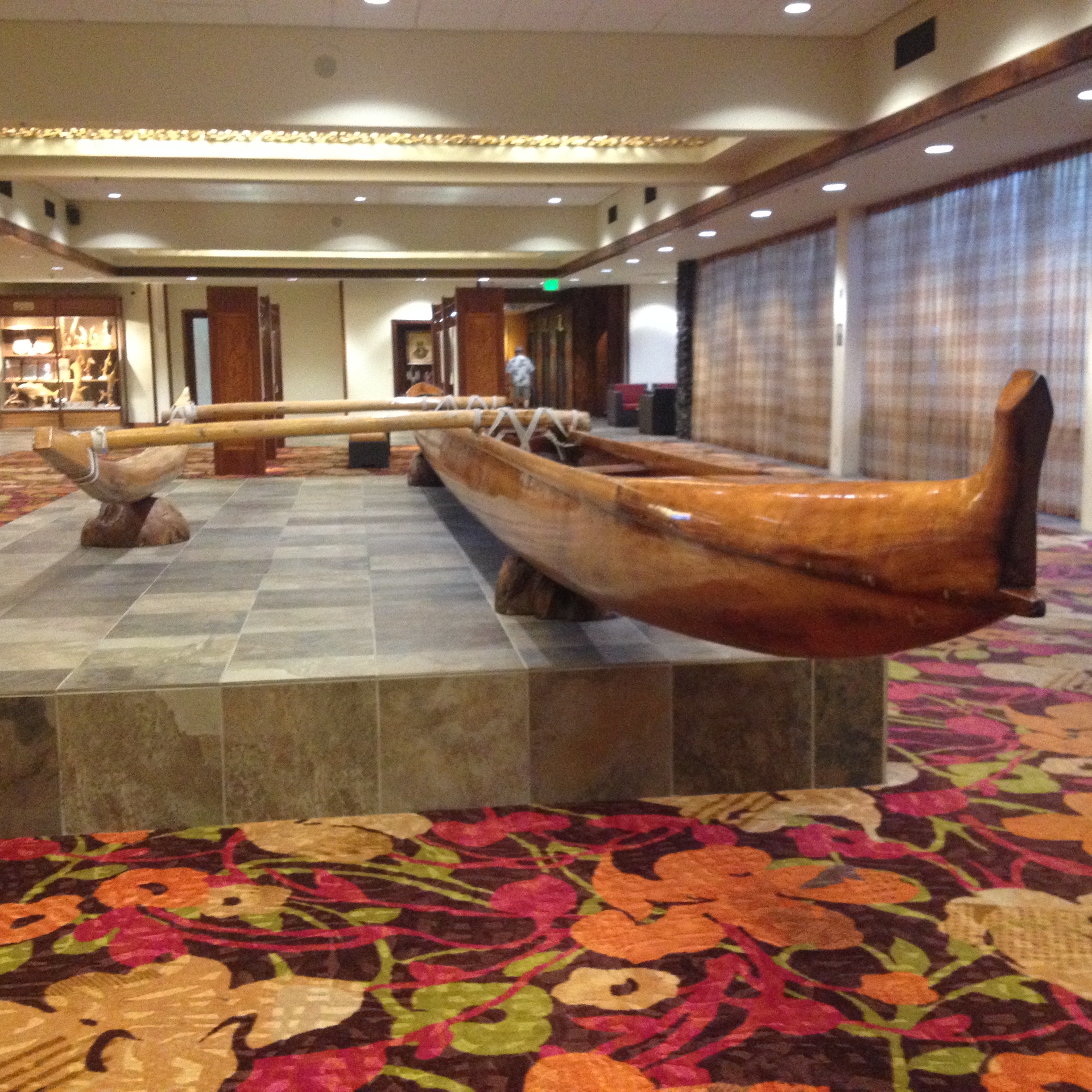
A historic canoe…
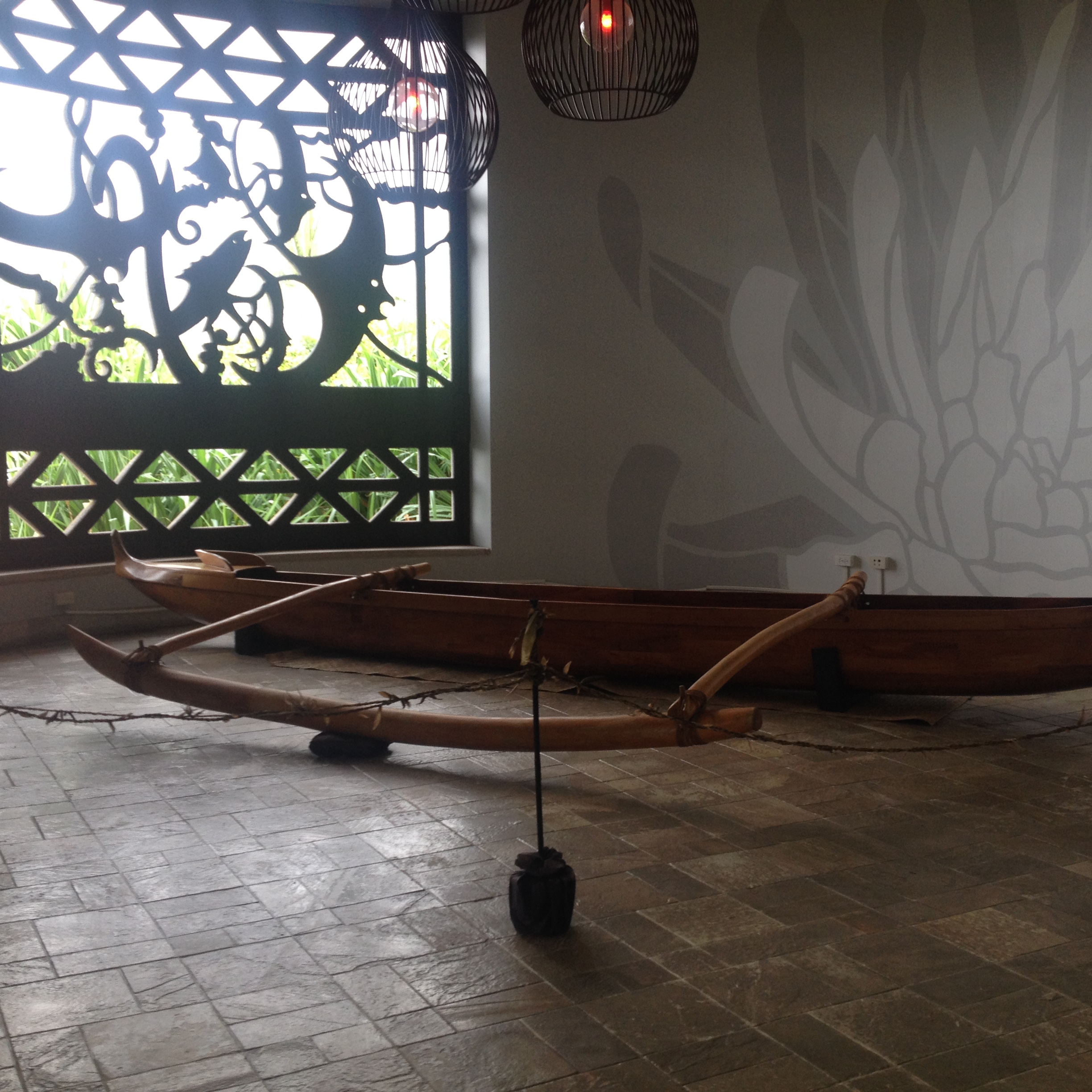
More historic canoes…

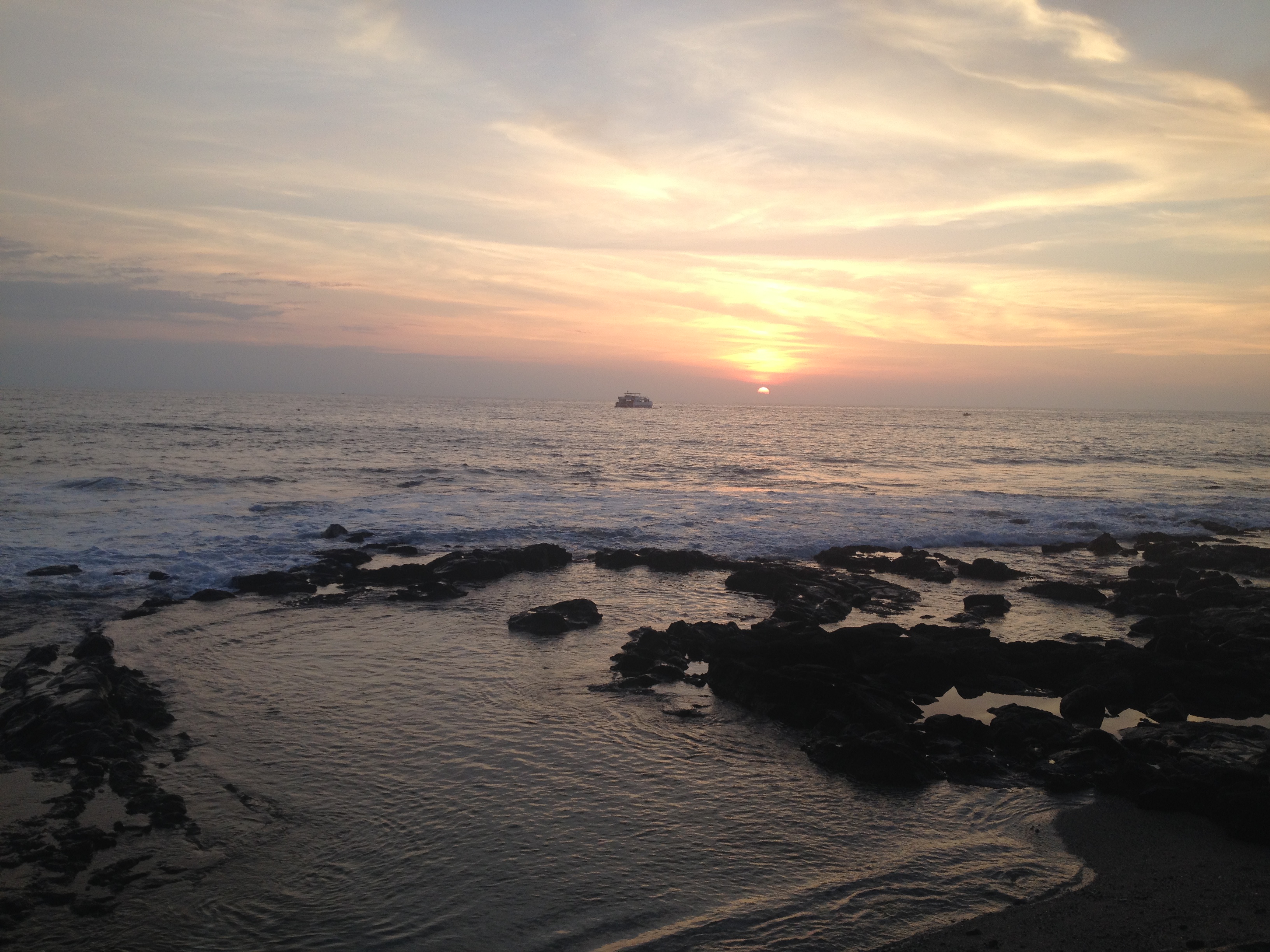
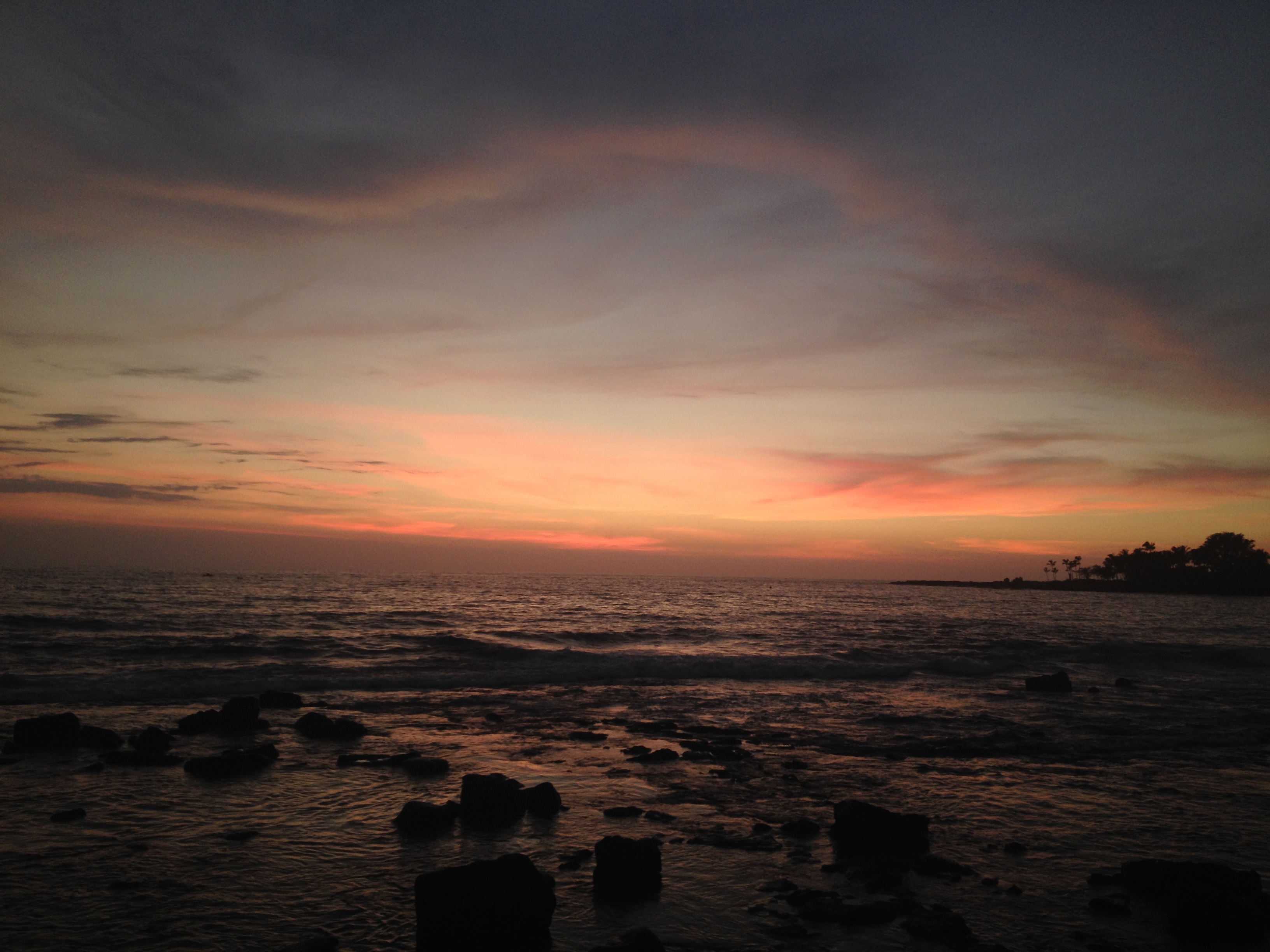
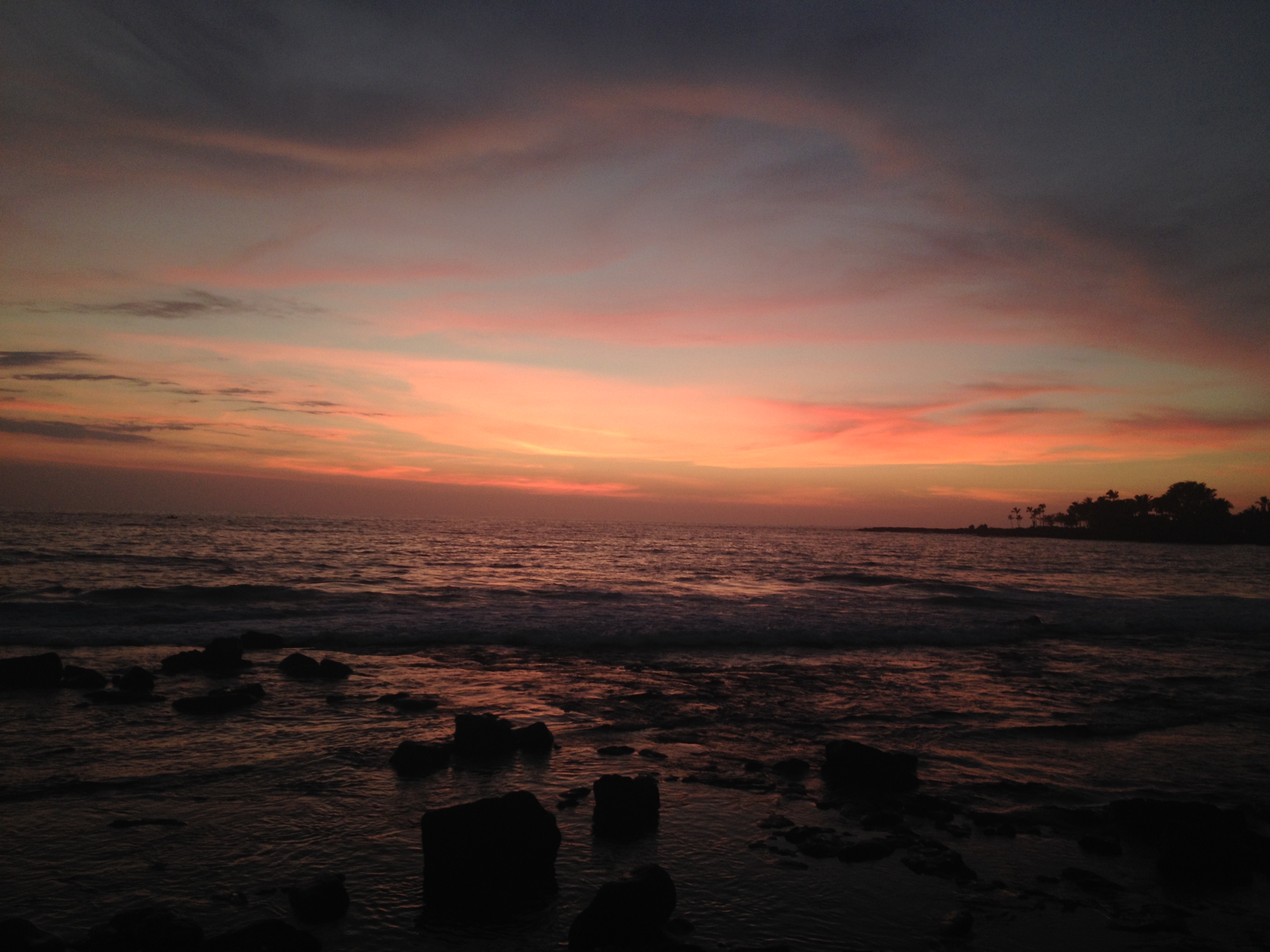
Kona Sunsets
+

I love the new graphics on the Air New Zealand planes. It’s the New Zealand Silver Fern. Some people want to change the national flag to a black and white fern flag. Very minimalist. Very cool.
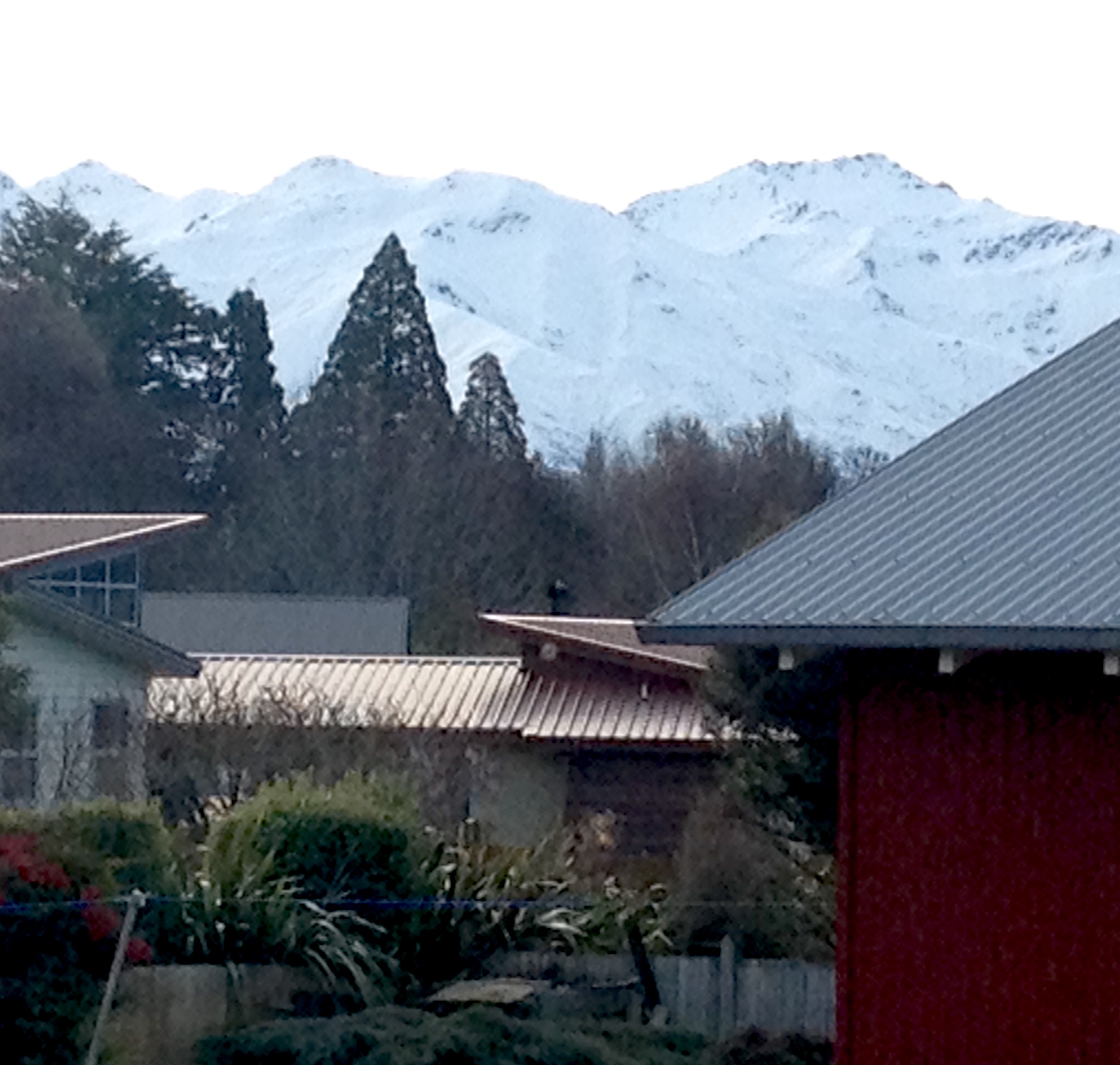
Looking out the window of my bedroom at Gill’s Airbnb. Slightly suburban Wanaka.
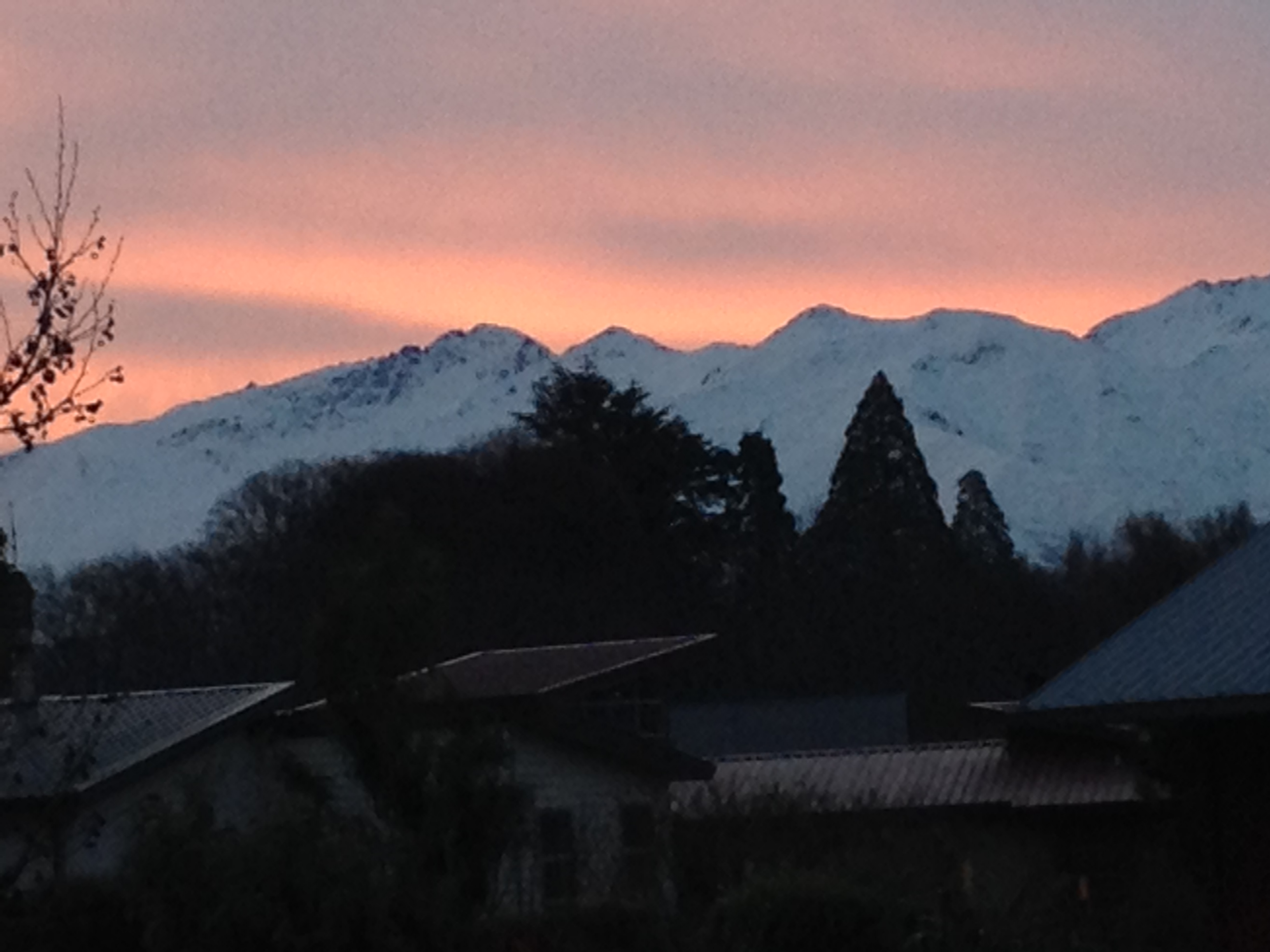
A little Alpenglow to remind you where you are.
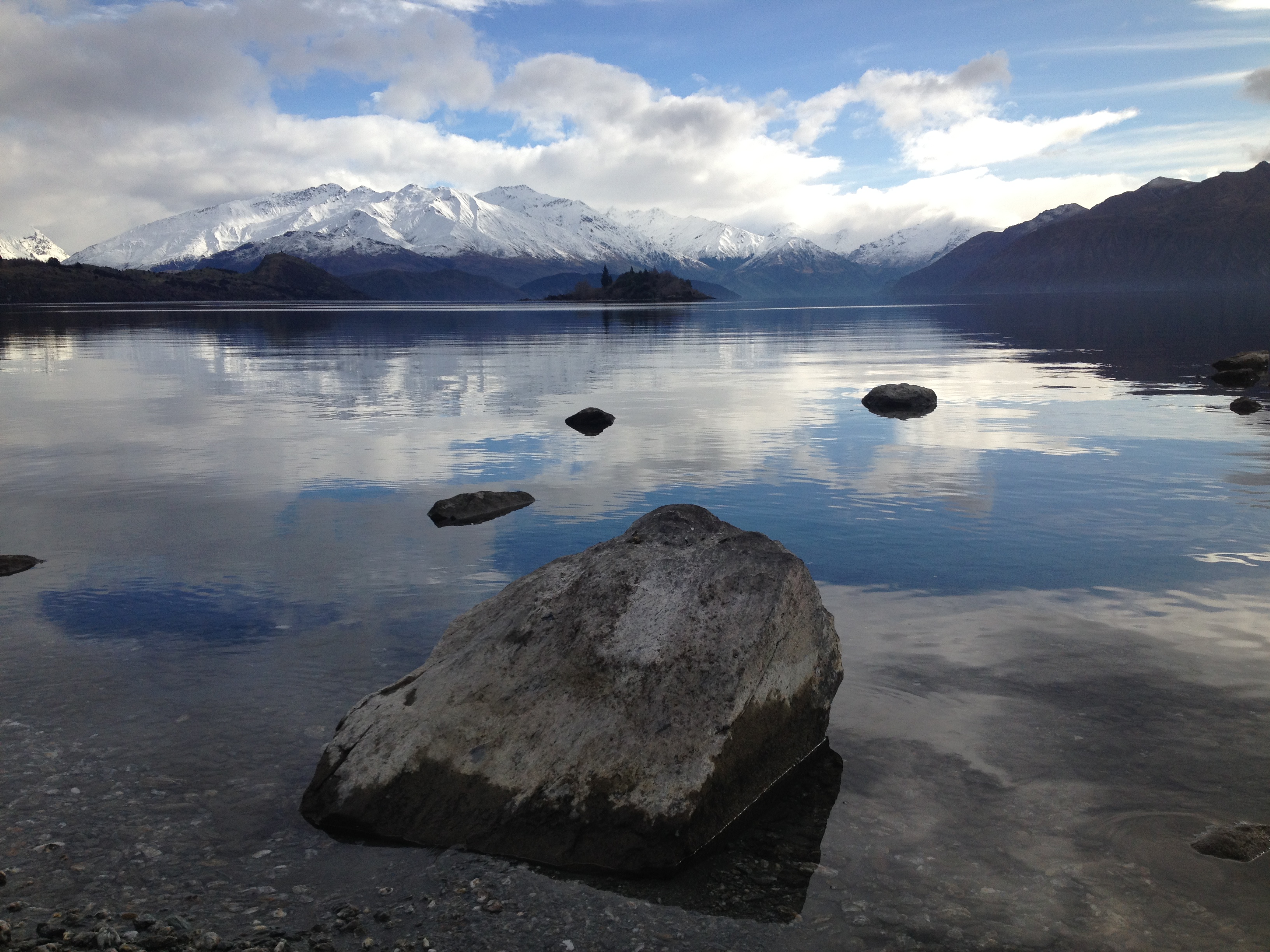
Arrived on a weekend and took time to walk each day around Lake Wanaka. (Skiing on weekends is something you can avoid if you are retired.)
[Rather than bore you with all my lake and mountain photos, I’m just going to stick them at the end– so if you are tired, you can leave off….]
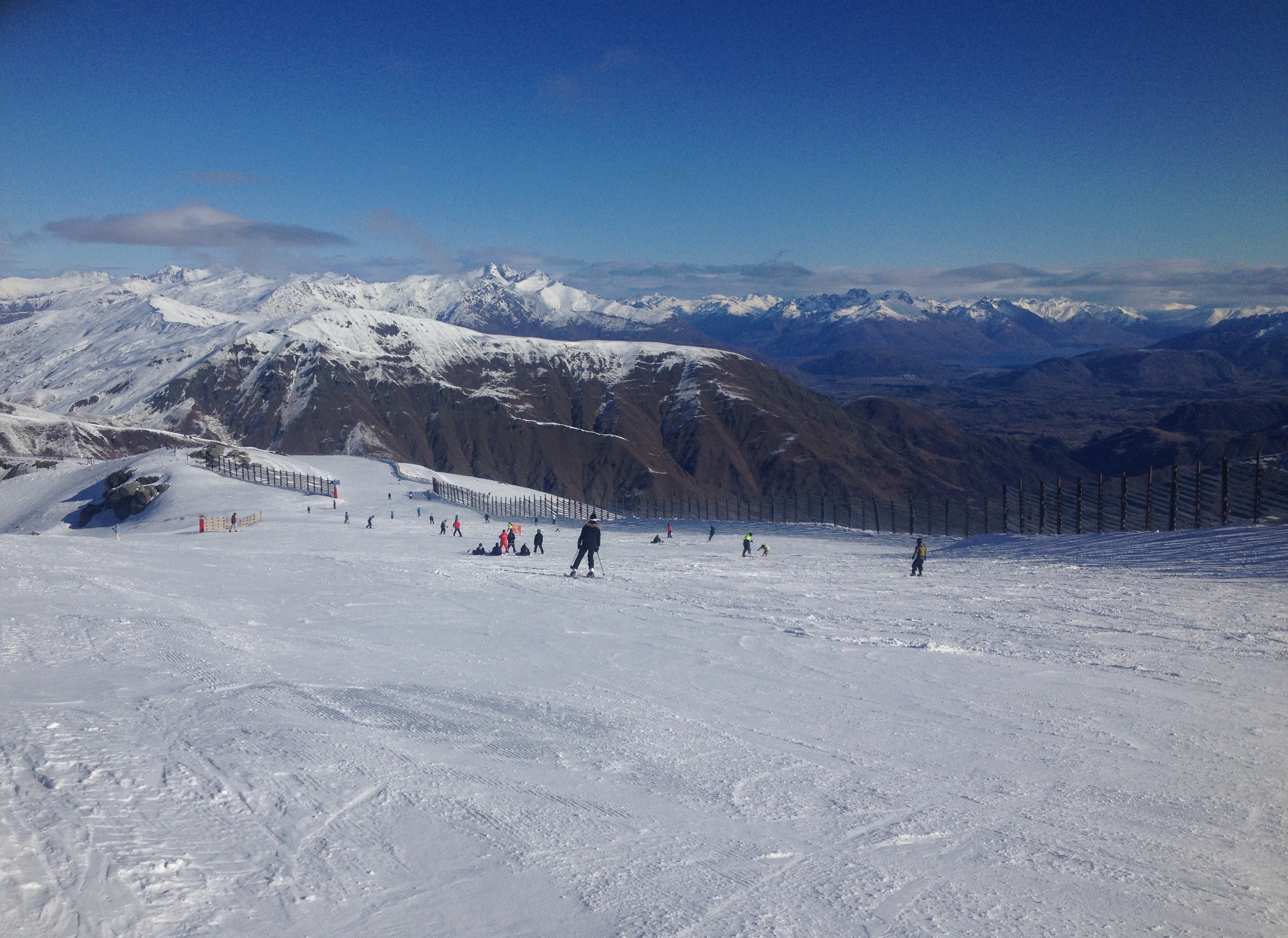
Up to Cardrona (or Cardies as it is known locally) for a warm-up day.
This is looking toward Queenstown and Lake Wakatipu in the distance.
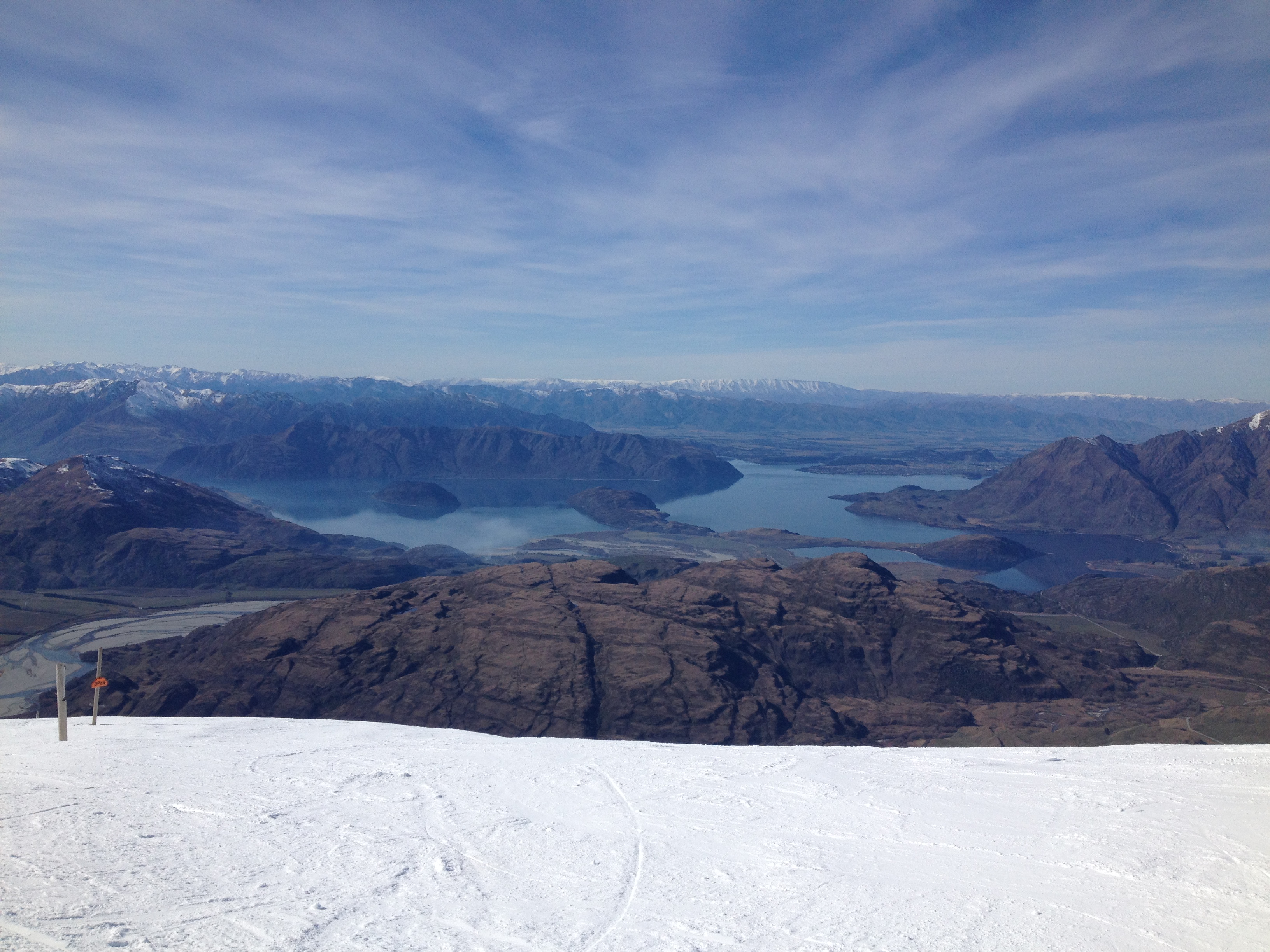
Then up to Treble Cone (or TC) which has the some of the great views and much more challenging skiing.
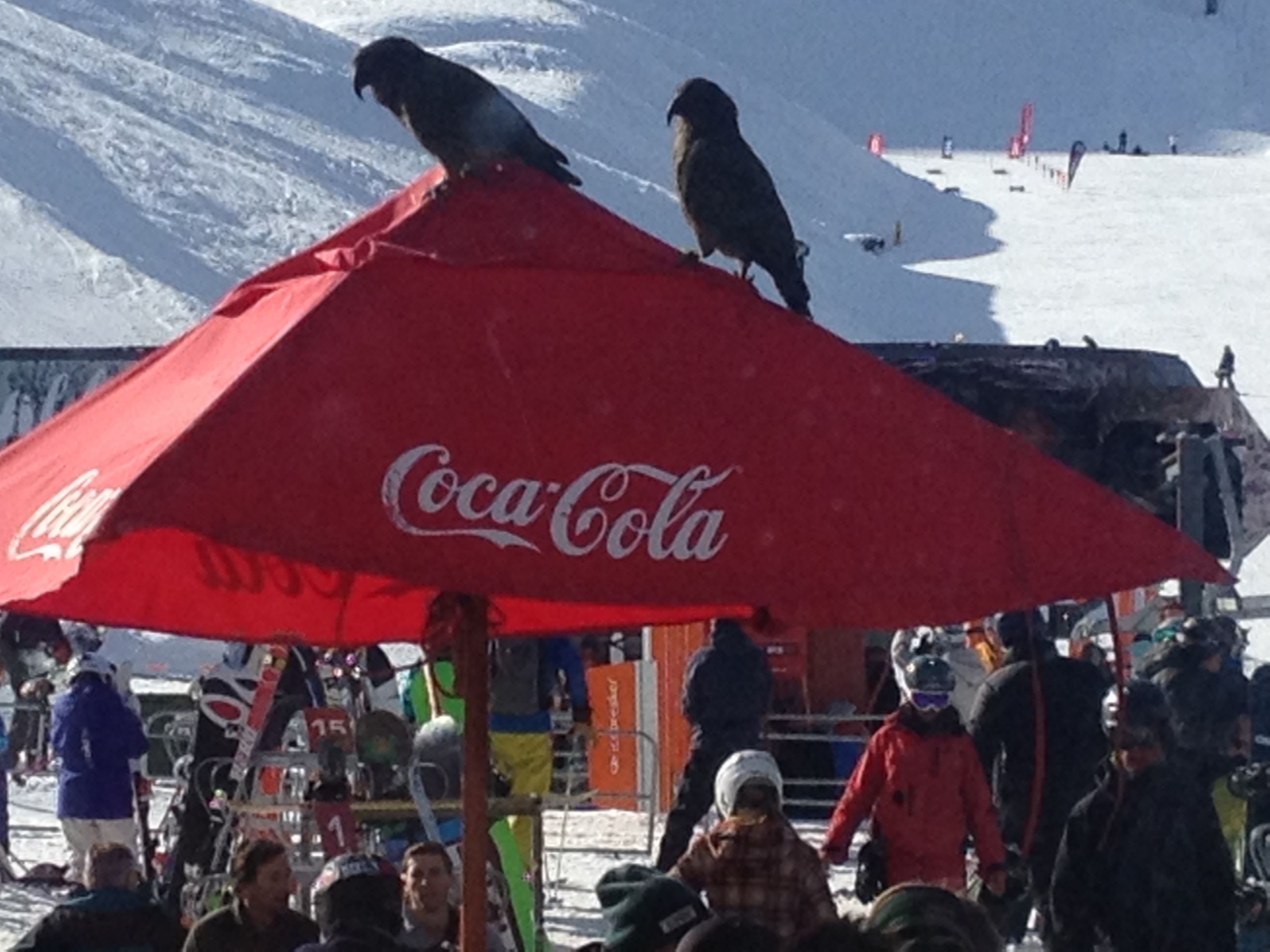
TC also has alpine parrots, the Keas. They are large, entertaining and, sadly, endangered, but recovering in numbers since my last trip.
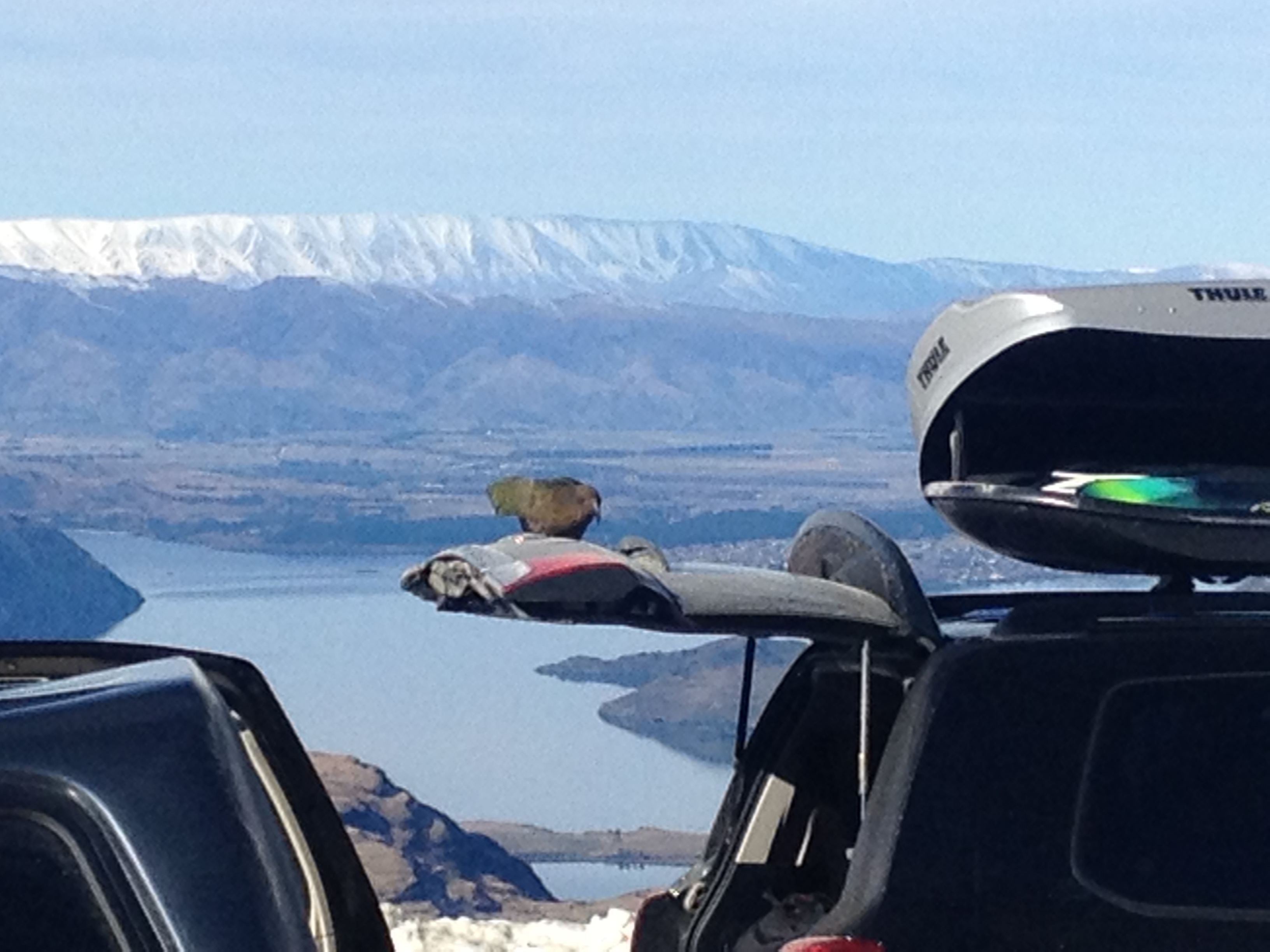
A kea inspecting the gear.
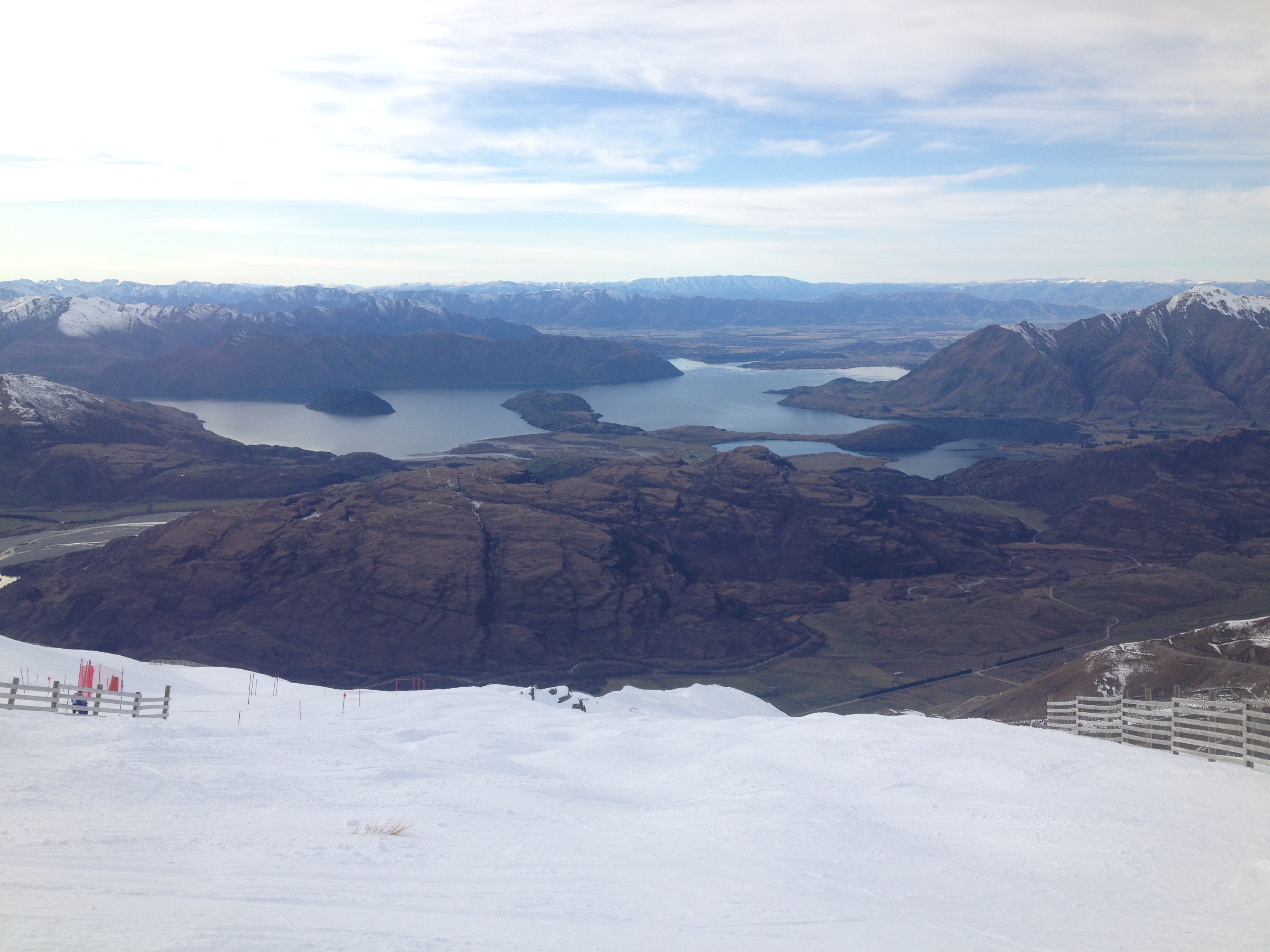
Another view of Lake Wanaka from TC.
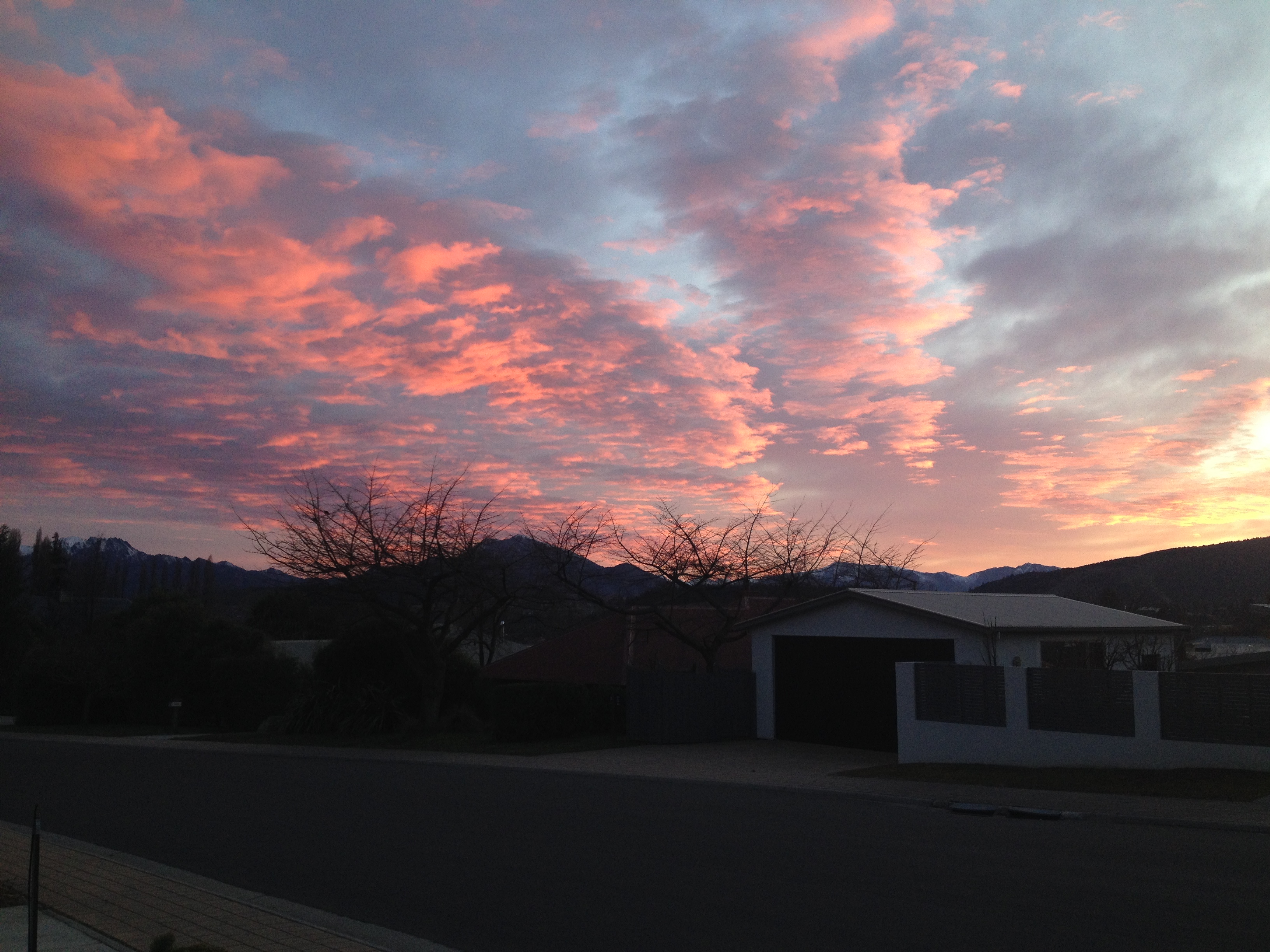
Sunrise on my last day of skiing for this trip. Off to Queenstown and Doubtful Sound.
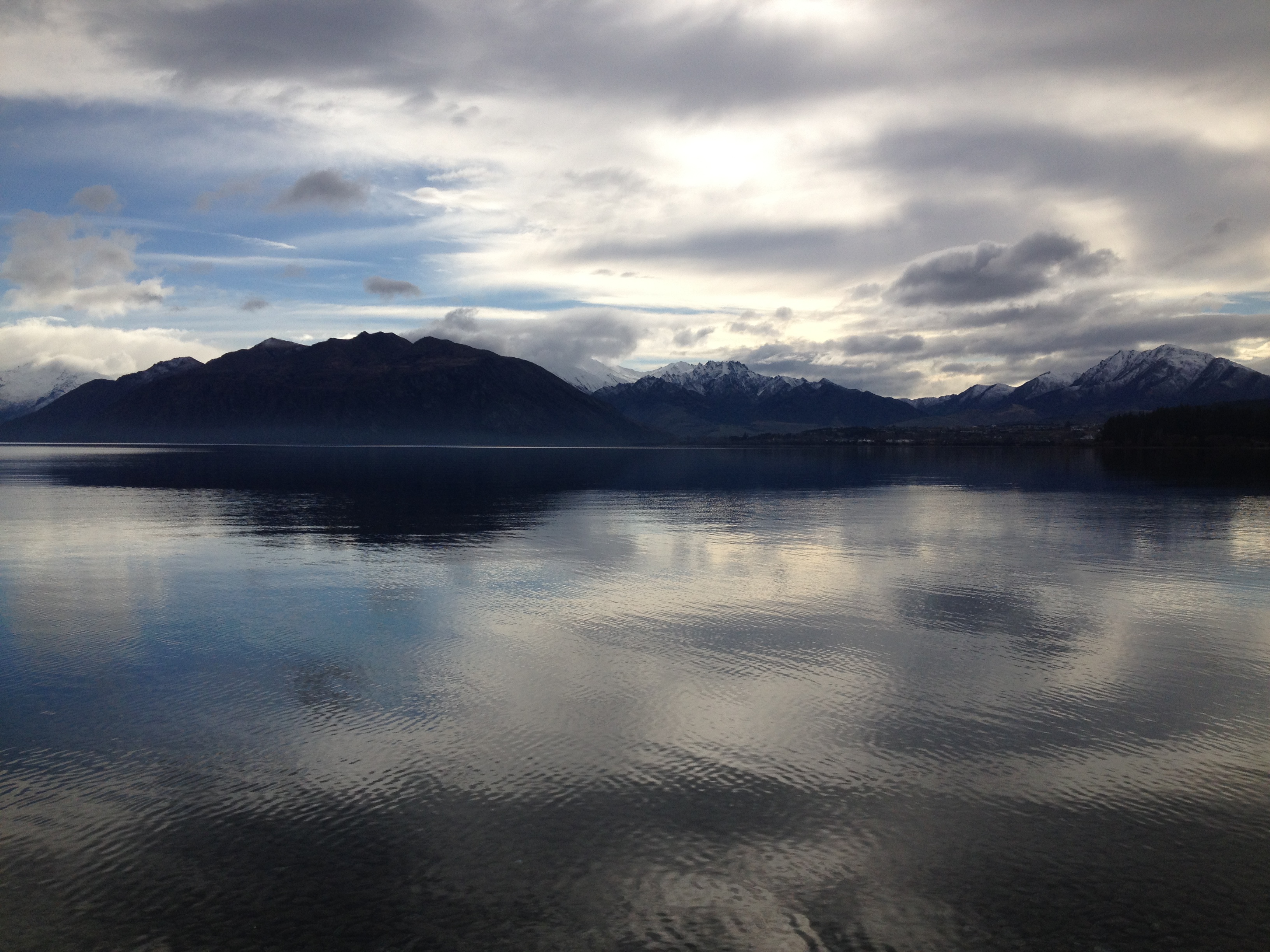 xxxx
xxxx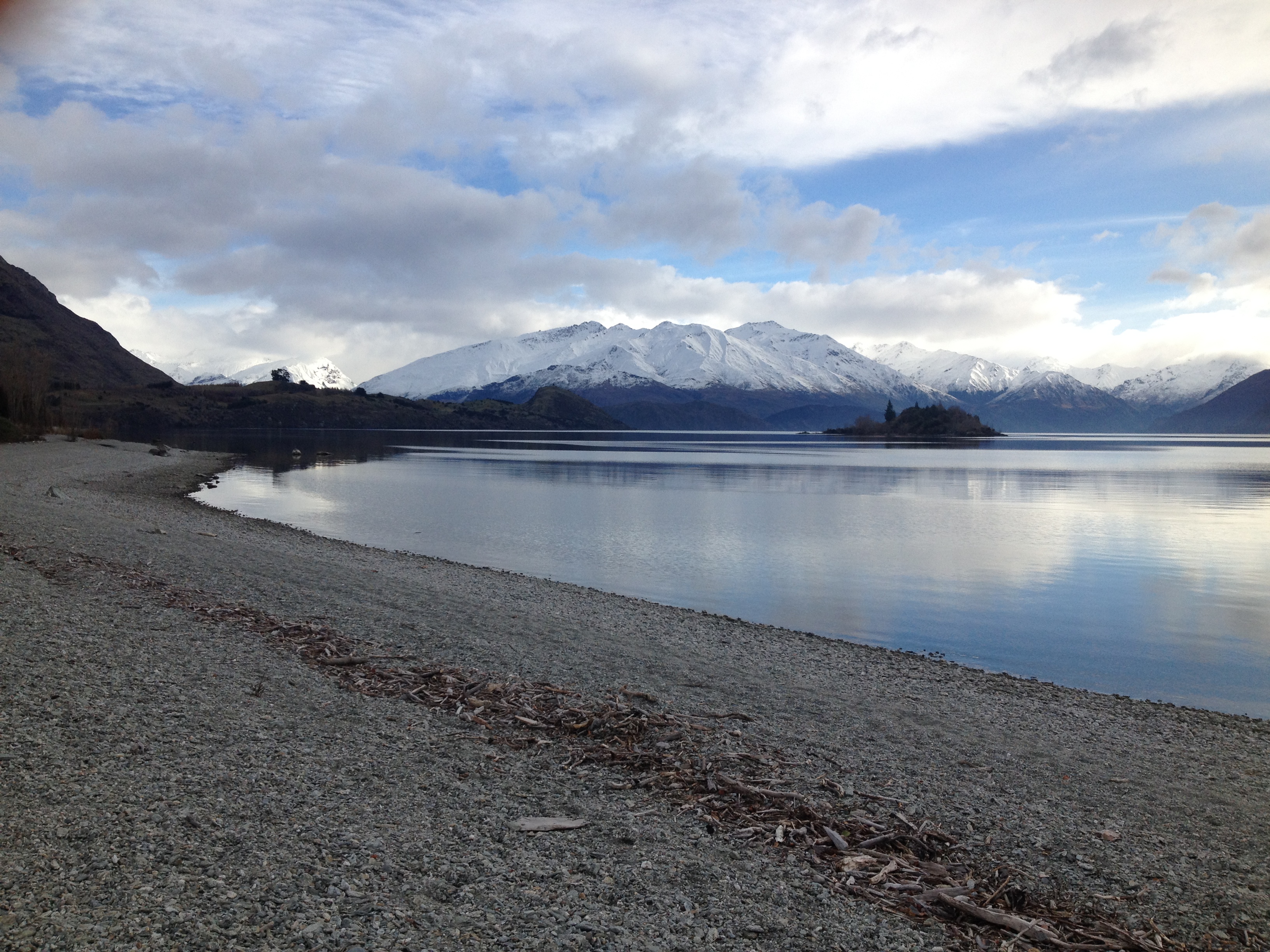 xxxx
xxxx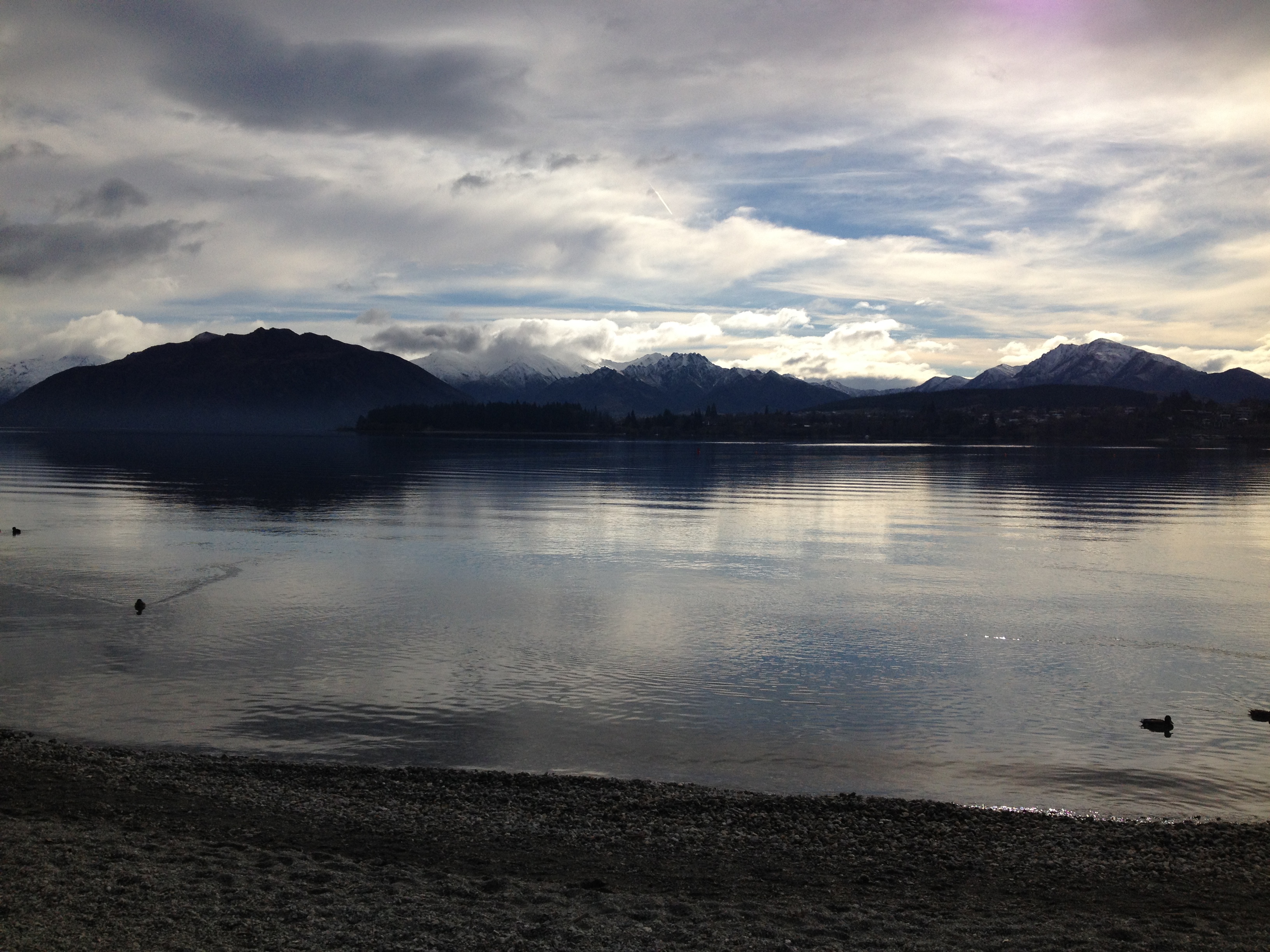
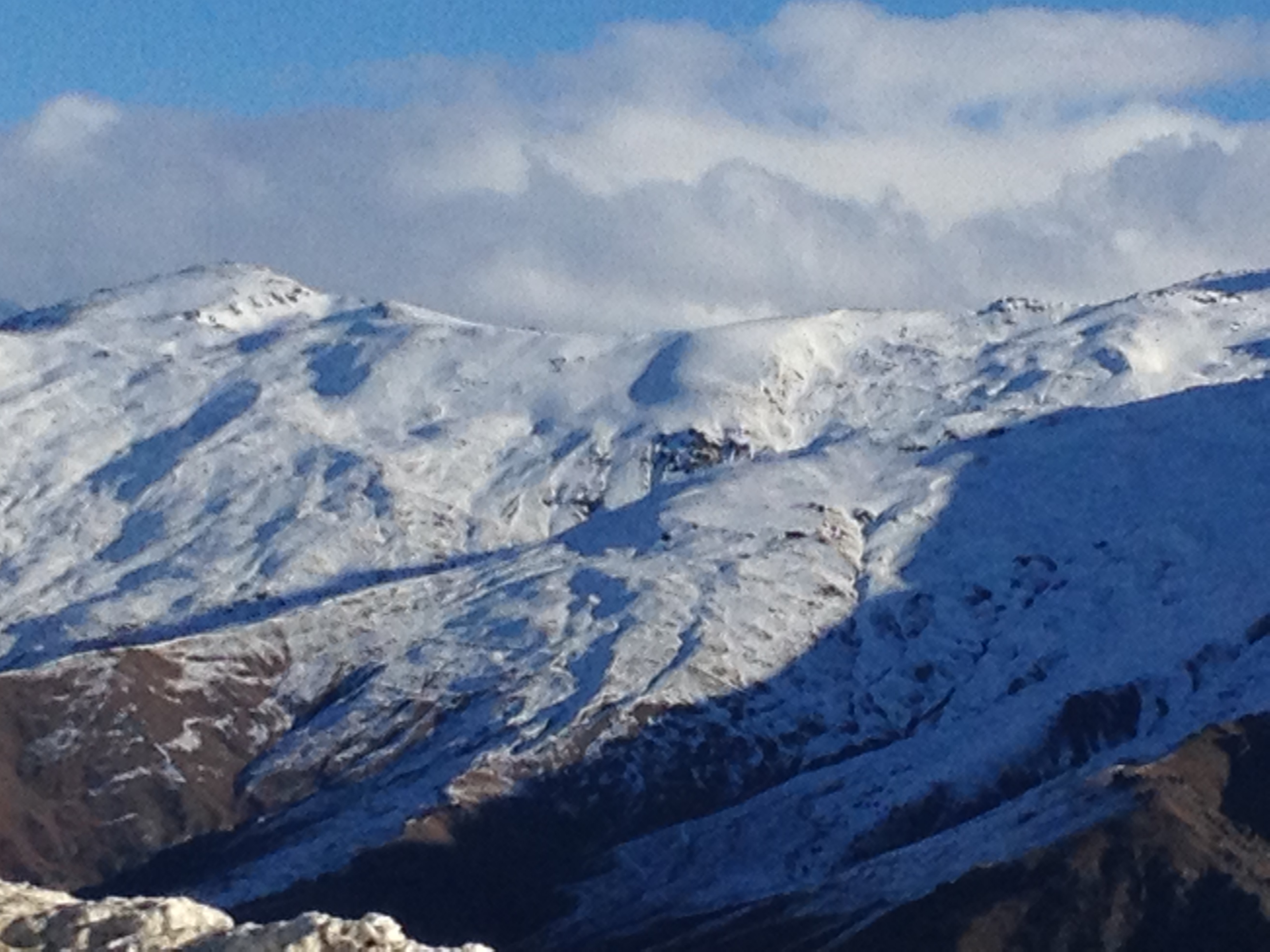
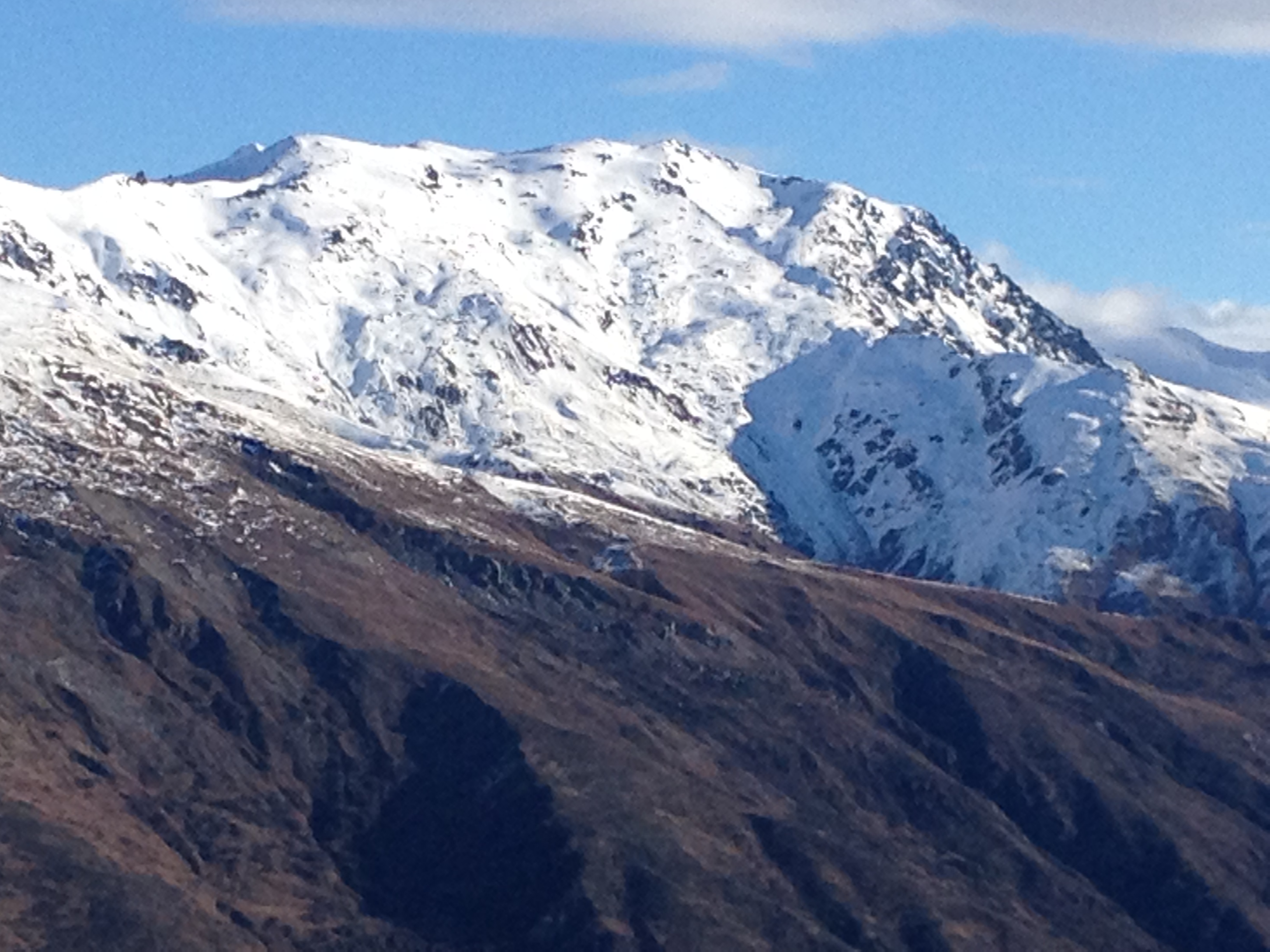
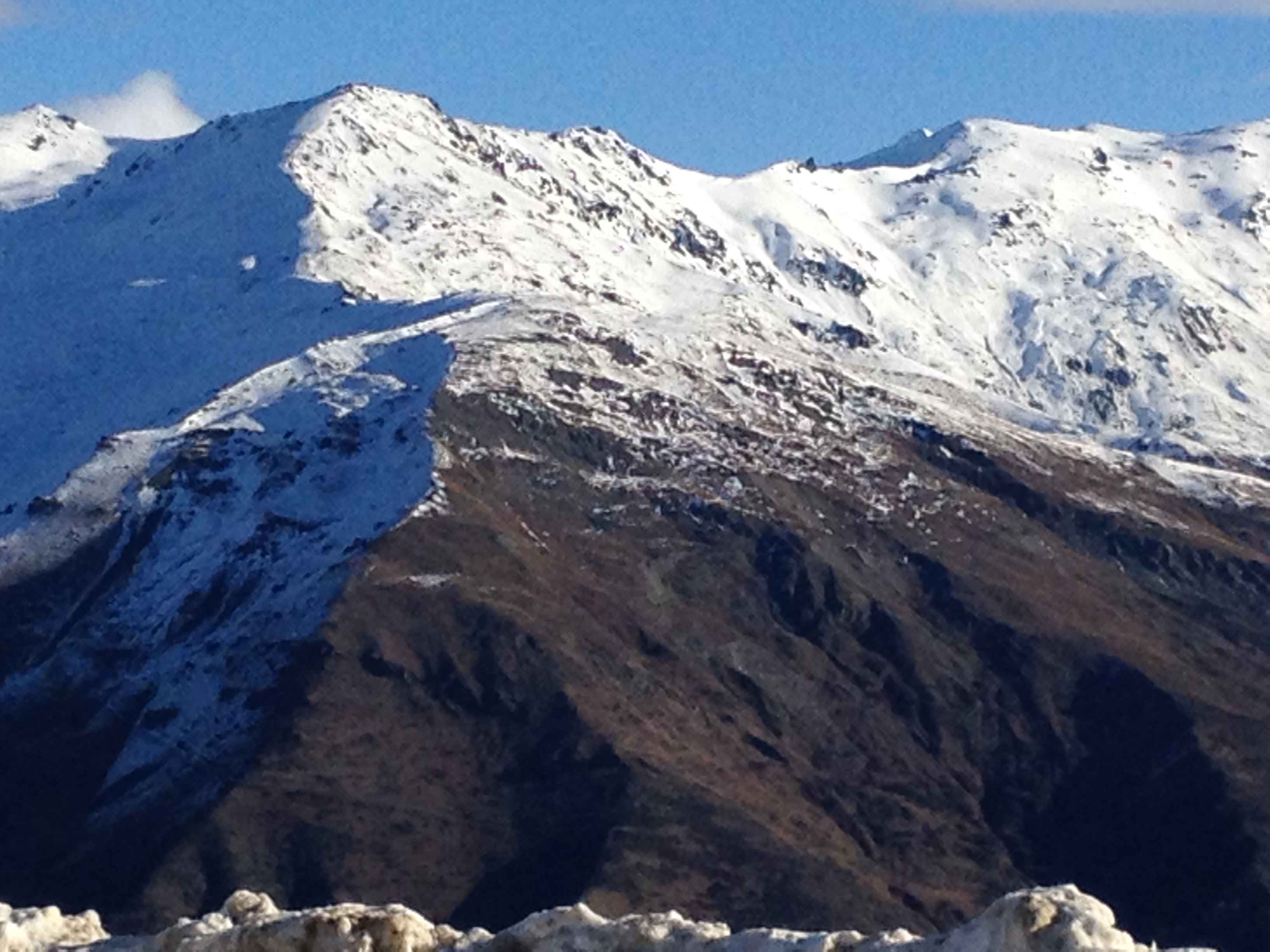
From the top of the Crown Range
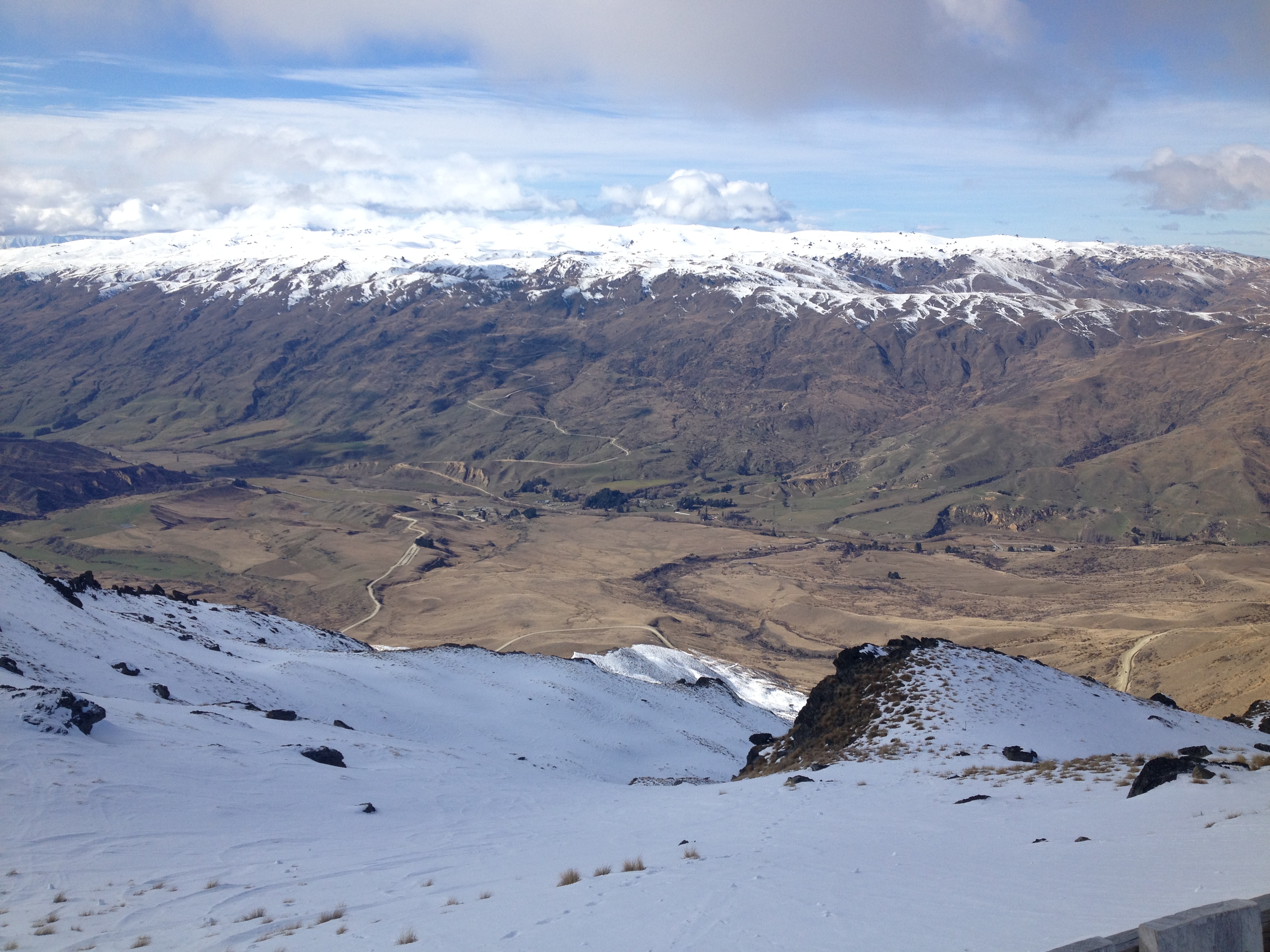
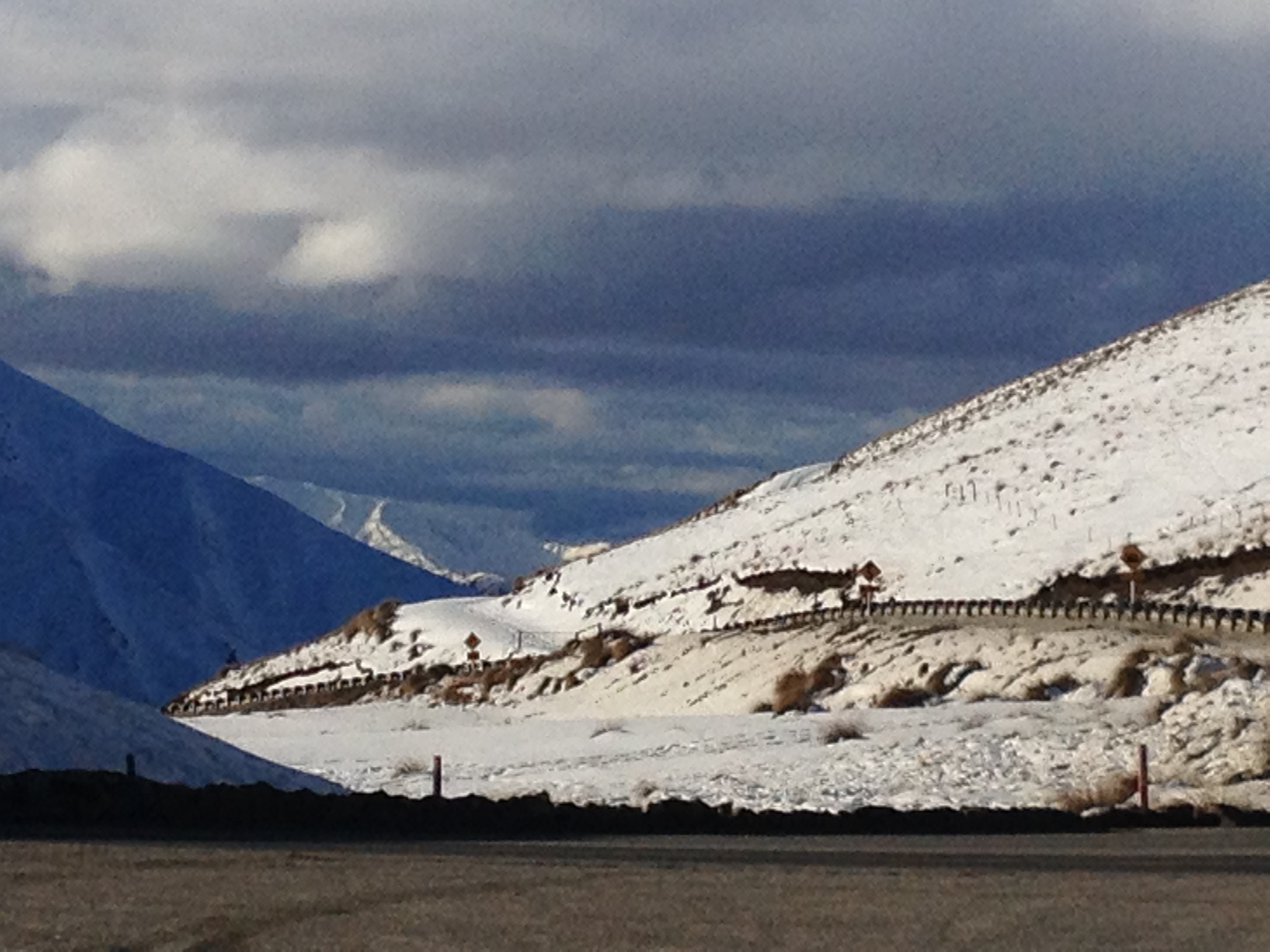
From Cardrona looking toward The Snow Farm (the twisty road you see is the road to The Snow Farm
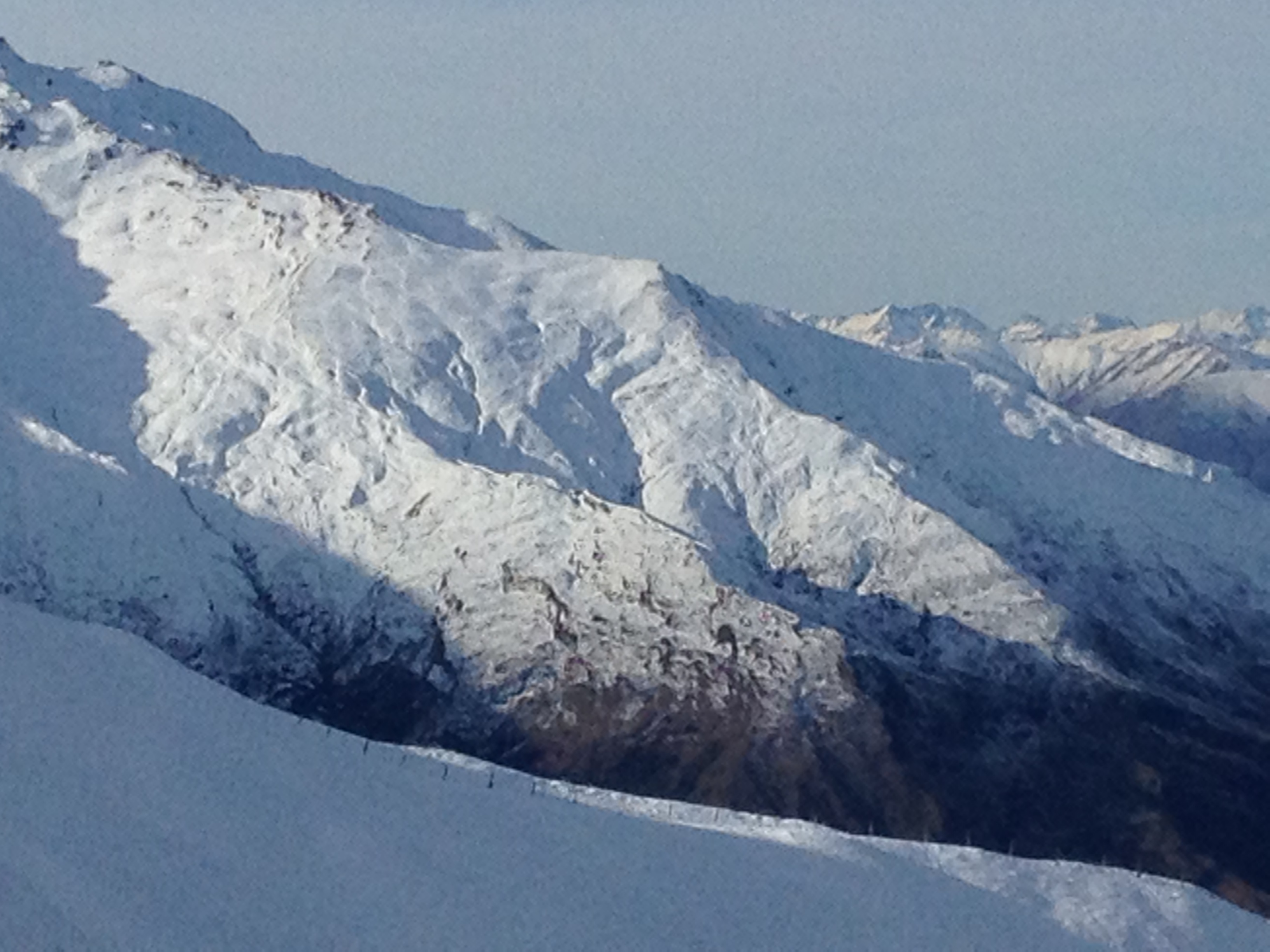
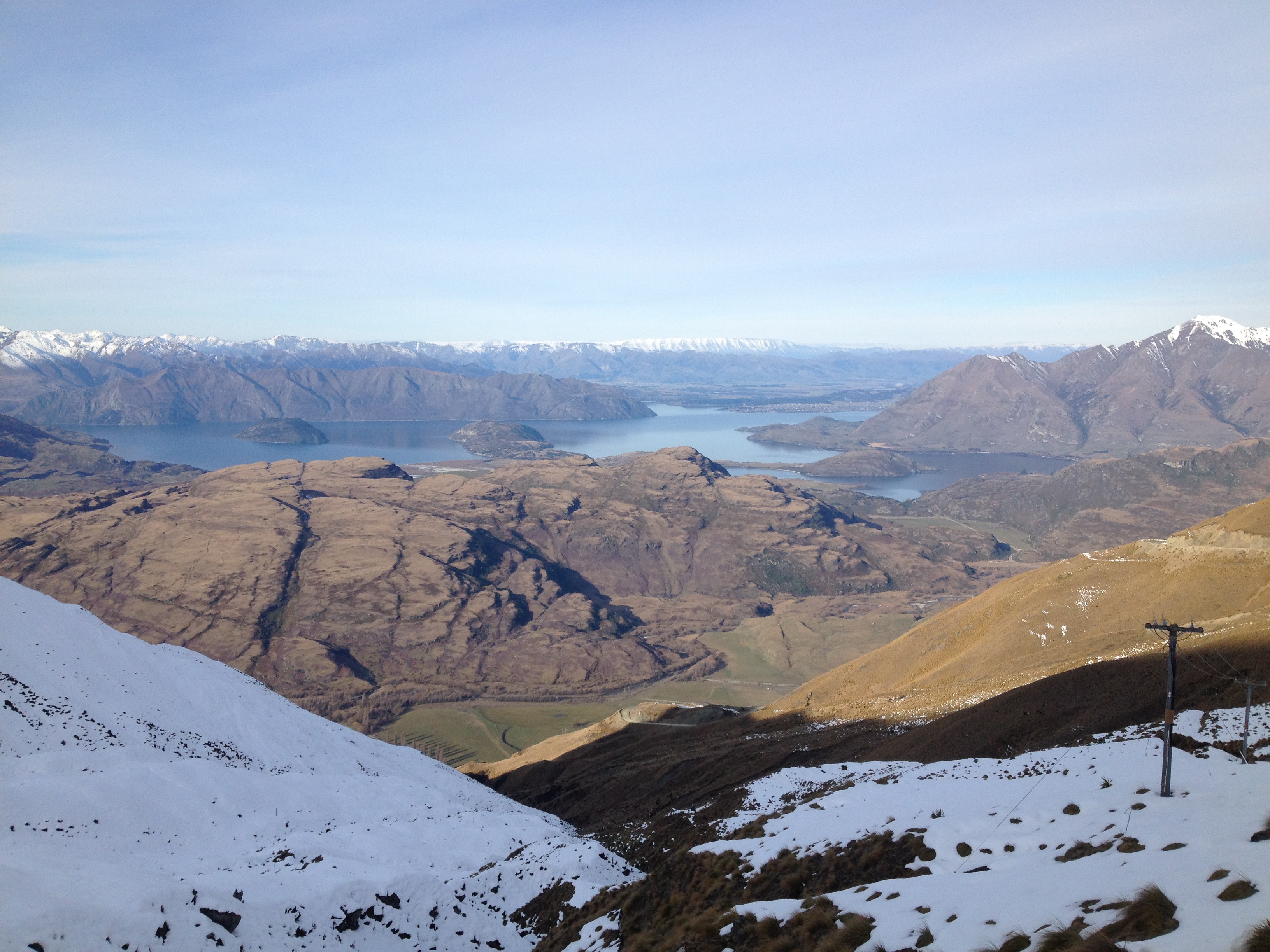
Love you Wanaka,
Bye, bye for now…..
And off to
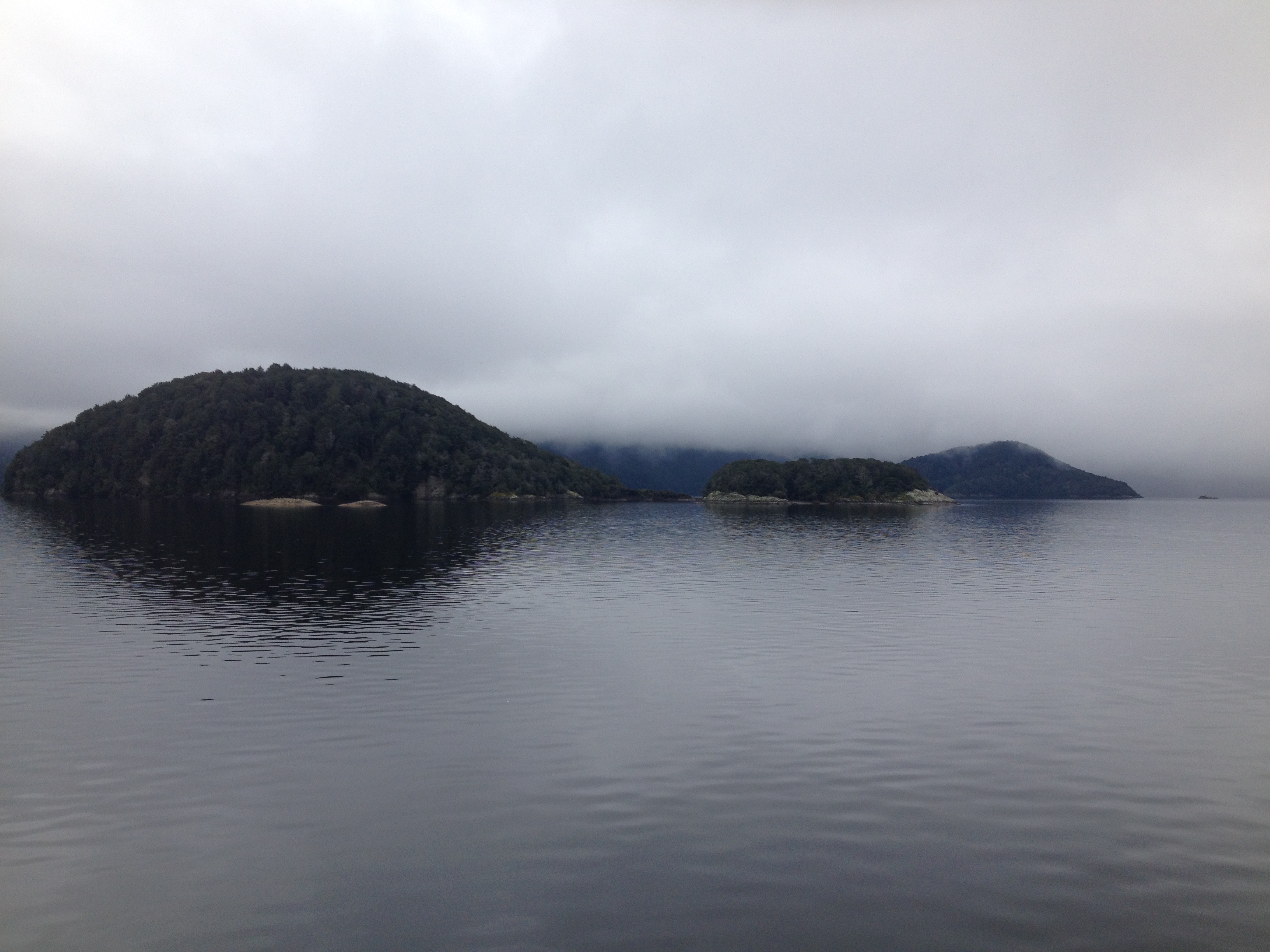
It was foggy and overcast when we started out across Lake Manapouri.
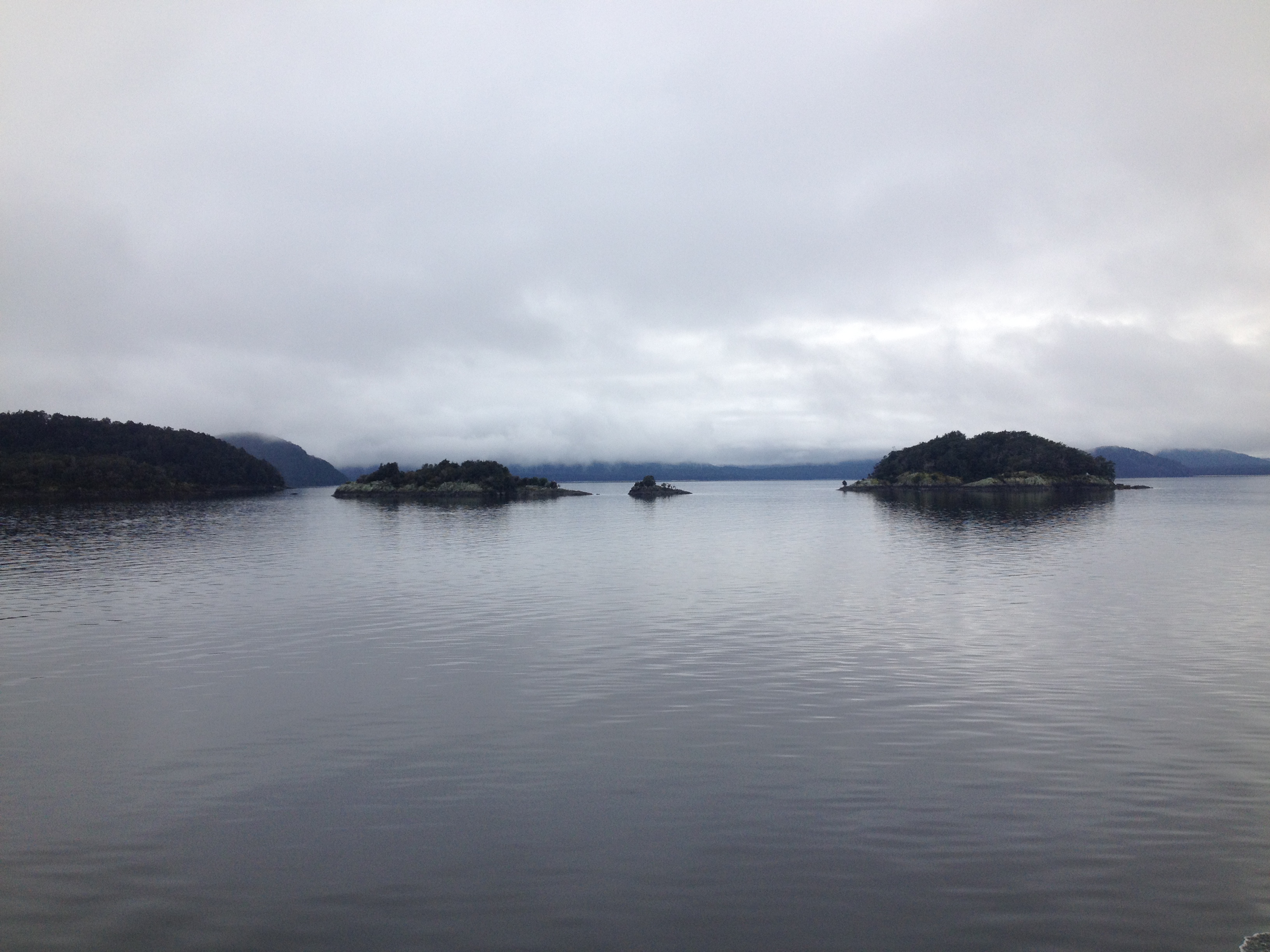
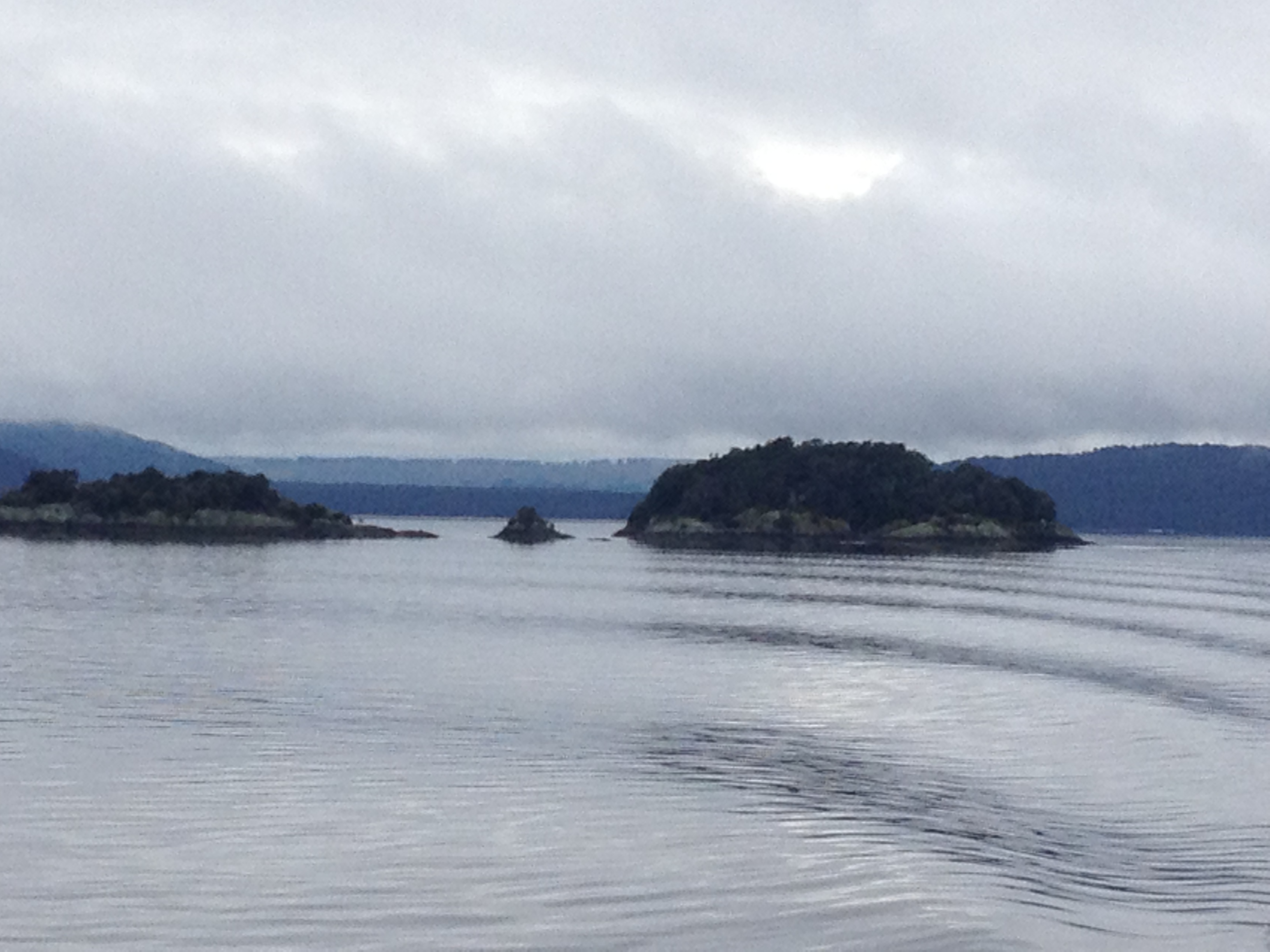
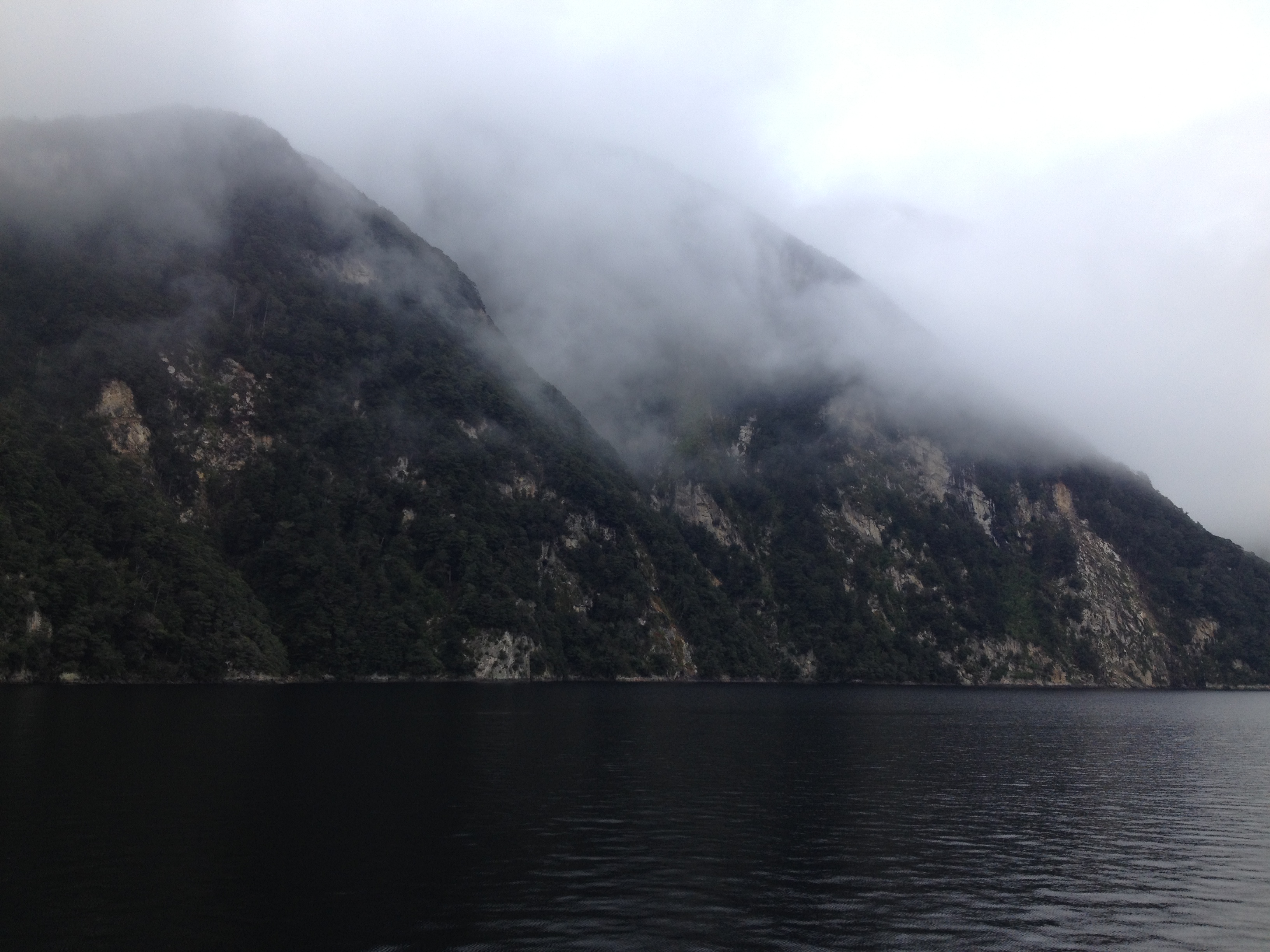
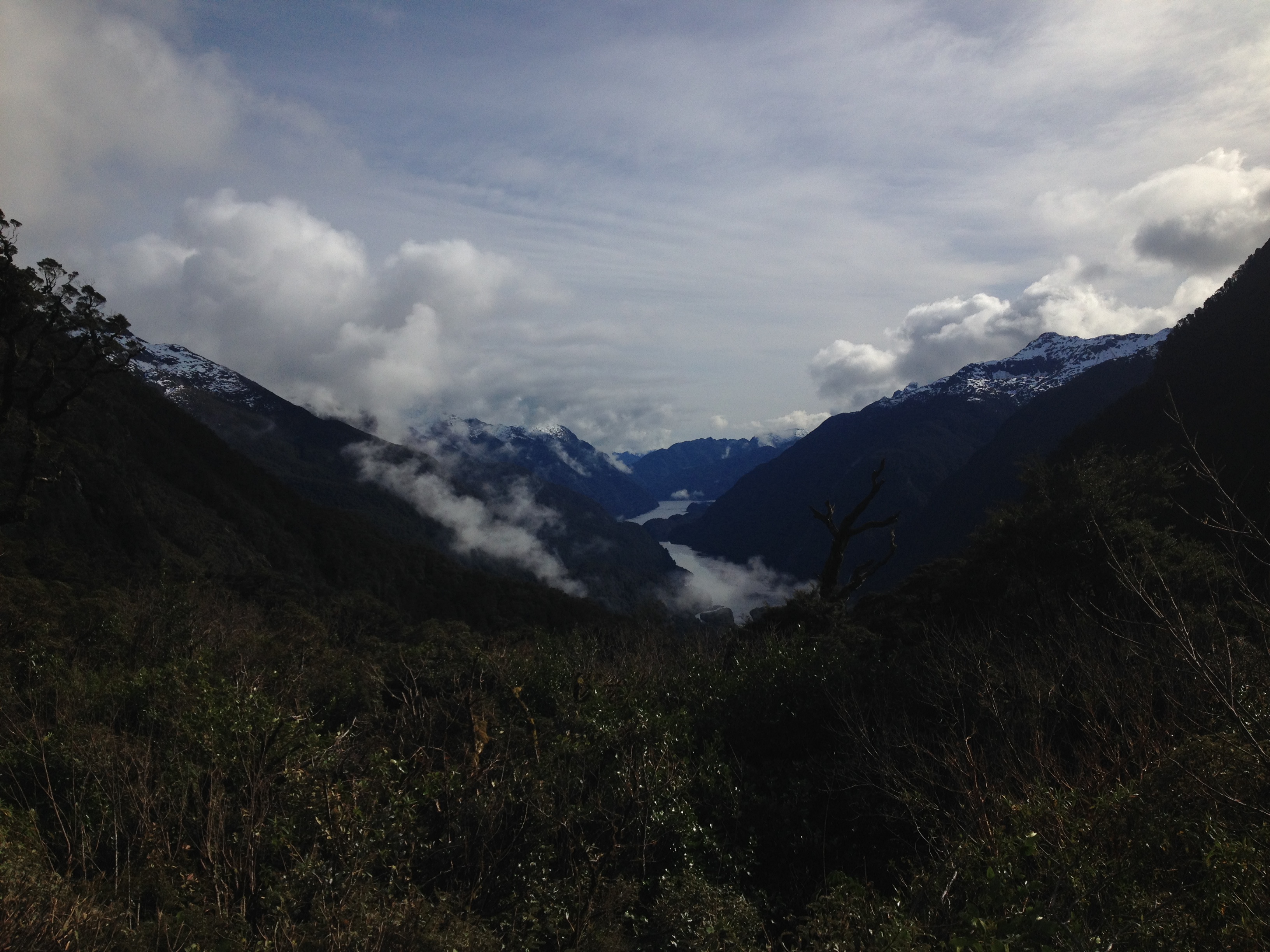
Then over the mountains to the fjords.
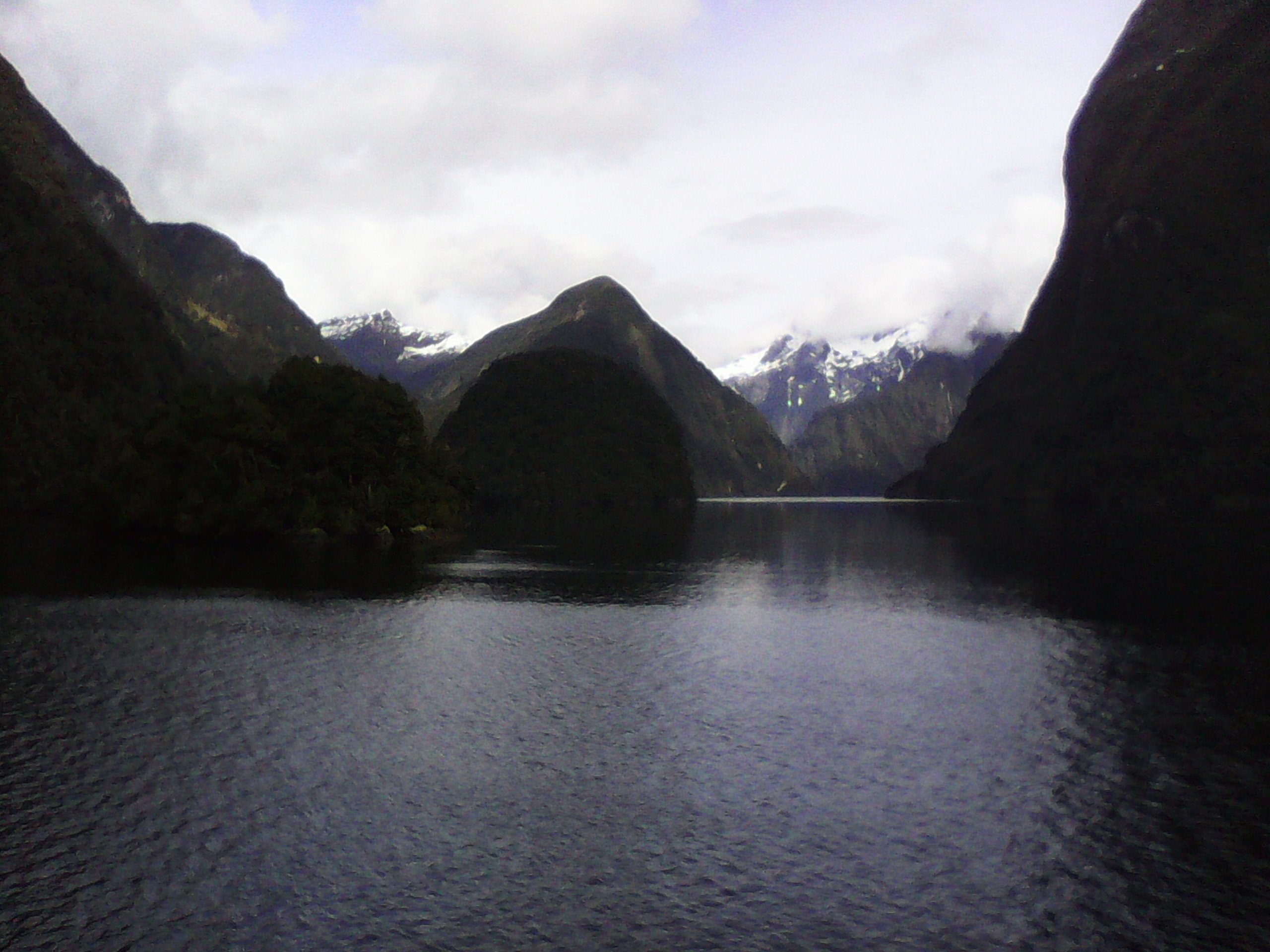
And Doubtful Sound / Patea itself…
This film gets my highest recommendation, so go see it.
With that said, you may not want to read further. If you haven’t seen it yet, some of the things I am going to discuss will fall into the “spoiler” category.
One question that this film brought to mind has to do with the color barriers in Apartheid dominated South Africa. It’s clear from the film that Rodriguez’ fans were mainly white South Africans and that Rodriguez’ political influence was on them. So what I am curious about is what would have been Rodriguez “color” status in Apartheid South Africa? Would he have been considered “white” or “colored?” Could Rodriguez have performed in concert in South Africa in the 1970s? Was part of Rodriguez enigma and attraction to white South Africans (Afrikaners included) the fact that he was what some Americans nowadays call a “person of color?”
Innumerable questions come to mind about the corruption of the music business, then and now. Who got the money from Rodriguez’ albums significant sales in South Africa is never answered. Who is getting the bucks from the current CD sales is never examined, though things seem to be pointing back to Sony, who at least seems to be one of the backers of this film. We do learn the Rodriguez got the money from his South African concerts and chose to give much of it away.
But, the heaviest artistic question that this film raises is about the quality of Rodriguez’ lyric writing (and possibly his performing), and which leads to why his music never had much success in the States. It seems this last question may be perhaps ascribed to poor promotion and poor conjunctions of events, but we’ll probably never know for sure.
I personally think his singing style was a little too reminiscent of the early Bob Dylan, and Dylan and Rodriguez may have been in too close proximity for Rodriguez to compete effectively. (I should say that I am not a great fan of Dylan’s lyrics, feeling that they are generally much too abstruse.) Maybe a better comparison in terms of the songs themselves is to Leonard Cohen’s first two albums, released a couple of years earlier. Of course, forty years of covers make Cohen’s songs echo in our consciousness, (think Bird on a Wire) but Rodriguez’ songs like I Wonder, are certainly up there with the best songs of this era. And we’ll never know what forty years of obscurity have cost us. Thank goodness, at least, for the South Africans and their tenacious devotion to a singer-songwriter who spoke to their hearts. So, although this is a film of great joy, it is also one of great sadness– of, dare I suggest, the “invisible hand” of the marketplace gone completely haywire.
This talk was delivered to a group celebrating “Women in Photography” in 1986.
Historically, for a woman to choose to be an artist has meant choosing a male role. The popular cultural myths about artists involve men. Many of these myths come from the Nineteenth century, more specifically from the Romantic Movement, which, among other things, cultivated tie idea of the artist/poet as a super-sensitive visionary, in touch with realities above and beyond those accessible to most of us. These ideas are still with us.
To be an artist, according to the traditional male model, one has to be alone a lot, to think, to listen to one’s muse, to actually create the art. One doesn’t, in general, devote much time to cooking, cleaning house, washing clothes. The commitments of parenthood, if the artist chooses them, traditionally don’t require much time, though the emotional commitment may be deep.
This was a fairly viable, even attractive model. The individual artist has a lot of freedom to pursue these presumably higher goals. A social system of servants and women is, of course, essential. Nowadays, such a system is harder and harder to create. Nonetheless, one only has to read reports on the lifestyle of someone like well-known American artist Julian Schnabel to realize that the myth and a contemporary version of its reality goes on.
Artists who support themselves entirely by the sale of their artworks are a small percentage of the artistic community. Most artists, and especially those practicing photography, earn the money to support their basic needs by working at other jobs.
In fact, the situation of artist photographers is particularly dismal in relation to selling their work. Over a hundred years of debate about whether photography was or should or could be or may be or is or ought to be an artistic practice has left its indelible mark. Photography has only recently become acceptable as an art investment commodity. Few photographers sell prints consistently and at prices worthy of the work. Photography is still the bargain basement of the art marketplace. (Ironically, the few people close to supporting themselves by the sale of their work are not photographers who make “art,” but rather, artists who make “photographs”…)
As a consequence of this, photography has been more dependent upon the academy for its survival than other media. Indeed, if college and university art departments had not introduced and expanded photography programs during the 1960s, 1970s, and 1980s, photographic art such as we have seen today would not exist. It has been photographic artists who earn their incomes by teaching who are the nucleus of the recent photographic explosion.
This leads me to a central premise about the position of artists in our society, a premise which is magnified for photographers, but which applies to all artists in greater or lesser degree. To be an artist you are expected to work twice as hard as everyone else, and feel grateful for half as much income as everyone else. You have to work to support yourself, and you have to work at your art. Artwork occupies a place in our culture similar to housework: it is unpaid, unattributed, and yet everyone expects someone to do it and do it well.
So the artist accepts that support from government and state agencies will be intermittent at best and non-existent at worst. For most of us, the reality, year in and year out, is artwork sandwiched between and around other jobs. But this situation is survivable, even rewarding, particularly if you are partners with someone who has similar goals and commitments, or who at least supports your own. Where things begin to get difficult is when artists chose to become parents. This discussion has been gender neutral so far-- when I approach the triple obligations to parenting, to artwork, and to livelihood, I see this as a model that men must be encouraged to emulate, but I see it also as ground broken by women.
Women seem to be more concerned with parenting than men. Whether this ought to be is open to speculation, but that it has been the case historically is a fact. And this fact led me to the triple configuration that became the title of this presentation. It seems bad luck that two of the three elements in this triangle are held in low esteem by our culture. Government support of, the arts is inconsistent during “good” economic times and viewed as a dispensable luxury during “bad” economic times. Government support for parenting comes and goes in the token forms of tax deductions and credits and child care deductions. Since artists frequently have small incomes, they often cannot even exploit the existing deductions. But, is this bad luck, or a particularly strong cultural message to us that women are not supposed to be artists?
Women (and men) who choose to be parents and to participate fully in parenting are free to make artworks only insofar as they have support in the areas of livelihood and parenting. When the pressure is on, it is often the artwork that is sacrificed, sometimes for years. This situation would be alien to the nineteenth-century male artist, and even to most male artists today. It is hard for people who don’t have children, and particularly for artists who don’t have children, to understand how a commitment to a small human being could compete with and overshadow’ a commitment to one’s artistic endeavor.
For me, it was easier to be an artist before I had children, but my children have been more important to me than any art I have made and perhaps will make. On the other hand, I still choose to make art because there is a part of me separate from my children, a part of me which will continue to grow and create after my children no longer need me.
I didn’t know all of this when I started making the artwork I will show you today. I knew that I was dissatisfied with the conventional silver photographic print. I knew that the portraits I had been taking of other parents and their children were pushing me toward exploring material from my own family. I knew that hand coloring old photographs gave them qualities I found both poignant and amusing, but I also knew that viewers were easily charmed by the nostalgia of 1950s cars and hairstyles. So I added writing– at first captions, then longer narratives, to point the viewer away from the surface of the image, to another reality that connected with it.
In about 1974, I began copying and enlarging old photos, hand coloring them, then placing them on large sheets of paper, often with photo corners, then writing on the paper. Finally, I sandwiched the large pages between sheets of plexiglass, bolted them together and hung them.
One of my goals has been to make work which will encourage women to question their social reality, and to make connections between social, economic, and political realities. While each piece deals with the specifics of a particular place and time, I am always seeking to explore the relationship between the historical moment and the political present.
In the 1940s, there were a few women’s names (besides those of movie stars and singers and Eleanor Roosevelt) well-known to the general public: Sonja Henie, Babe Didrikson Zaharias, and Margaret Bourke-White. While Sonja twirled on ice, and the “Babe” smashed tennis and golf balls, Margaret Bourke-White hung out of airplanes with a camera in her hands. That kind of life, like the open cockpit airplane and the Speed Graphic, is now an artifact of American culture, but parts of the myth are still with us.
Vicki Goldberg, in Margaret Bourke-White, A Biography, did not set out to write cultural or photographic criticism, and that was probably a wise choice. The facts and fantasies of Bourke-White’s life provide Ms. Goldberg with more than enough material for this one volume. Biographers inevitably face questions of selection, and with Bourke-White as subject these problems are enormous. The gossip and rumors about Bourke-White were and are as numerous as the reports that exist in print and manuscript. All these sources, plus Bourke-While’s many contemporaries who are still alive and very talkative, no doubt made Goldberg’s task most complex.
The book straddles two biographical worlds: the mass market world of such books as Sara Davidson’s Rock Hudson, and academic biographies like Arthur and Barbara Gelb’s O’Neill or Leon Edel’s work on Henry James. While Margaret Bourke-White contains too much scholarship and detail to make it a supermarket check-out rack favorite, the intended audience is clearly a general rather than an academic one. Whether this decision was Goldberg’s or her publisher’s is not clear, but her presentation of serious scholarship in a popular format and style is often disconcerting.
Goldberg presents her materials in a narrative format. She works at making Bourke-White’s story interesting, which is odd since Margaret BourkeWhite was already a most interesting person. Goldberg holds back bits of information and reveals them later as surprises. For example, following several chapters on Bourke-White’s rise to fame and, presumably, fortune, Goldberg tells us that she was broke. The author also avoids the frequent use of dates (several times I found myself trying to figure out when something happened). The book deserves a detailed chronology and, given the complexities of BourkeWhite’s life, this is a serious omission.
In a biography one searches for reasons and explanations, but the complexities of Margaret Bourke-White’s personality are not easily solved. She was regarded by many people as an unpleasant person: arrogant, self-centered and careerist. Goldberg hypothesizes that her unconventional and idiosyncratic upbringing left her deficient in the everyday social graces. Kindness and generosity were not normal responses for her. As an adult, Bourke-White consciously taught herself to be charming and kind, if the situation demanded. Colleagues complained of the disjunction between her demanding perfectionism during the working day and her ability to tum on the charm at night.
Much of this is explained by her upbringing. Joseph White, her father, was an inventor in the printing industry, obsessed with his work. Both parents were dedicated to a life of reason and self-improvement. As a child, Margaret was expected to achieve. Goldberg tells of the very young Margaret being trained to overcome her fear of the dark. Her mother initiated an after-dark game in which she and the child would run around the outside of the house in different directions to finally meet each other. The first night her mother ran quickly around three sides of the house, meeting the tiny Margaret after she had haltingly completed only one side. Each night Margaret’s distance was lengthened until, eventually, she was happy to play outside alone after dark and, later, to remain in the house with her slightly older sister after bedtime while her parents took evening walks. Margaret’s parents felt this regimen taught independence and fearlessness, and Goldberg suggests it accounts for Bourke-White’s love of solitude and her courage. But most psychological thinking today would say such “training” is bound to leave scars. Indeed, Bourke-White’s many years in and out of analysis suggest that her upbringing of rigorous perfectionism had its negative as well as positive effects.
While few of us pass through our teens and twenties with grace and wisdom, this period was especially hard for Bourke-White. She was more awkward than the typical adolescent, and attempted to make friends with attention-getting performances such as wearing pet snakes around her neck.
Her father died while she was in college, and she married early. After two miserable years, she separated from her husband, finished college, and began her photographic career. Goldberg sees this failed early marriage as central to Margaret BourkeWhite’s need to achieve personal success and her reluctance to make longstanding personal commitments to men. But while this marriage no doubt shook Bourke-White’s self-confidence deeply, my own feeling is that her relationship to her father and mother, her unusual upbringing, and her status as a middle child are probably more accountable for these deep-seated needs.
During her early years as a professional photographer in Cleveland, Margaret Bourke-White was not yet the worldly adult we associate with the image she (and Fortune and Life magazine) had created by the mid-1930s and ’40s. She dressed for work in color coordinated suits, hats, high heels, gloves and photographic dark-cloths. Her presentation of self was completely thought out, but she knew that to earn a living she had to make good photographs as well. She over-shot extravagantly, as she continued to do throughout her career, and she began producing the work which would eventually make her a success and, later, a “star.”
During her twenties she was influenced by whatever social circles surrounded her at a given time. While photographing for the captains of industry, they were “the people that counted.” At this time also, she rarely read newspapers and didn’t follow current events at all. She was photographing the interior of a Boston bank during the evening after Black Thursday, October, 1929, and couldn’t figure out why all the staff had stayed late at the bank, thus interfering with her work.
Bourke-White does not seem a very sympathetic heroine or a genuine person until she begins to travel and gain some cultural and political sophistication. It is interesting to speculate what sort of person might have emerged had she not come under the influence of, among others, Maurice Hindus, “a foremost Russian expert, a famous, even a heroic liberal.” Would she have made her crucial first trip to Russia? Would her political education have had its leftist bias?
But a person of considerable substance and very real dedication and ability does emerge from this youthful superficiality. Her life illustrates the human potential for growth and change. She never gave up trying to improve her work, even during her twenty-year struggle with Parkinson’s syndrome. And she never gave up trying to improve herself either. But an element remains, throughout her life, of that young girl over-willing to please, trying too hard to please.
In the early fifties she was attacked by the red-baiting newspaper columnist Westbrook Pegler for her history of leftist alliances (the Film and Photo League, the League of Women Shoppers, the American Youth Congress, etc.), for her marriage to a playwright with leftist alliances, Erskine Caldwell, and for her books and films about Russia. In the midst of the HUAC frenzy it seemed as if her career might be ruined. But Margaret Bourke-White asked Life to let her cover the Korean conflict, and she produced a photo essay about a Communist guerrilla’s defection to the government forces and his reunion with his family. After the publication of the photo essay, and a year-long lecture tour which followed it, her loyalty could hardly be questioned. But what can be questioned here is the depth of her political thinking and commitments.
Whether Margaret Bourke-White became a more likable person as she matured is hard to say. People’s reactions to her continued to be strongly positive or negative throughout her life. Whole factories, from workers to executives, apparently “fell in love” with her. But others were quick to say, “everyone was her messenger boy.”
Bourke-White was also frequently criticised for behavior that would go unnoticed in a male. In her twenties, she consciously flaunted the double standard, presuming that doing a man’s work allowed her a man’s sexual prerogatives:
Early in Margaret’s career she was so successful she was rumored to be a front for a man; now [during World War II] men gave her credit solely for being female, and around Life she was soon labelled ‘the general’s mattress…: The world being what it is, some women certainly used sex for advancement, but whether they did or not many of the women who went to war as correspondents were accused of it.
While Margaret Bourke-White was hardly a conscious feminist, and while Vicki Goldberg’s presentation is not ideologically feminist, there is much illuminating material about the contradictions, difficulties and ambiguities of Bourke-White’s trek through the male dominated world of photography and news reporting. The question of how a woman ought to achieve success in a male dominated culture is one which feminists continue to debate. So, while Margaret Bourke-White’s life is fascinating and possibly instructive, there are many women for whom she could hardly be a role model.
The attitudes Bourke-White was most frequently criticized for– aggressiveness, determination, perfectionism, ruthlessness, strong sexuality– were seen as virtues in her male colleagues. Nobody demanded that men be ‘nice” and successful as well. But the mature Margaret Bourke-White seems to have been fairly immune to gossip and basically unaware of how much she was disliked around Life. For her, the work counted most.
Opting for work, and not family and personal life, is a choice few women have made on so conscious a level. While both men and women may question this choice, Bourke-White’s honesty in this area (particularly her decision not to bear children) spared her much of the painful dilemma of family versus career. (Dorothea Lange boarded out her two sons at an early age to concentrate on her photography, and there was a great deal of suffering by all three.)
For all the information concerning Bourke-White’s life that Vicki Goldberg provides, many interesting questions about that life remain unanswered. Why did America elevate Margaret Bourke-White to star status? Was it part of the Life magazine phenomenon and orchestrated by Time-Life or something deeper in the culture? What role did photography and femaleness play in her star status? Did she create the myth of the crusading photojournalist or merely bring it to its zenith? What has been the legacy from the tens of thousands of women she lectured to in the forties and fifties and the many women who emulated her?
And what about the work that Margaret Bourke-White valued above all else? Only a thorough critical assessment will guarantee her photography its place (or lack of it), in photographic history. While this sort of evaluation is beginning on the photographic work which has come out of the 1930s and 1940s, much remains to be done in analysing the area of cultural iconography– why did her images speak to the American public with such immediacy? What dreams, fantasies, and realities did her photographs fulfill?
An artist’s production must necessarily be seen in terms of his or her social reality. To separate Bourke-White’s photographs from the context of the times and approach them from a formal or aesthetic perspective would surely be a mistake. One study that comes to mind as a possible model for future work is Karin Becker Ohm’s Dorothea Lange and the Documentary Tradition. Indeed, Bourke-White’s situation is interesting for studying the questions which pertain to photographing for mass media distribution and for the questions of personal versus professional expression and ethics-questions which seem to be very much in the air given the proliferation of such films as Salvador, Under Fire, and The Year of Living Dangerously.
That Vicki Goldberg hasn’t given us all of the answers only suggests the breadth and complexity of the questions Margaret Bourke-White’s life and work raise. But, obtaining the biographical facts is always the first step, and Vicki Goldberg has done substantial ground work for future students and critics.
This review appeared in the Winter 1987 edition of Exposure magazine, Vol. 25, No.5, the Journal of the Society for Photographic Education and is copyrighted © by the SPE.
This was written, from journal entries, in the 1990s. The summer it refers to was the summer of 1970. There was almost no air-conditioning in rural France at this time. A few public venues, like cinemas in the larger cities, had AC. Even now, Europeans have a more stoic view of creature comforts than Americans. I suspect that few of the countless maisons secondaires that cover the present-day South of France have air-conditioning.
I was never in really hot weather until my mid-twenties. As a child I don’t recall much discomfort from the heat, but then, I lived in a very mild climate. One summer my parents and I drove Route 66 from California to Missouri and back again. It must have been hot. I remember the water bags draped over the car radiator, the wide ceramic thermos for which we’d purchase a chunk of ice each morning, and how sweet the cold the water tasted from the enamel dipper which would lay next to it on the floor below the back seat of the car. I was allowed to wet towels and hold them up to the open car window or drape them over my shoulders or make fat, wet pillows to lay across my forehead. But it was all very close to a game and because I was a child, it did not seem unpleasant. A friend of mine, who grew up in San Diego, and whose family, like mine, had migrated from the Mid-west, reports that her mother frequently repeated “I’ll never be hot again. I’ll never be hot again.” And that’s what it is like in parts of Coastal California: pleasant, but not hot, not like the San Joaquin Valley, not like the Mojave Desert, not like back East.
So I made it to twenty-five without experiencing serious hot weather, then found myself in the South of France, in August, in a trailer. The farm-house that we rented for the other eleven months of the year had been rented to us on the condition that we vacate it during the Month of August, when most of France, and much of Western Europe attempts to squeeze as close to the Mediterranean as possible. We knew that our landlord would earn from the month’s rental in August about as much as we paid him for the whole rest of the year, plus, the August renters had been renting for five years previously and would probably continue to rent the place for years afterwards, when we would be gone back to North America. Our land lord generously offered us his trailer and a tent canopy. It was “Le camping” he insisted, not bad at all.
The farm house we rented was somewhat primitive by American standards of the late sixties, but quite livable. It sat on a gently sloping hillside in the Var. To one side were cherry trees, and figs and rows of artichoke bushes. Behind the house were grapes. In front, to the South was large farm garden, and between it and the house ran a flat gravel space for parking cars or playing boules, the local addiction.
Just outside the main door was a mulberry tree which had been pruned, and pruned, to finally resemble an umbrella with a very fat handle, but it served as a perfect patio shade and had a table and some chairs beneath it. To the far side was the landlord’s pride, the basin, which was fed by a gently trickling stream. It had been recently refurbished in concrete and resembled a swimming pool for very small people. It wasn’t for swimming, of course, but was the house’s water supply, a true luxury in this part of the world.
I had gotten through the heat of June and July like other Mediterranean people– I slept during the hot afternoons and stayed up late in the marginally cooler night. The house, with its thick stone walls and hillside location, offered some natural protection, and, after all, it was the South of France, and it was supposed to be hot. But when the last days of July came and I saw our landlord positioning the little trailer and its tent-canopy beside the basin, I began to think: this is not going to be fun.
And it wasn’t. By some feat of foresight, my husband had planned to be in London for three of those August weeks, and that made it a little easier, though not as nice as it would have been if I had gone too. As I remember, I had probably stayed behind to look after our dog who could not travel to England because of their strict quarantine laws.
The trailer was amazing in its way. It was fat and almost round, like a giant bean to be pulled behind a square, little Renault. It had a tiny gas-powered refrigerator and a two-burner cook stove. There were also gas-powered lamps in the wall, which I was afraid to use, and so I used only the common little square flashlights everyone in the country used to carry around with them at night. There was a tiny sink and a toilet, but, of course, no shower. The bed was built-in cross-ways across the back of the trailer, and my husband was unable to fully stretch out in it the few nights he slept there.
The trailer was too hot for a nap in the day-time, and I tried to sleep more at night. It was too hot during the day to do much of anything, and so I sat under the blue canopy with its flaps up and tried to read, fanning myself. Early on, my dog learned that the coolest spot, if she wanted to be close to me, was under the trailer. If that got too hot, she frequently deserted me for the cooler shade next to the stone foundation of the house. I had a car, but not much money for gas. The countryside had become so uncomfortably crowded with tourists that I stayed pretty close to my strange little home, venturing out only on the market days, Wednesday and Saturday, to go shopping. I was terribly self-conscious about living in the trailer and tried to avoid the August guests living in “my” house. I heard them laughing during lunch on the gravel patio, under the mulberry tree. Their wine bottles accumulated in the trash pile beside the house.
The trailer heated up so early in the morning that I was often awake, sweating, and had gotten up, walked the dog and fixed coffee before six. I checked out the garden and picked any ripe vegetables before anyone in the farmhouse was up. It was the only time during the day when it was possible to use the stove without suffocating. I took to making breakfast my hot meal, cooking my veggies and sometimes making an omelet. I had newspapers and books to read, letters to write. Things went better if you moved slowly.
The light in Provence has drawn visitors and commentary for centuries. In summer the sky is an unrelenting white-blue, day after day, and the sun is a blinding white-yellow. There is little wind, (the famed Mistral blows in the Spring– and that’s a whole other weather story). In the summer, the light and the heat make the colors dance. The hillsides are terraced and planted with olives, and gardens. If the ground is too rocky, then sheep graze it in the spring. Water is a serious issue. There is no rain from March to November. Many houses have roofs which channel the winter and spring rains into cisterns for use during the dry season. There are few wells because the water table is so low, and the water table is low because the region was deforested, most recently, in the 18th and 19th Centuries. Thus, our farm-house, with its spring fed basin, was unusual. The spring itself had been encircled in concrete, like a little grotto, and the water trickled out over a small lip a few feet up a hillside. The rectangular concrete basin, immediately below held a couple of carp and lots of water lilies. A small electric pump drew water into the house and to the outside spigot I got my water from. A small sluice gate on the downhill side of the basin allowed water to be channeled out into a series of irrigation ditches, one of which watered our garden.
I would like to say that the basin made August bearable, but since I couldn’t put my feet in it, or wade in it, much less immerse myself in it, it was a tantalizing fixture. I resented it more than anything else until, near the end of the month, I noticed that the trickle from the pseudo-grotto had diminished. At first I thought I was hallucinating. Then I checked the water level of the basin itself, and, sure enough, it was a little lower than usual. At first I blamed the August tenants, but I soon realized that this accusation didn’t make sense. They used water from the basin, of course, but they could not change the flow of the water from the spring. I began to worry. What if all the water in the basin got used up? What would happen when we moved back into the house in September? Would we have to carry those huge containers to the market to buy water from the truck, the way so many of our neighbors did? What would happen to our garden? Would all our vegetables dry up and die?
I drove over to our landlord’s house and reported the situation. He listened with patience to my story and assured me that it was “Normale, complètement normale.” The spring dried up in the summer and then came back. He did not think the spring would be exhausted, it never had been. But, it was possible, he shrugged, as if admittedly anything were possible.
In the last days of August, I watched the spring dry up, and the basin inch its way lower. The tenants finally left, and my lucky husband returned from London. My husband, not a great lover of hot weather himself, knew how unpleasant my weeks had been, and asked me many times how had I done it. I didn’t honestly know the answer, but I knew how petty my complaints could sound. Well, I spent a really hard August in the south of France: sad, sad story.
As the weather began to cool in late September, I saw a trickle of water again at the spring and the basin began to fill up again. At its lowest the depth of the water had probably been less than a foot. When full, it was close to three feet in depth. We had had enough water throughout to drink and bathe and water the garden. Our garden had been producing bounteously for weeks and we had been canning and storing food for winter. The funny trailer was long gone, and those dreadful hot days were only a bad memory.
 arts crafts writing teaching