Aneta W. Sperber
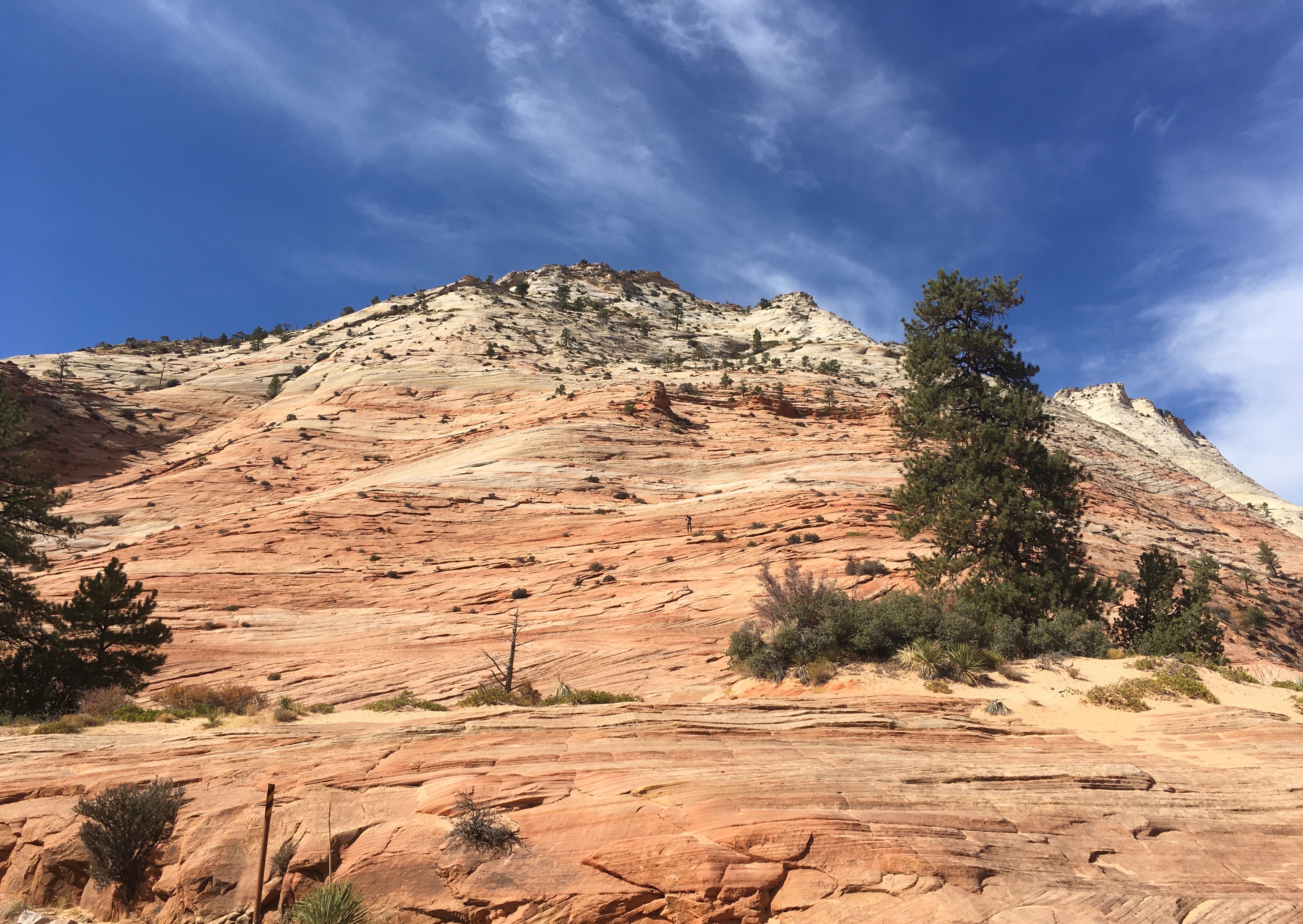
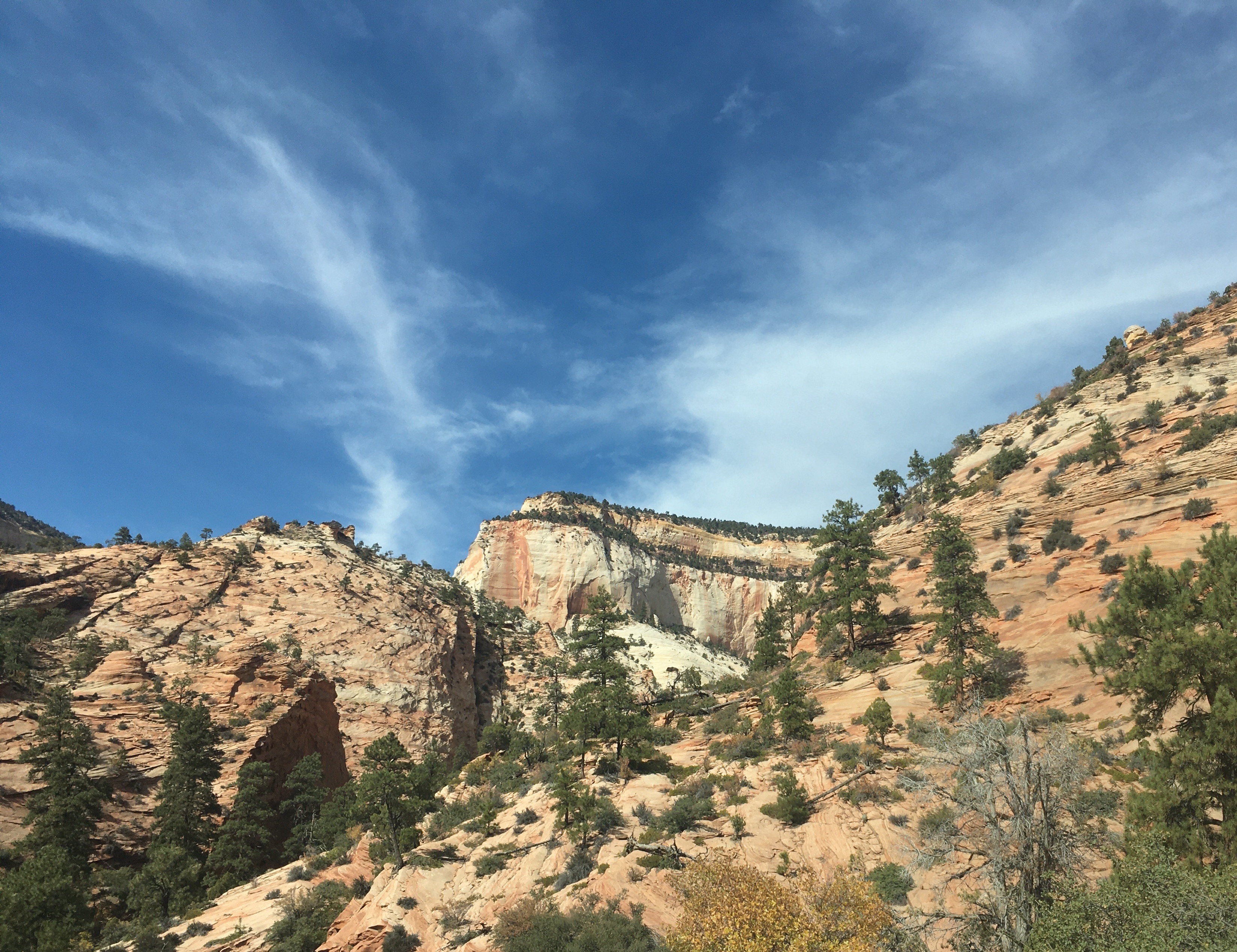
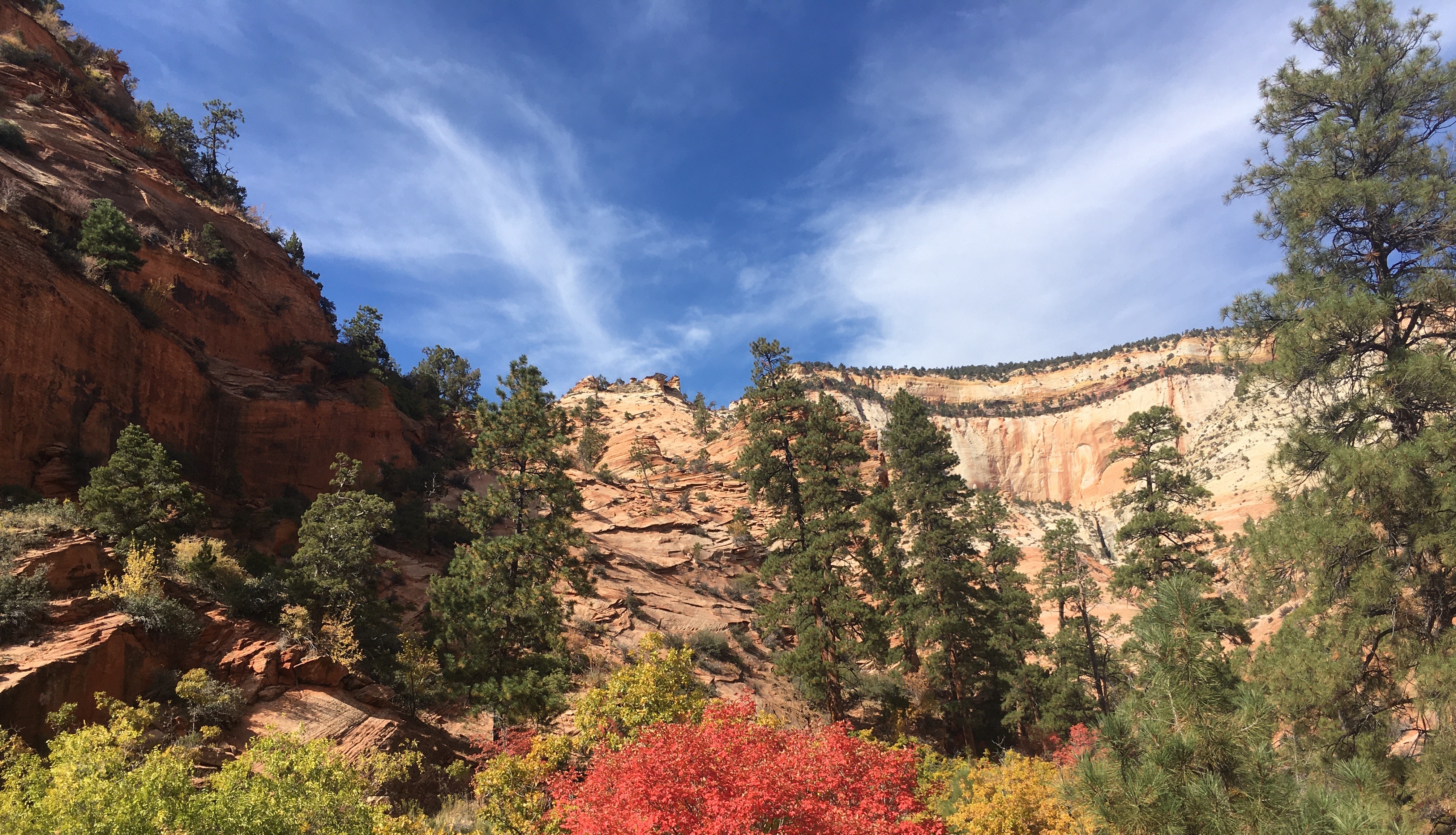
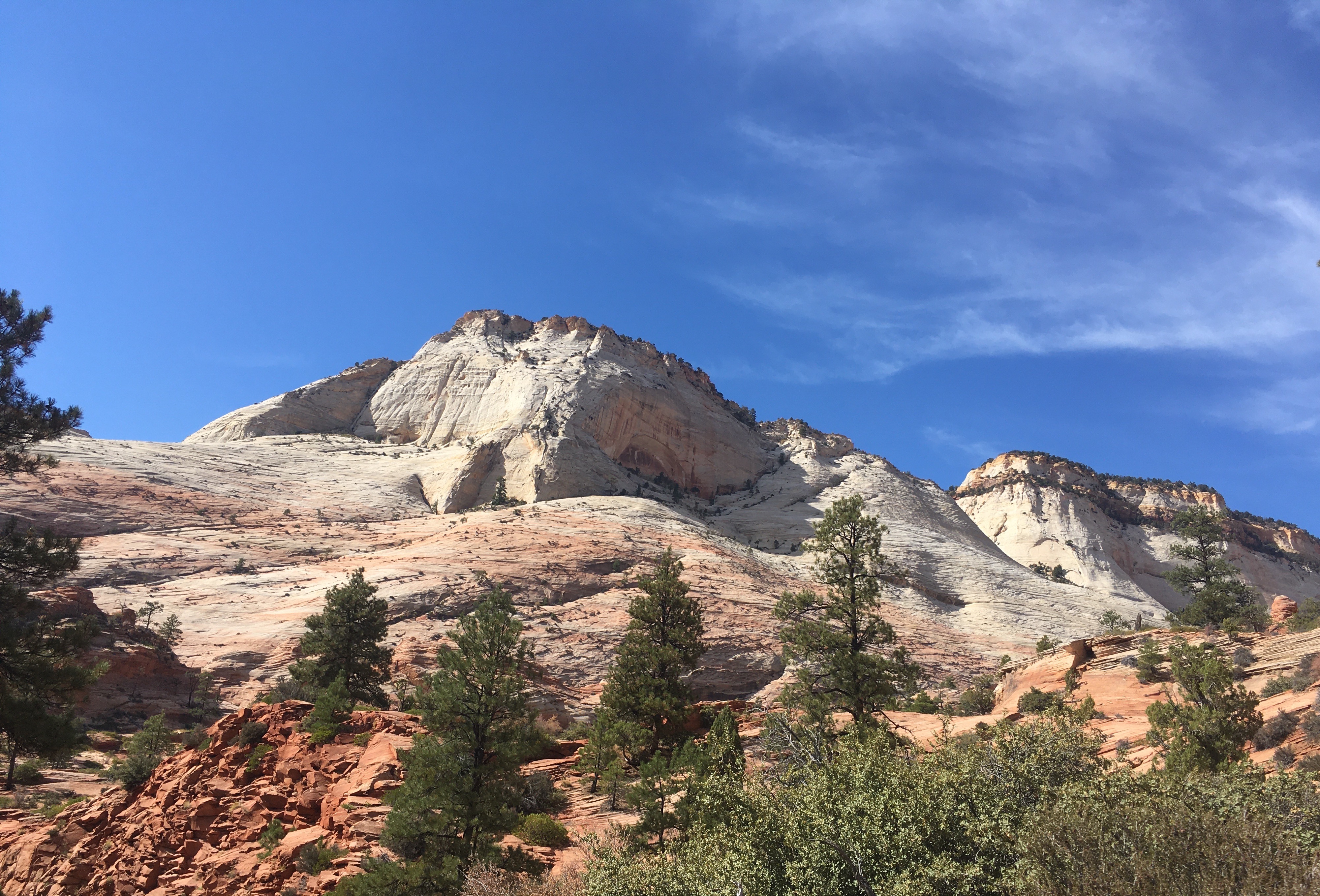
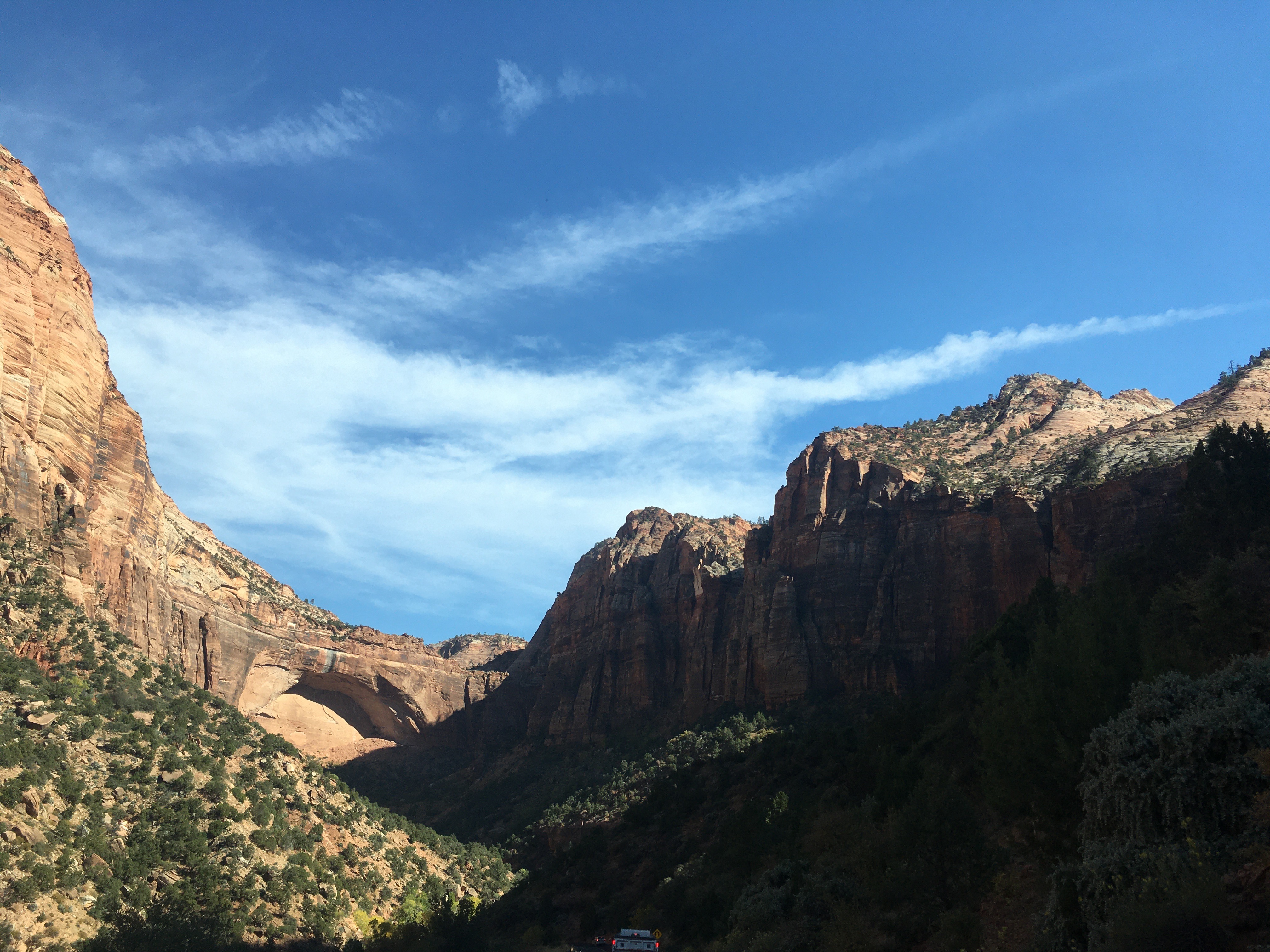
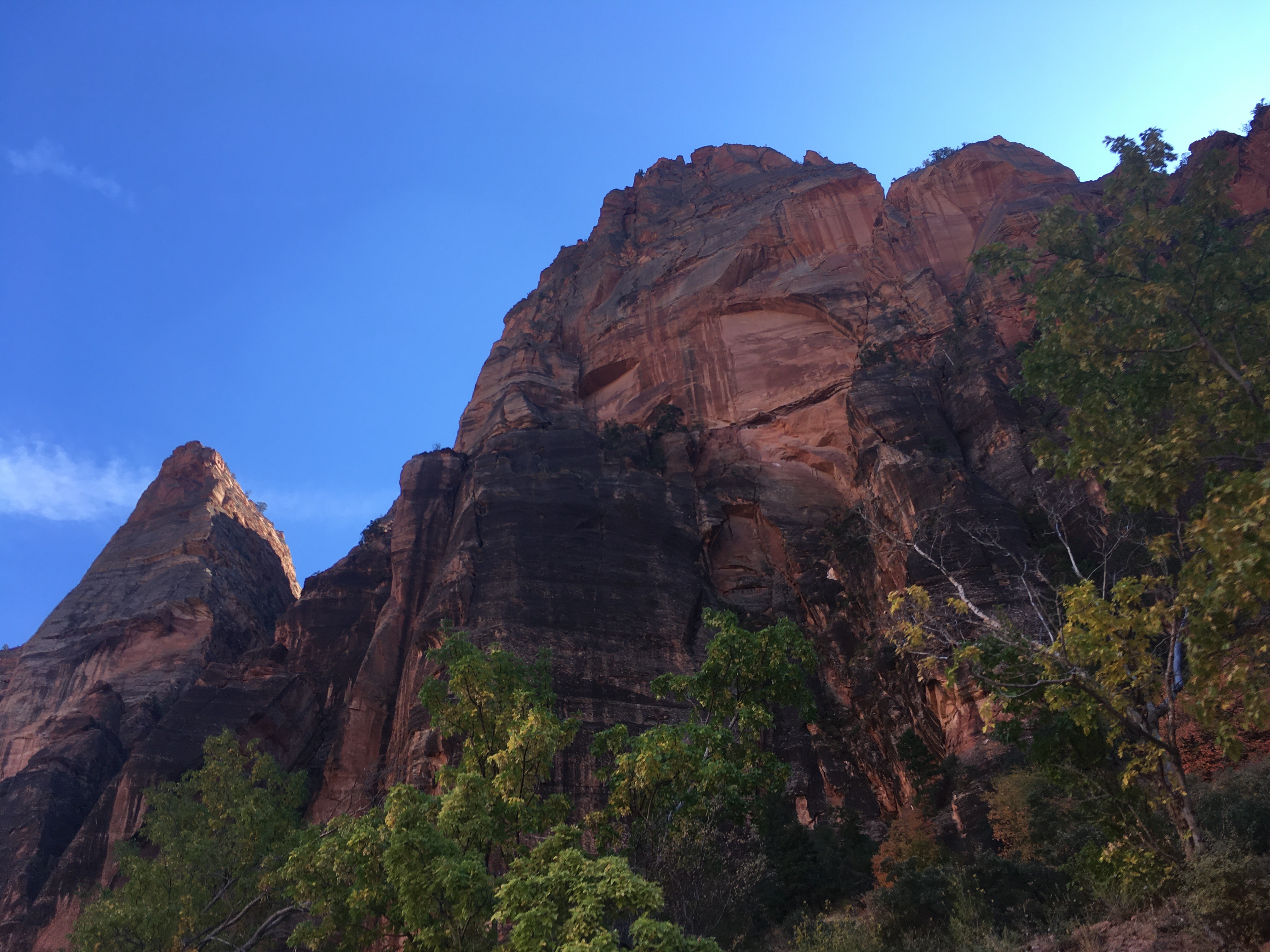
Zion National Park had existed in my mind mostly from ViewMaster slides I had seen as a child.
What a surprise!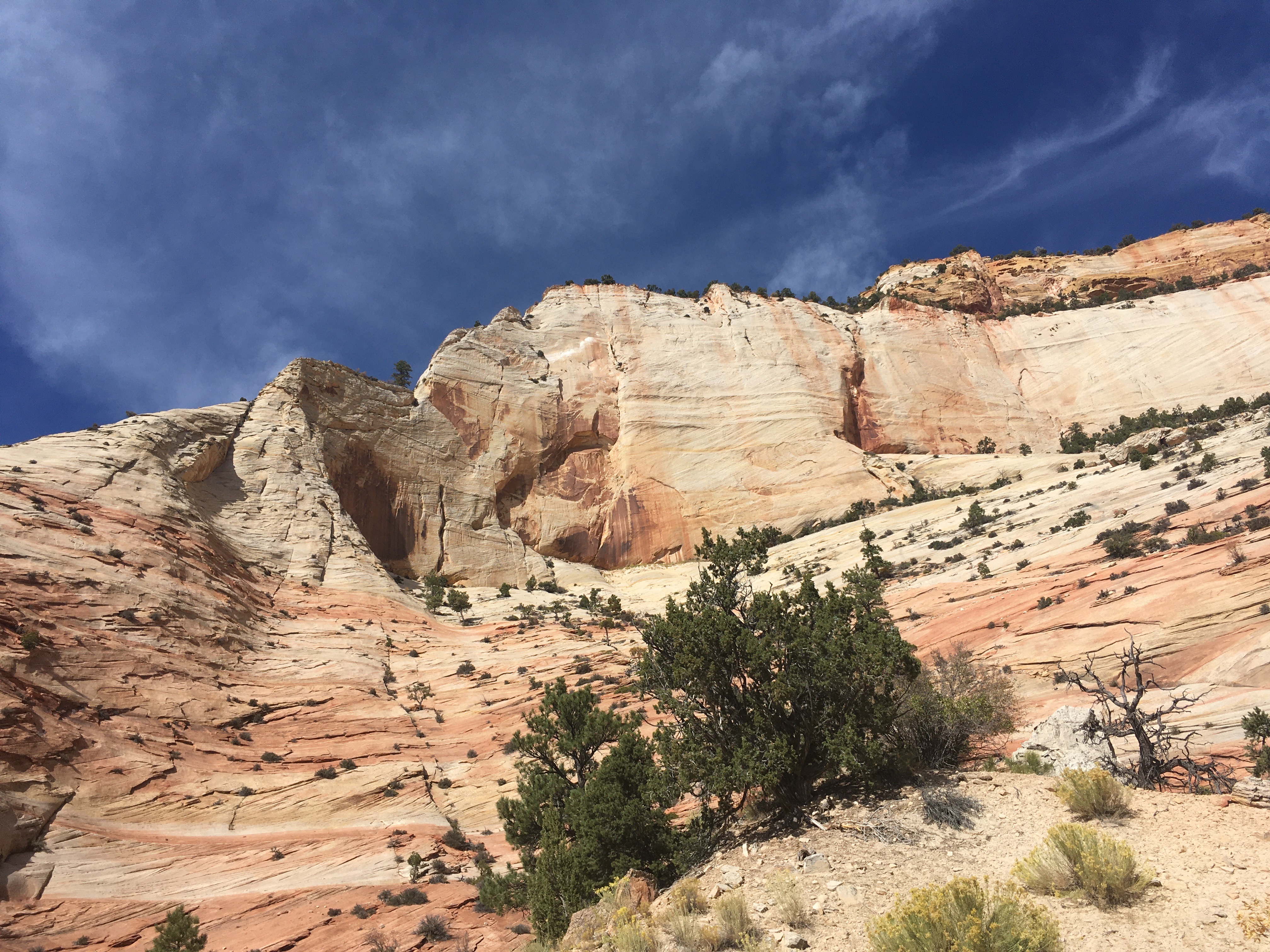
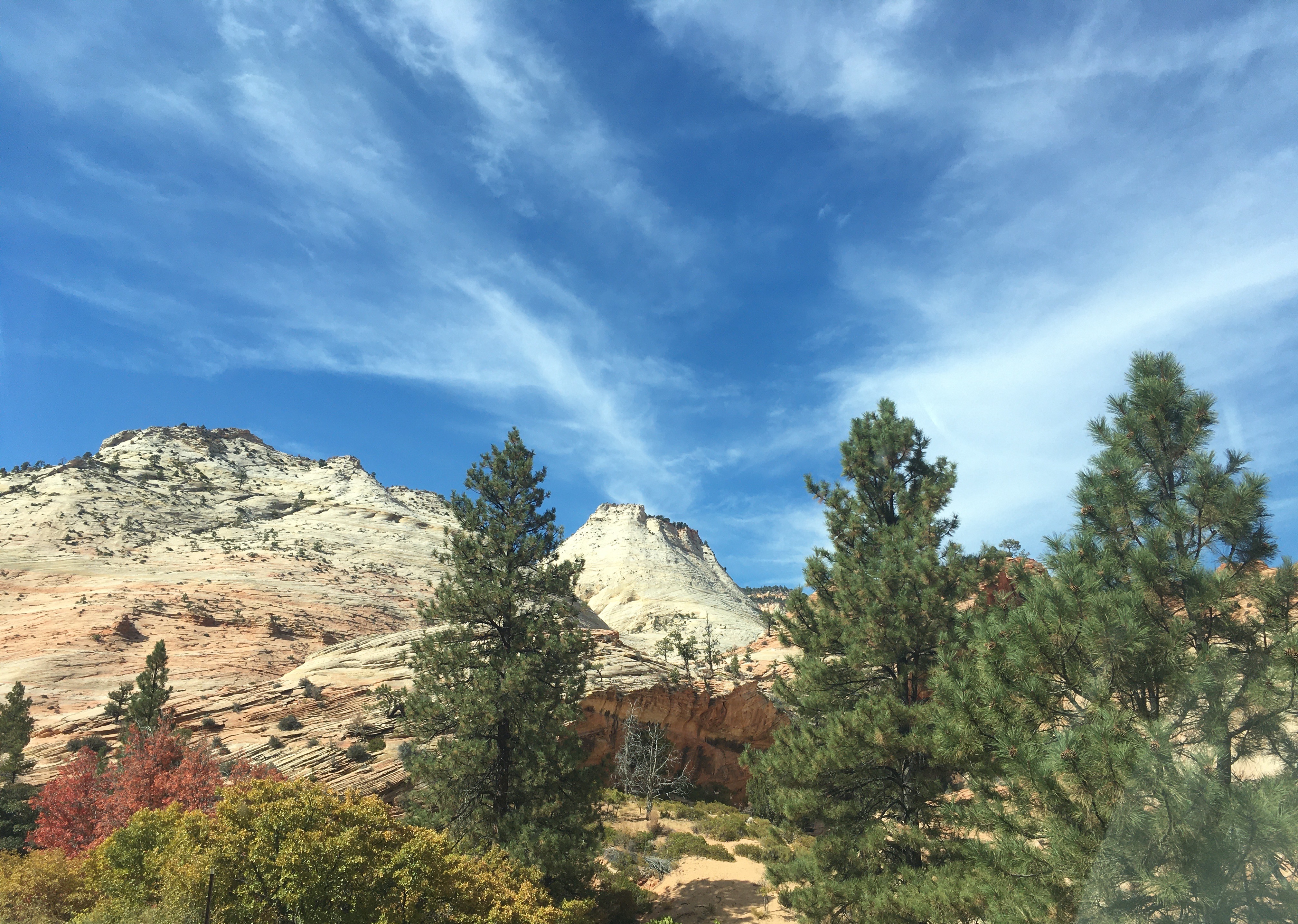
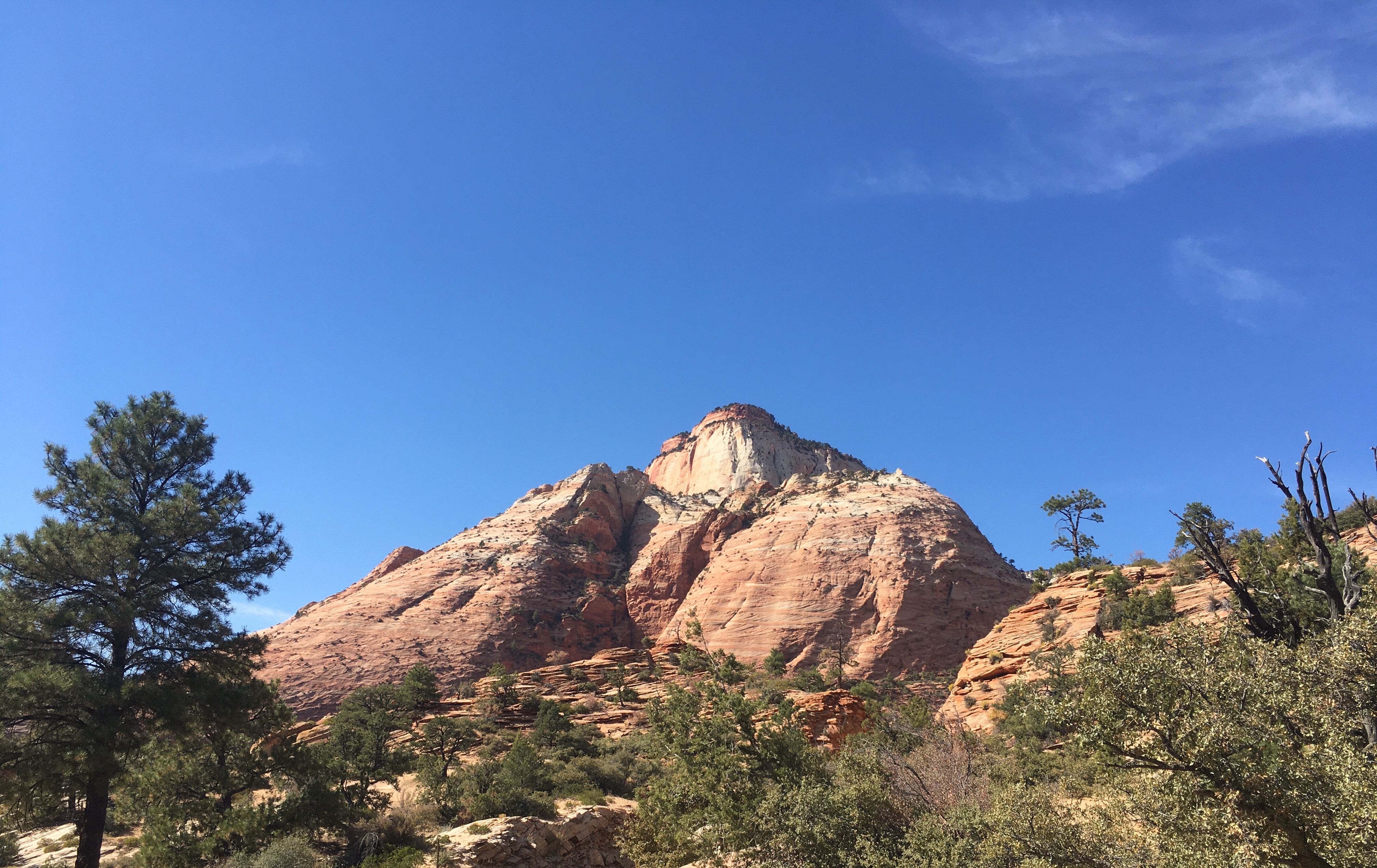
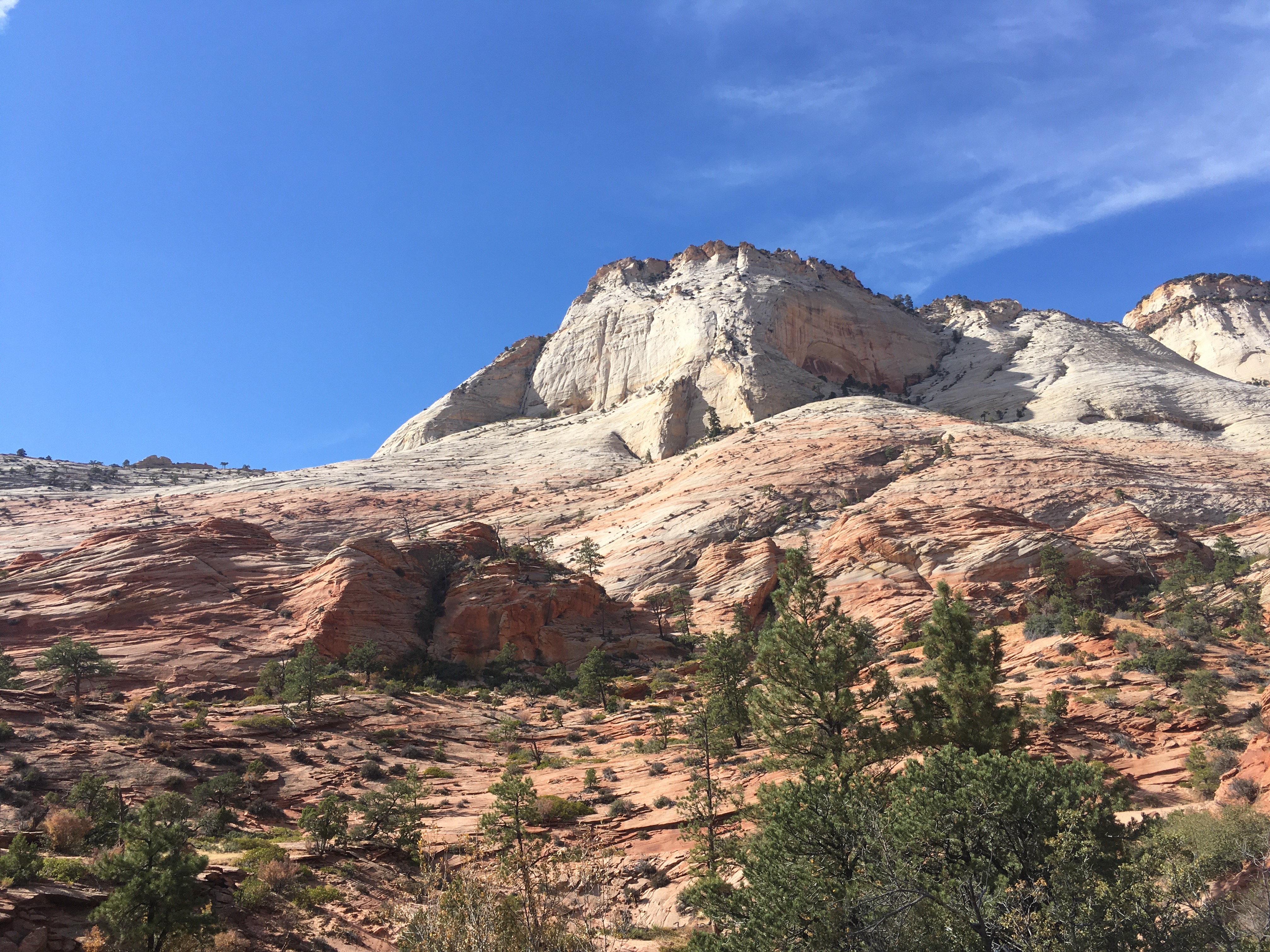
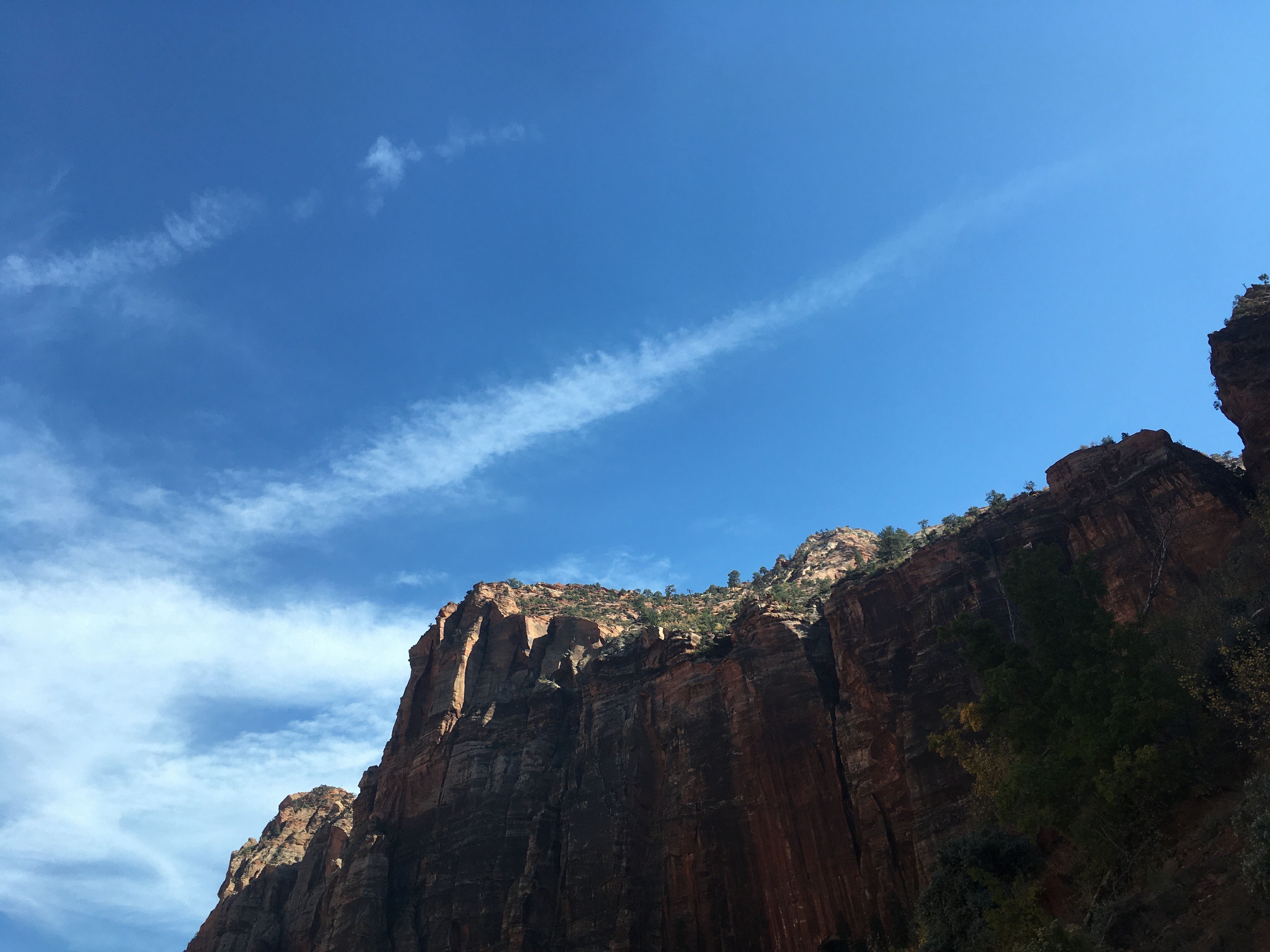
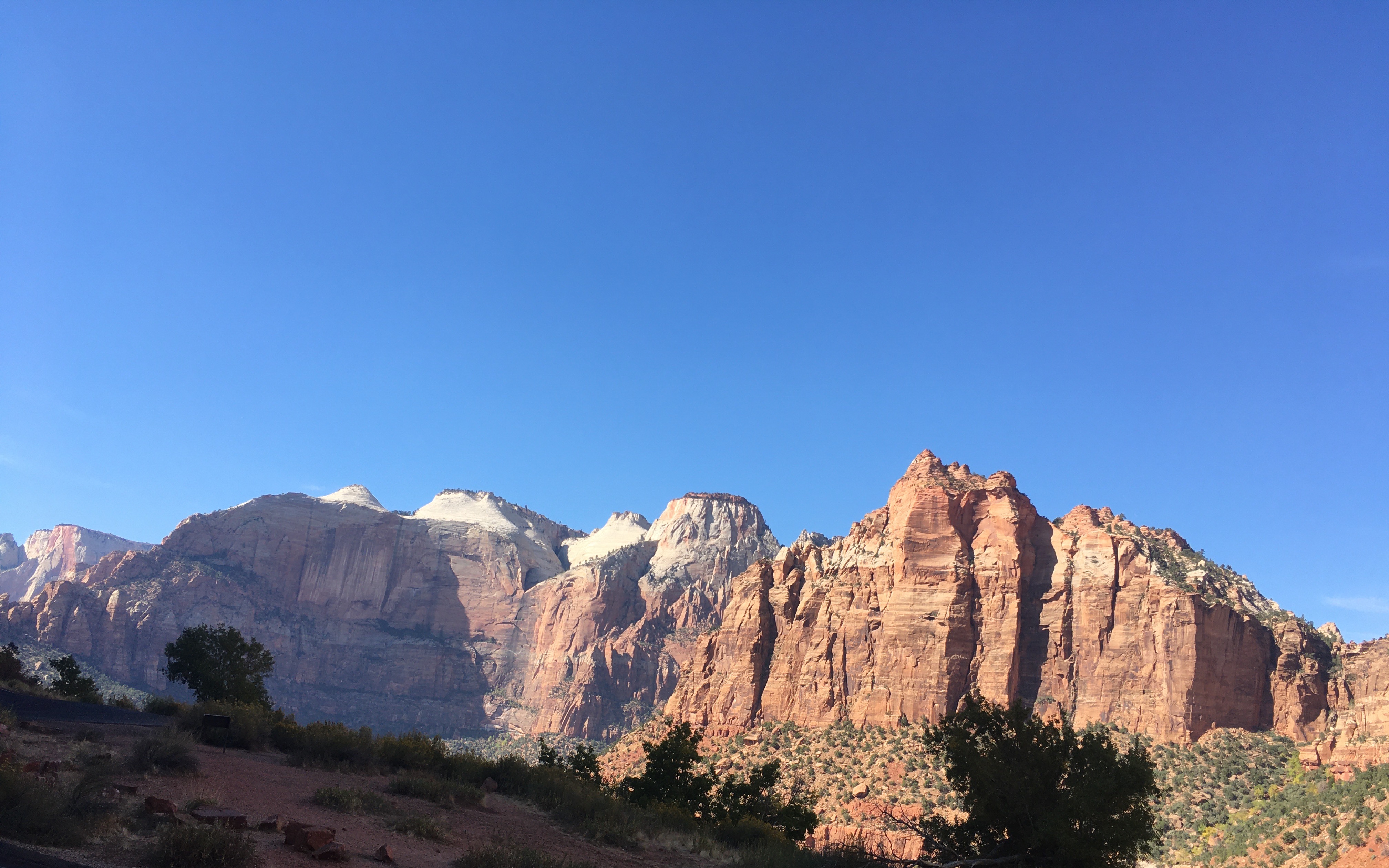
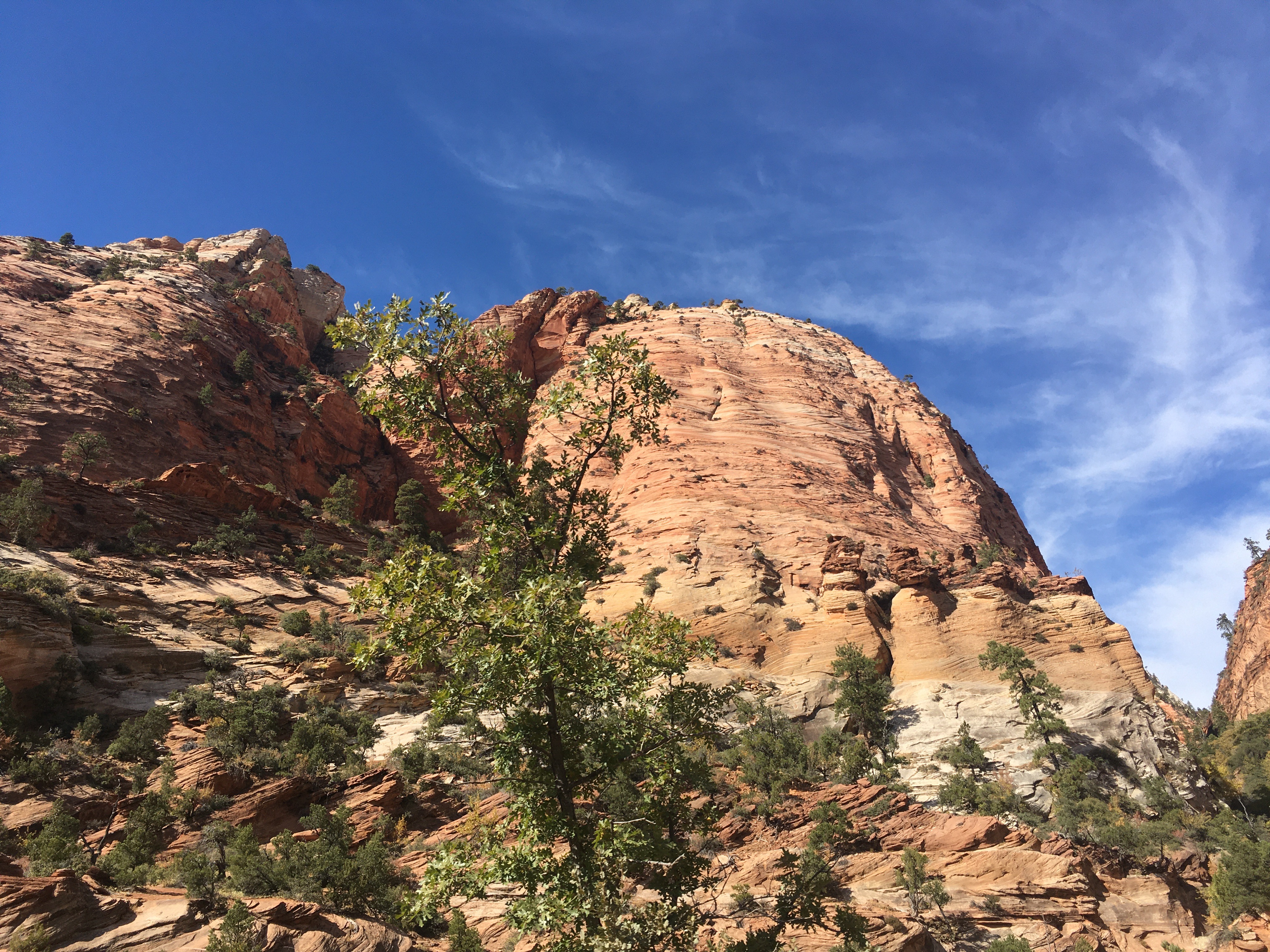
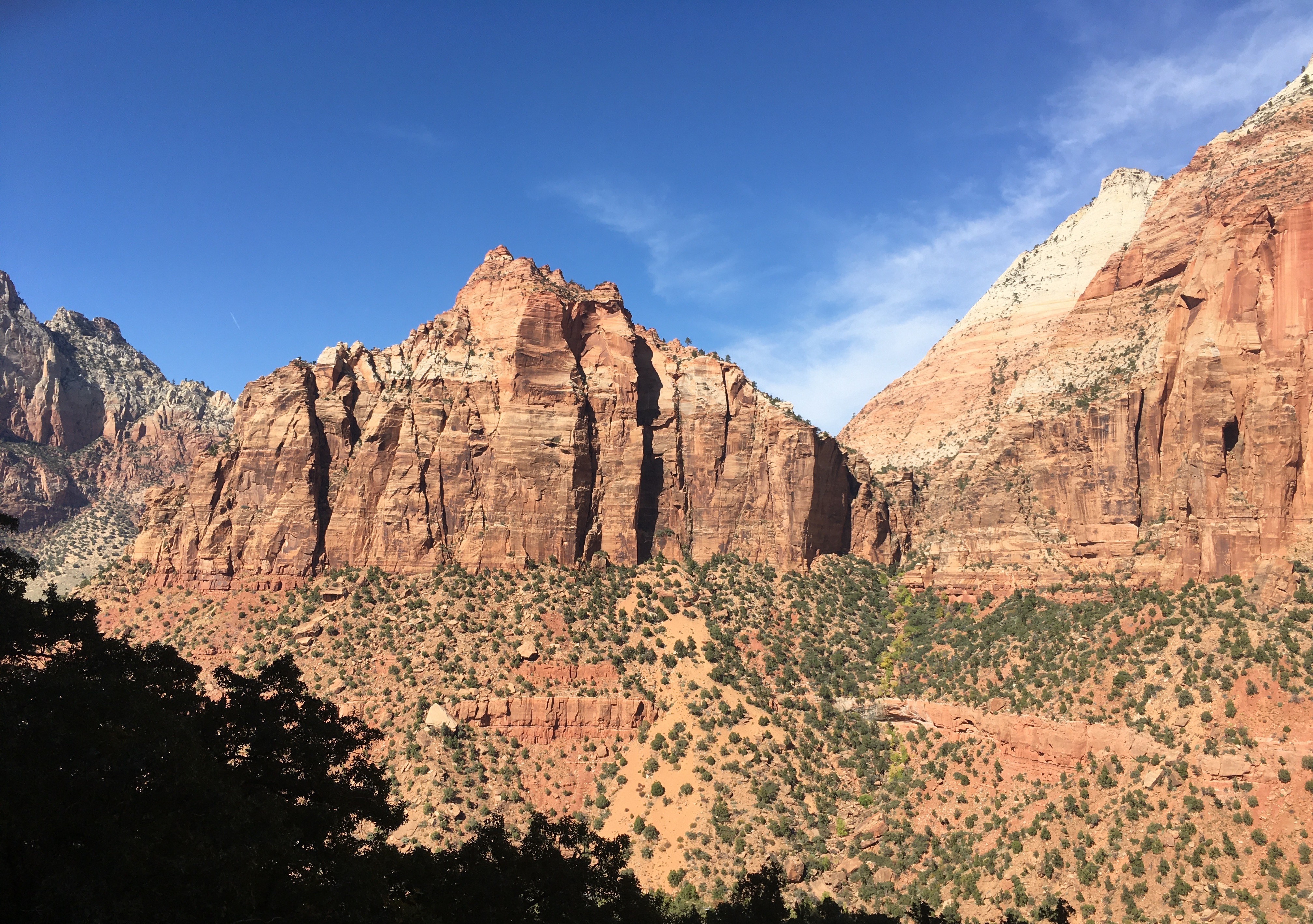
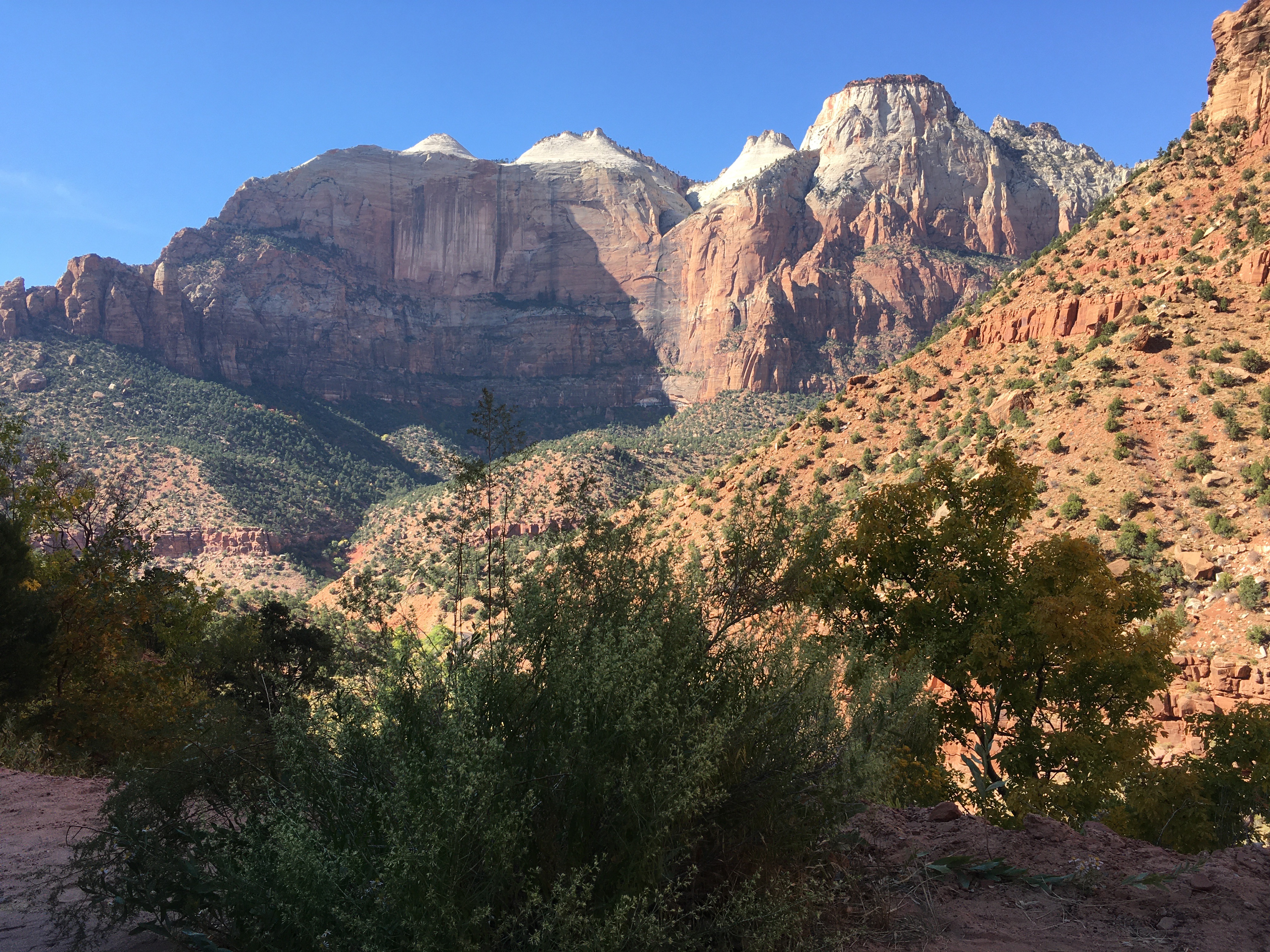
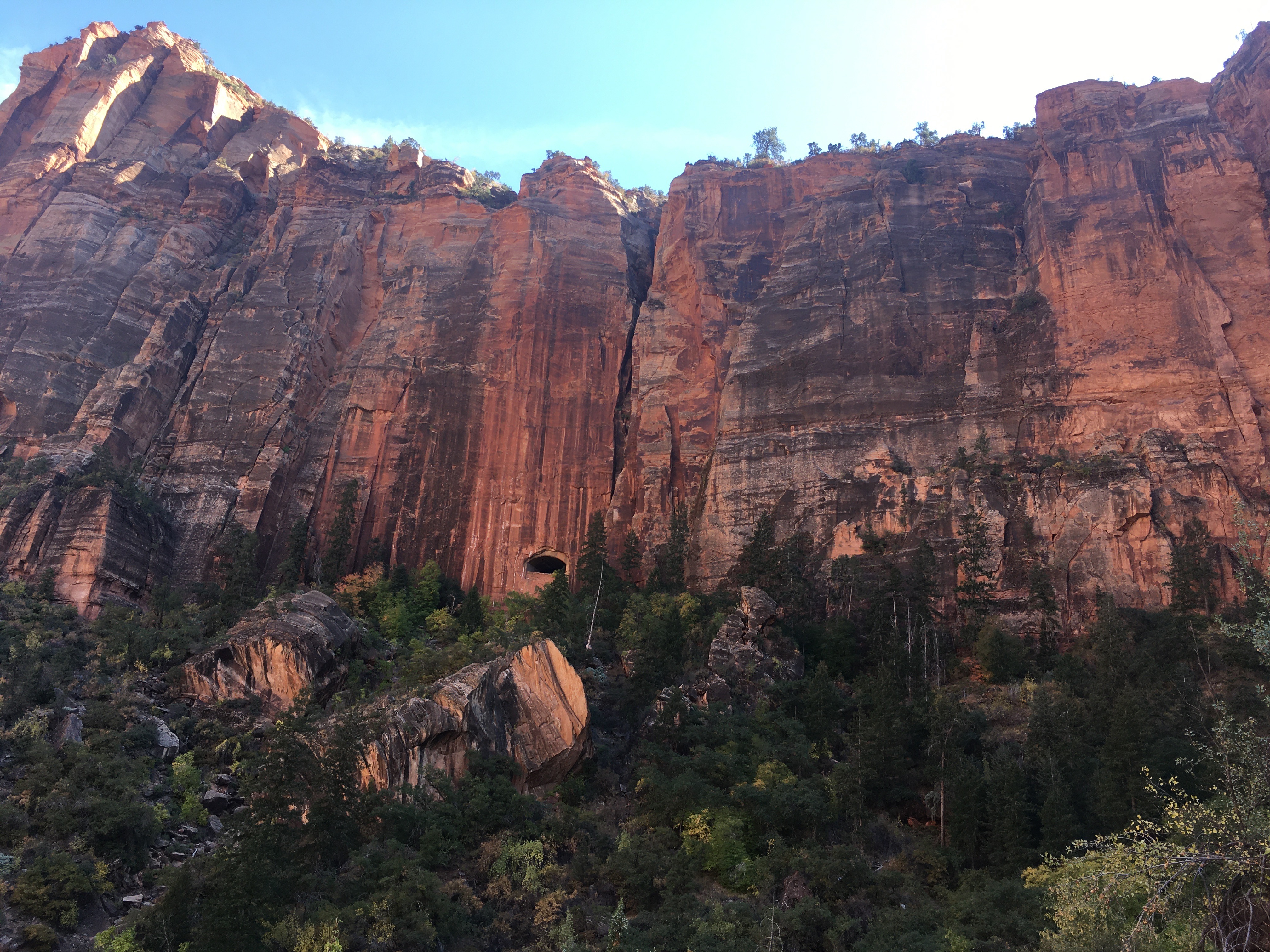


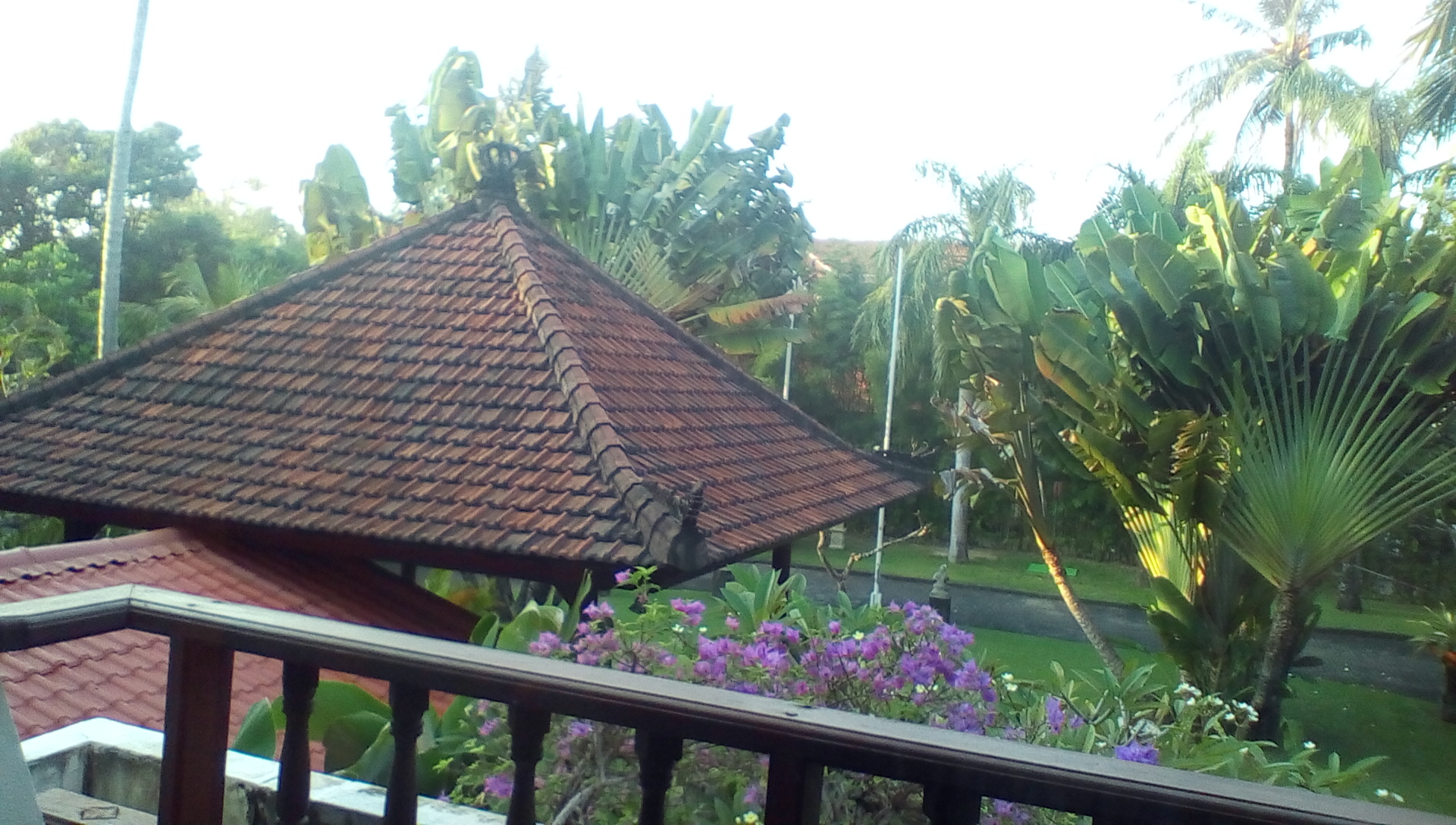
The view from our hotel room.
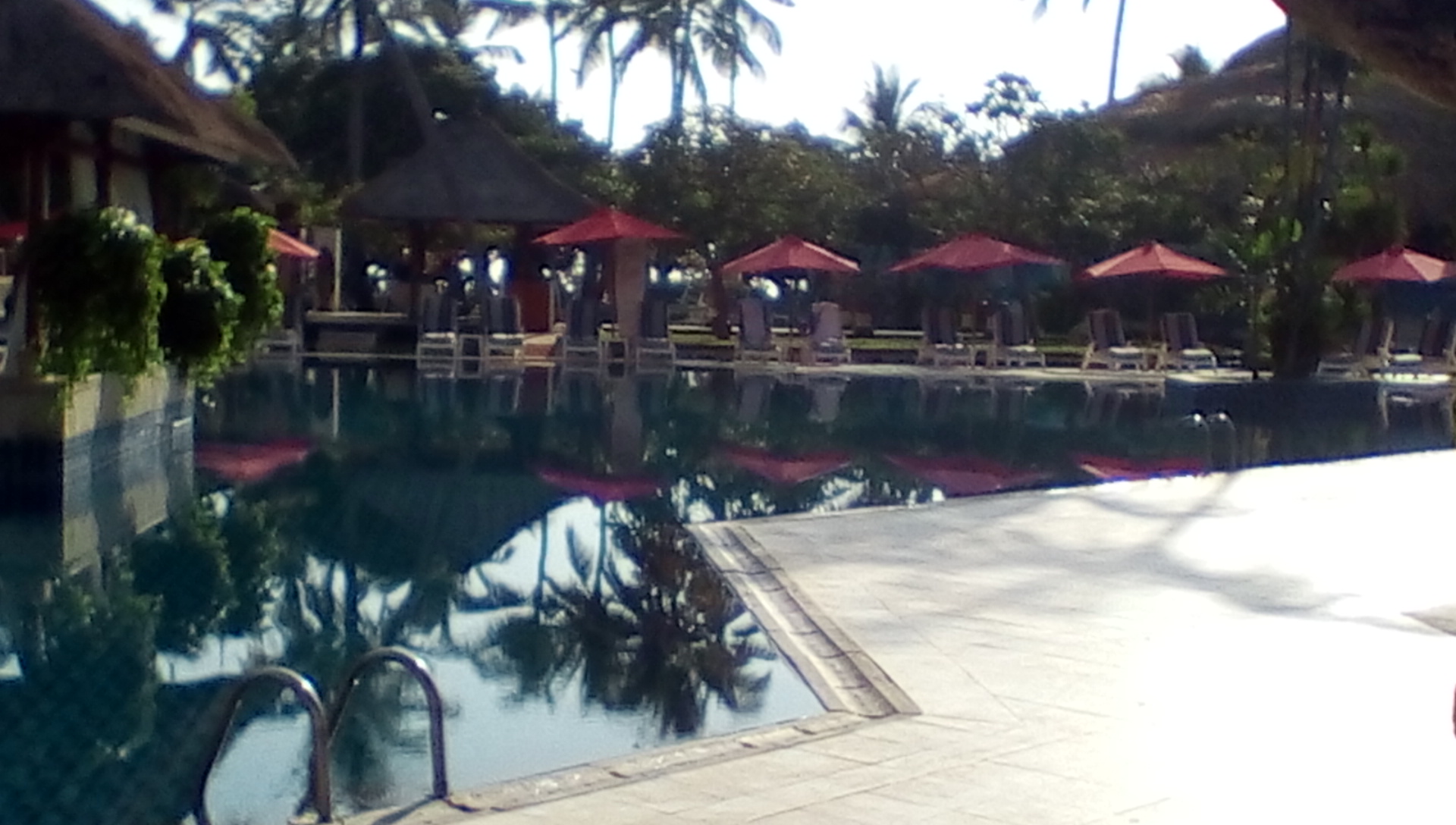
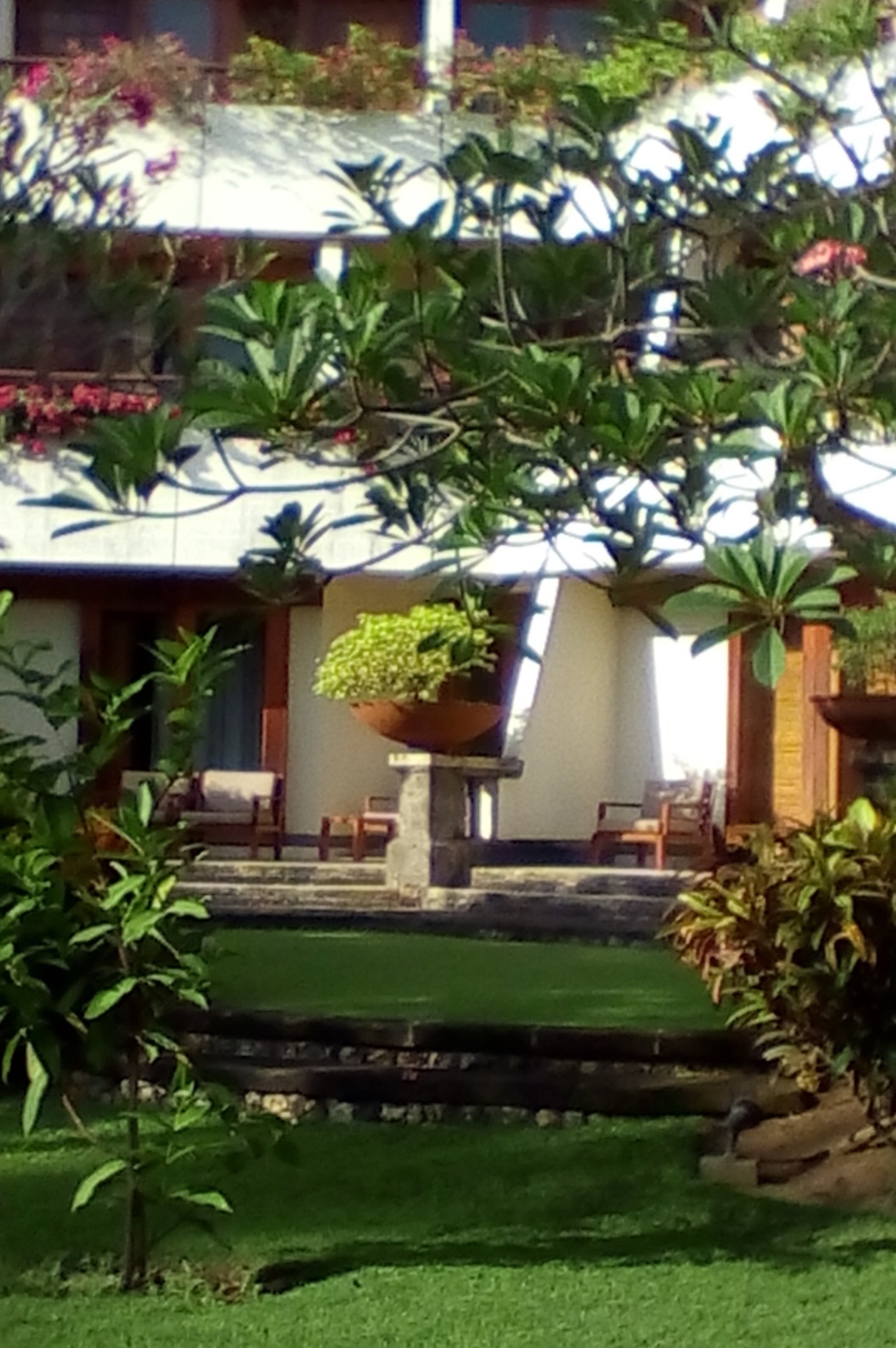
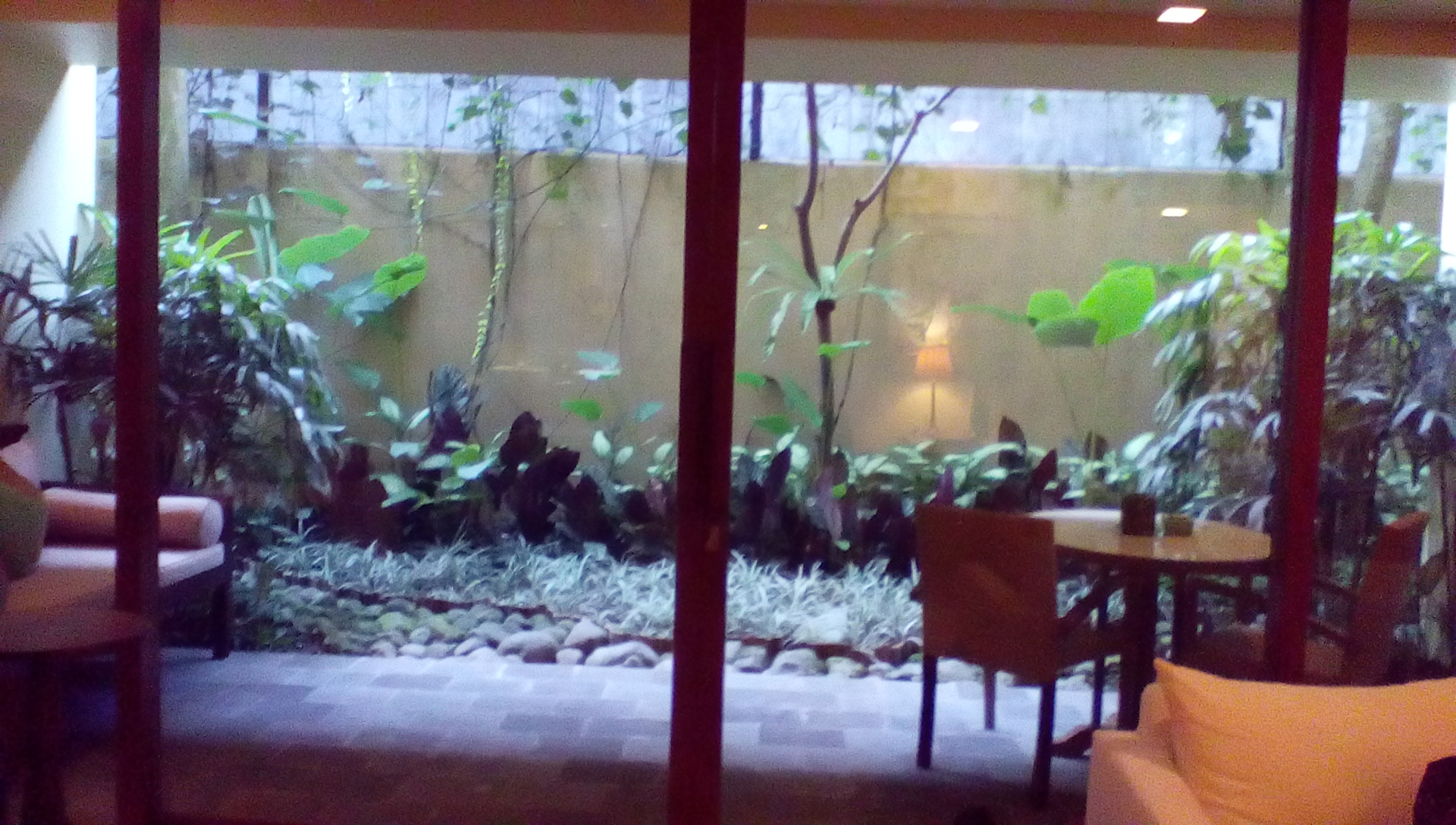
The other side of the hotel.
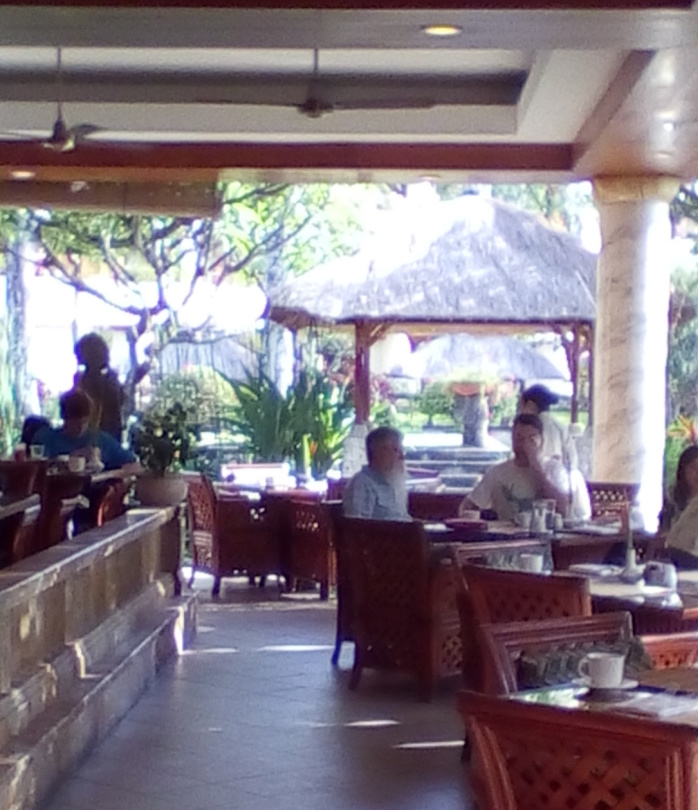
The dining area with the most incredible breakfast buffet.
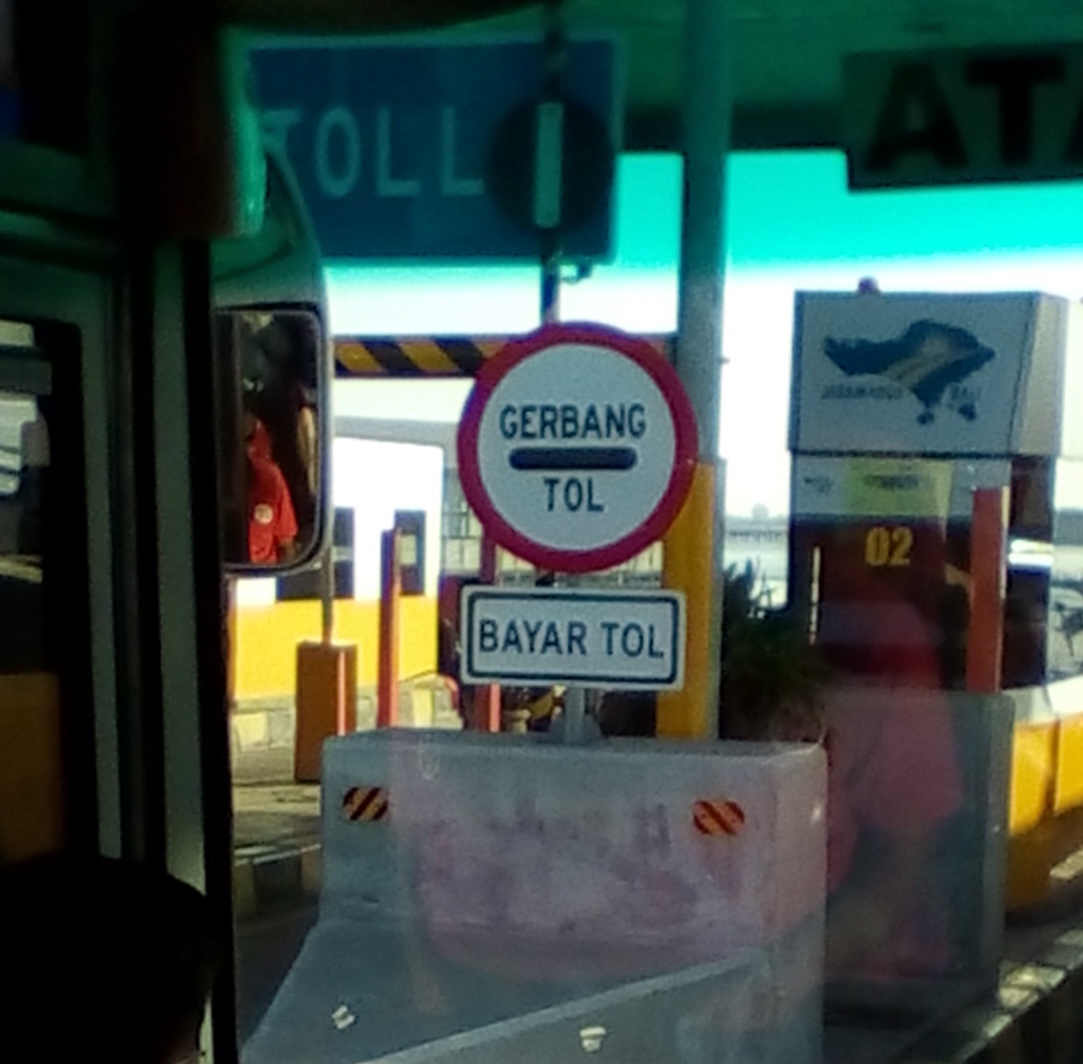
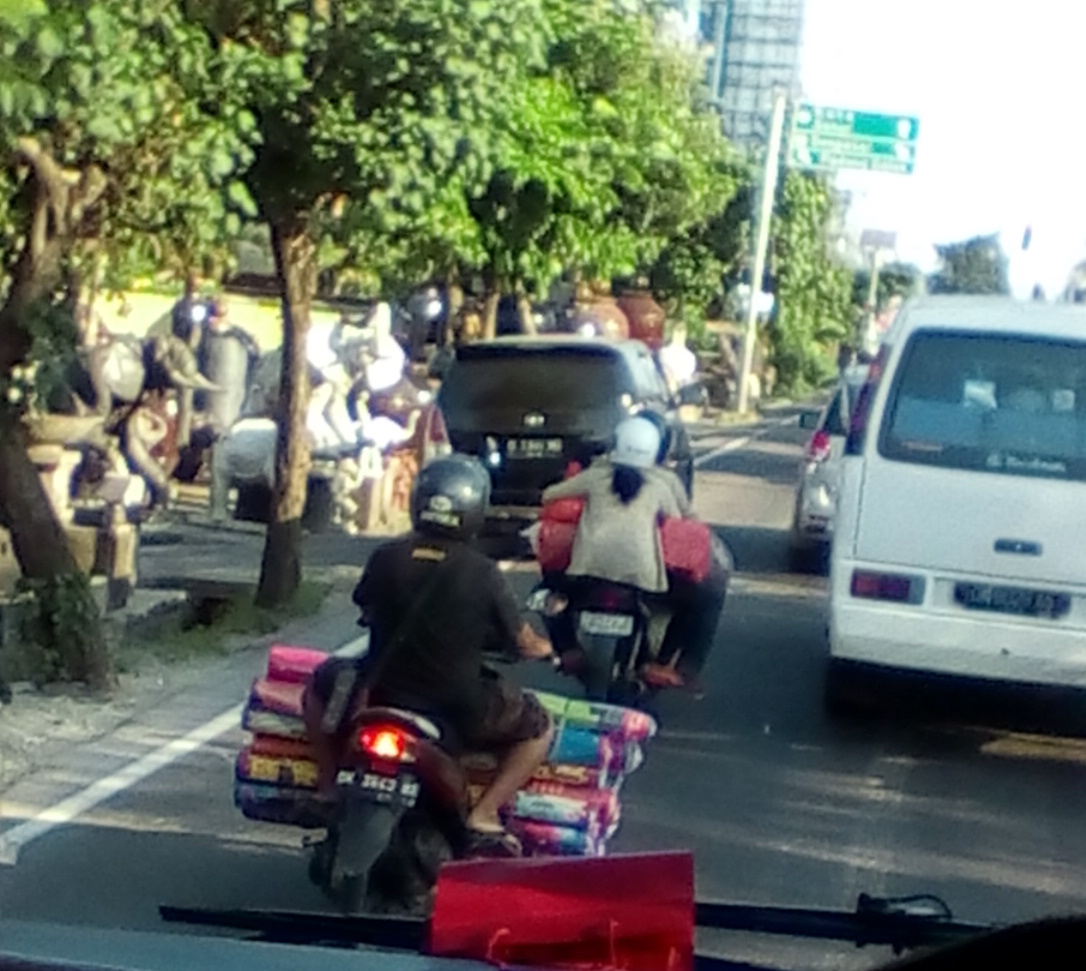
Motor scooters everywhere
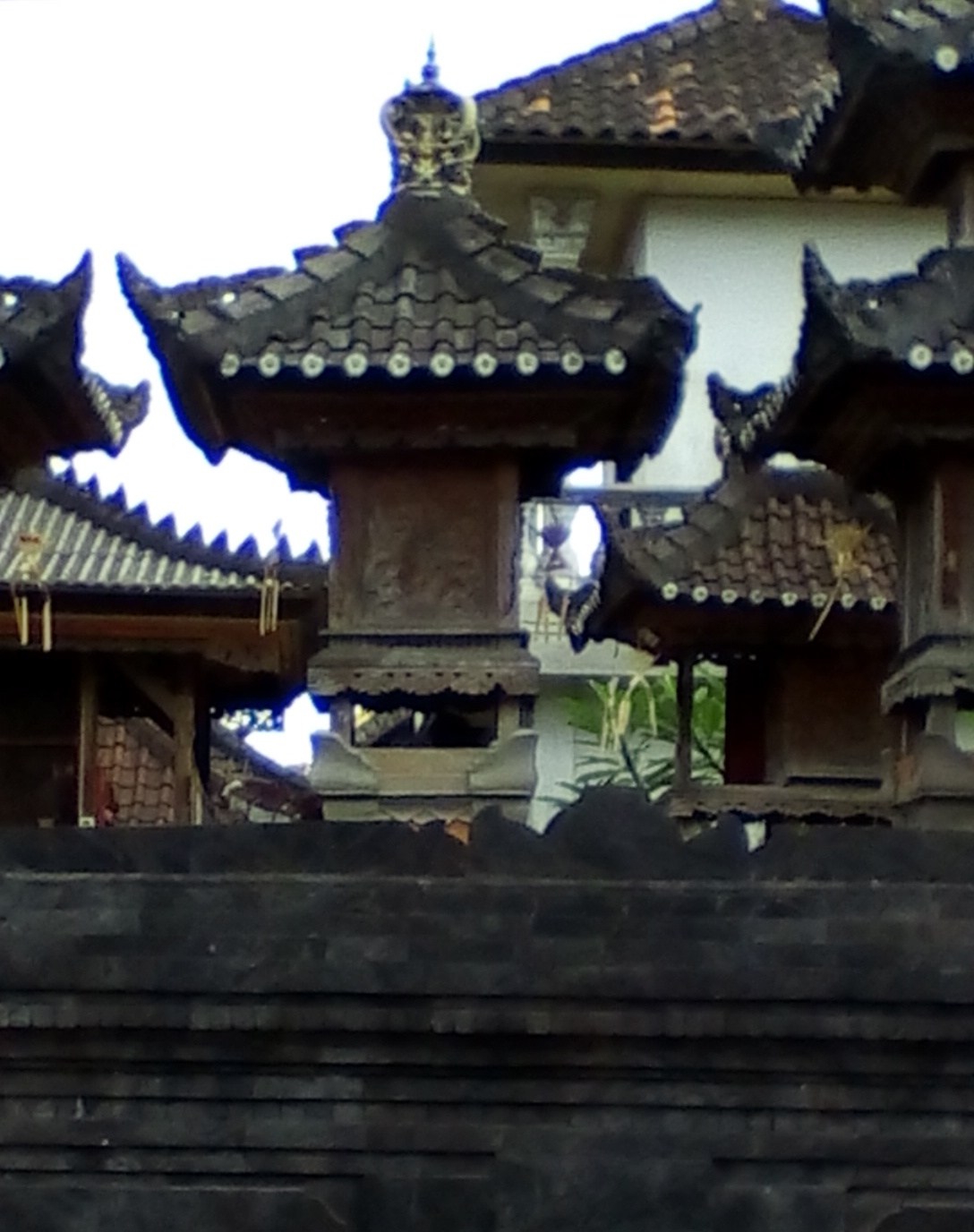
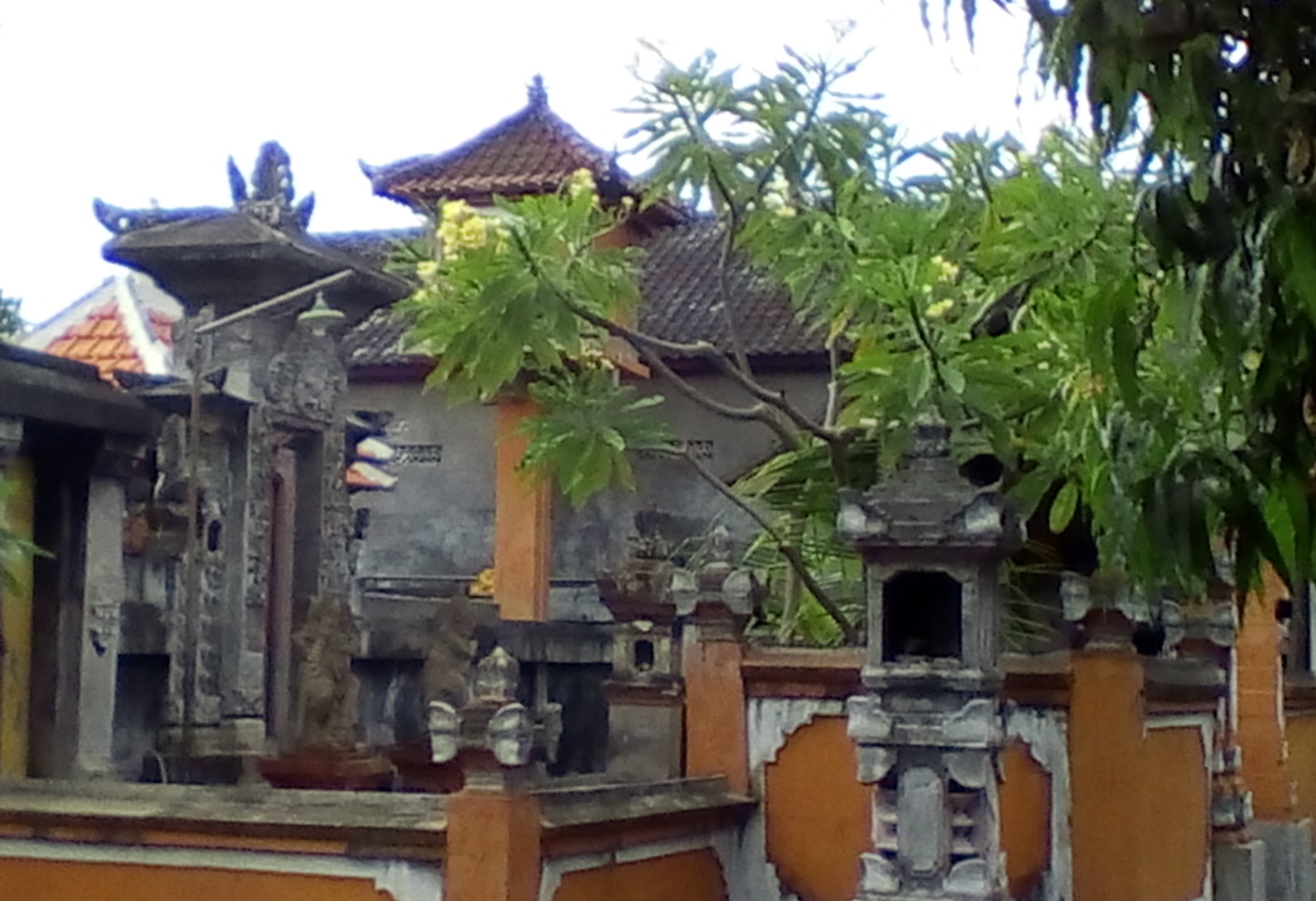
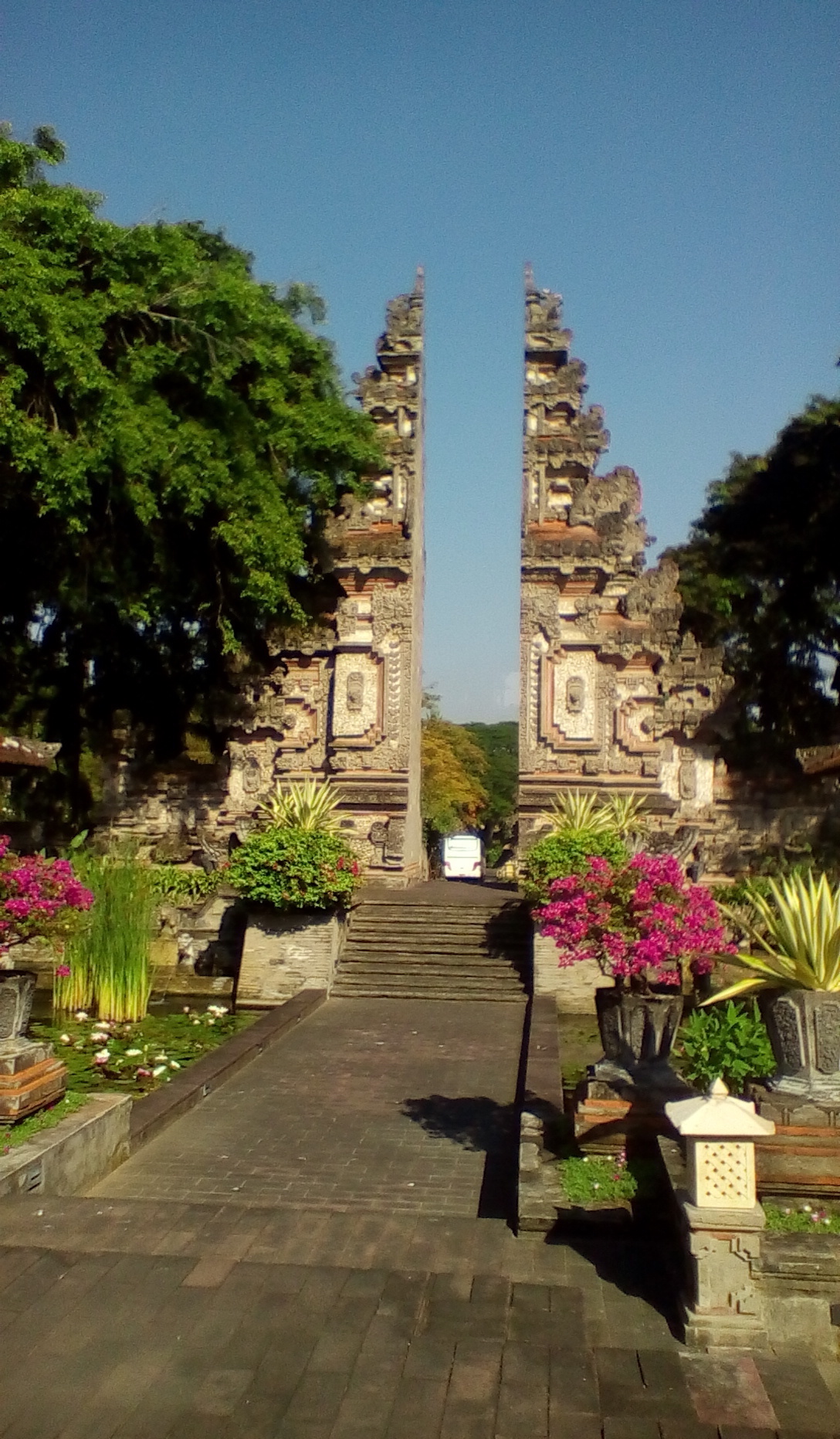
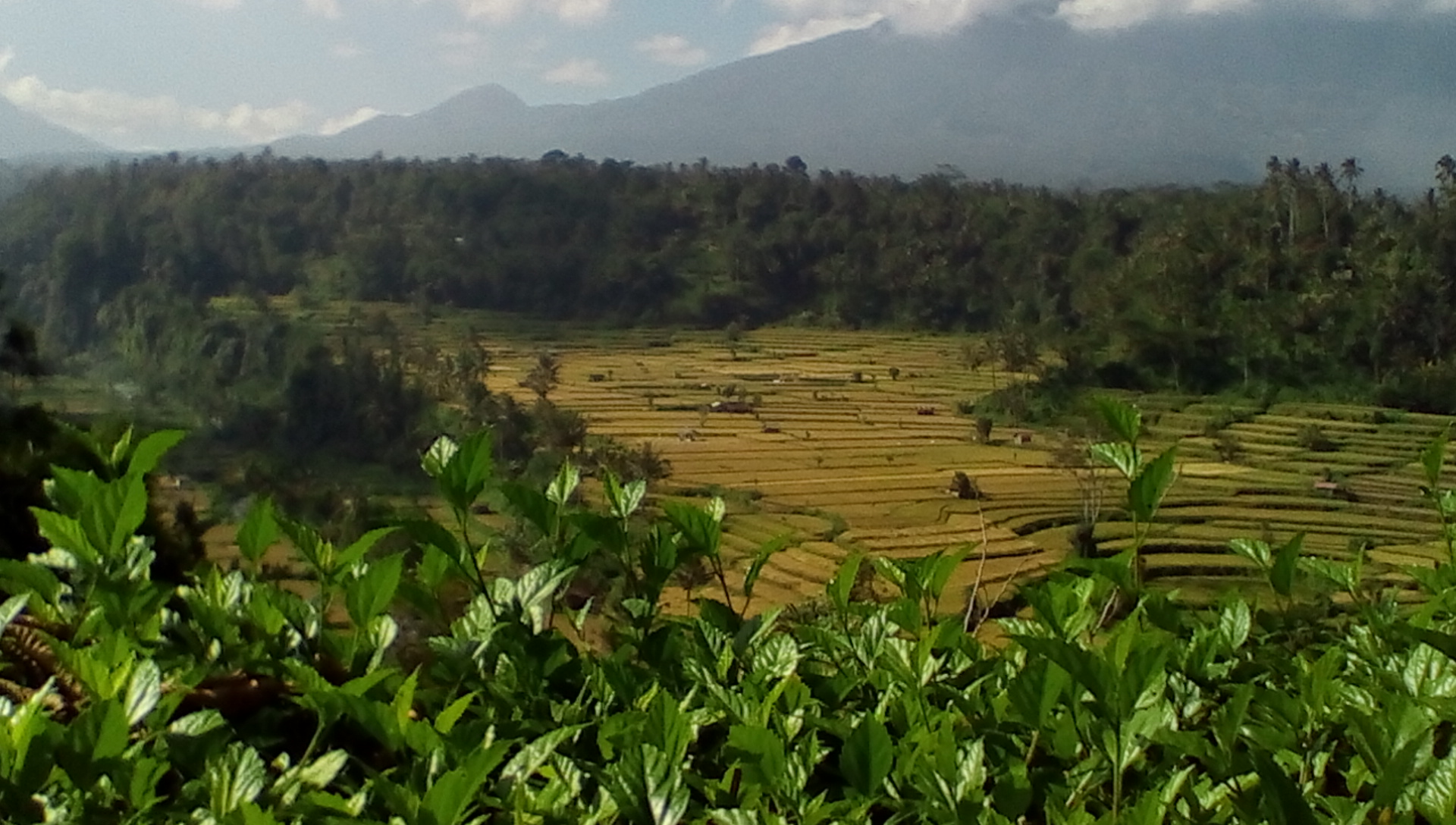
Houses, gardens, shrines, rice paddies…
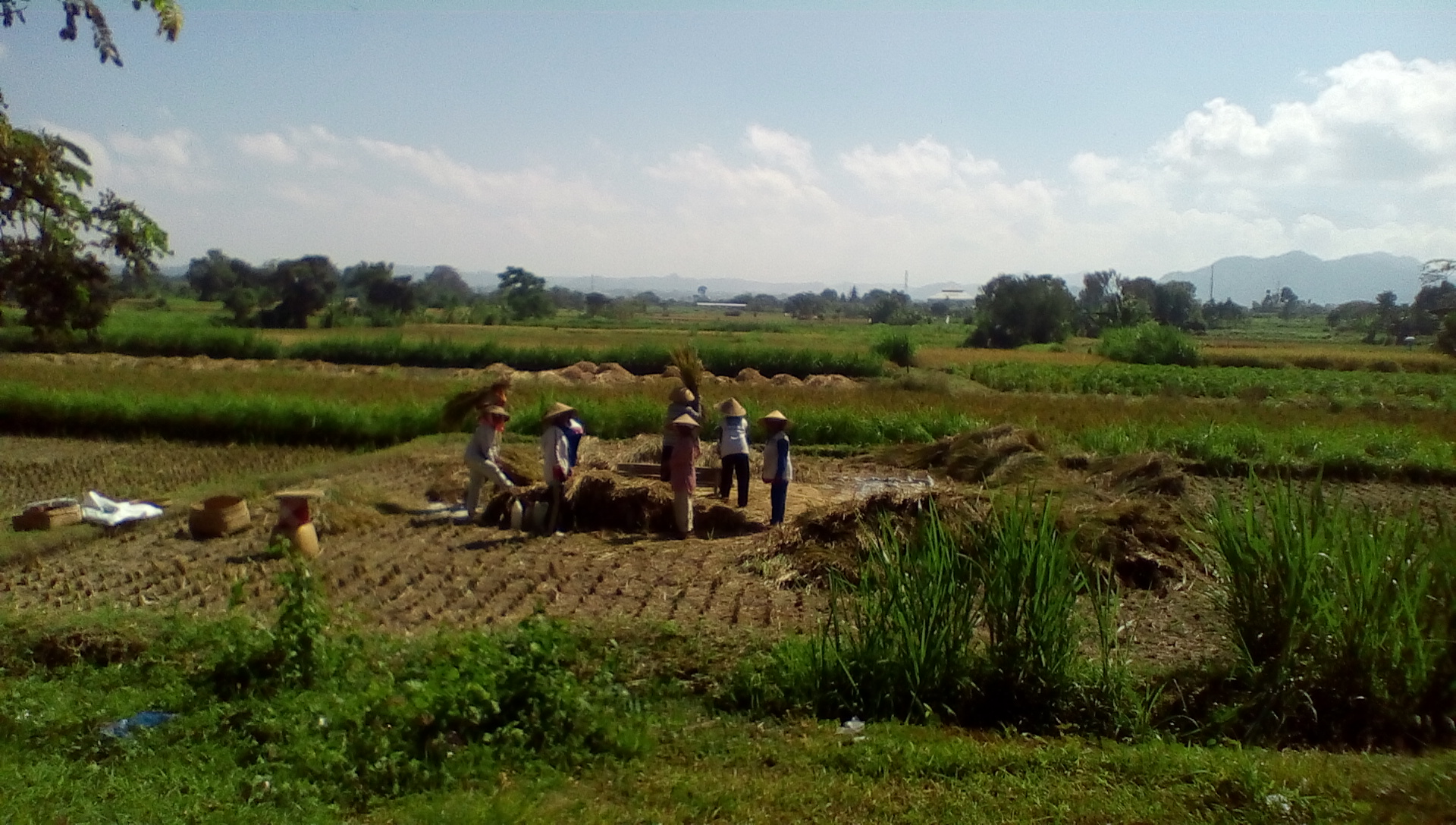
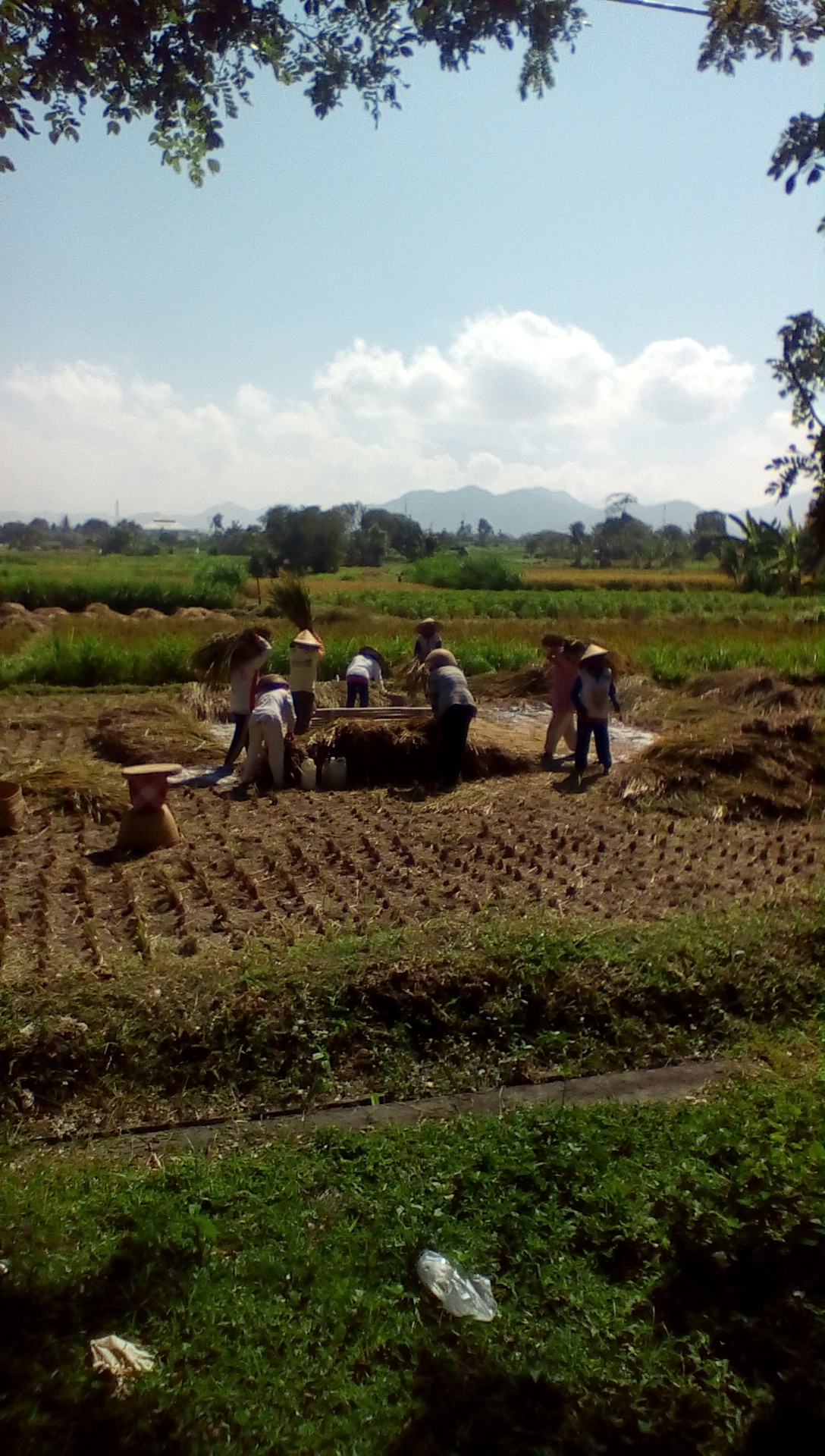
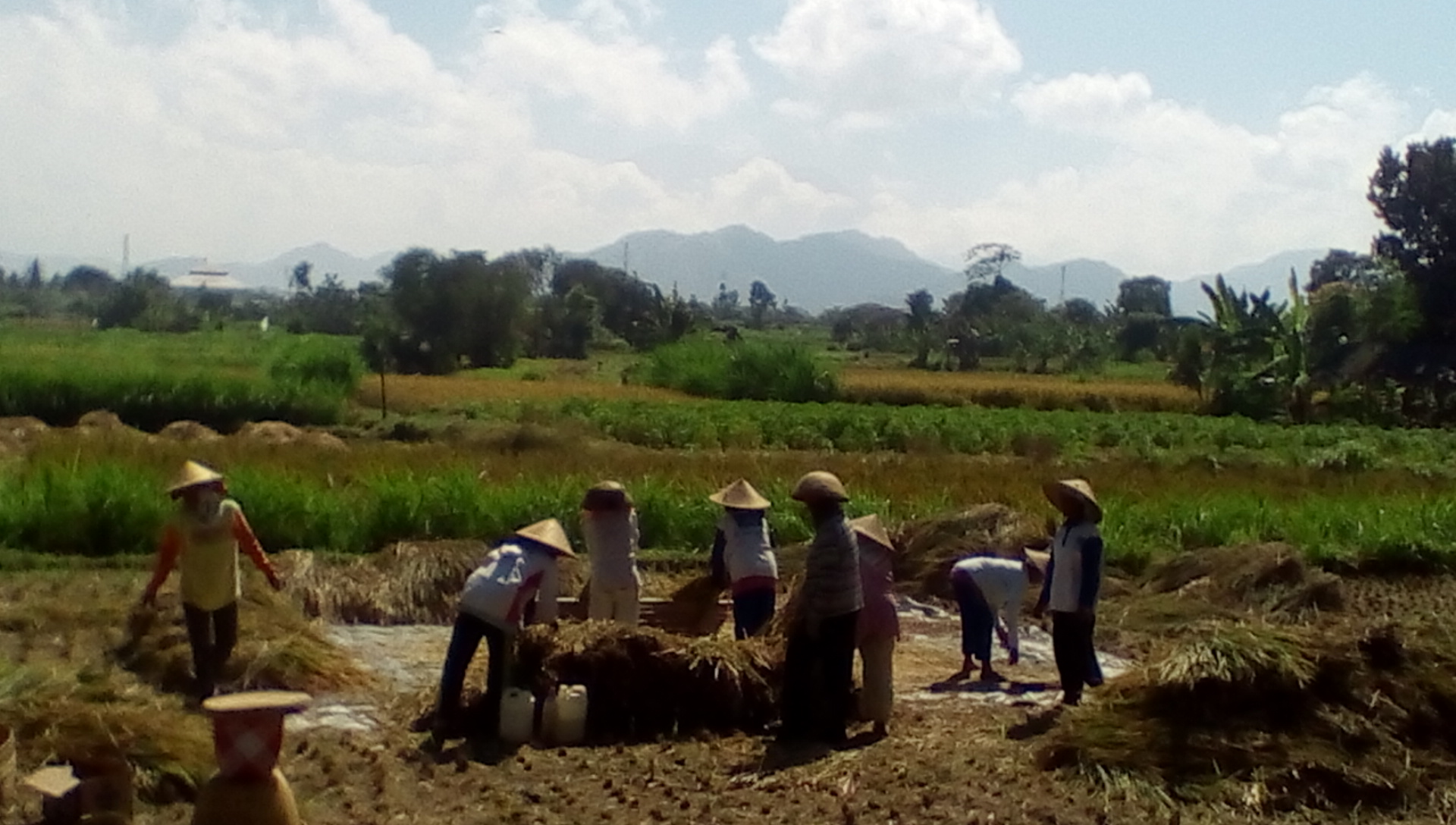
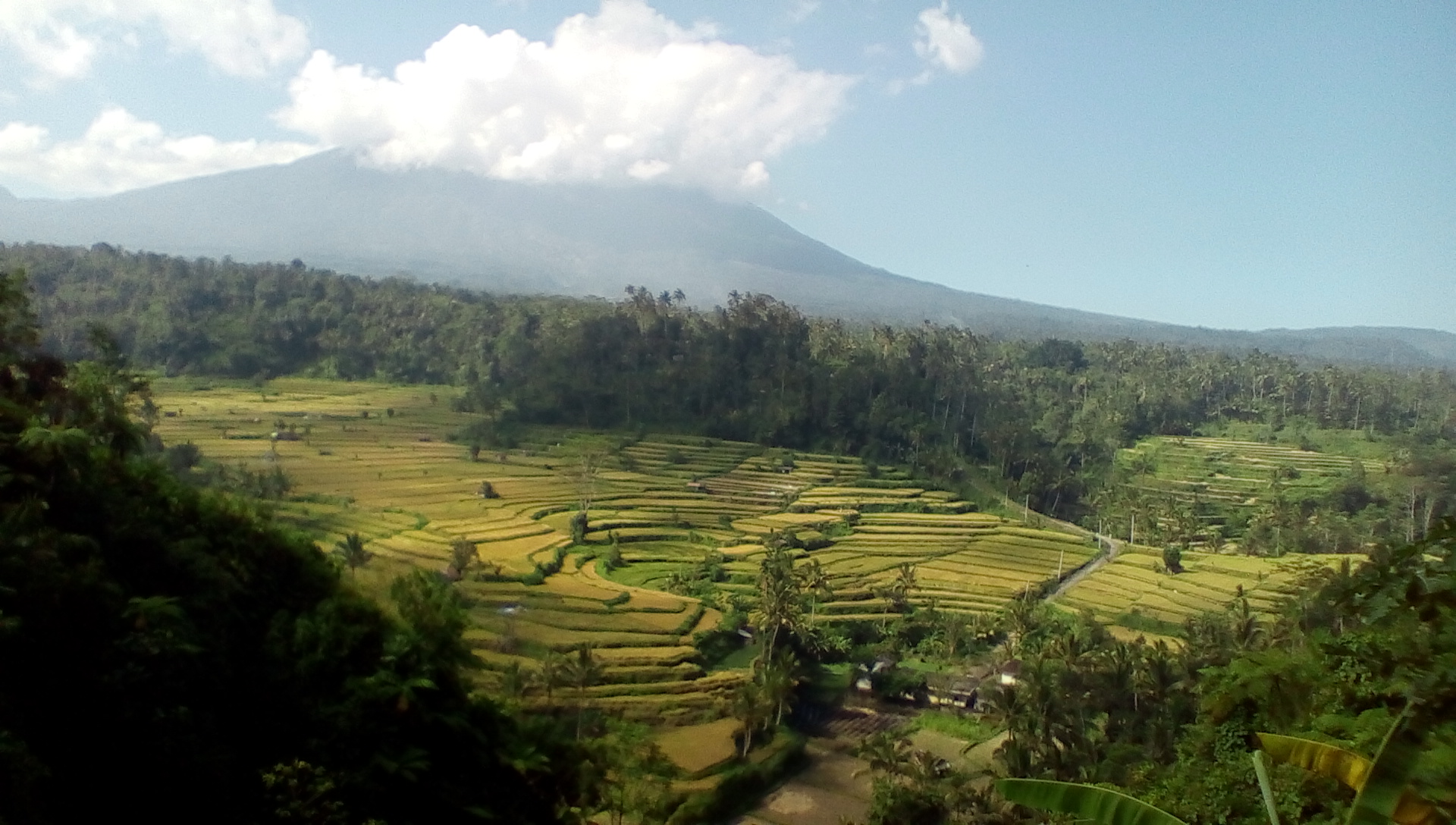
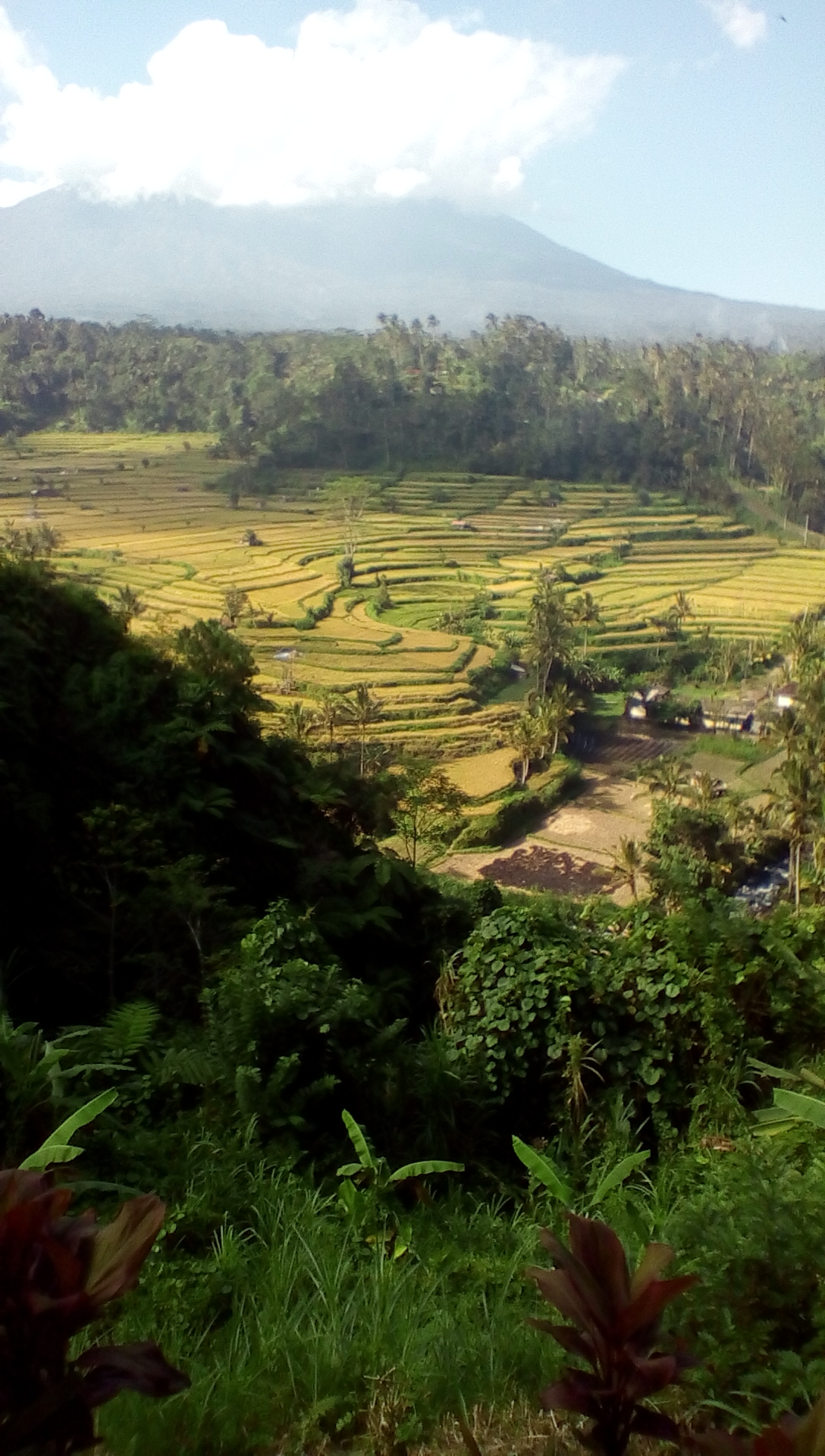
The government subsidizes these picturesque mountainside rice paddies. The farmers could earn more money growing soy beans.
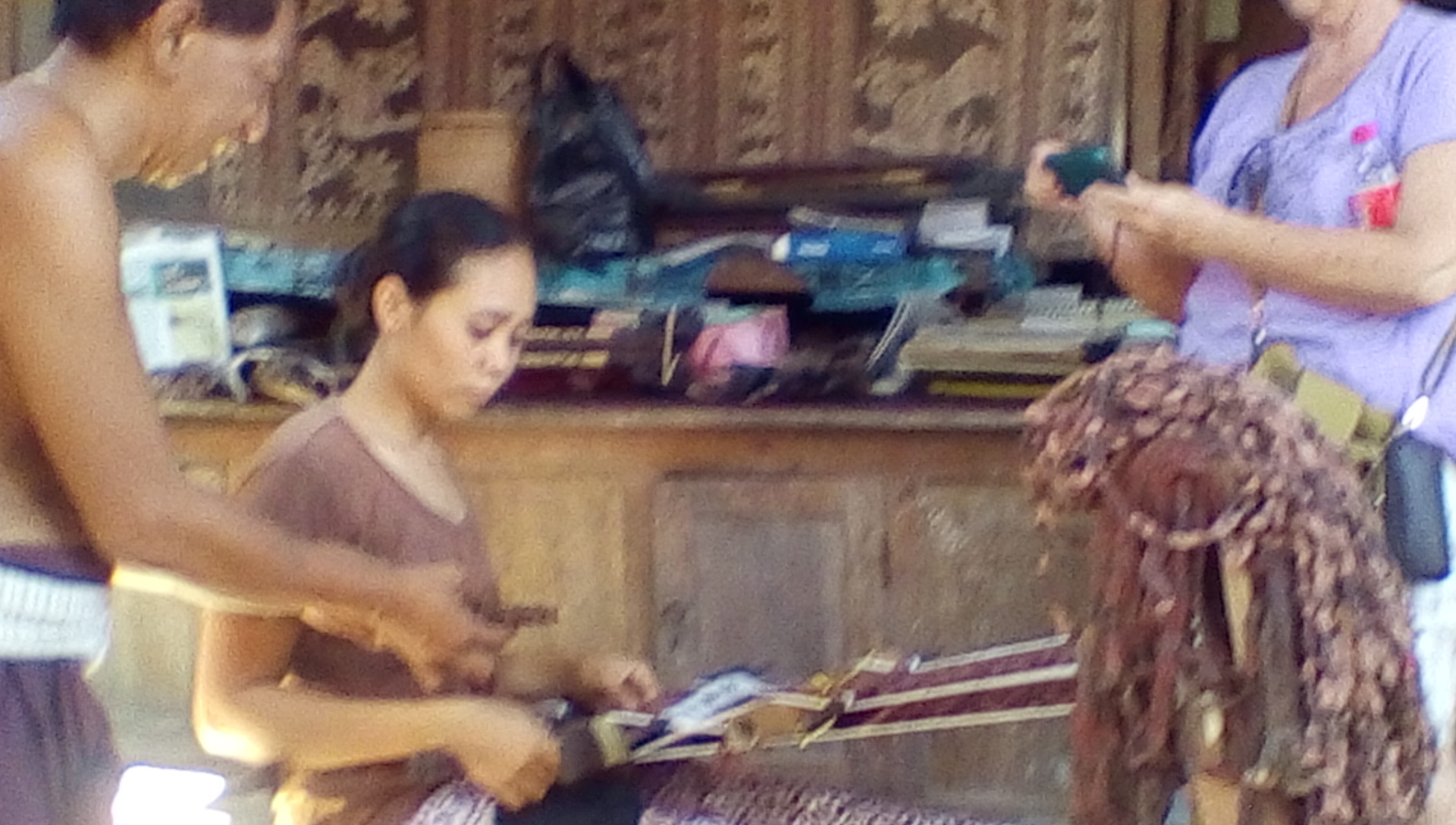
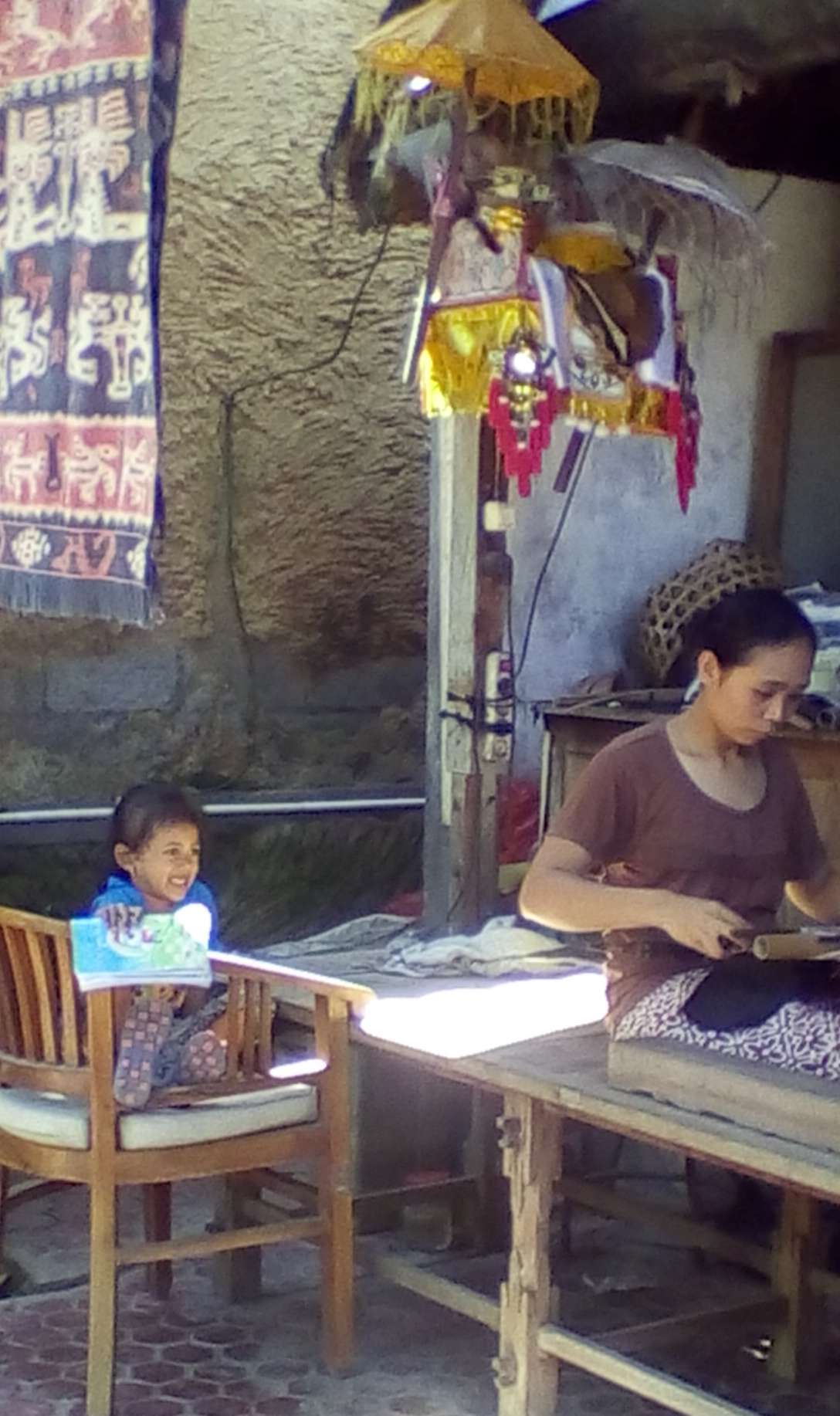
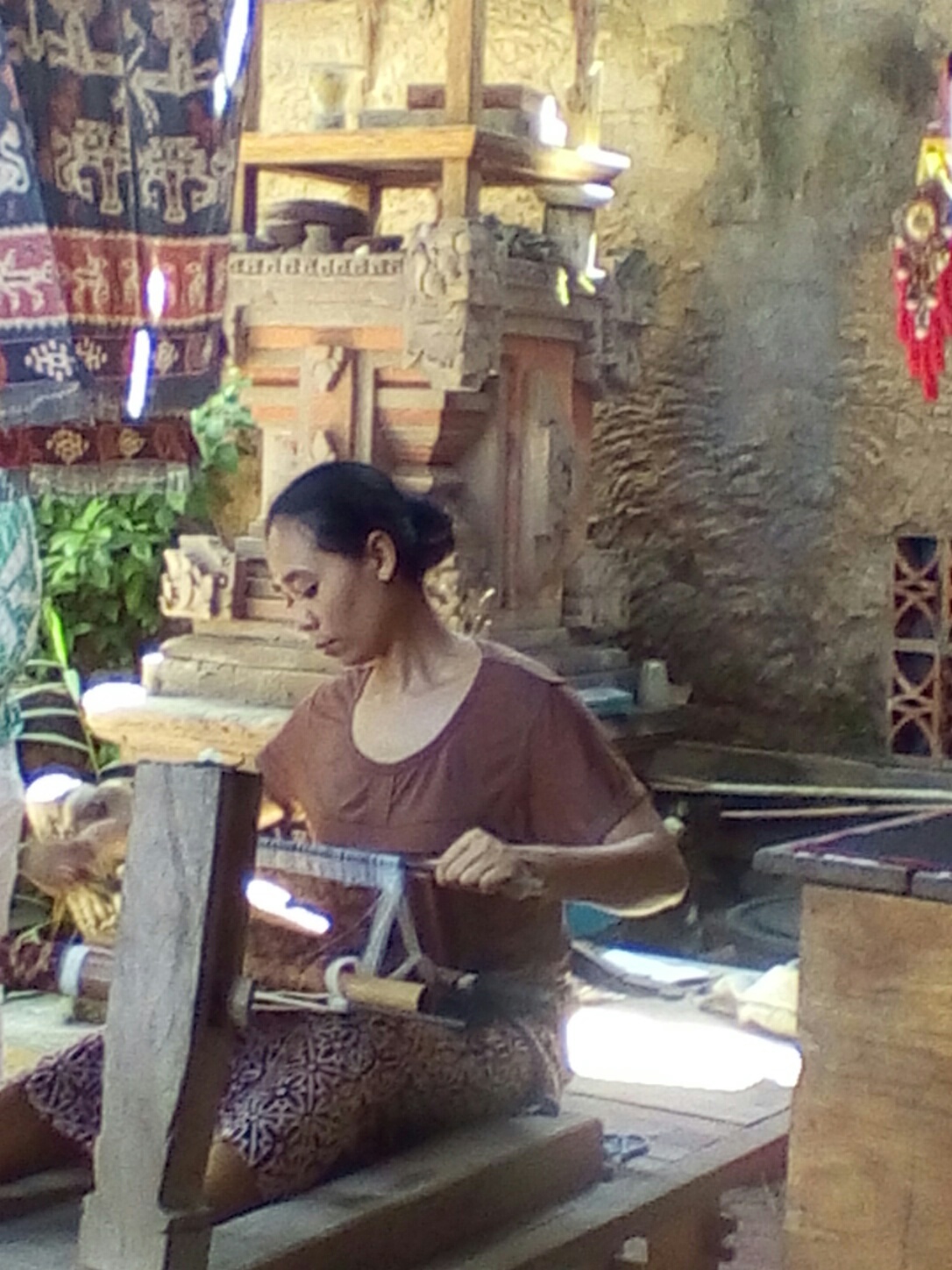
The master weaver is the fellow on the left. In this type of traditional ikat the design is determined by pre-dyed and coded bundles of thread/yarn. (Look at the bundle on the right).
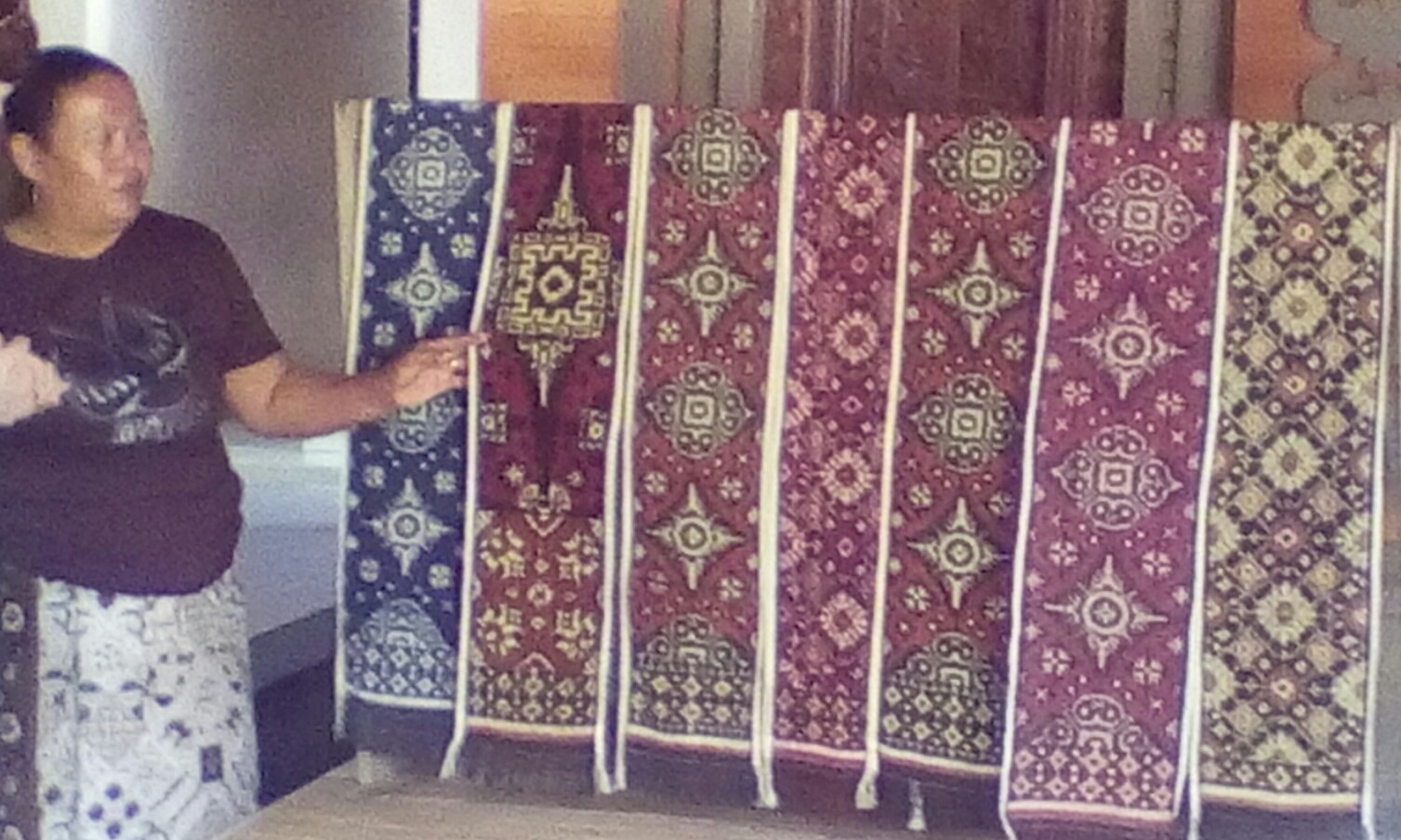
The width is determined by the size of the backstop loom, about 12″ – 14″ wide. 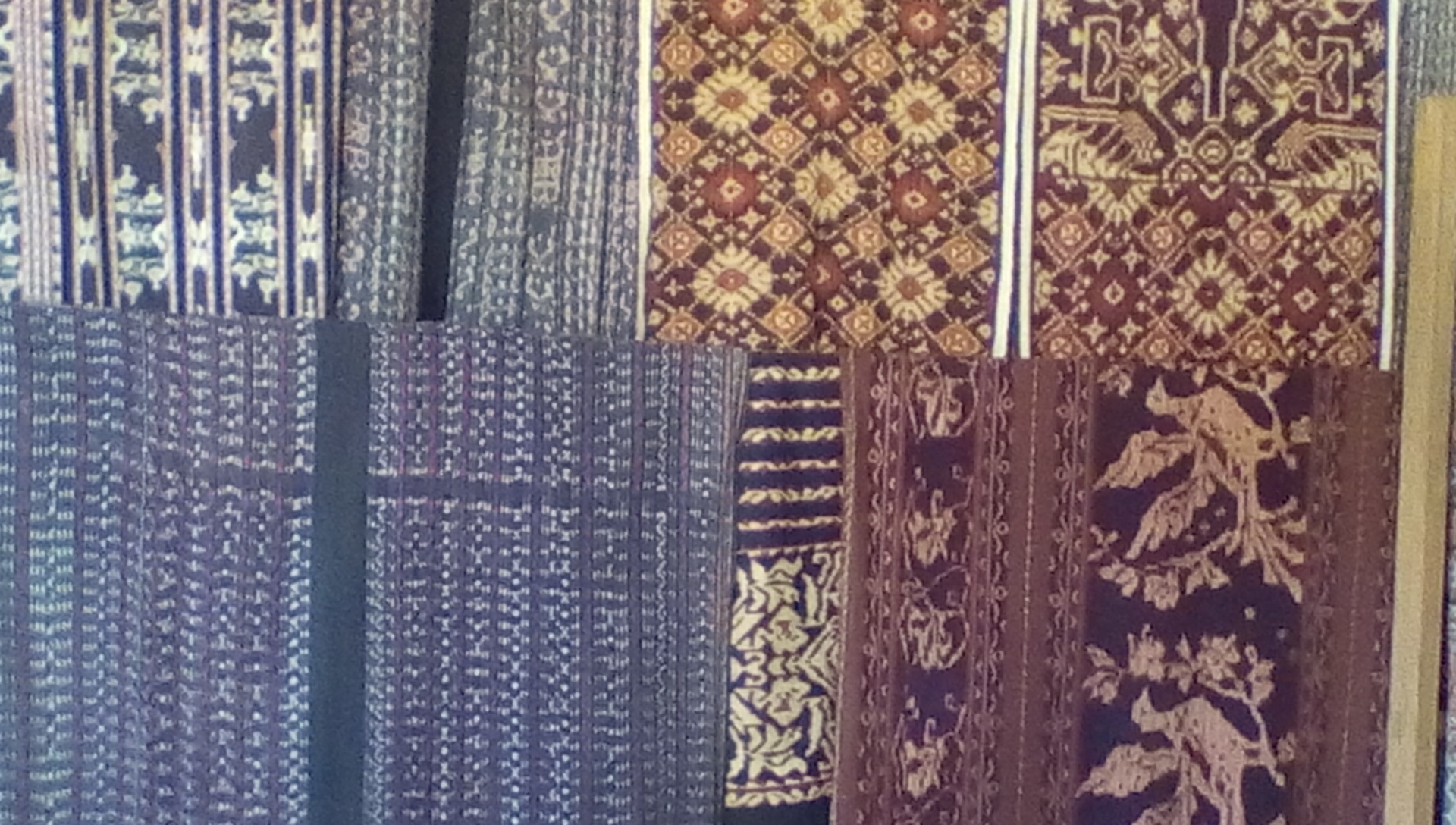
These are traditional patterns.
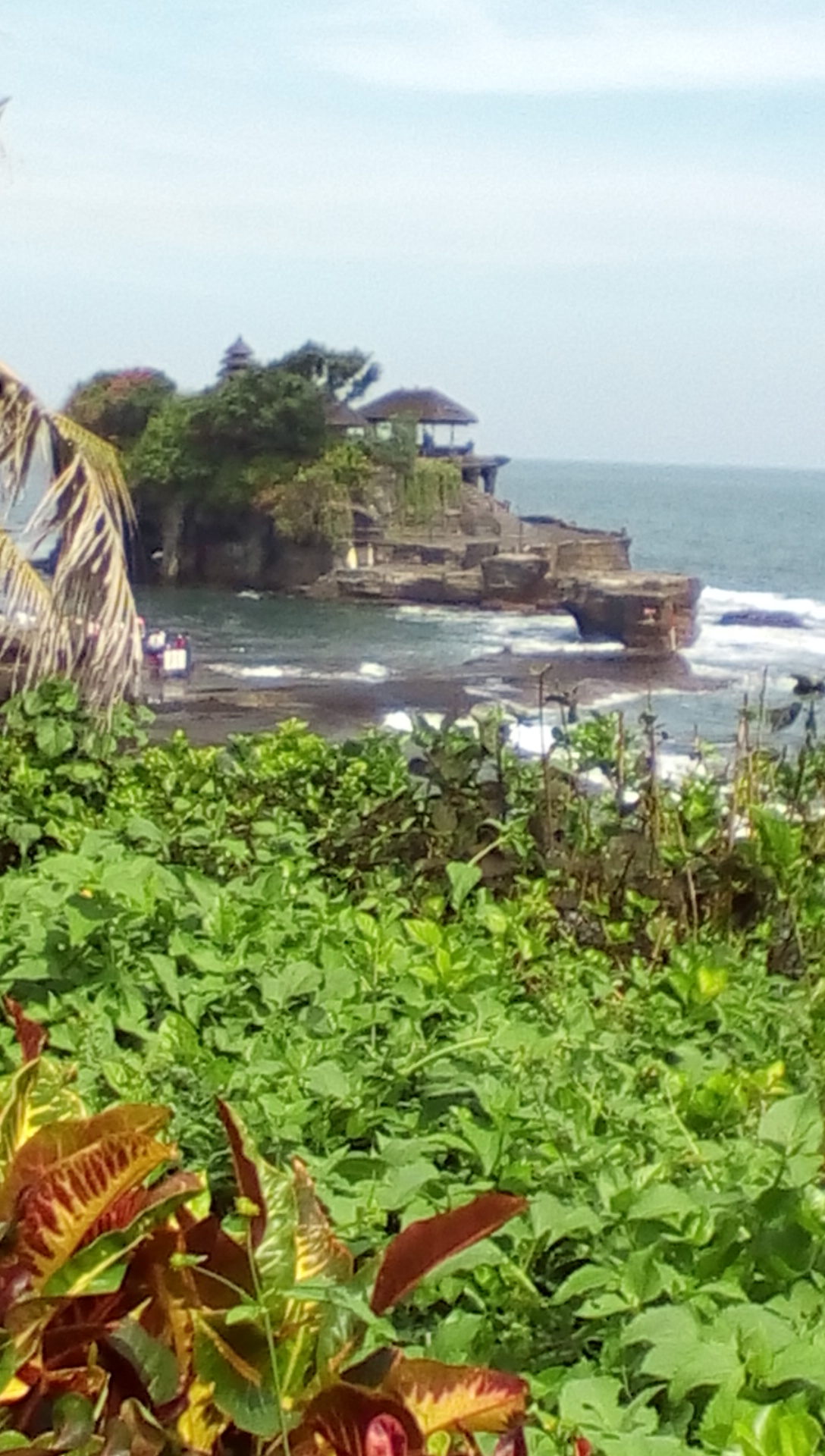
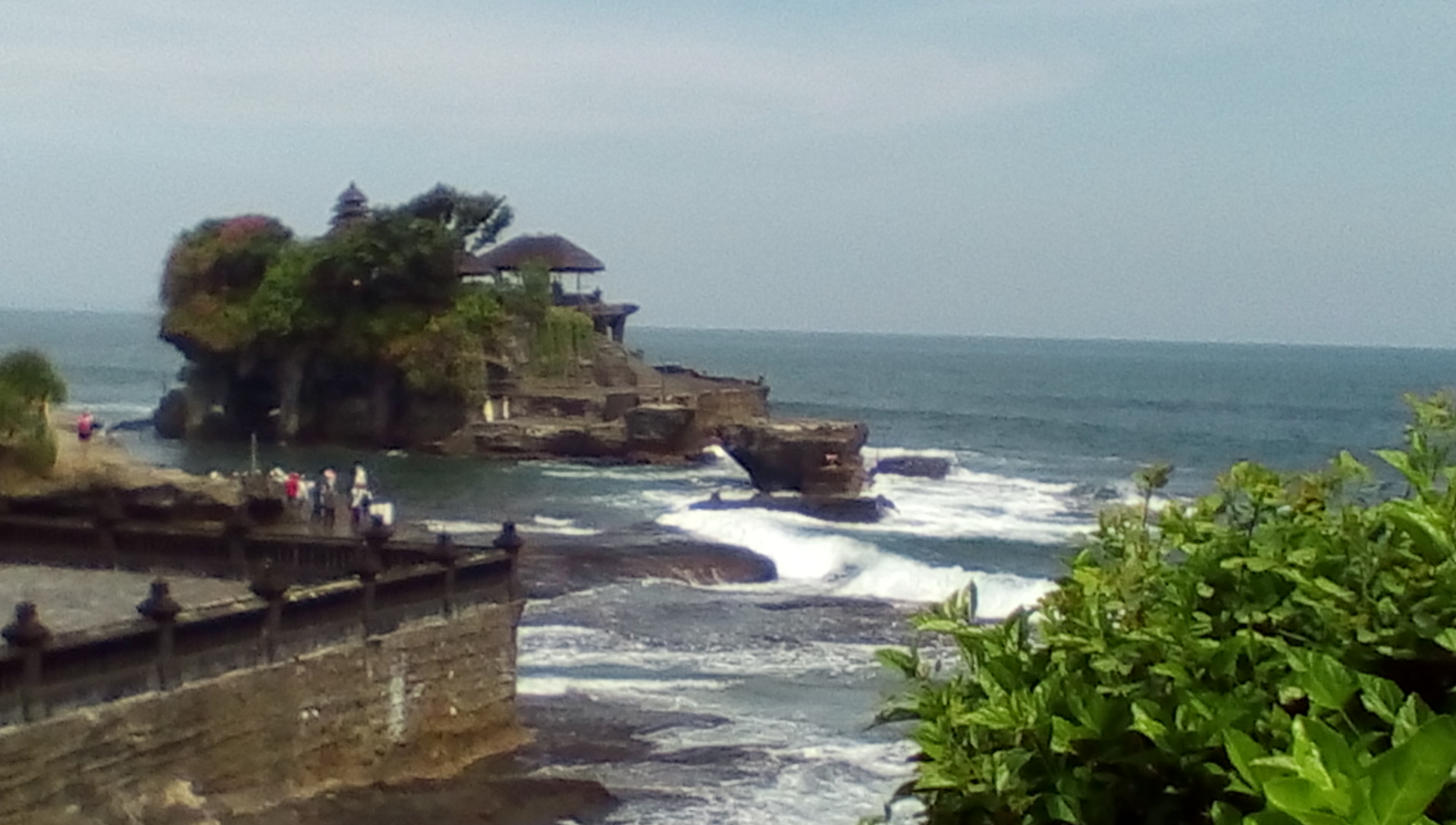
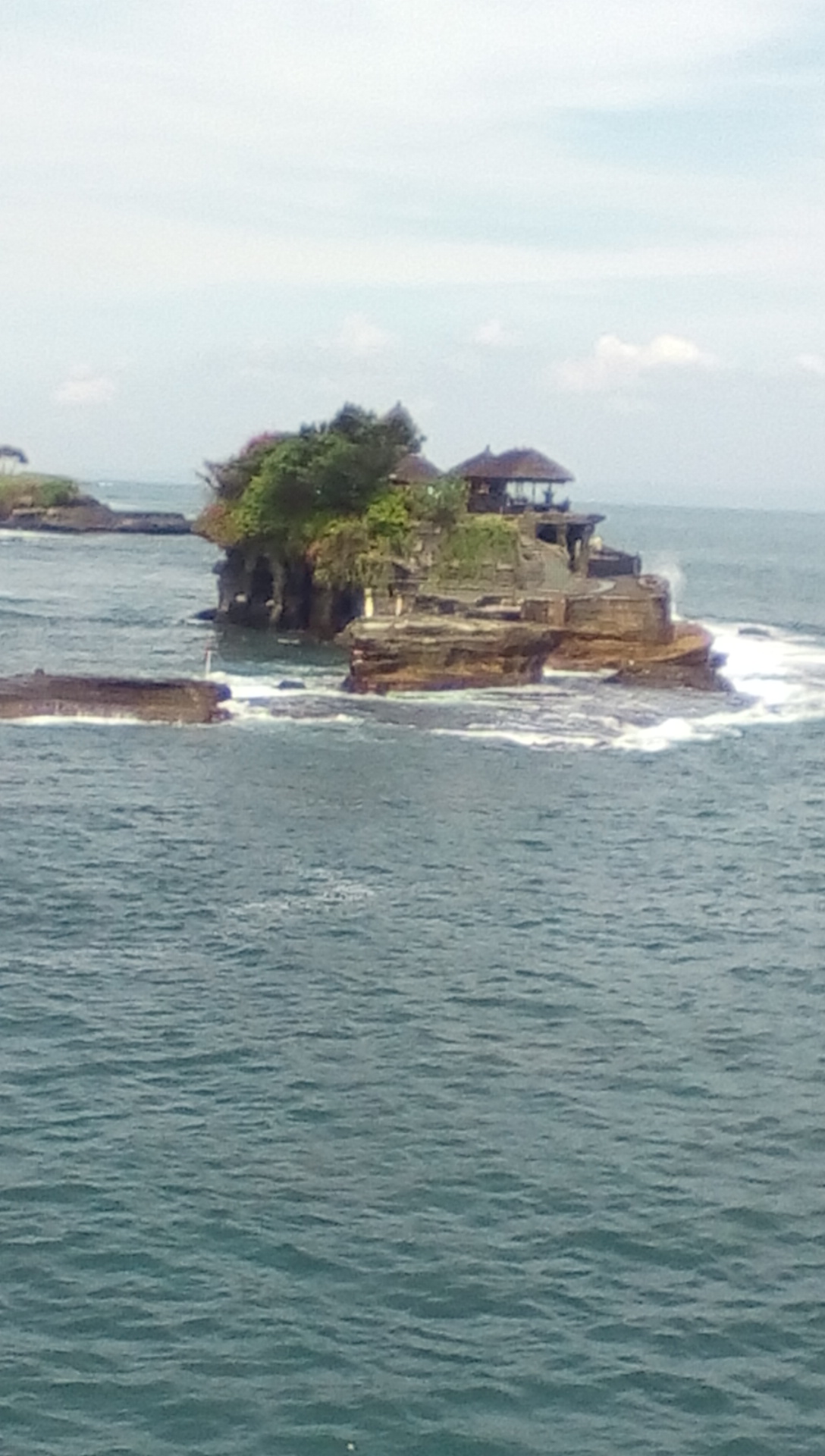
One of seven temples on the coast to protect the island.
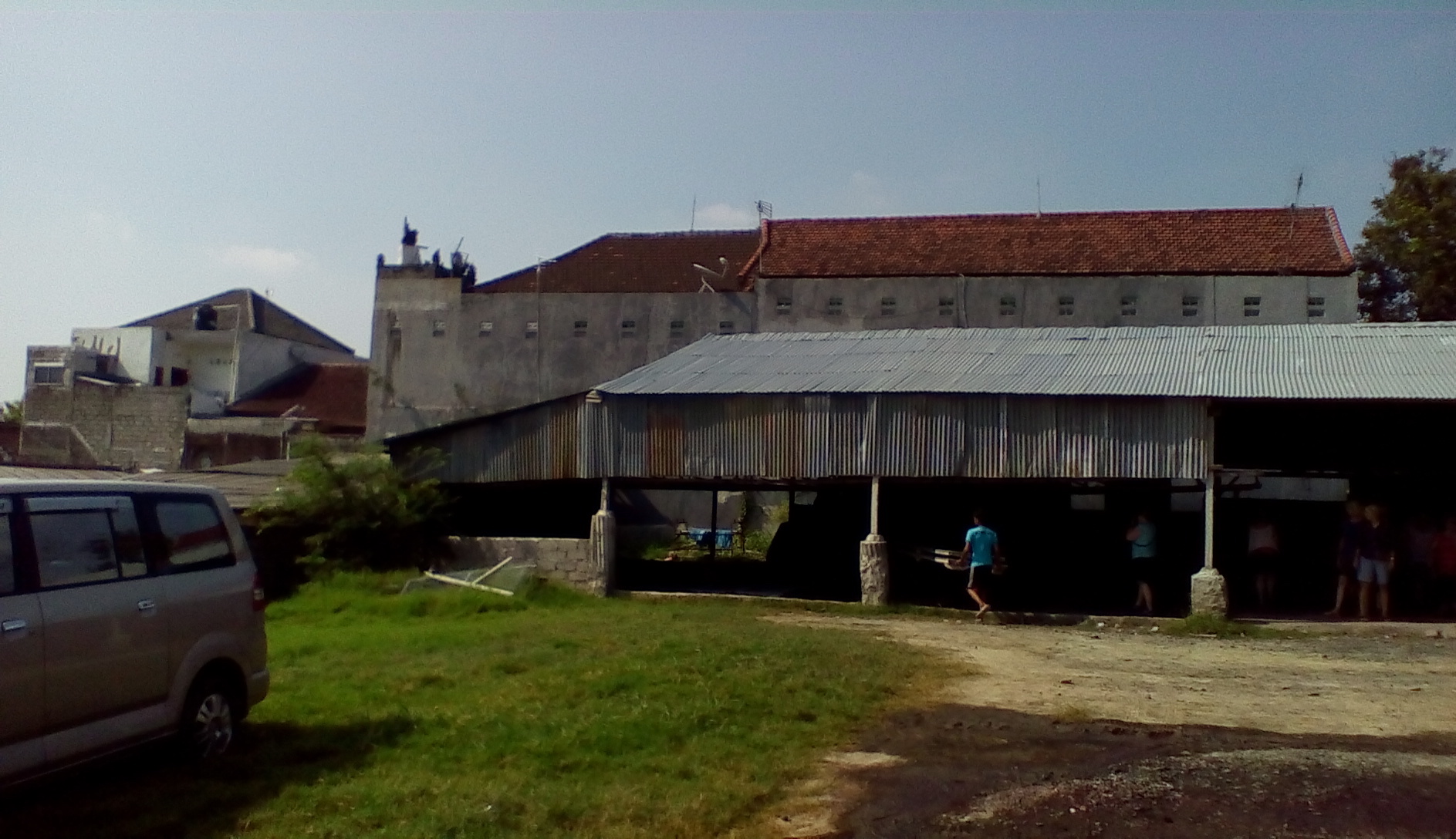
Batik production for the American, European and Asian markets takes place only during the driest parts of the year, as much of the process goes on outside and in covered, but open sheds, as above.
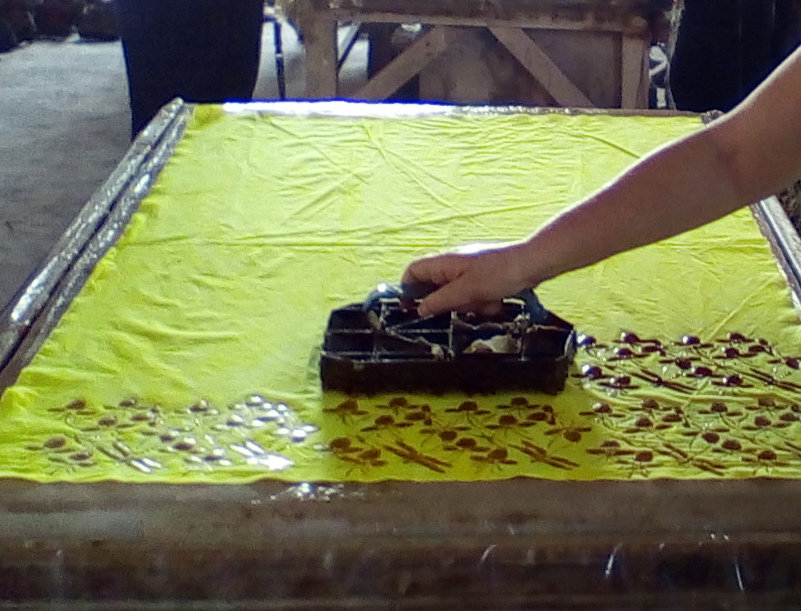
We had the good fortune to be able to try our hand at batik printing with hot wax.
The fabric workers can print quickly and accurately with the wax. Most of the workers are from Java and do batik printing as seasonal work, being away from home for six to eight weeks at a time.
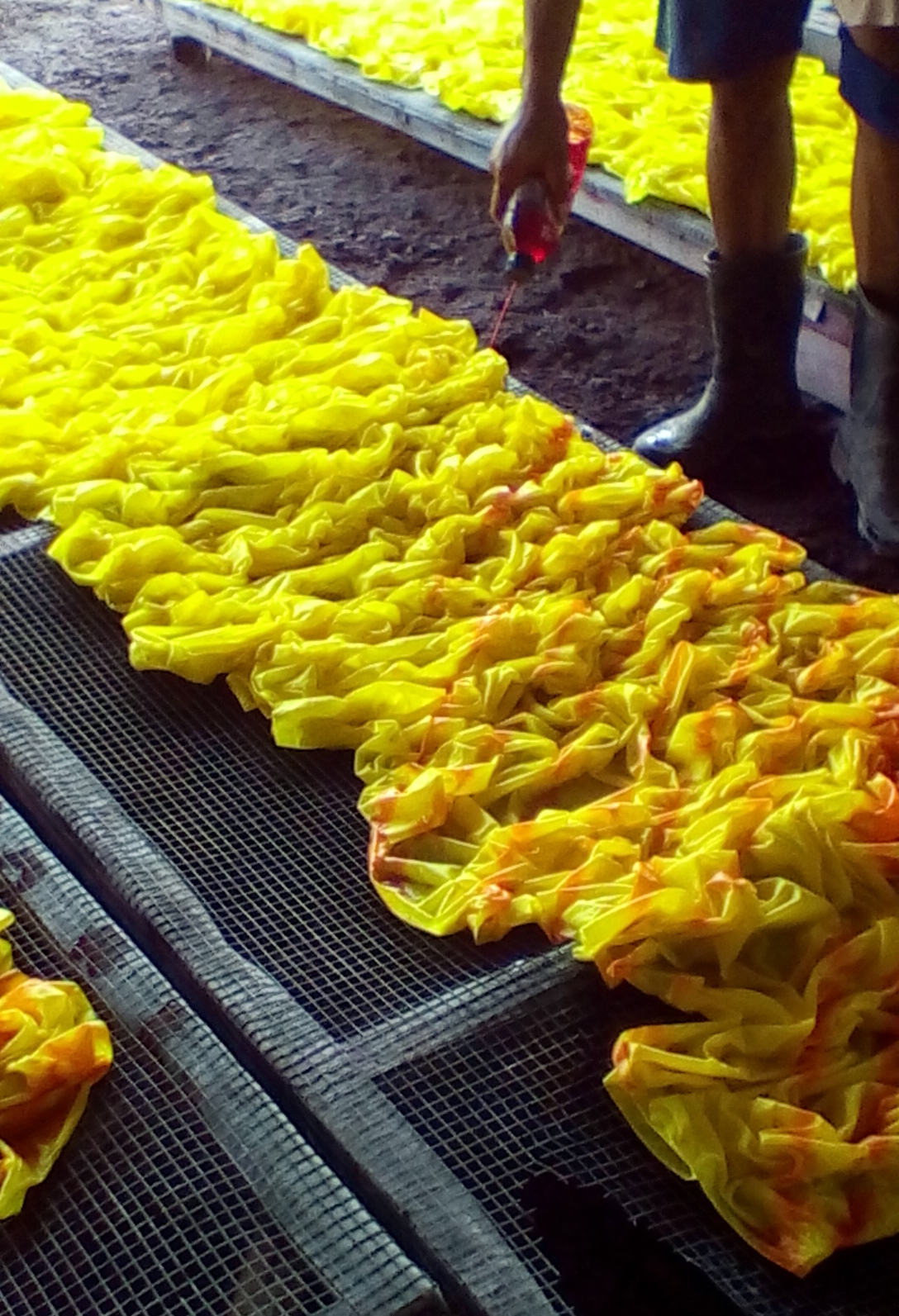
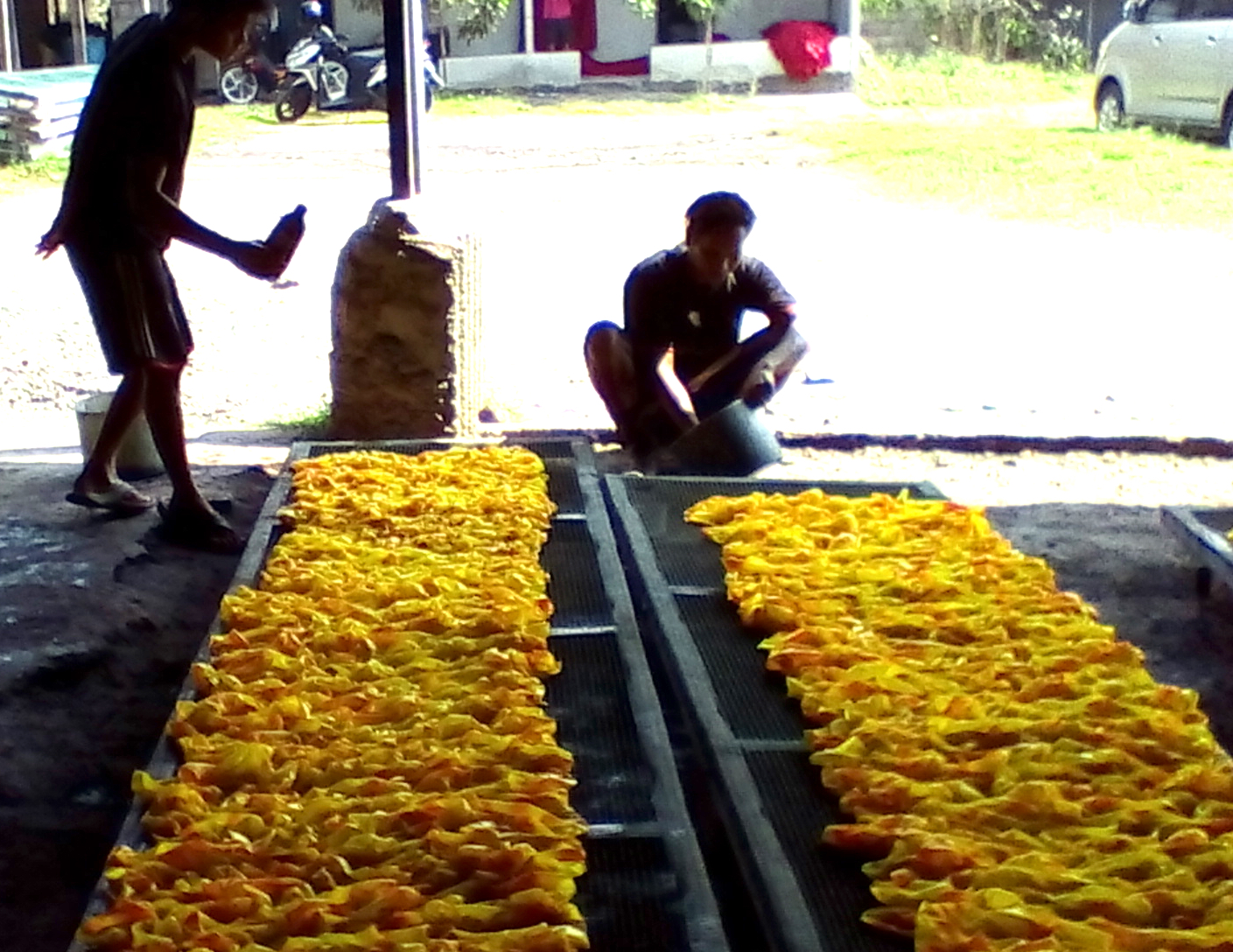
Squirting dye for a random background.

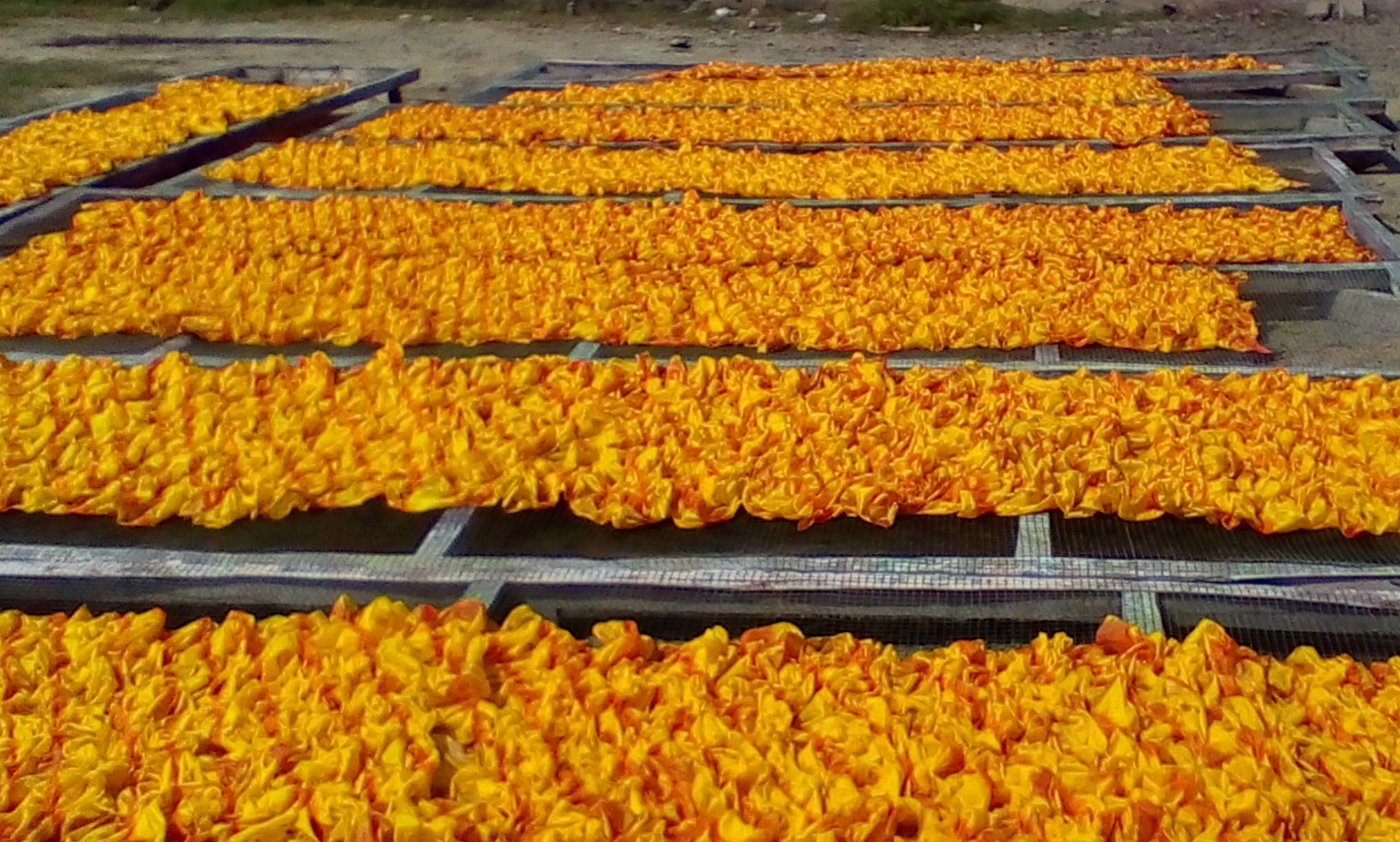
Racks of fabric out to dry.
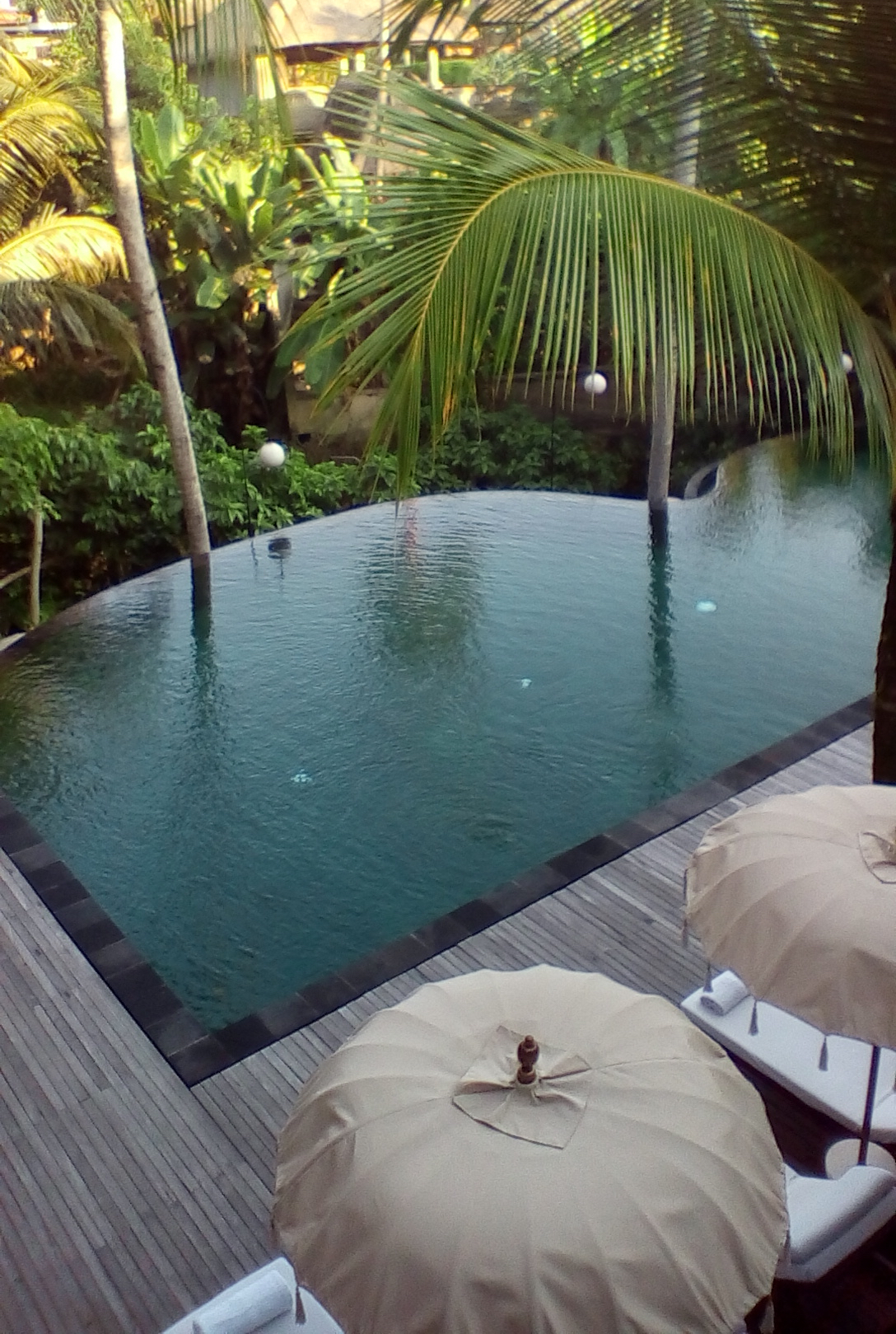
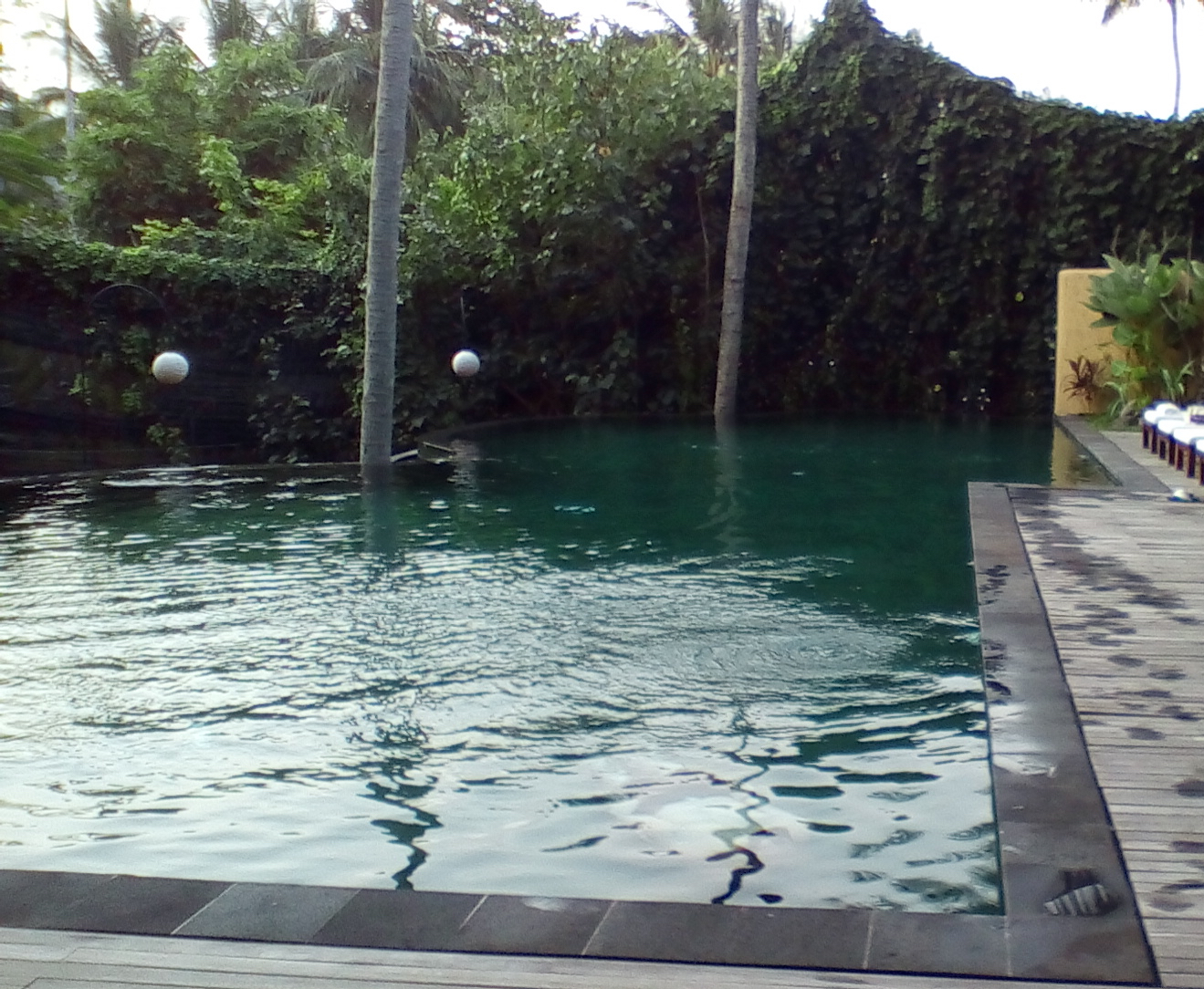
Stunning infinity pool
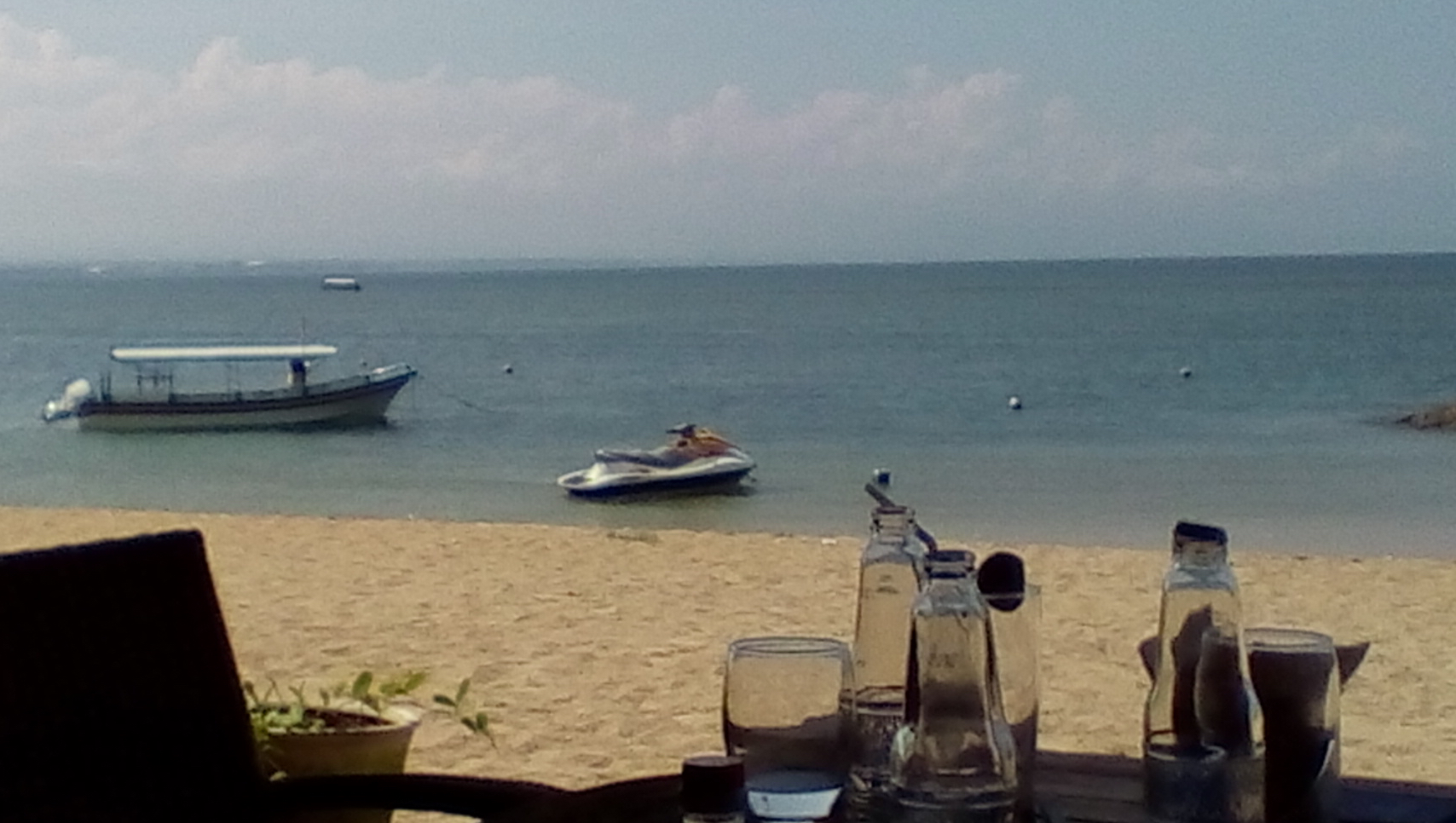
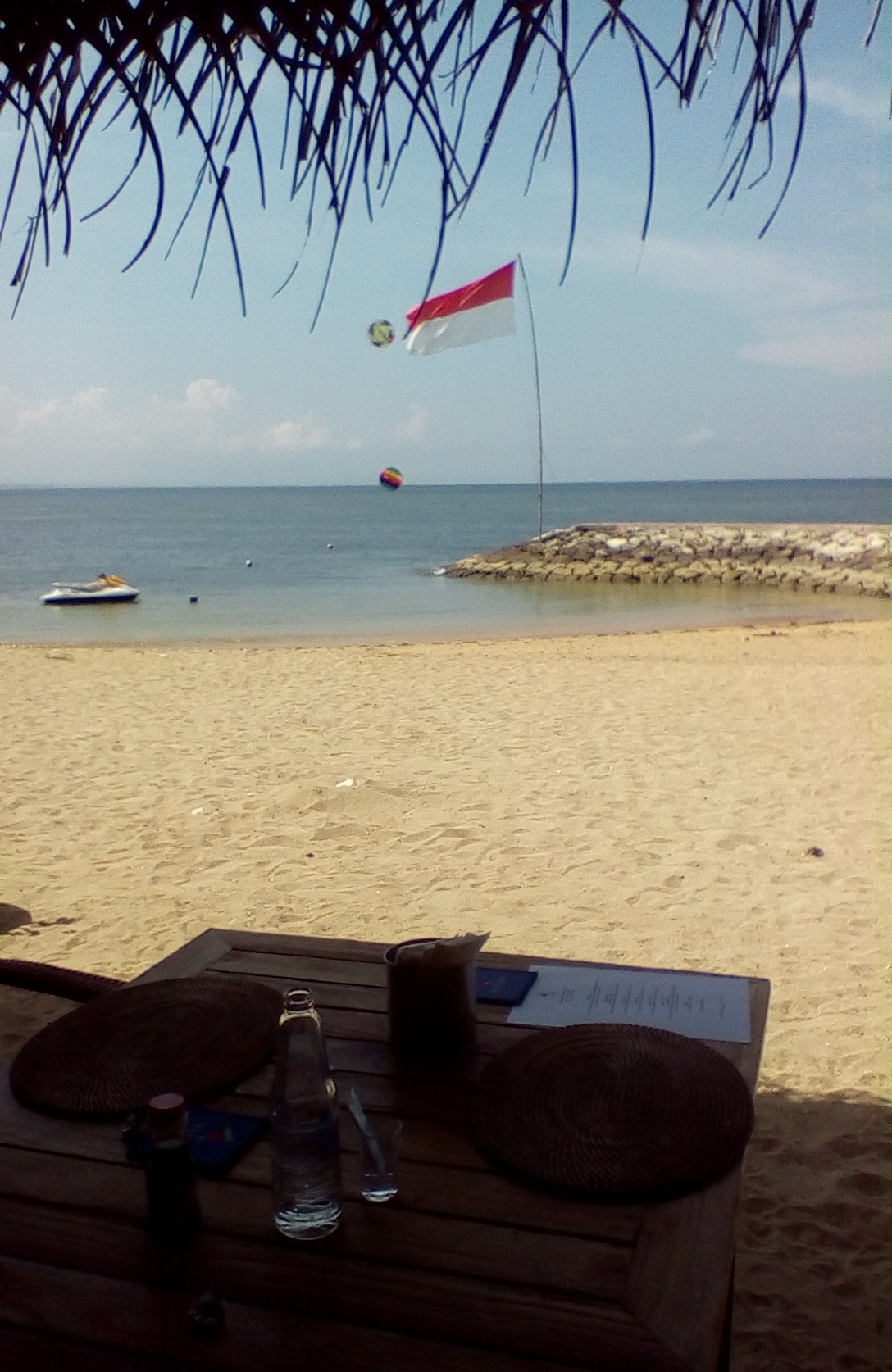
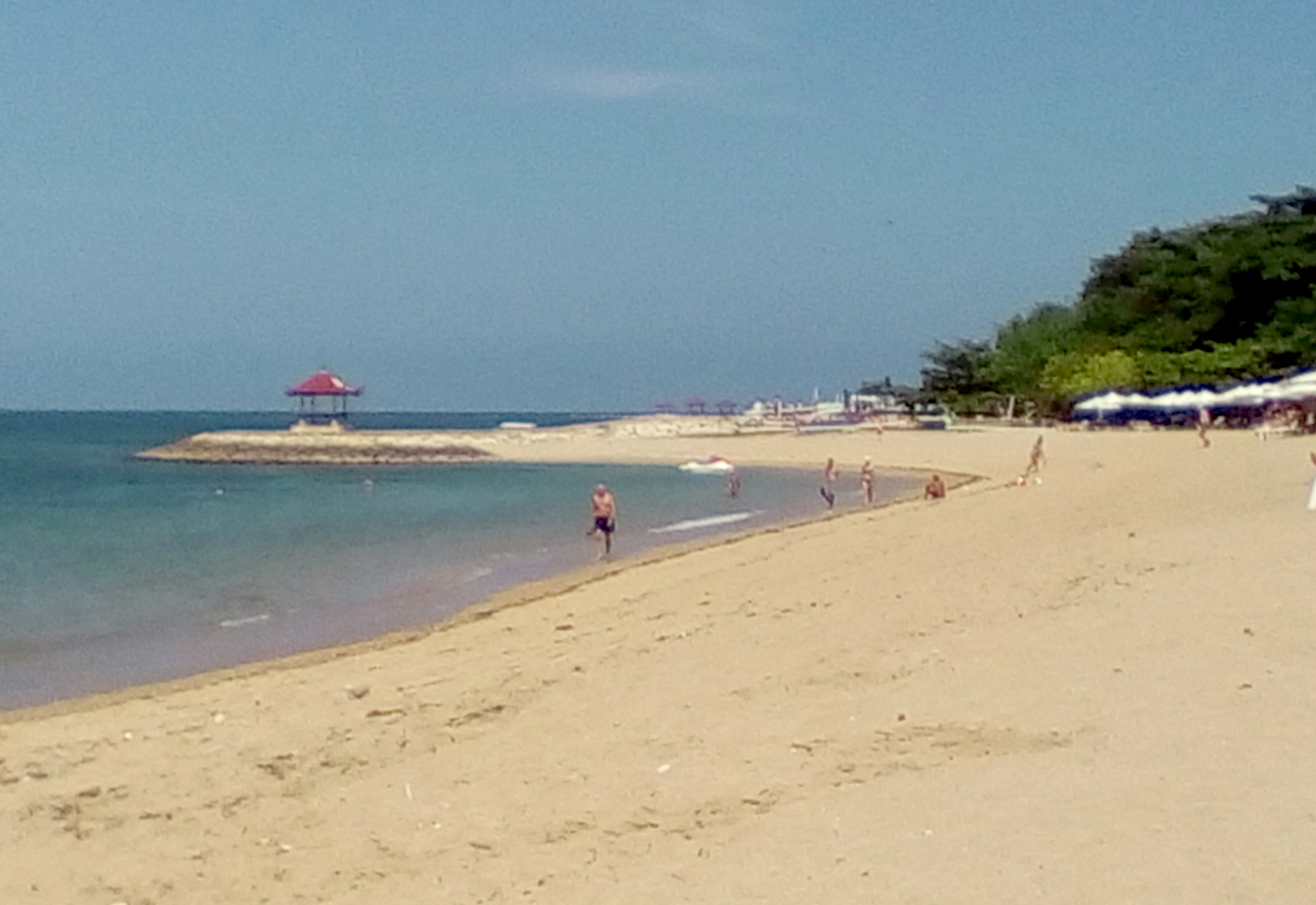
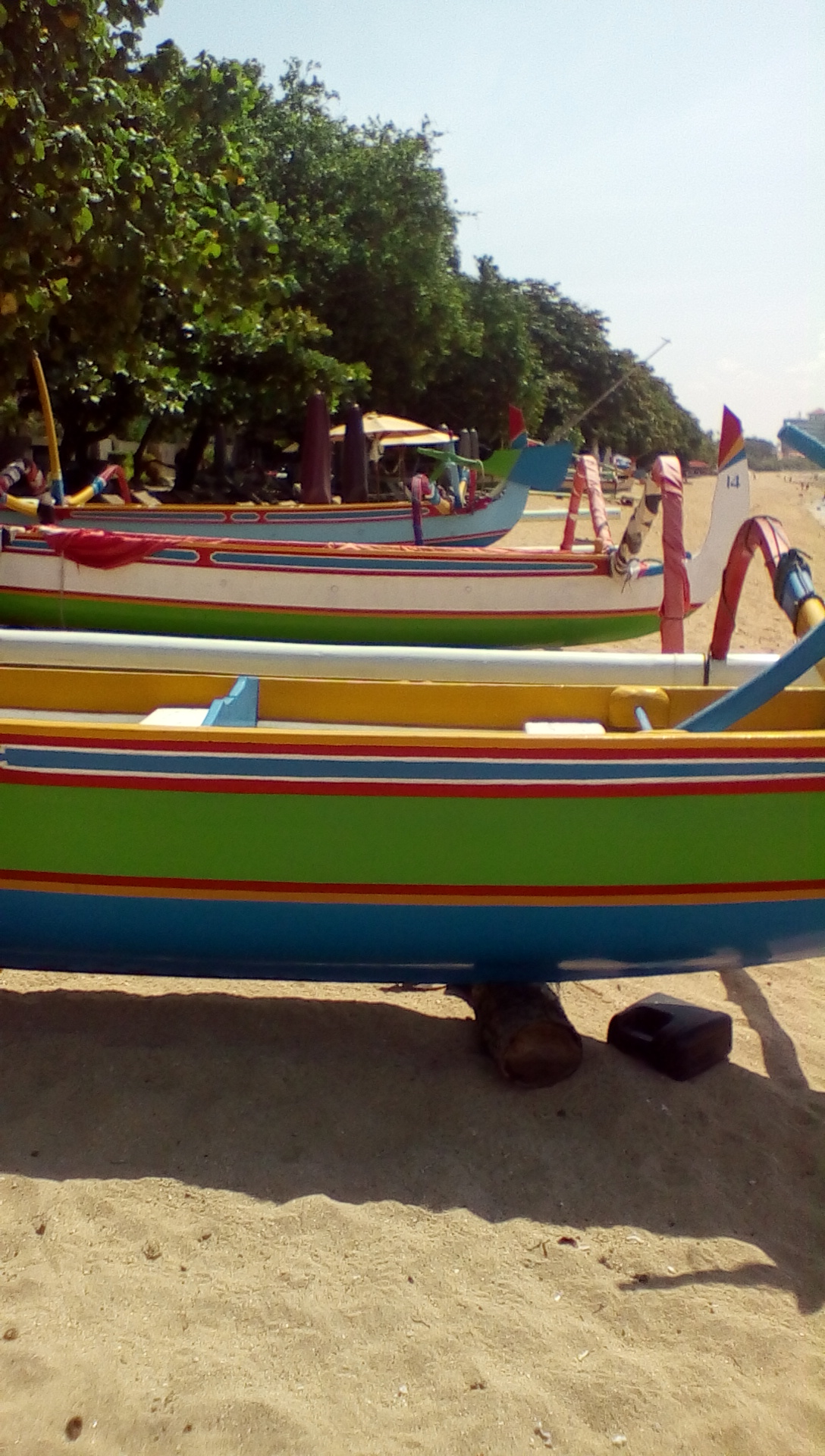
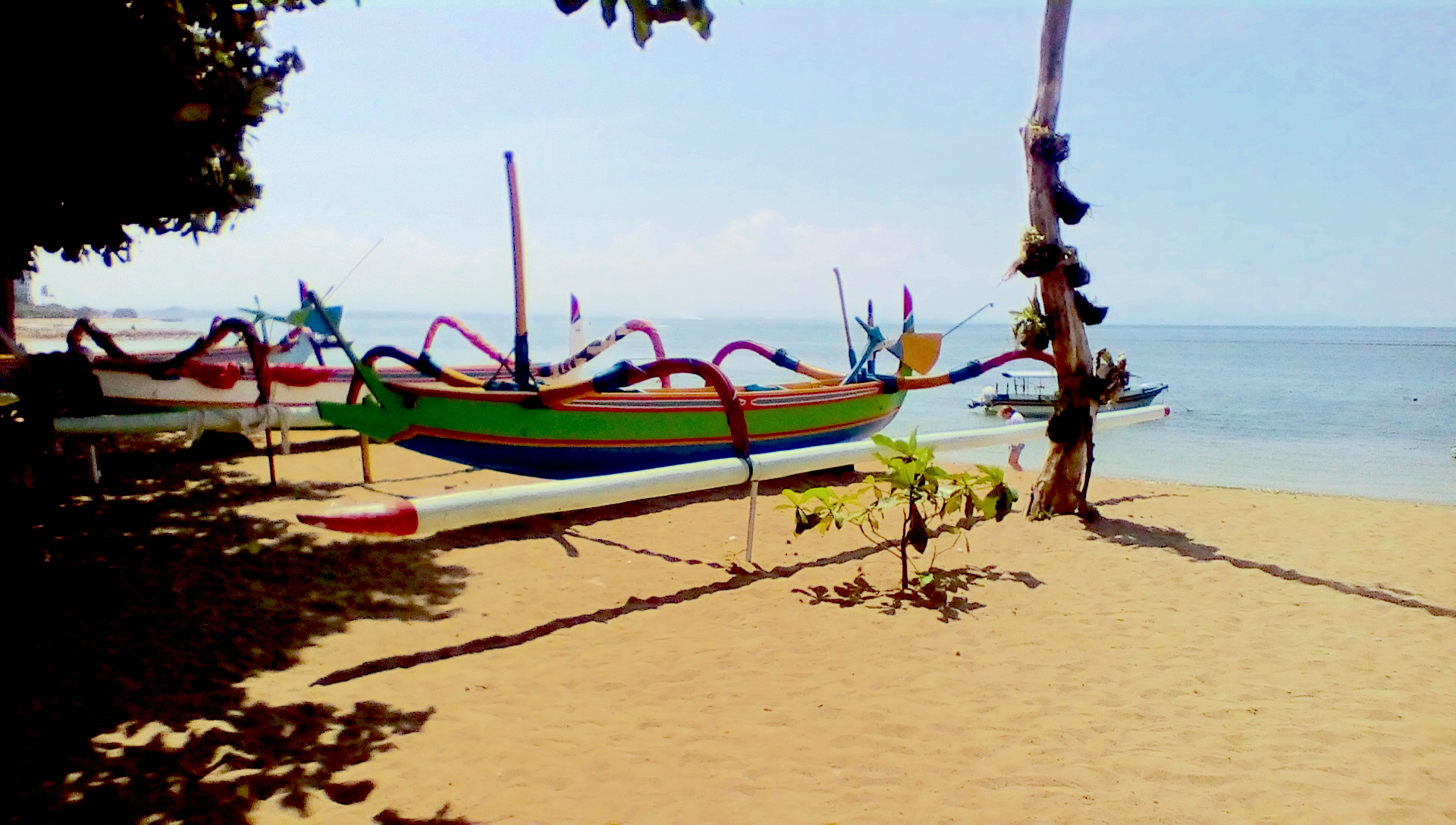
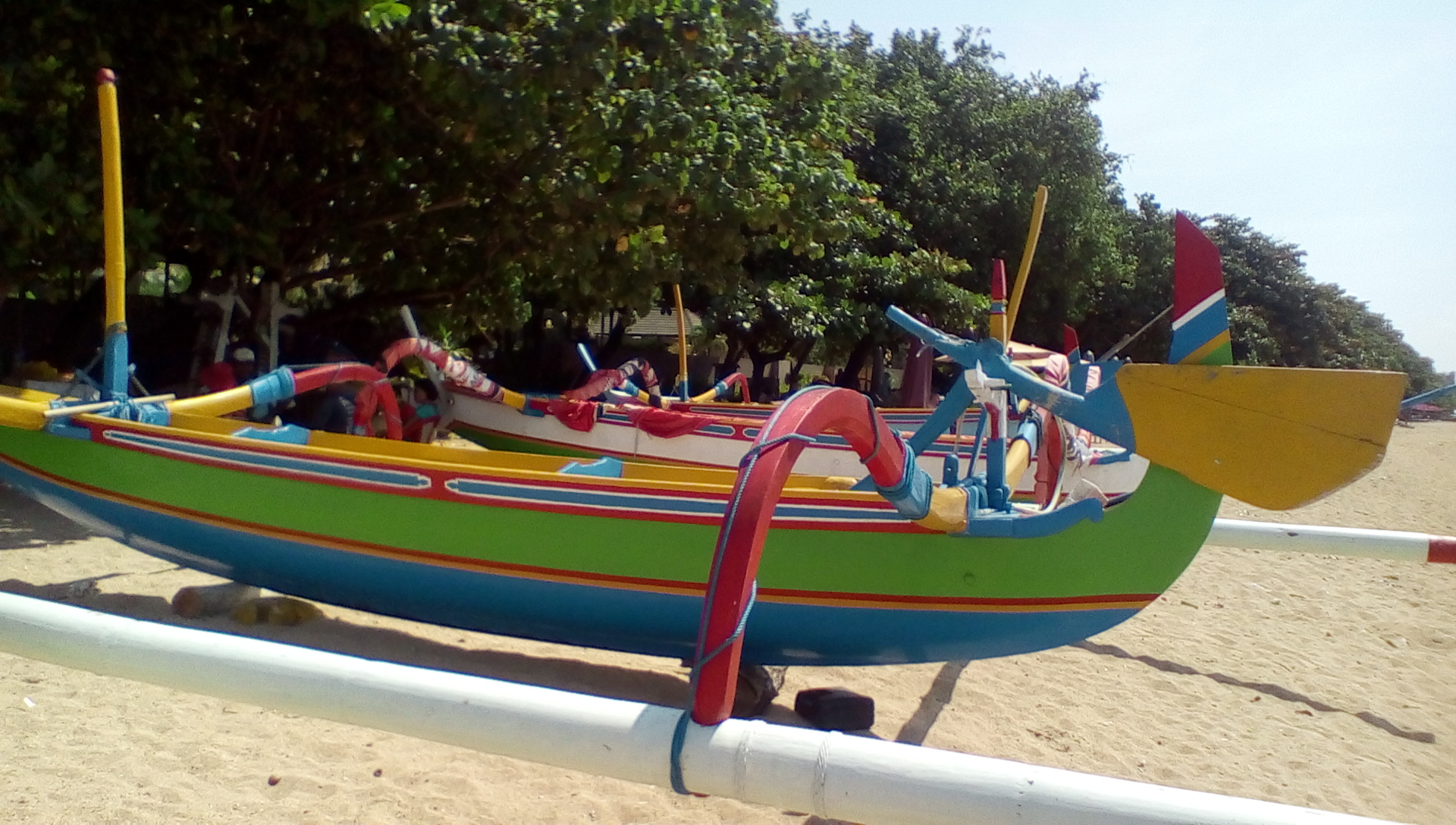
Love these double outrigger canoes with sails.
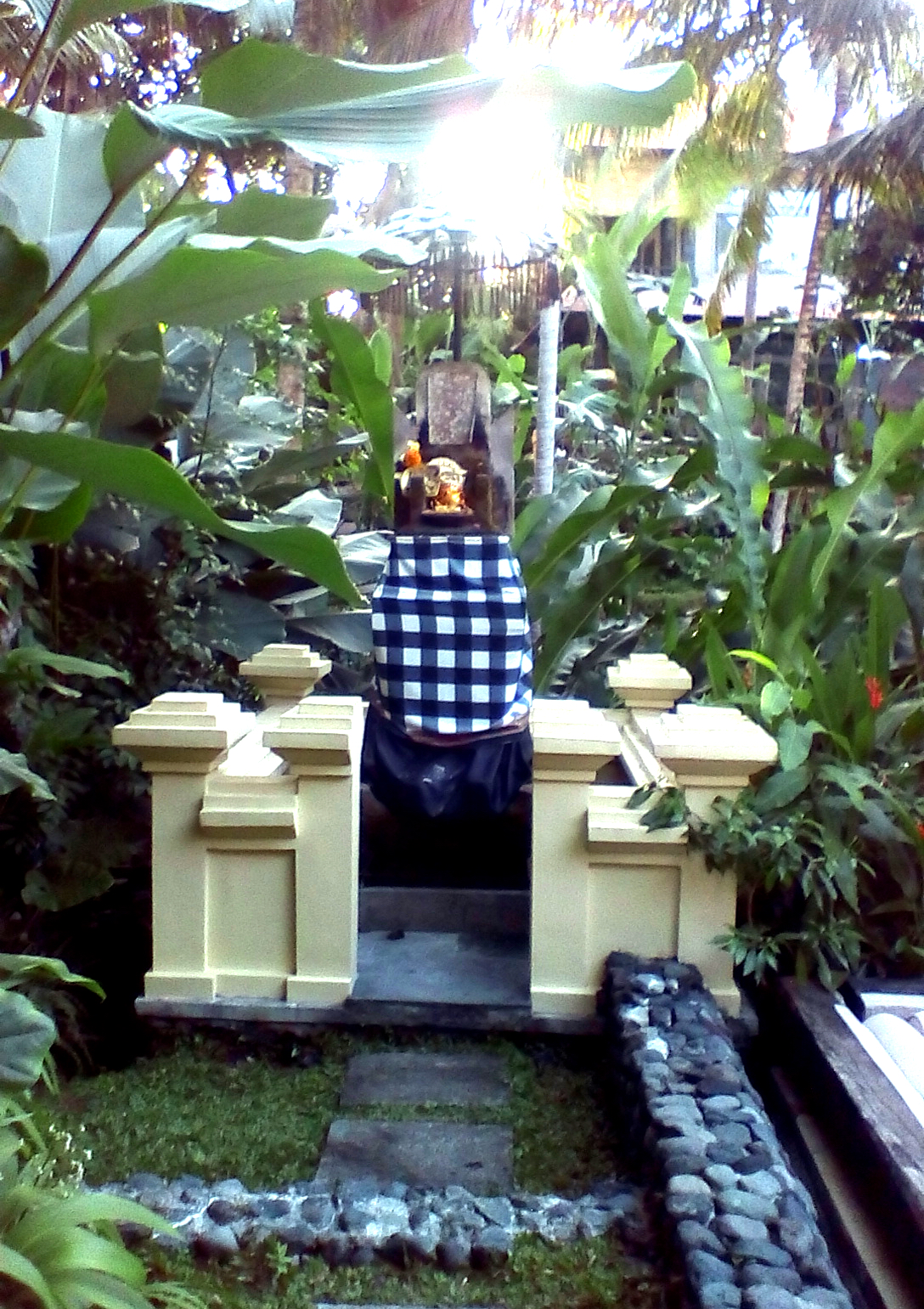
And finally, one of the many Hindu shrines you see all over Bali.
Blessings and thanks to Deb Roberts tours.
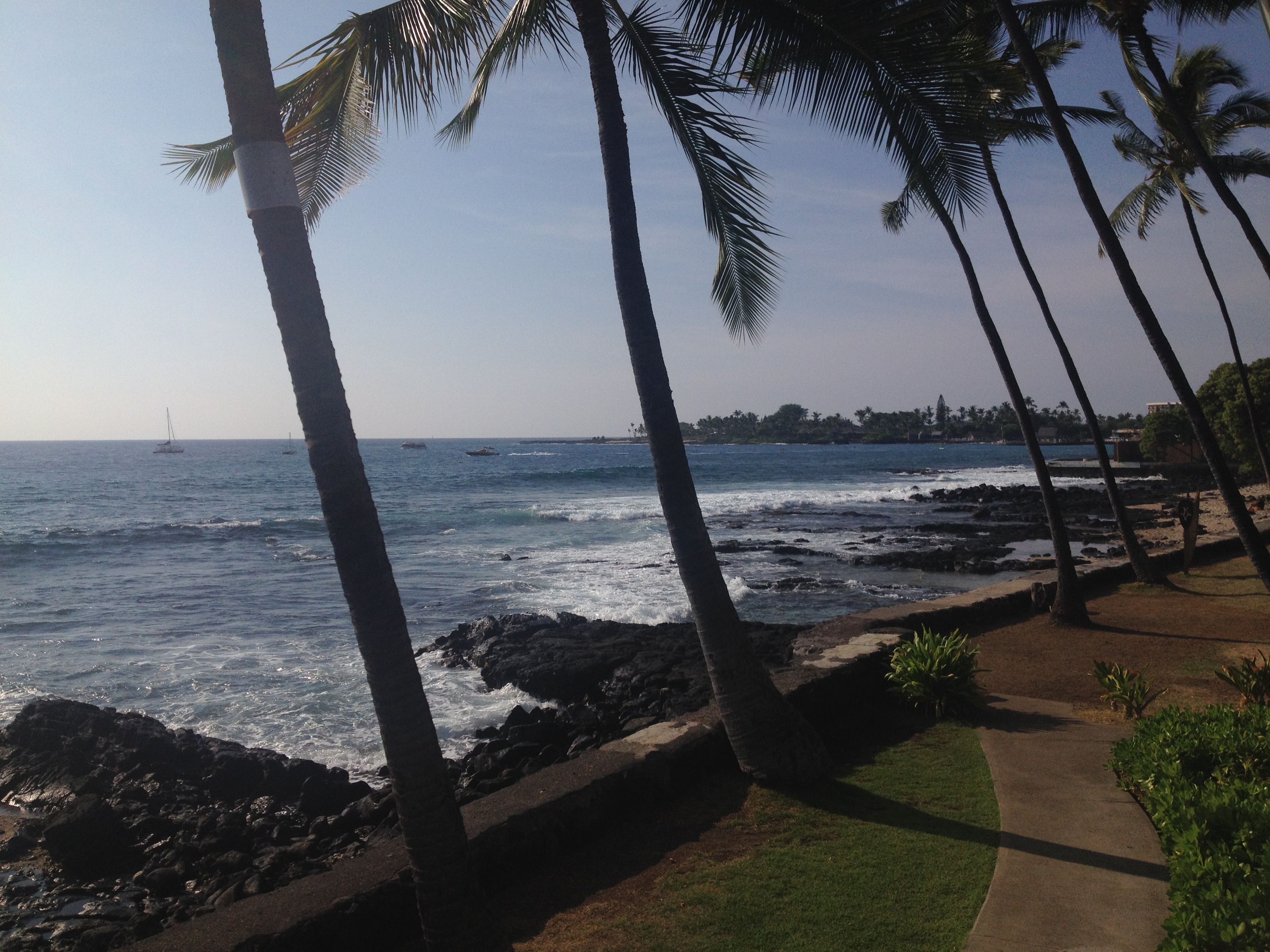
Kona Bay
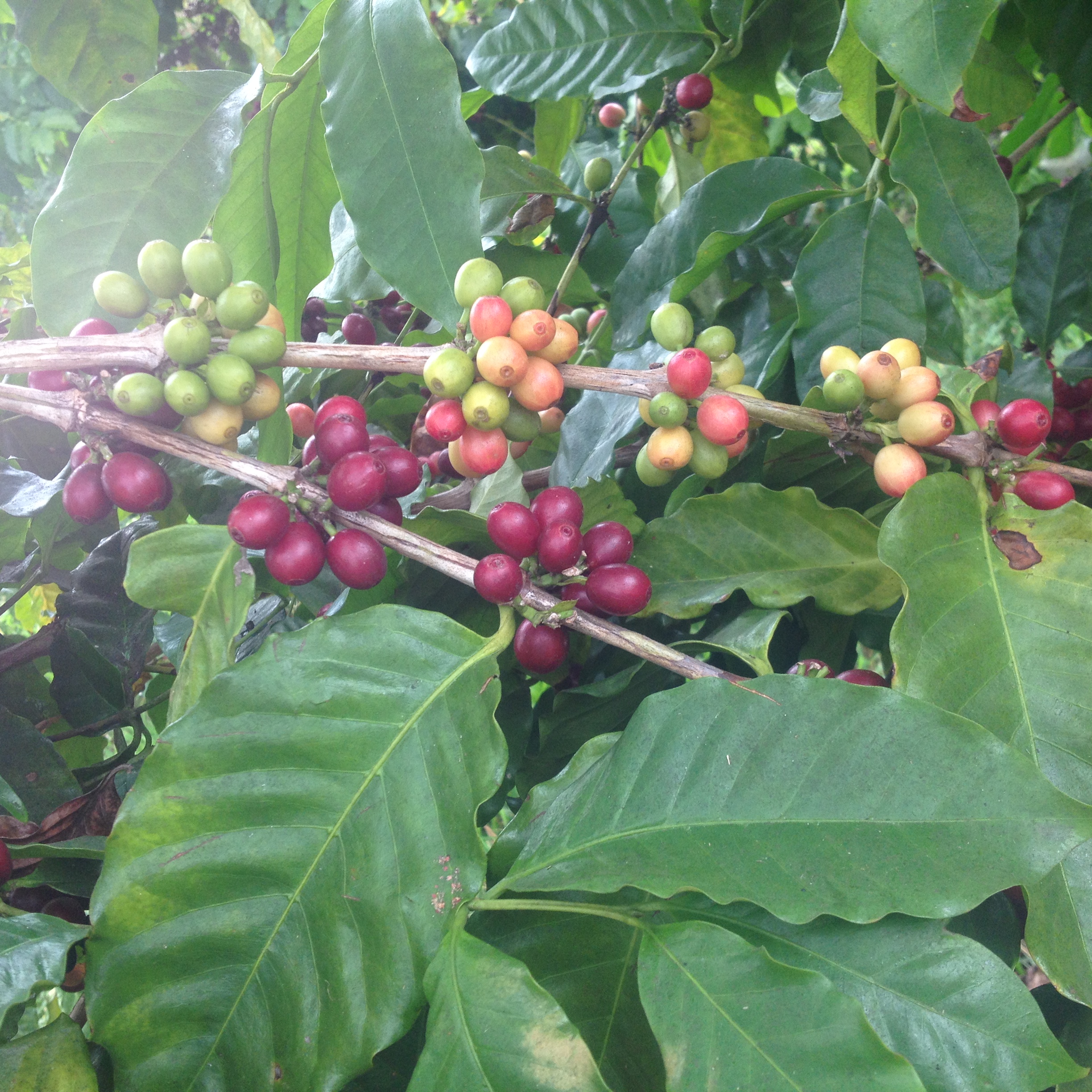
Love that Kona coffee. A coffee plantation tour brings an appreciation of the labor intensive nature of this crop.
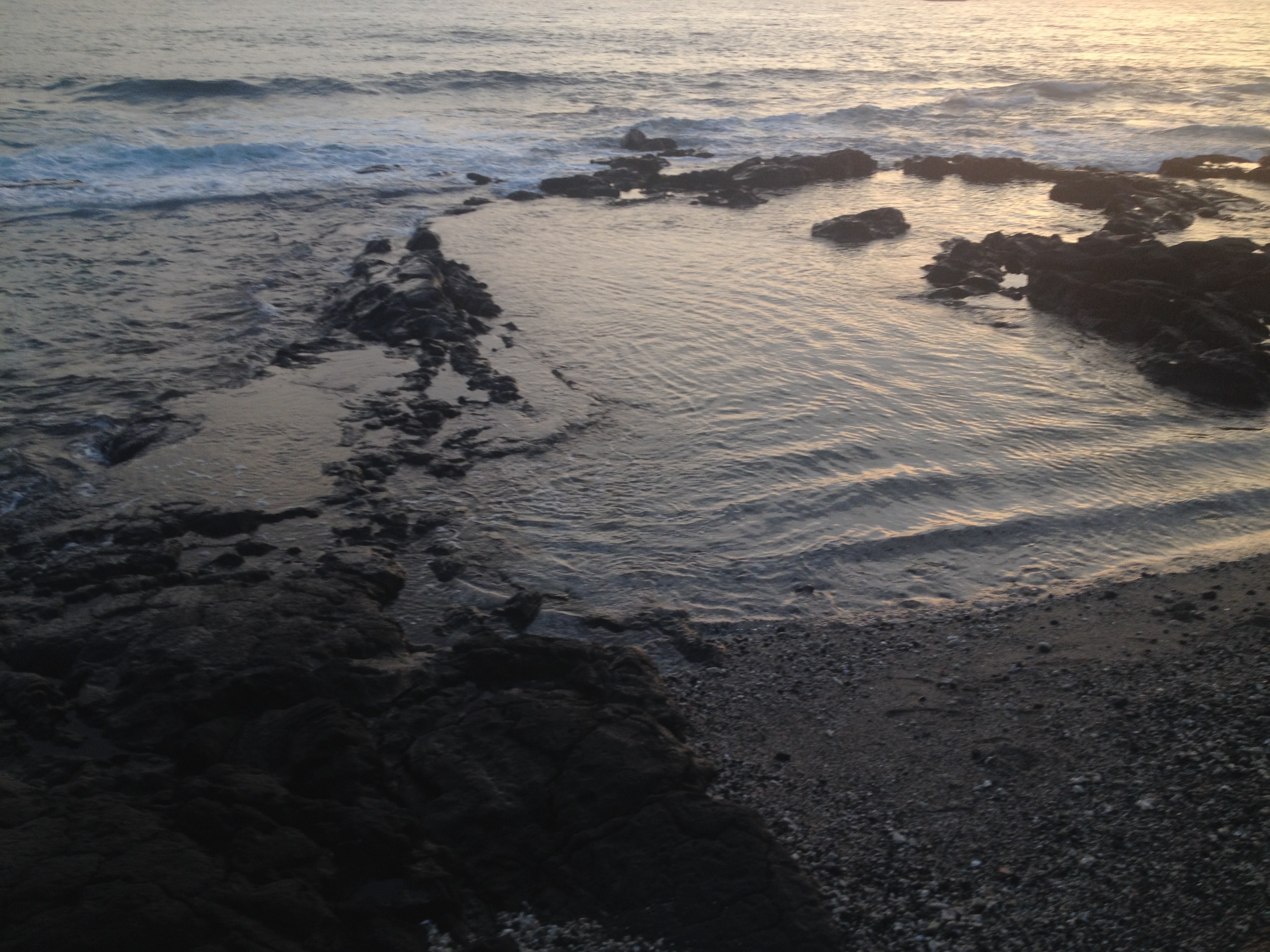
Kona Coast
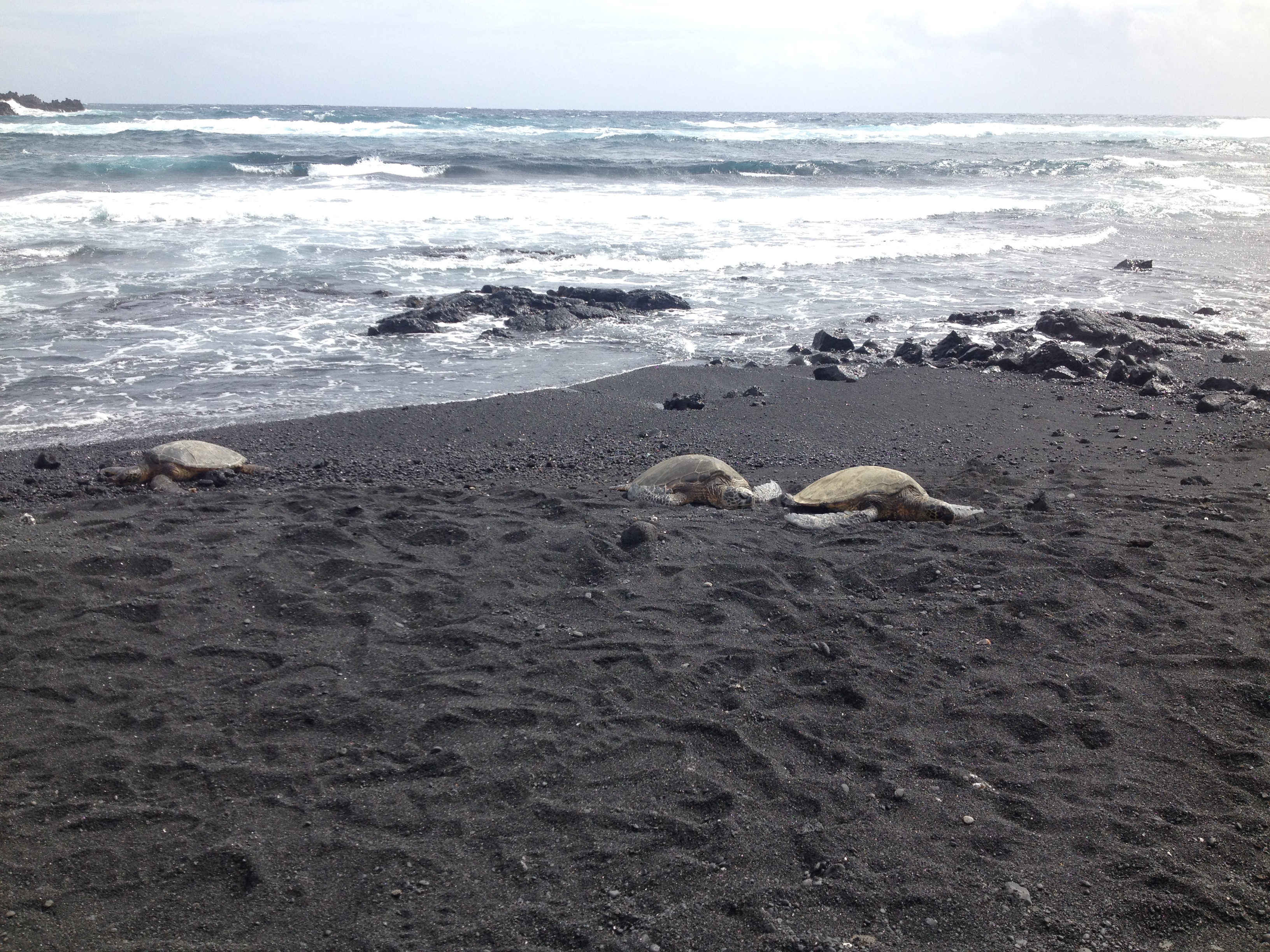
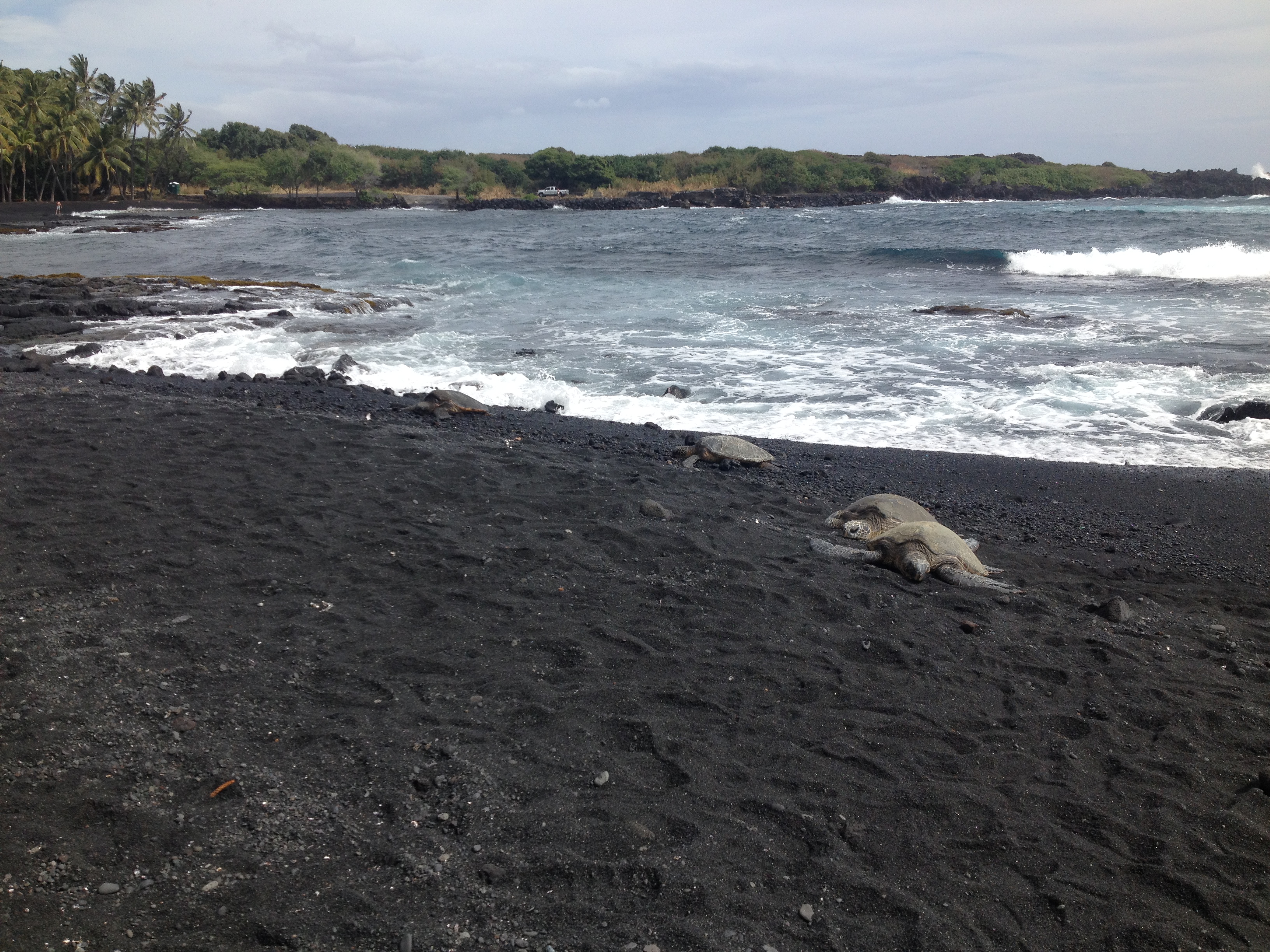
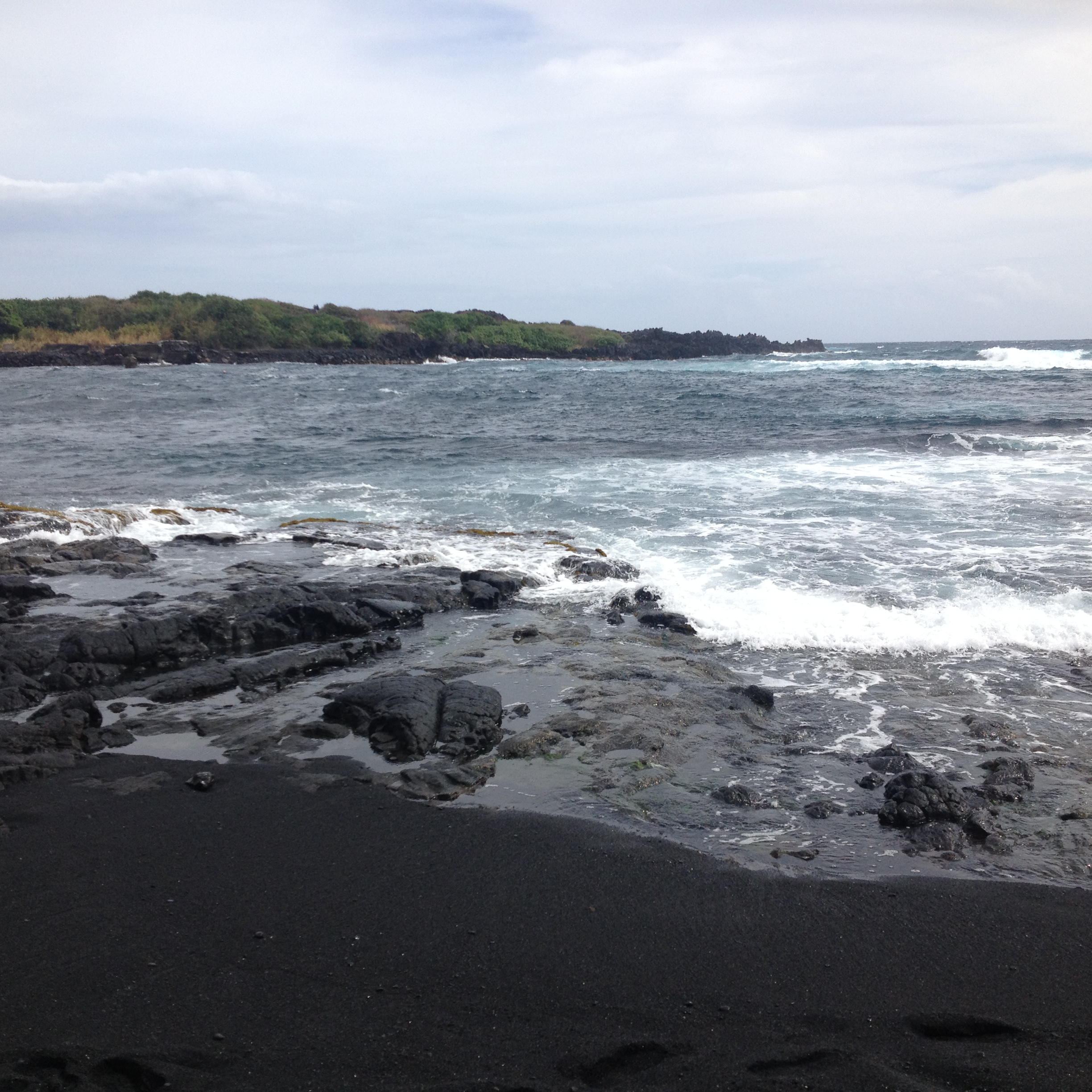
On the Hilo side: Black sand beaches and turtles.

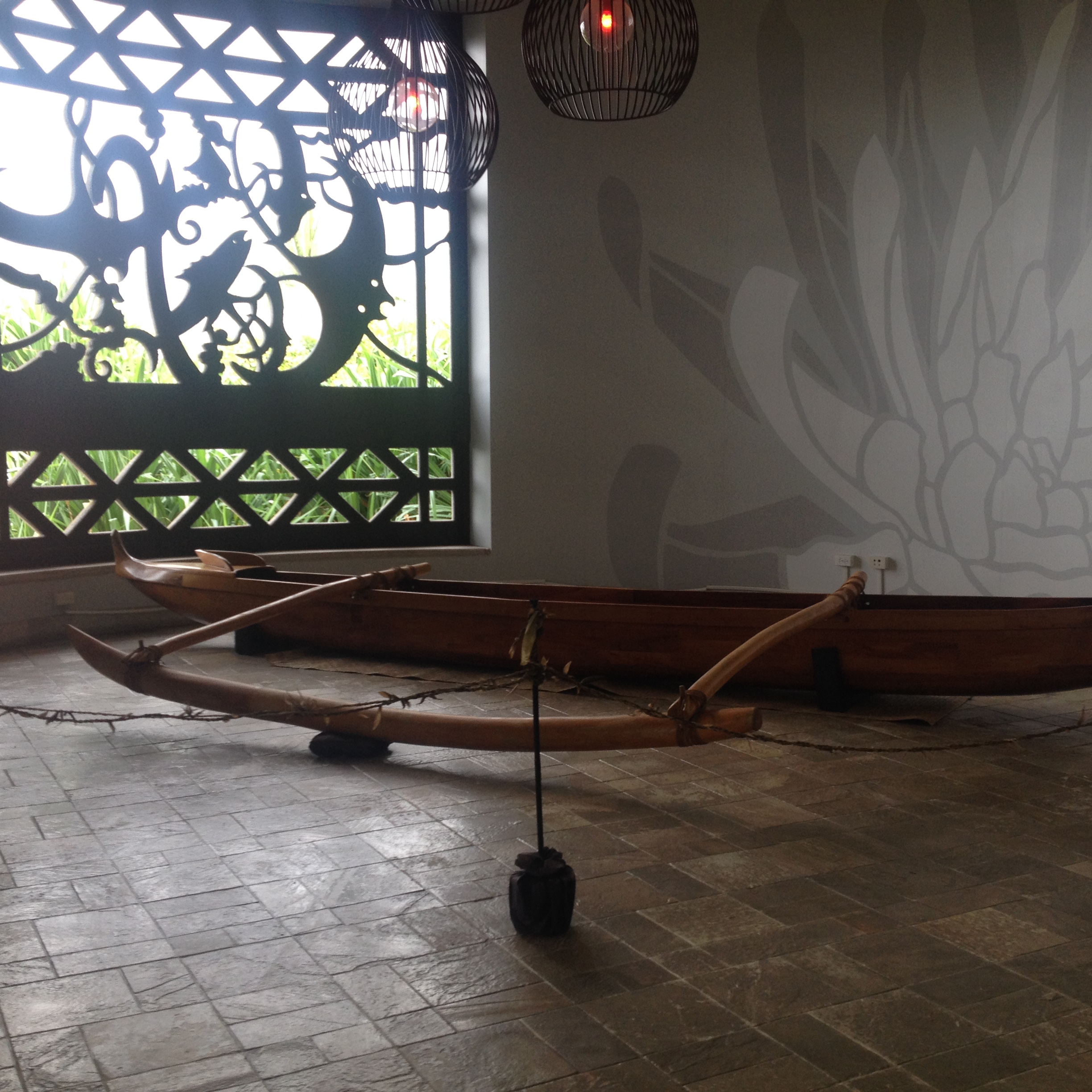
A historic canoe…
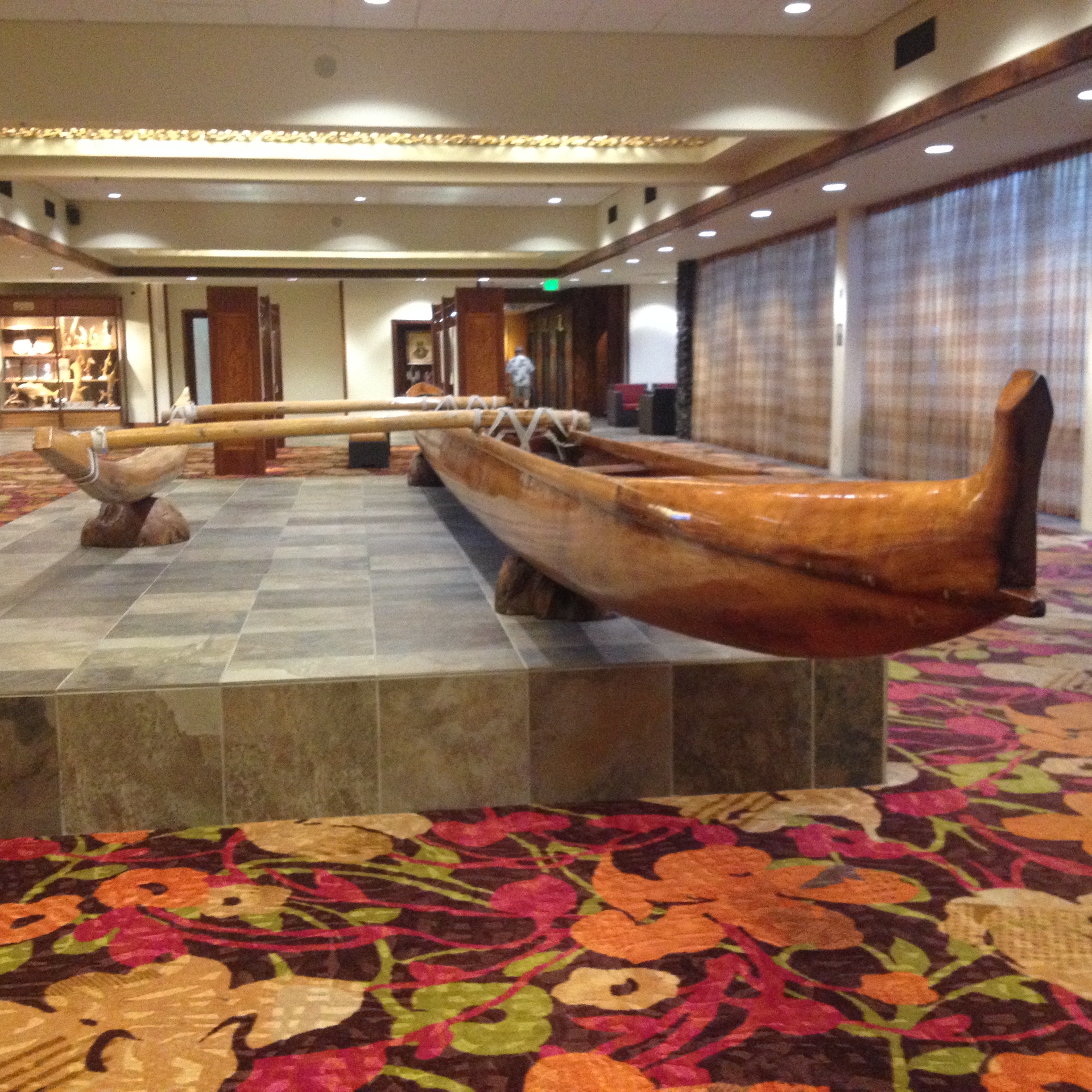
More historic canoes…

Kona Sunsets
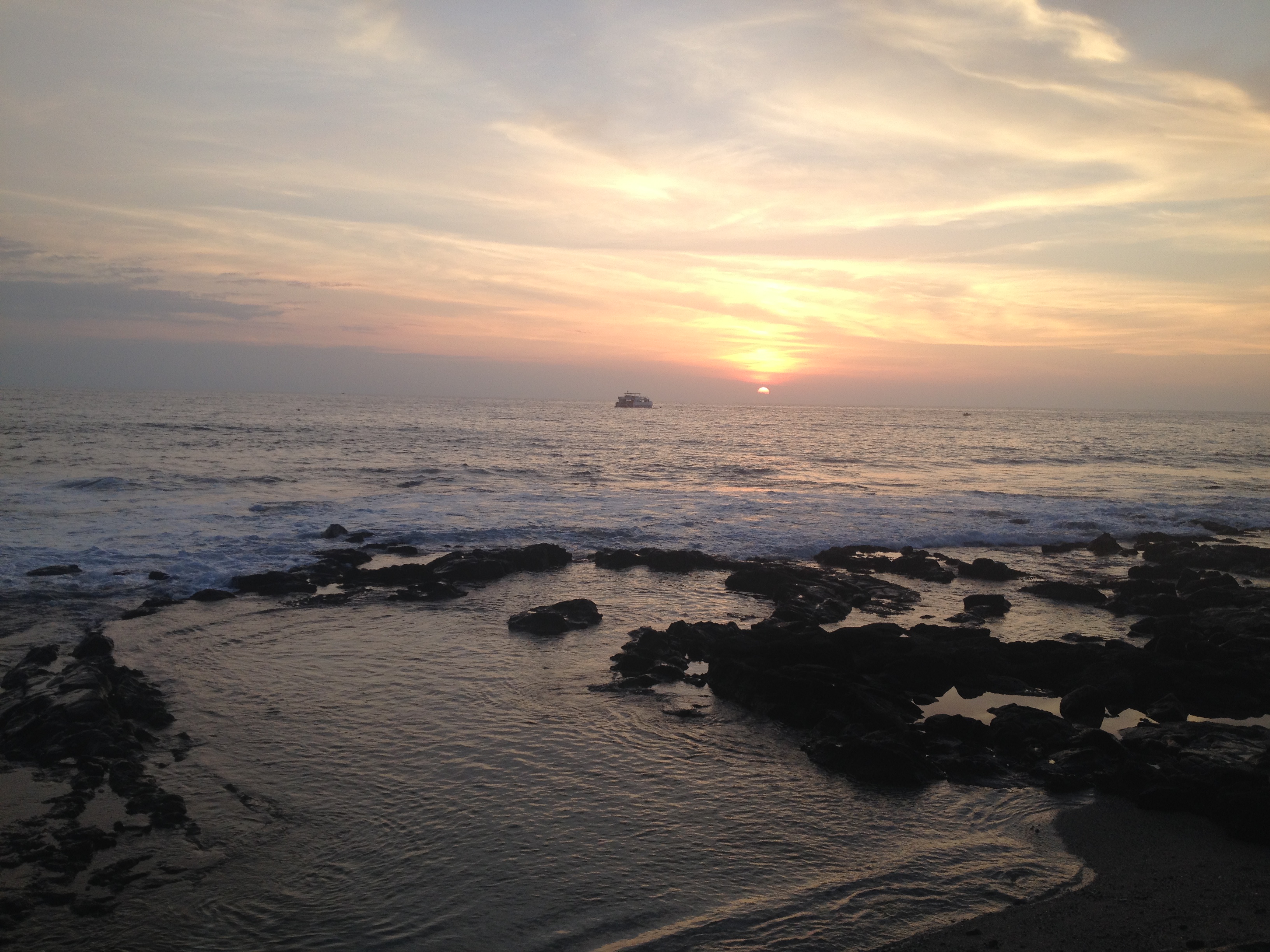
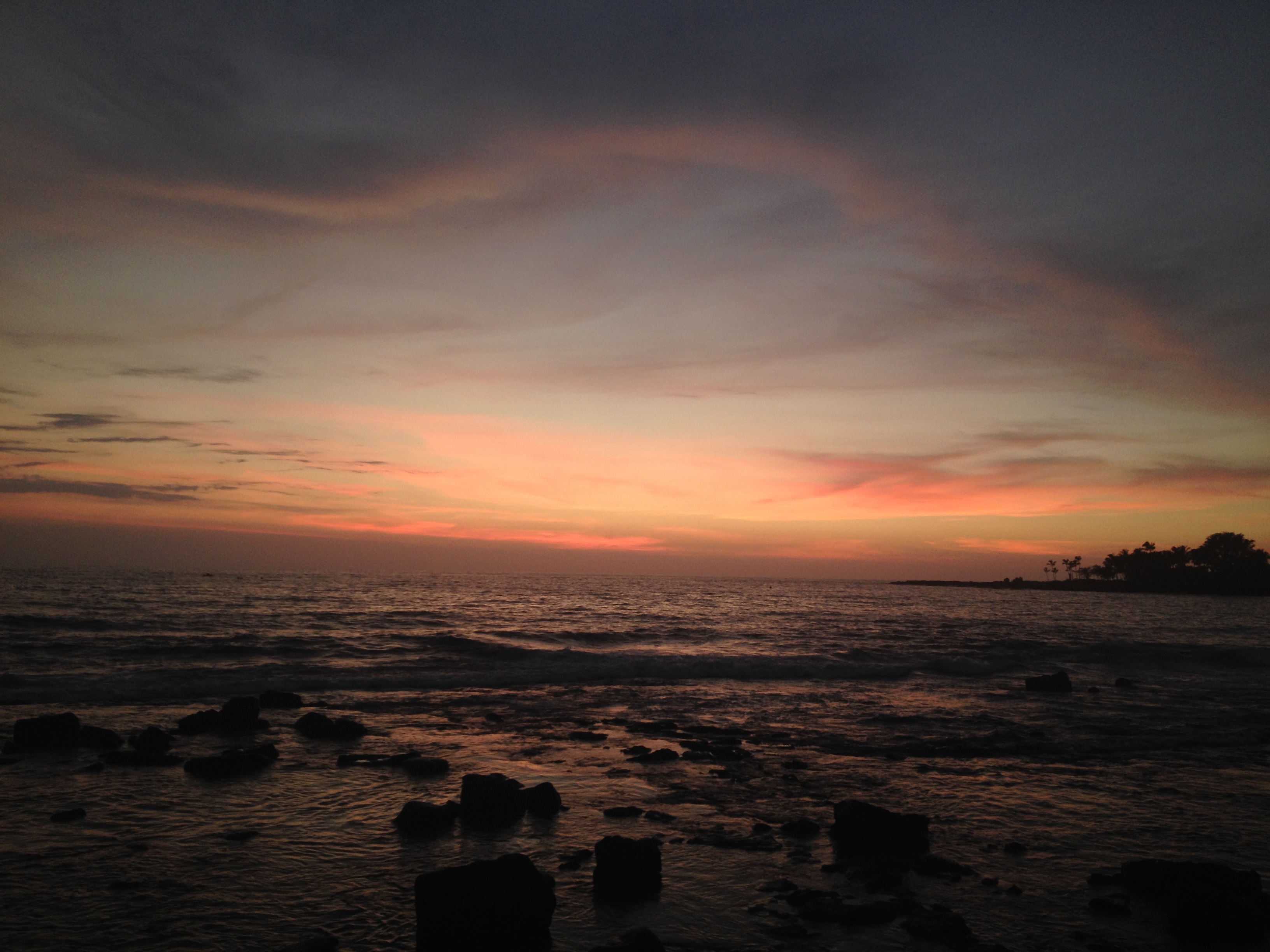
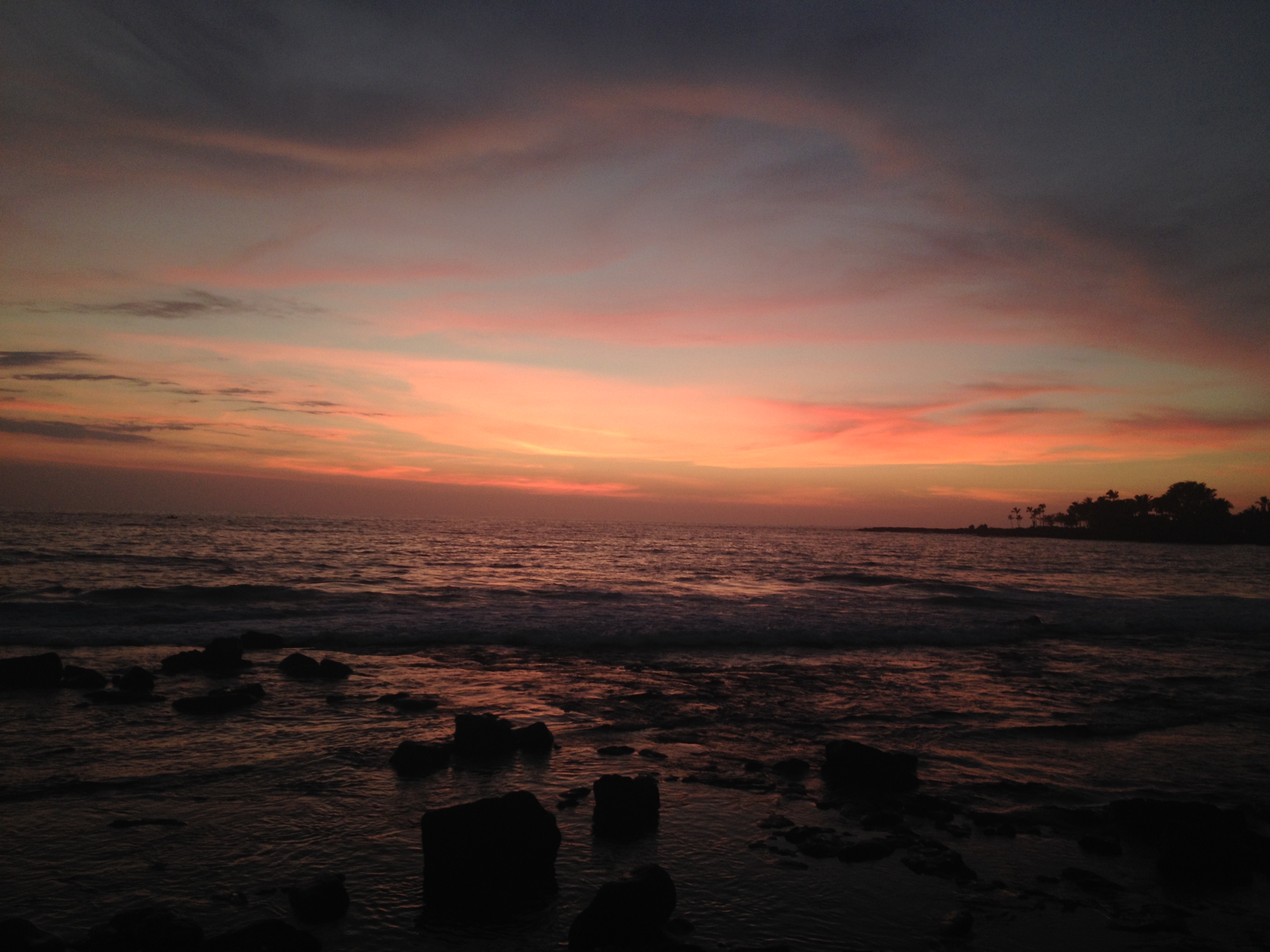
+

I love the new graphics on the Air New Zealand planes. It’s the New Zealand Silver Fern. Some people want to change the national flag to a black and white fern flag. Very minimalist. Very cool.
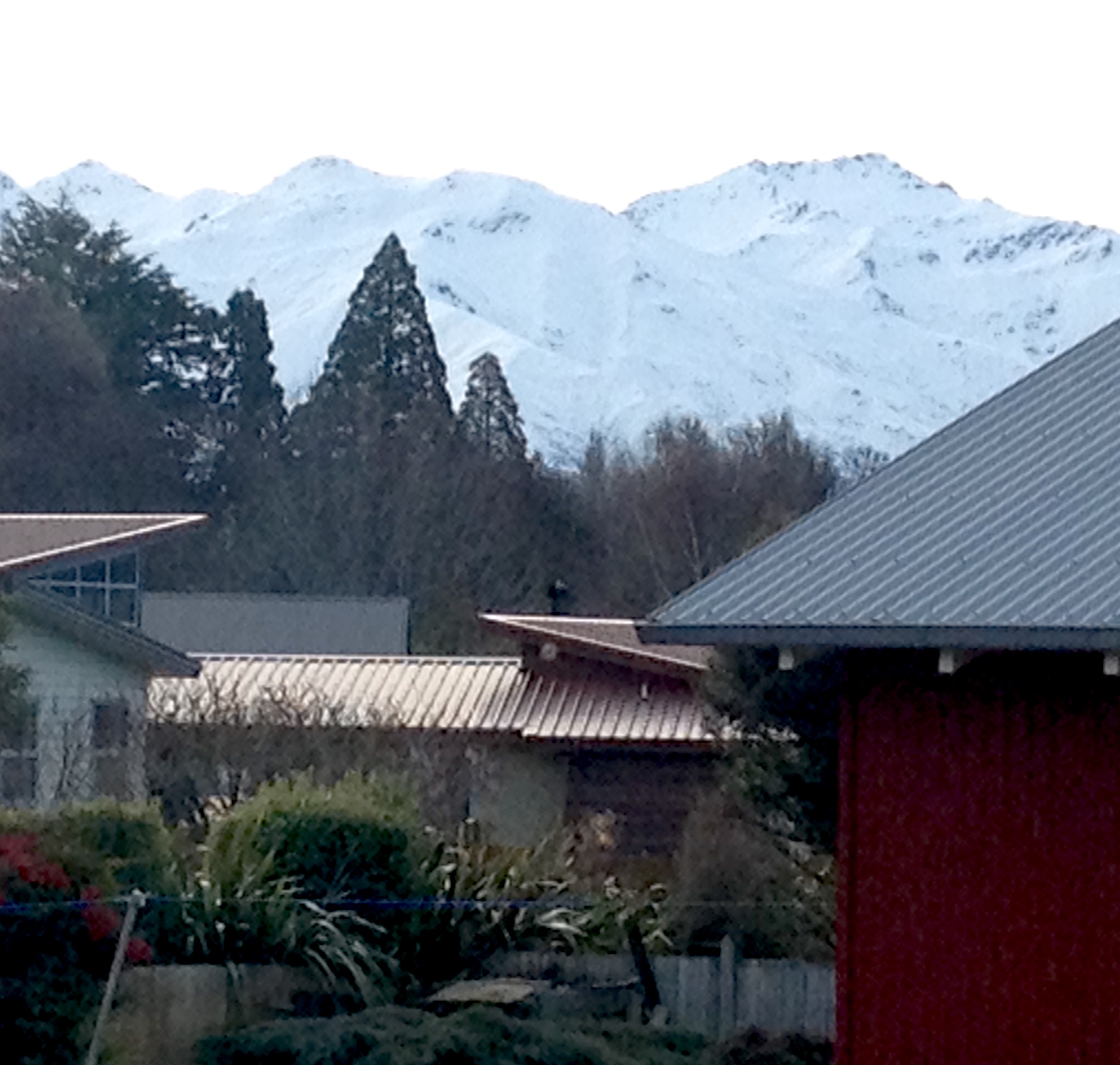
Looking out the window of my bedroom at Gill’s Airbnb. Slightly suburban Wanaka.
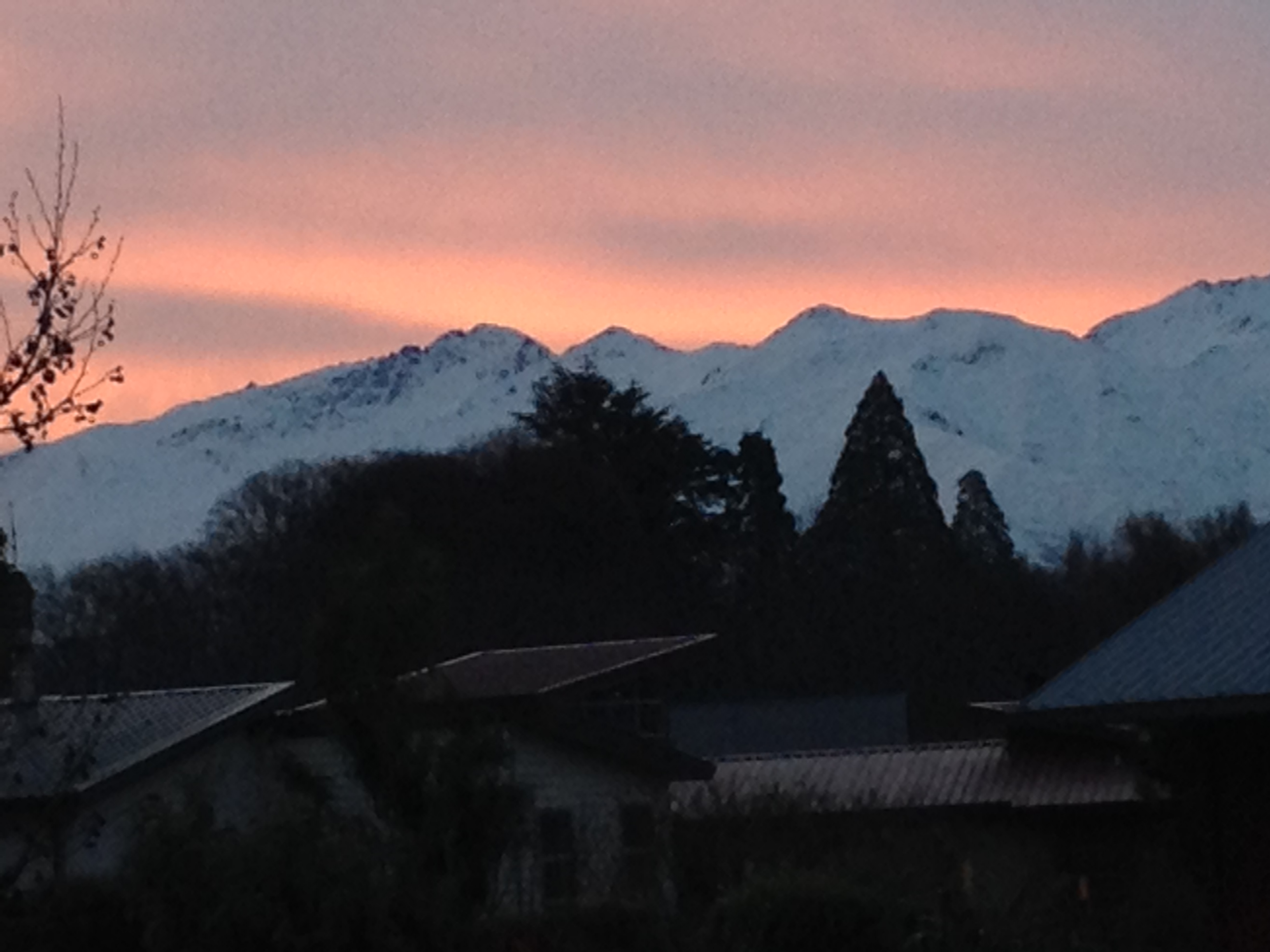
A little Alpenglow to remind you where you are.
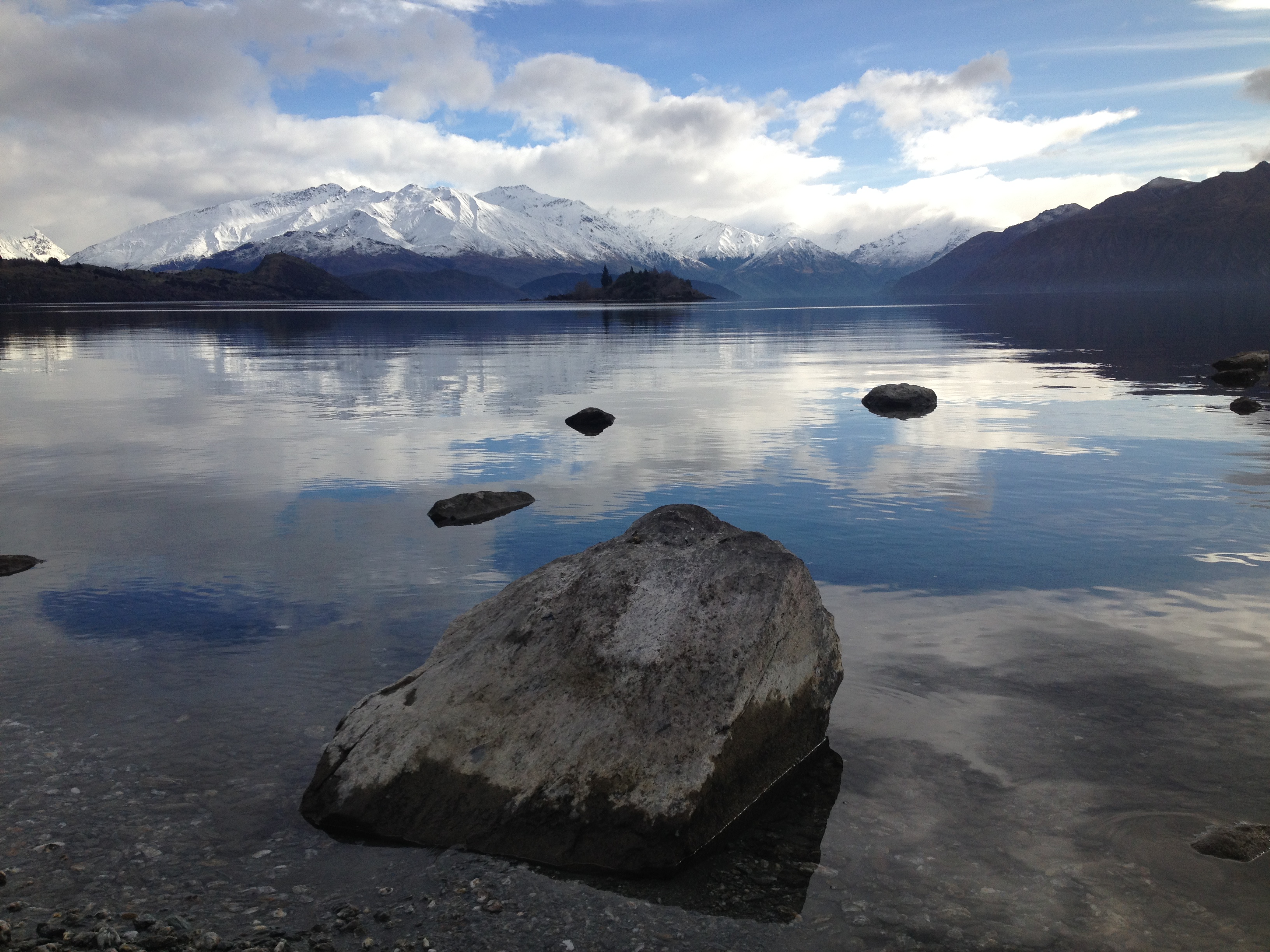
Arrived on a weekend and took time to walk each day around Lake Wanaka. (Skiing on weekends is something you can avoid if you are retired.)
[Rather than bore you with all my lake and mountain photos, I’m just going to stick them at the end– so if you are tired, you can leave off….]
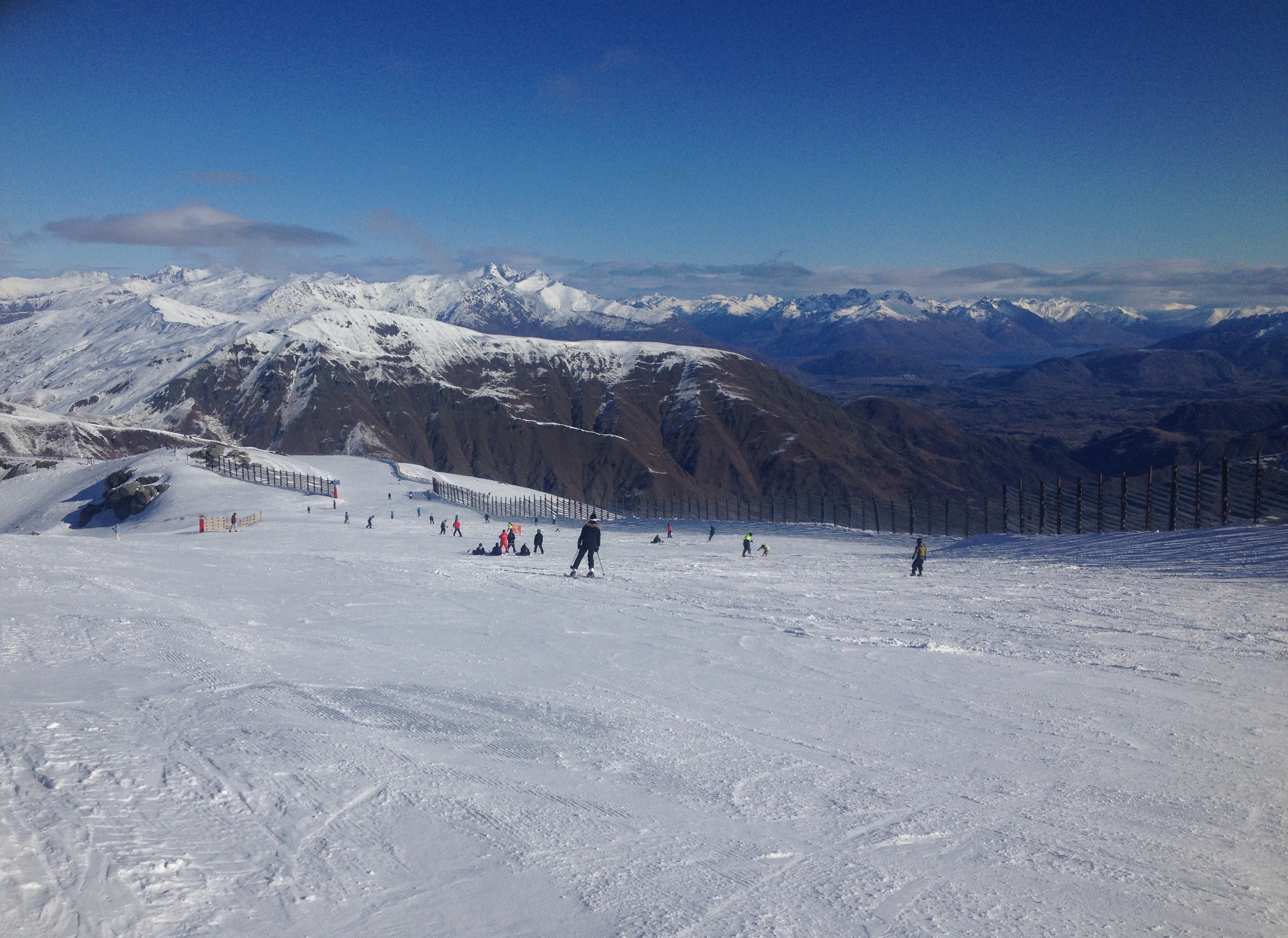
Up to Cardrona (or Cardies as it is known locally) for a warm-up day.
This is looking toward Queenstown and Lake Wakatipu in the distance.
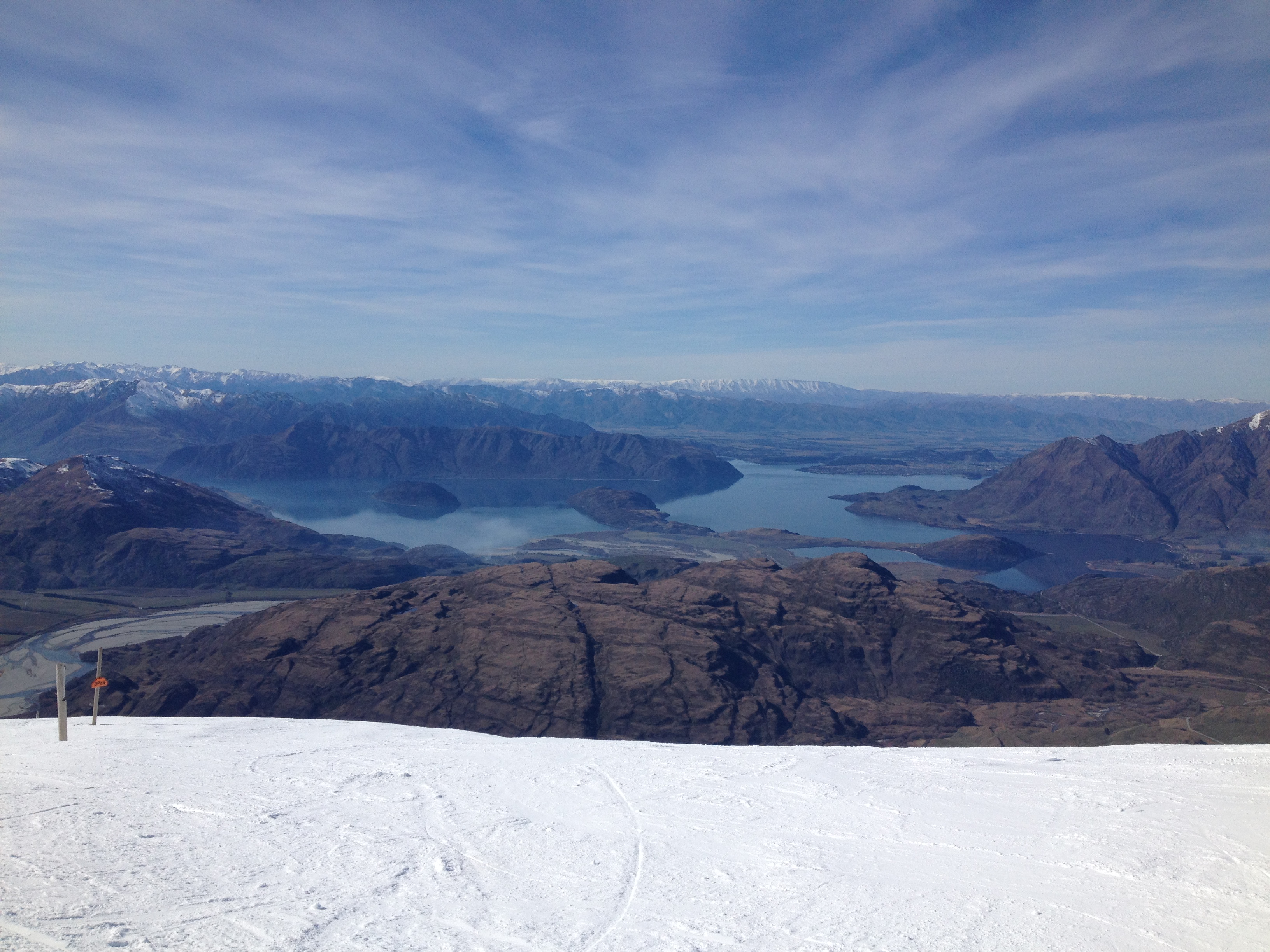
Then up to Treble Cone (or TC) which has the some of the great views and much more challenging skiing.
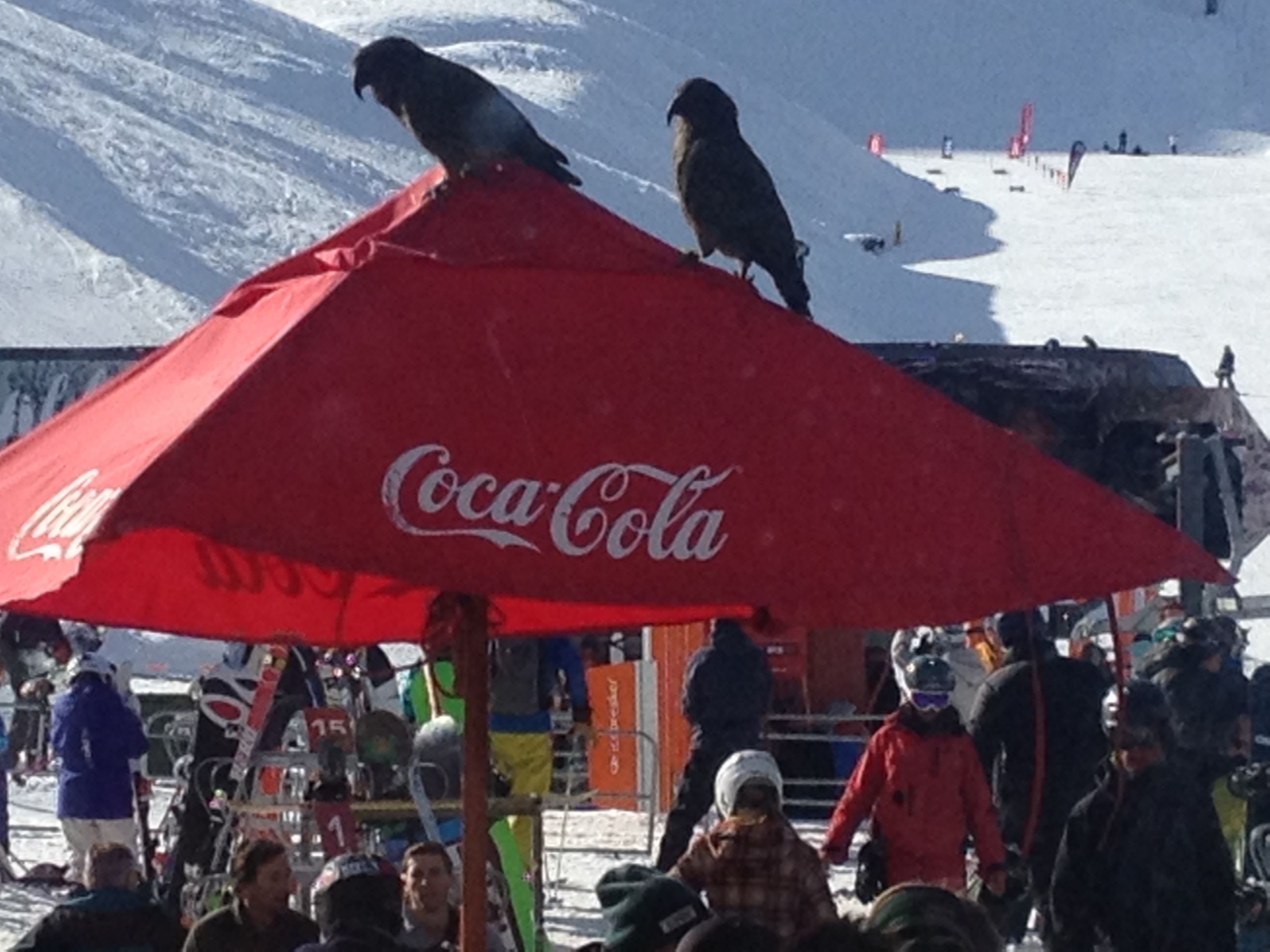
TC also has alpine parrots, the Keas. They are large, entertaining and, sadly, endangered, but recovering in numbers since my last trip.
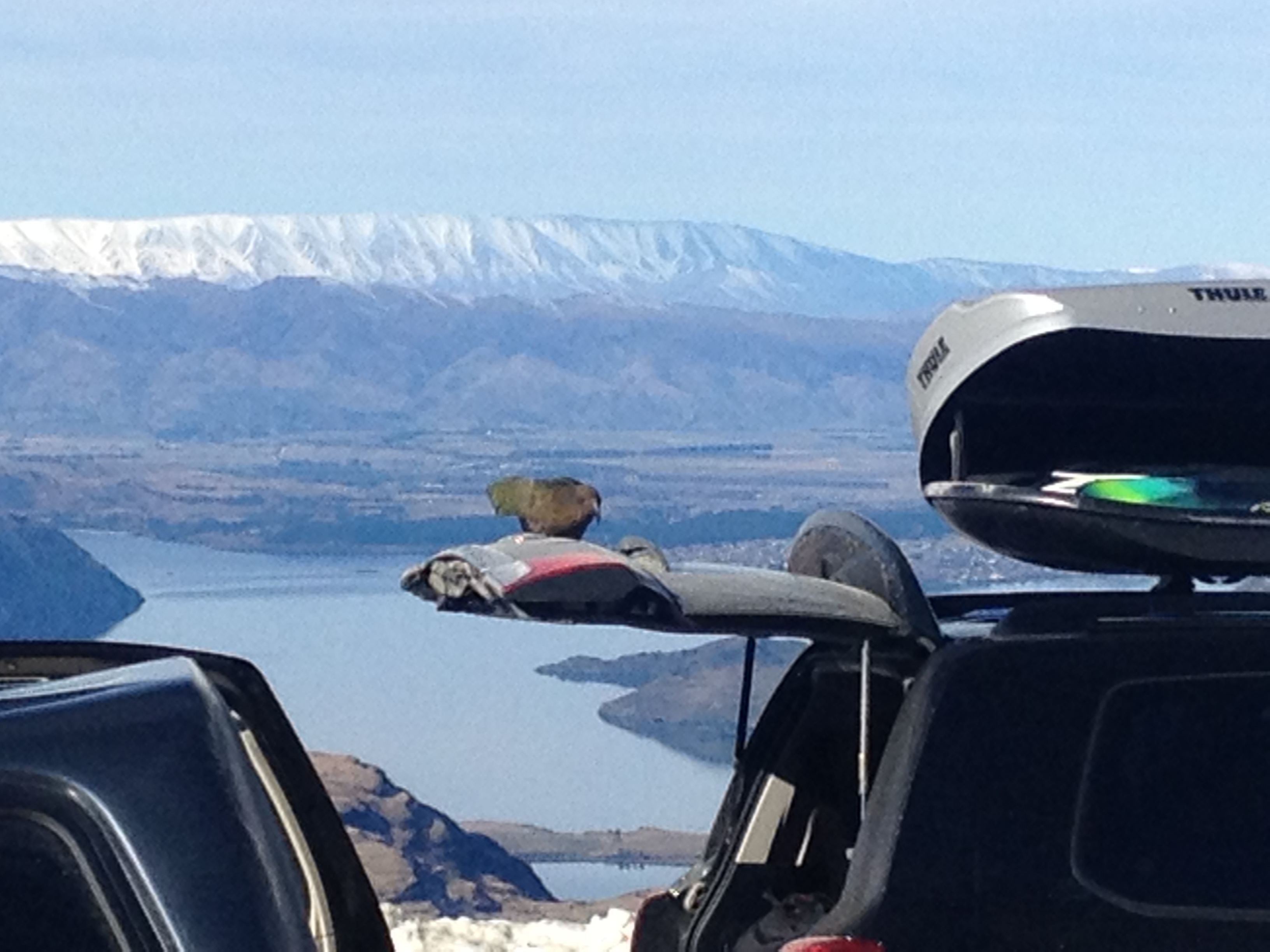
A kea inspecting the gear.
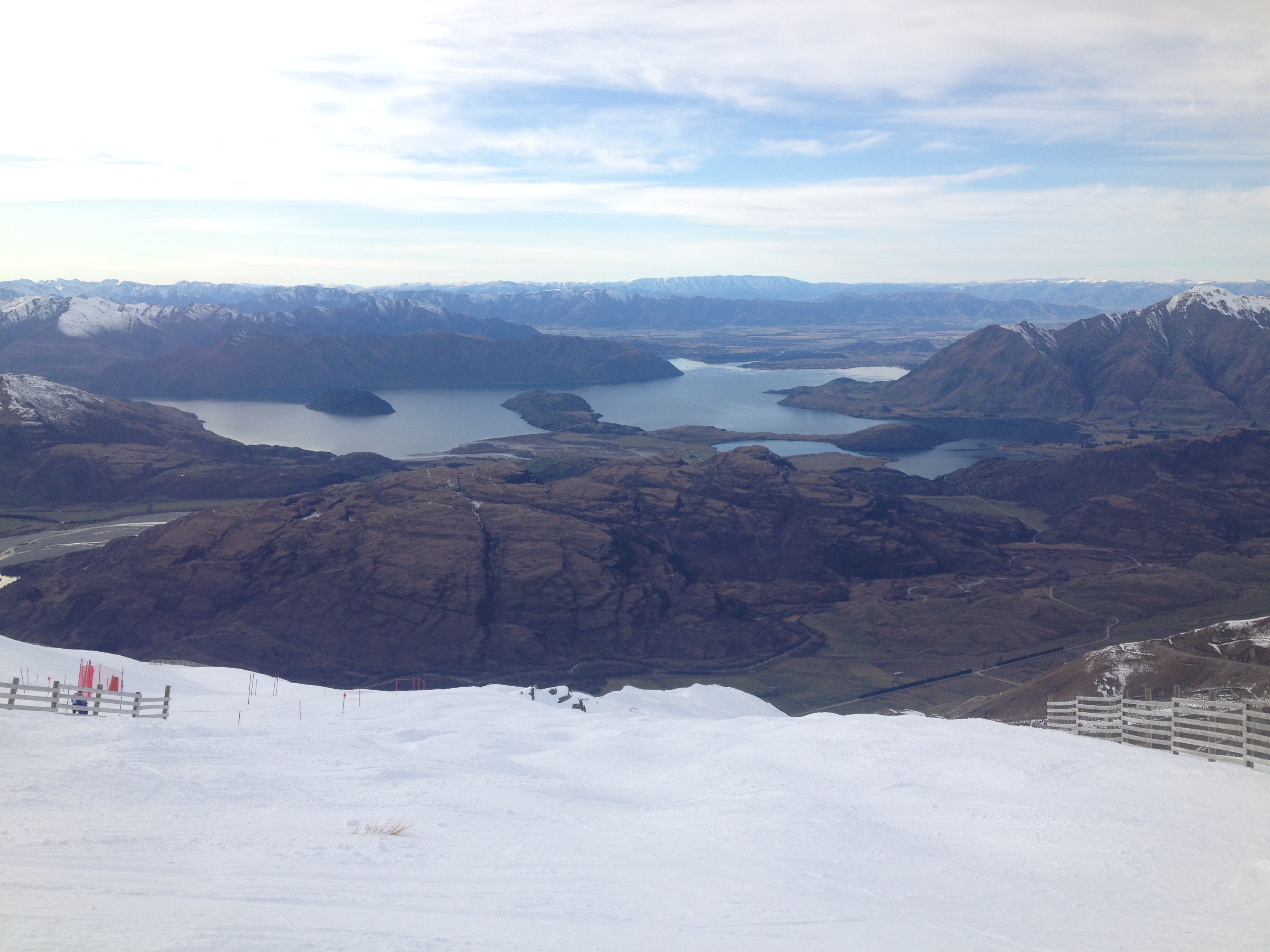
Another view of Lake Wanaka from TC.
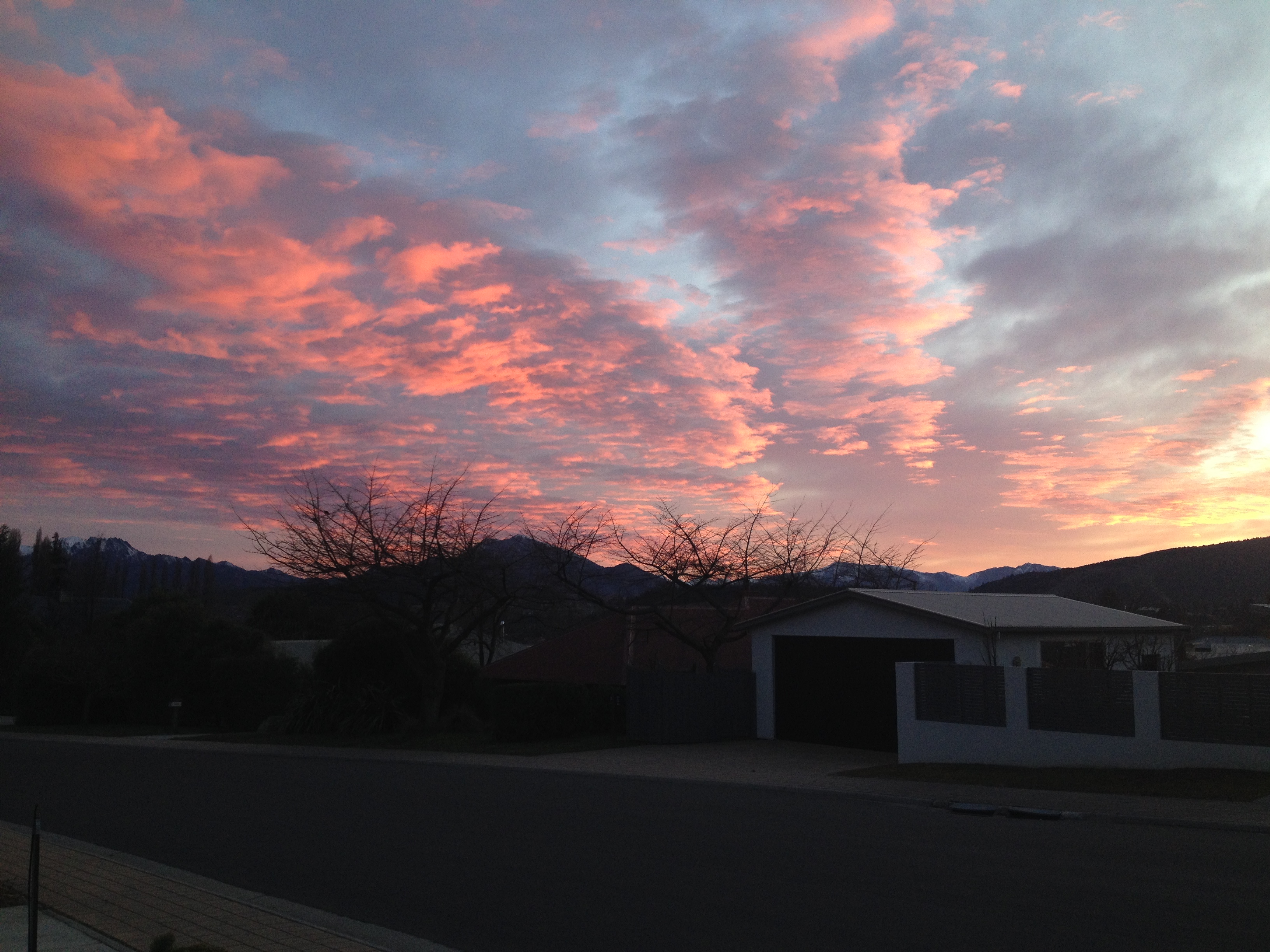
Sunrise on my last day of skiing for this trip. Off to Queenstown and Doubtful Sound.
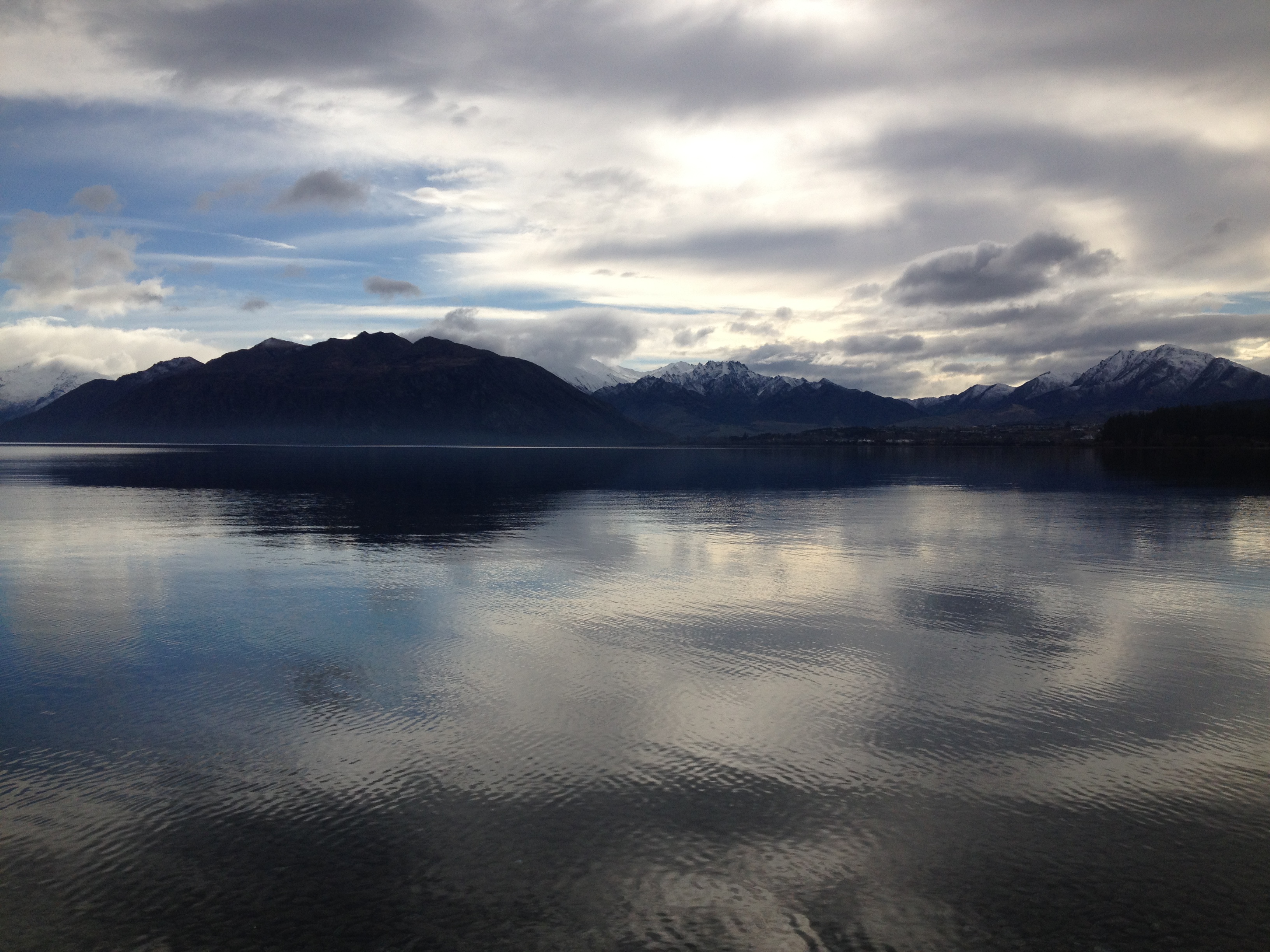 xxxx
xxxx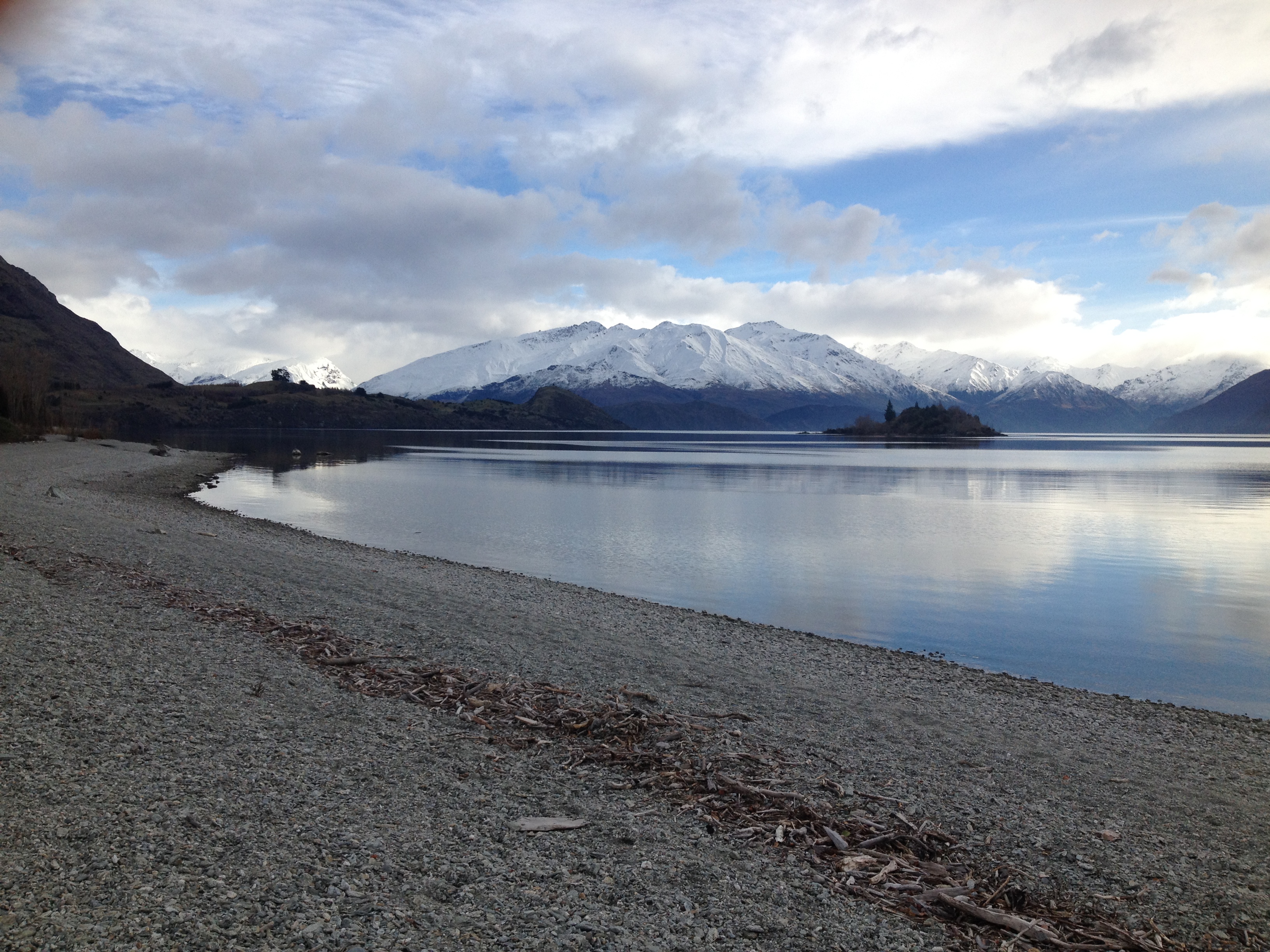 xxxx
xxxx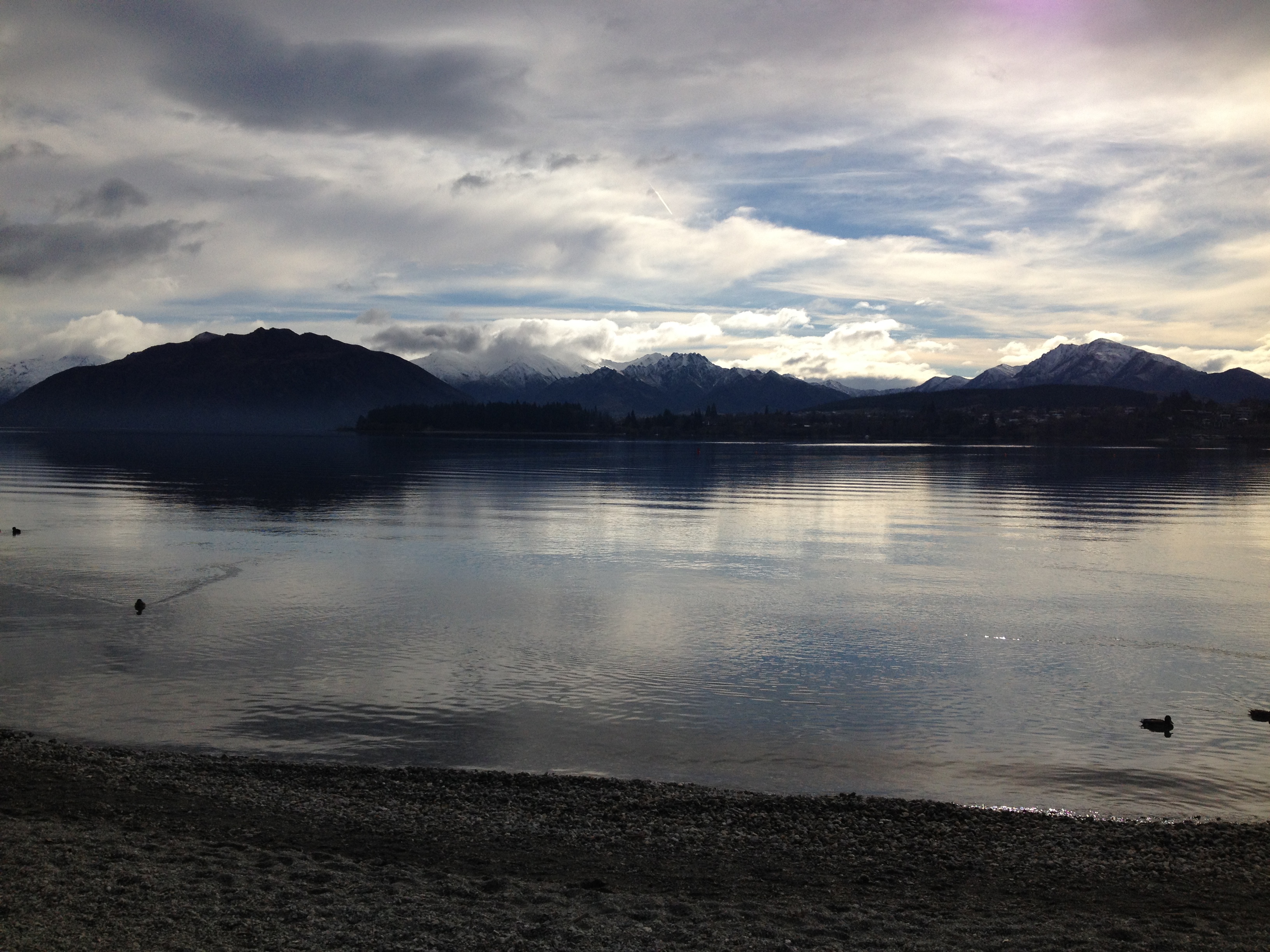
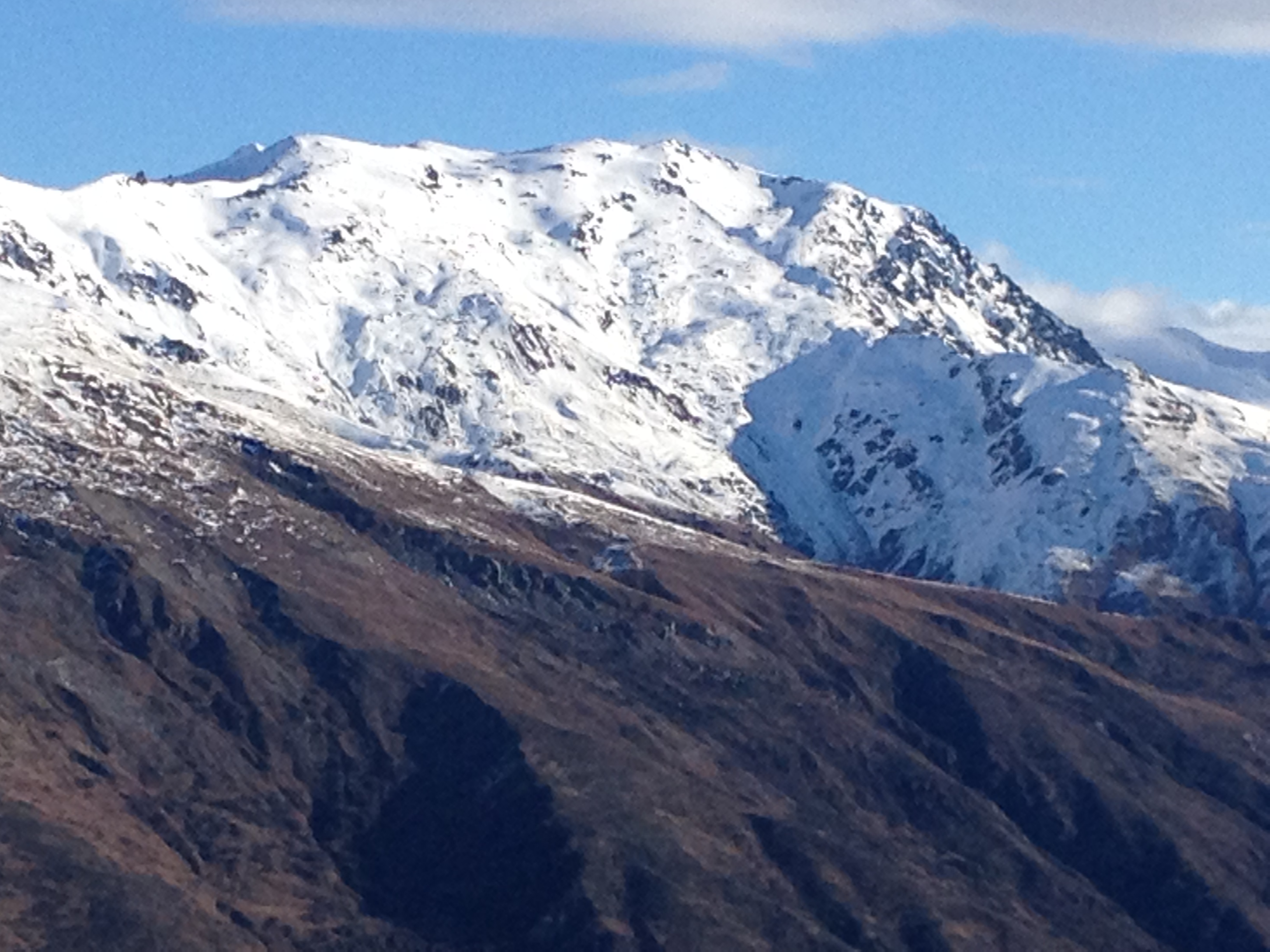
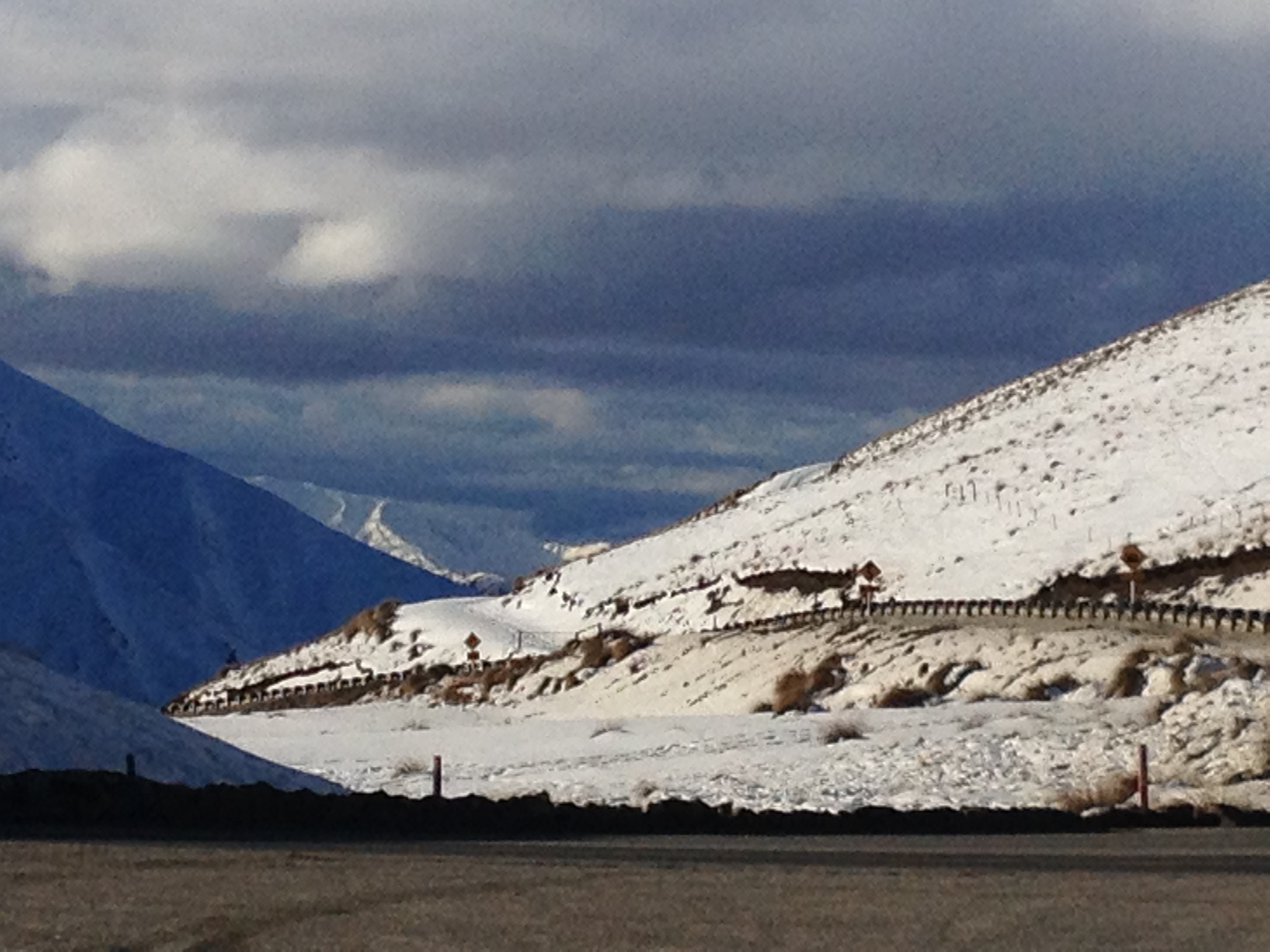
From the top of the Crown Range
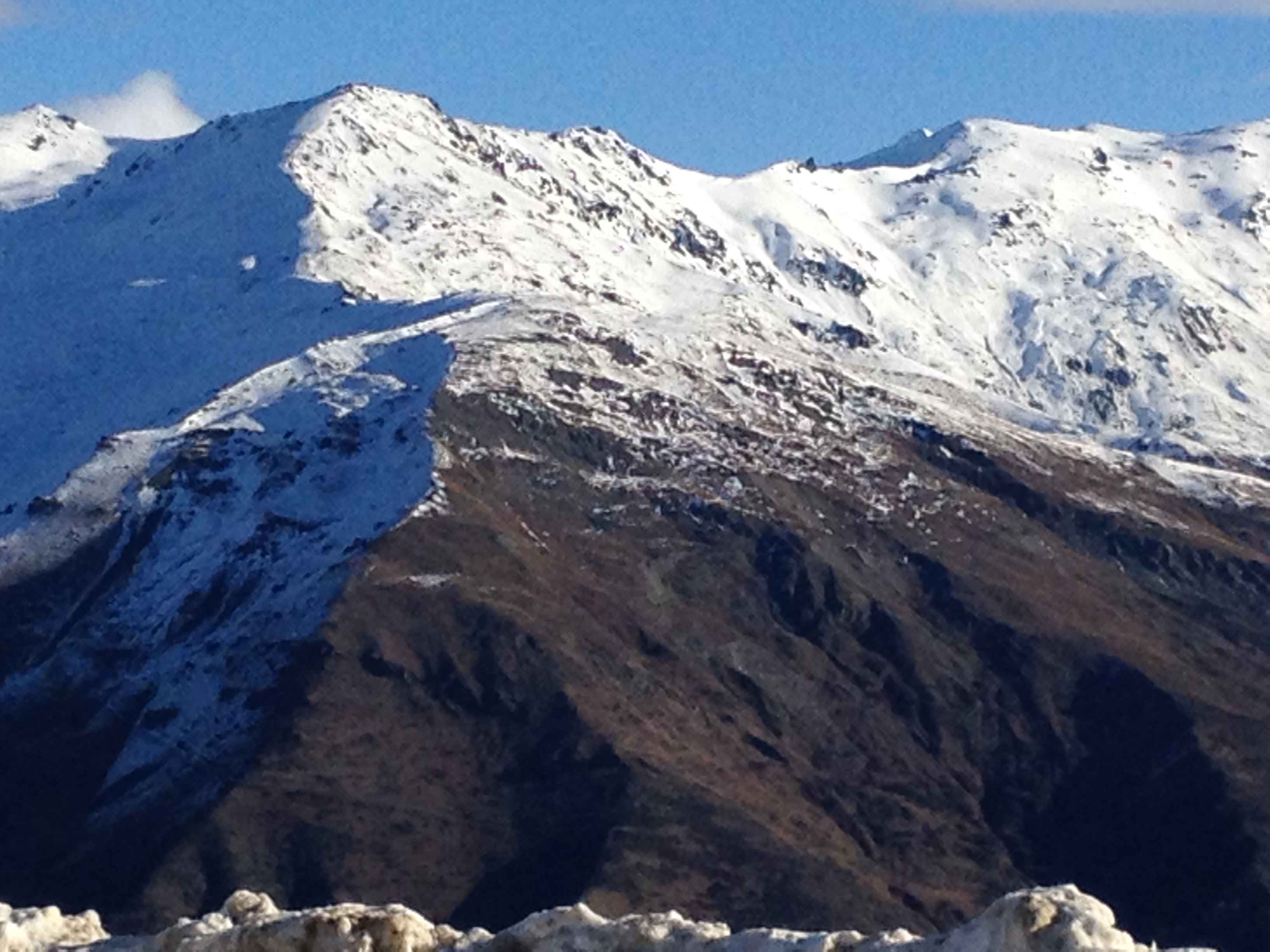
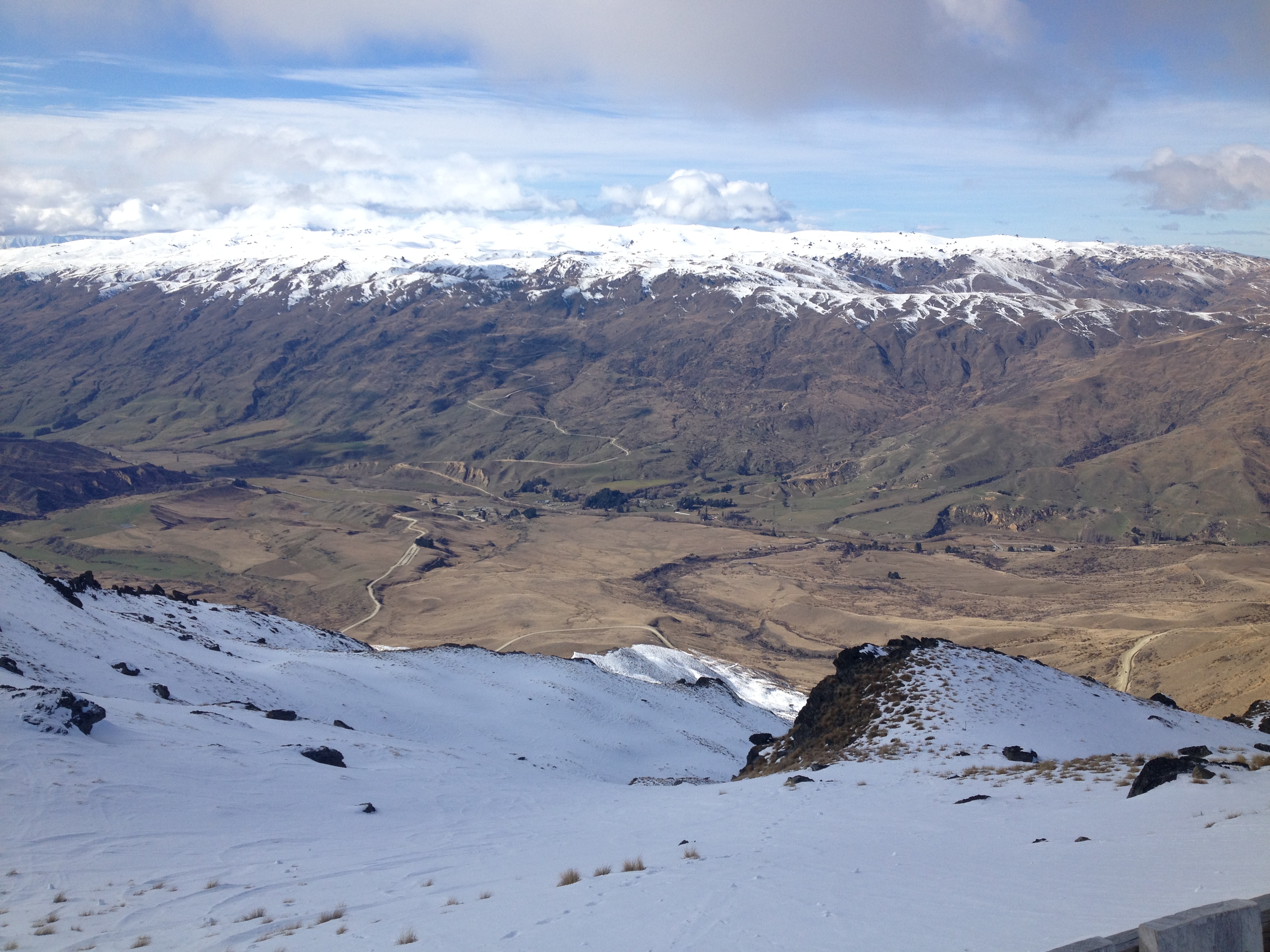
From Cardrona looking toward The Snow Farm (the twisty road you see is the road to The Snow Farm
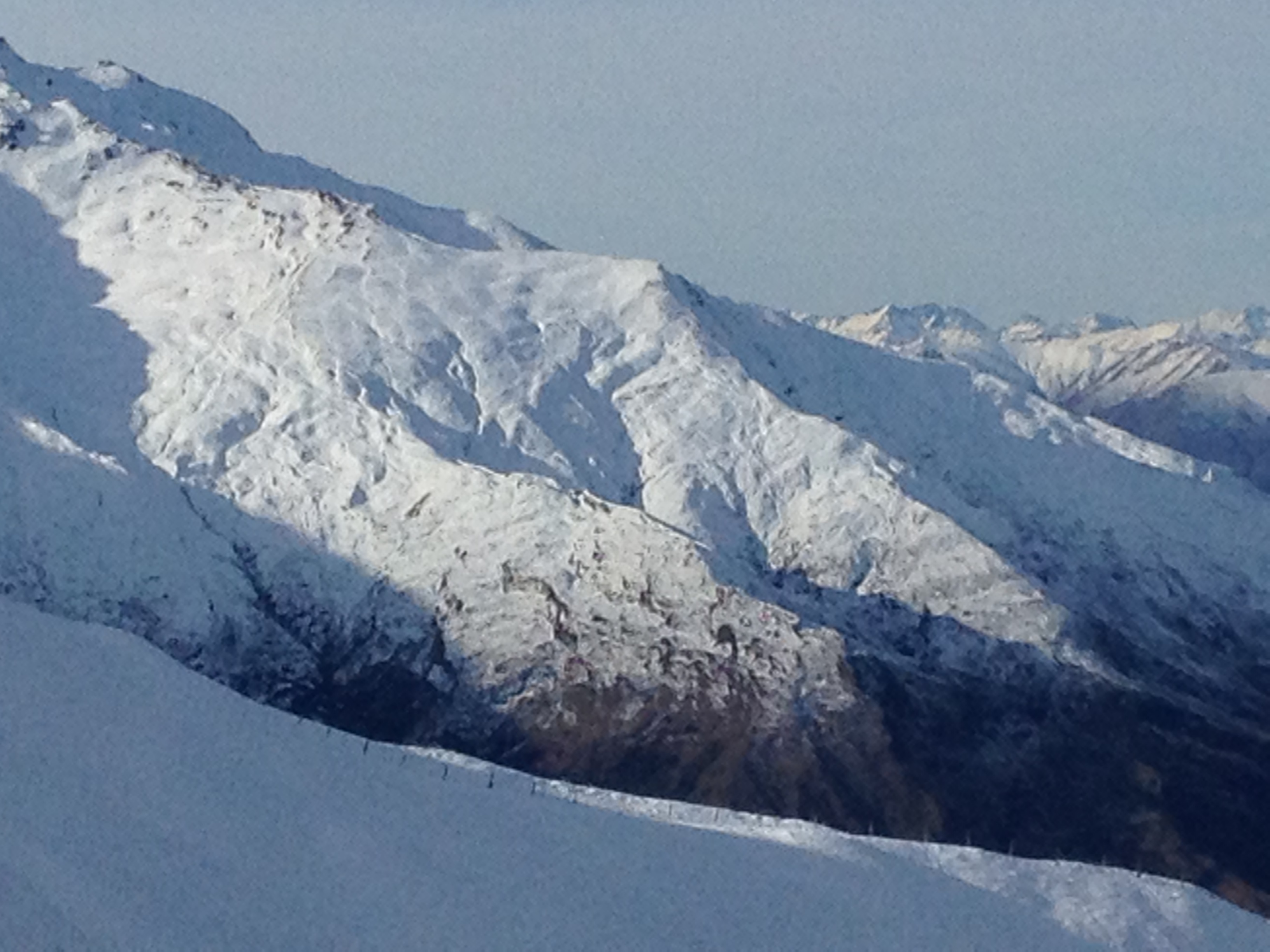
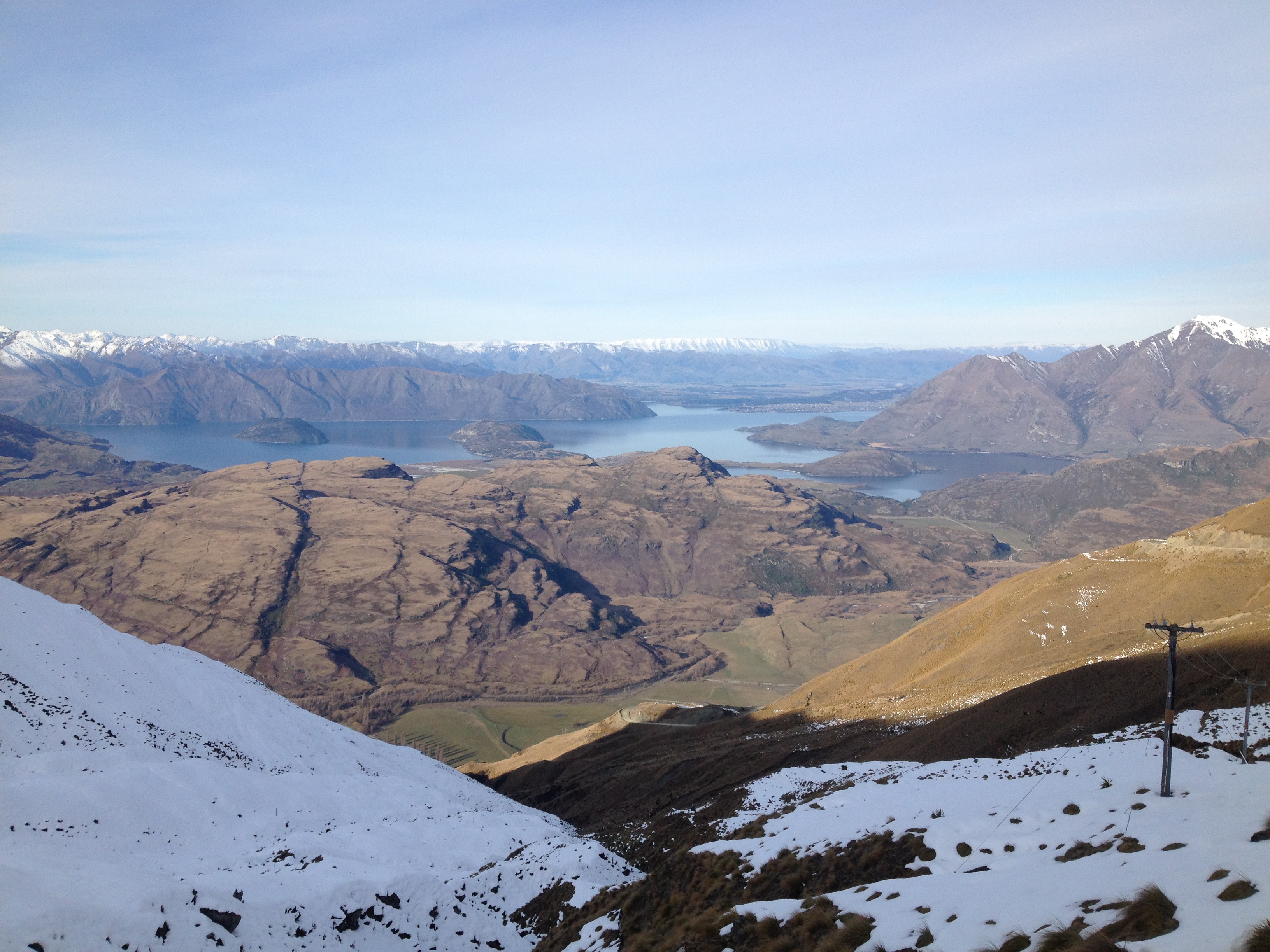
Love you Wanaka,
Bye, bye for now…..
And off to
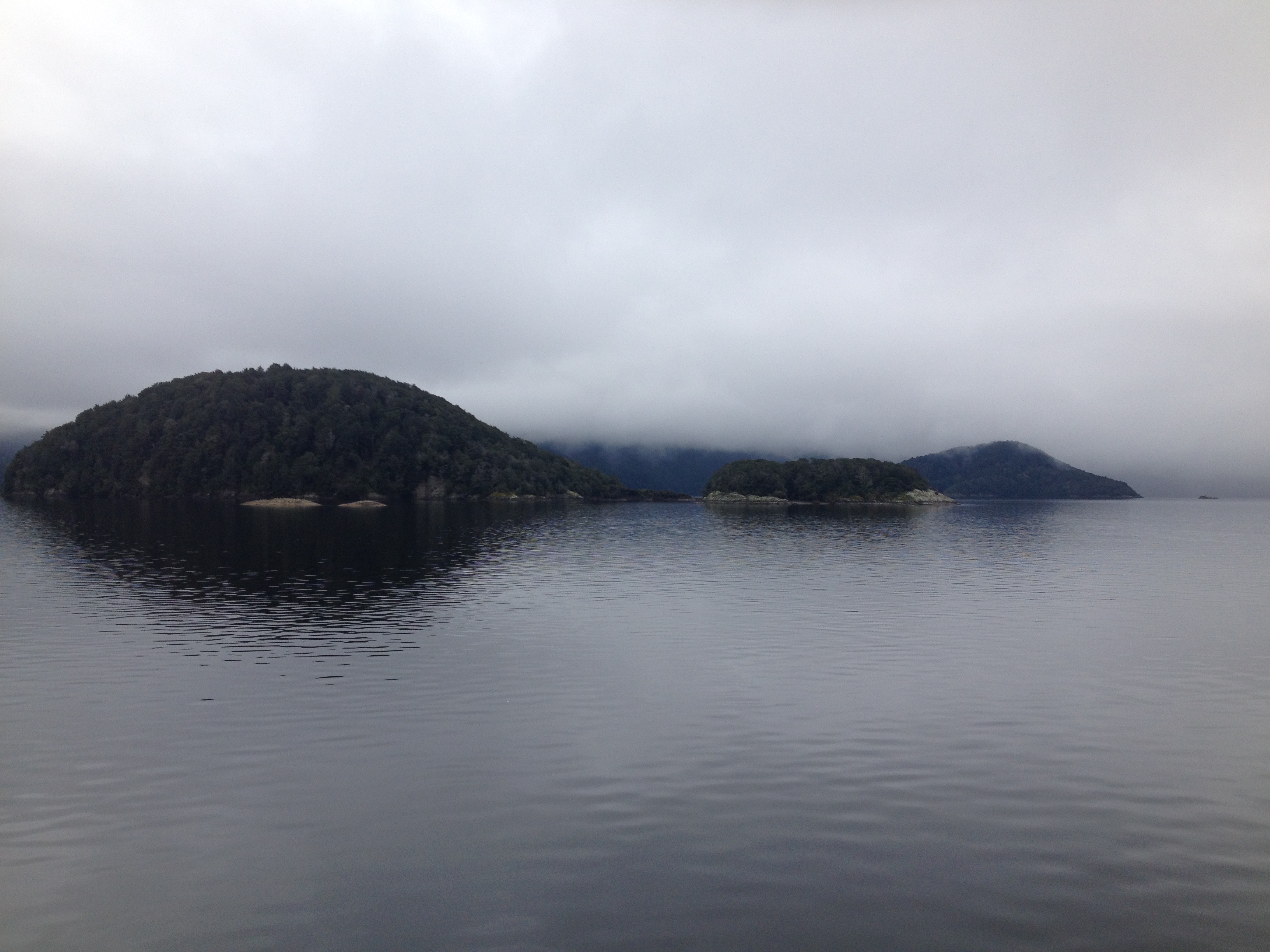
It was foggy and overcast when we started out across Lake Manapouri.
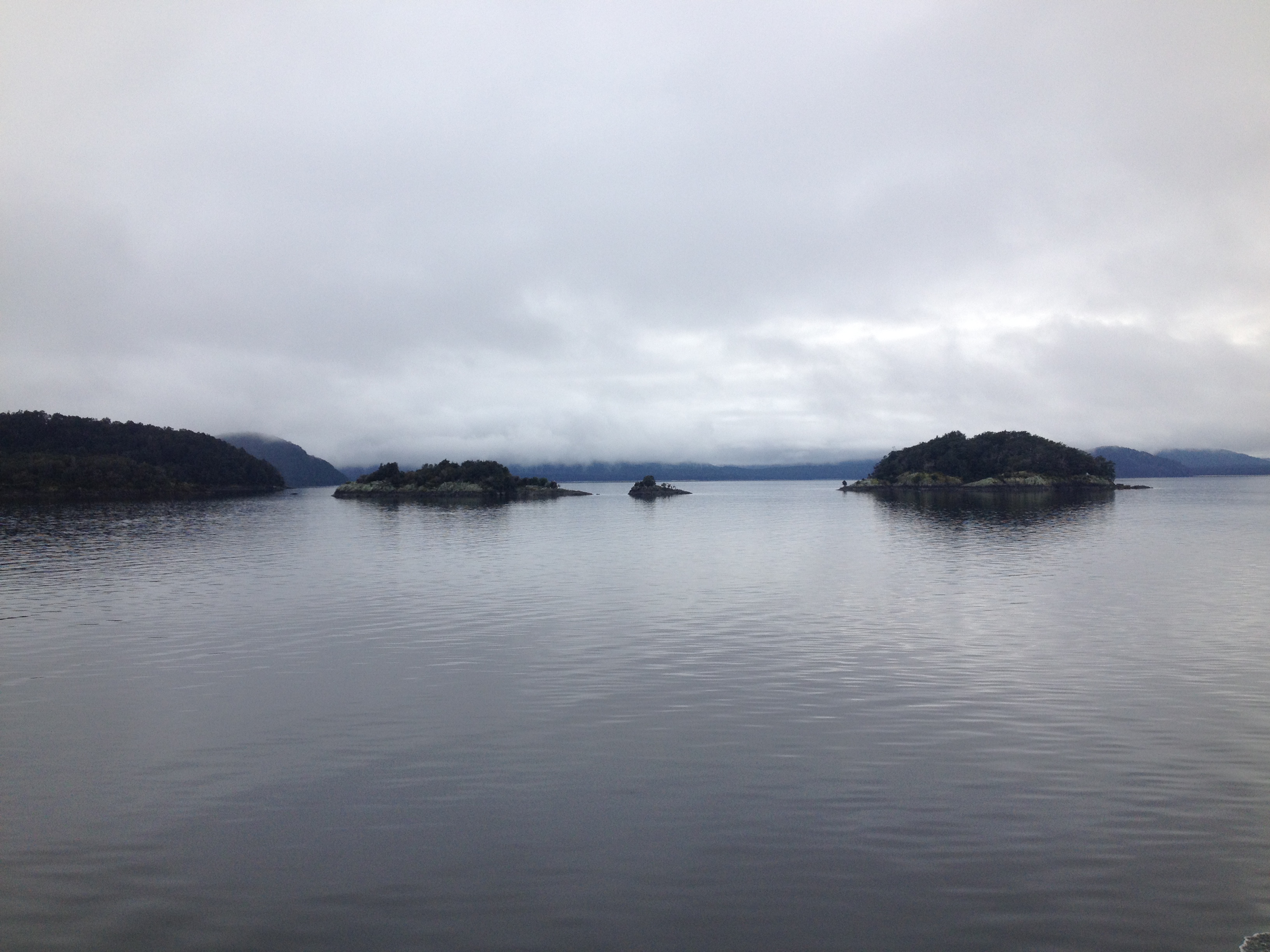
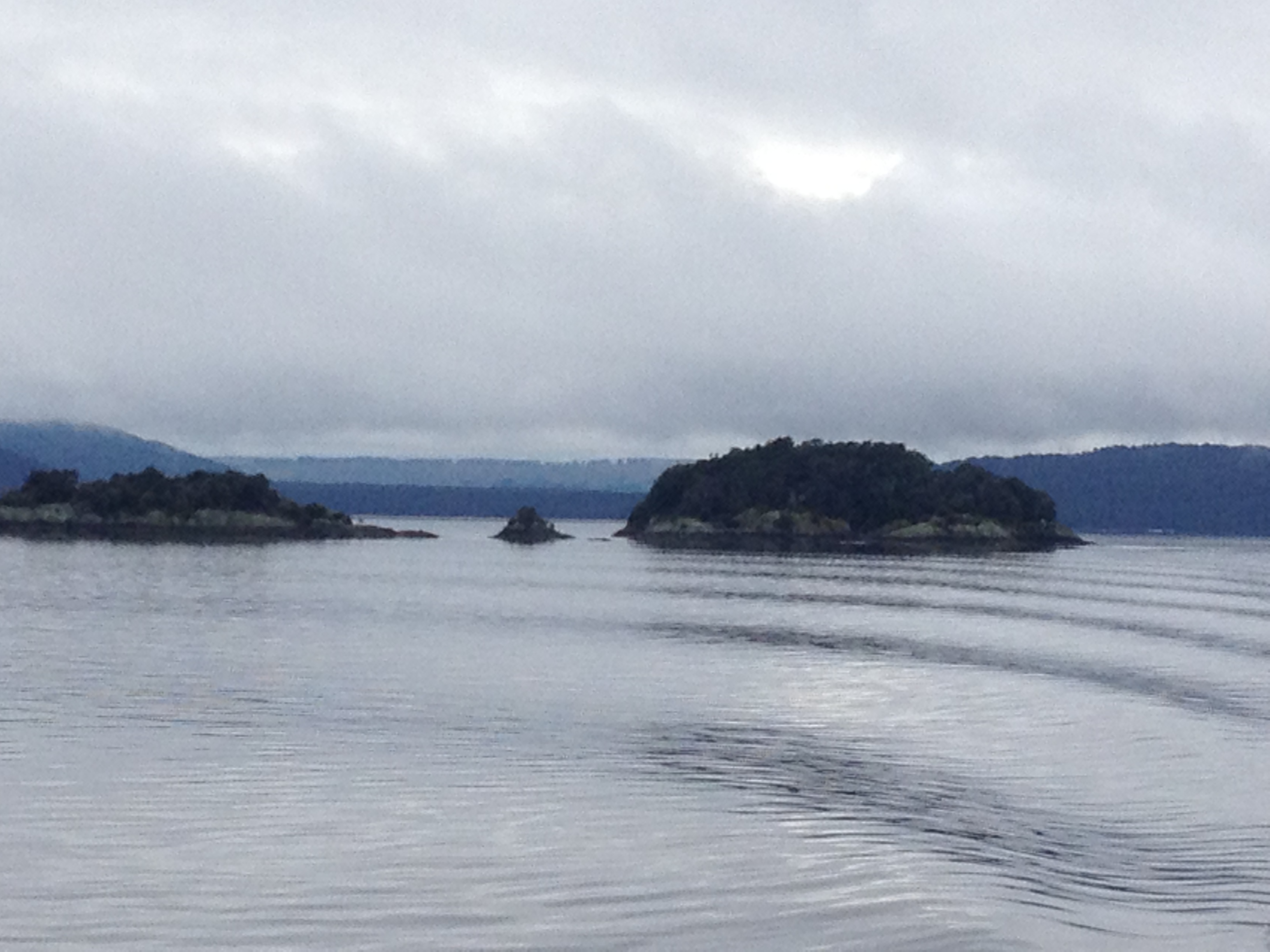
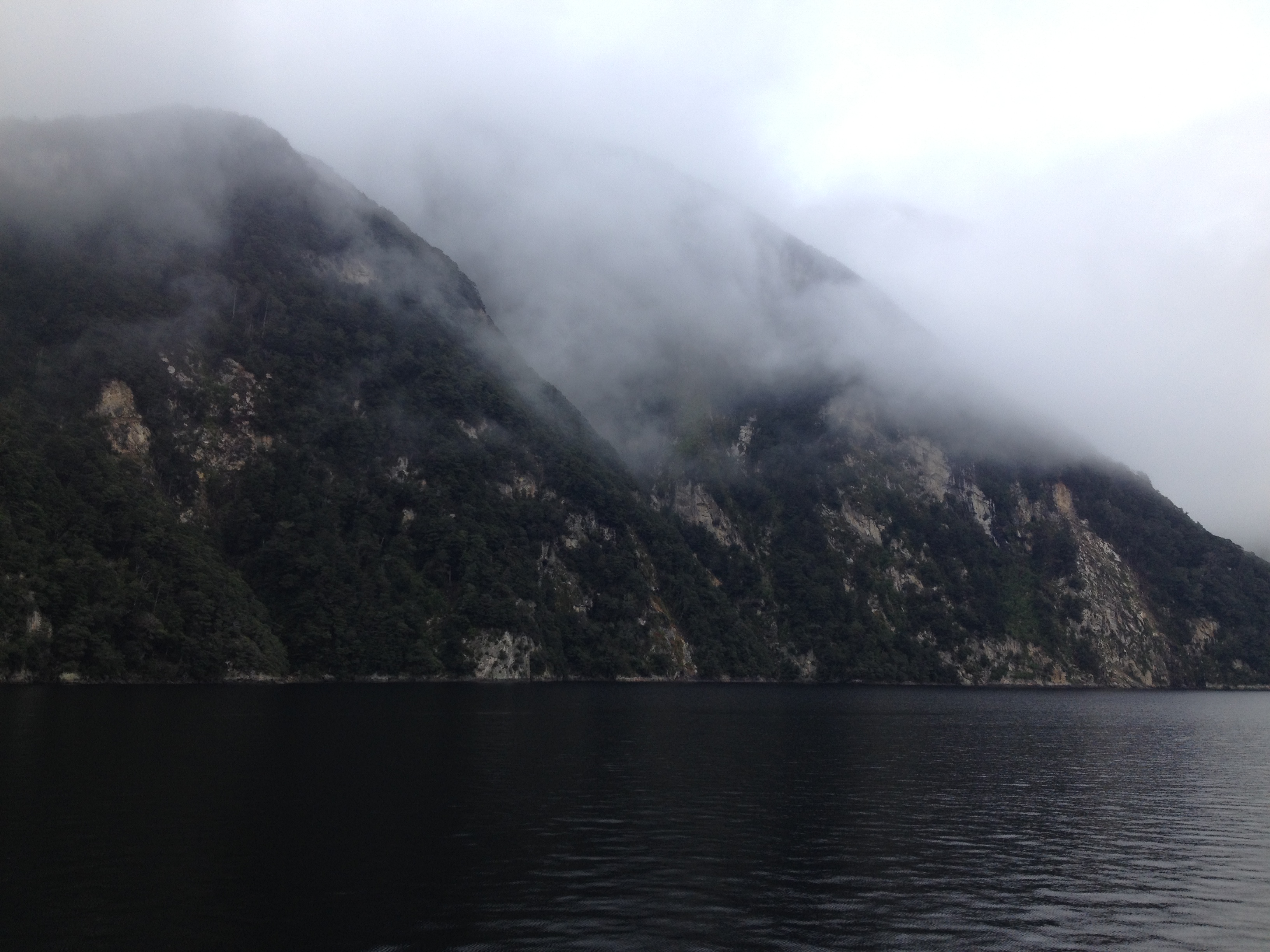
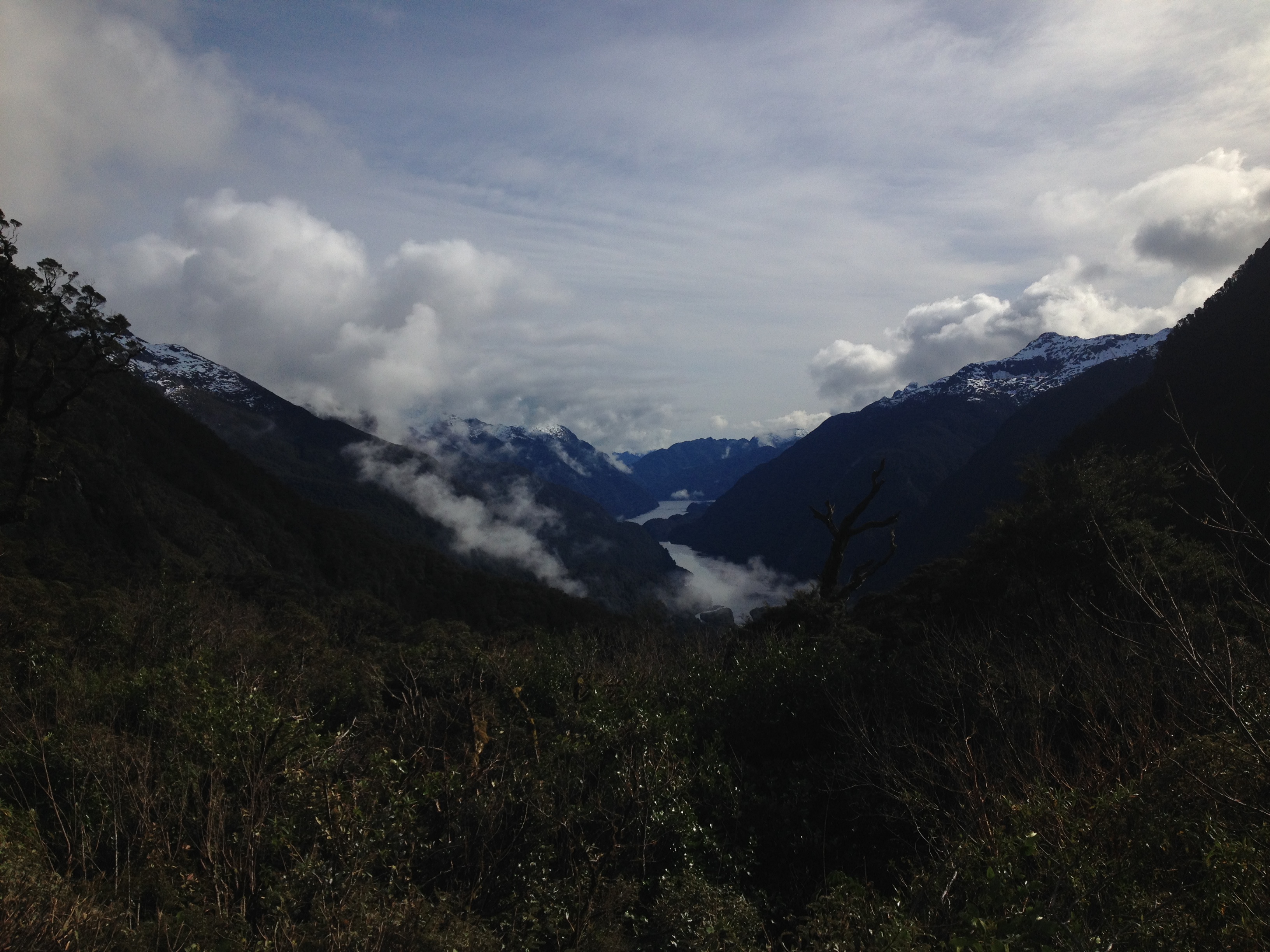
Then over the mountains to the fjords.
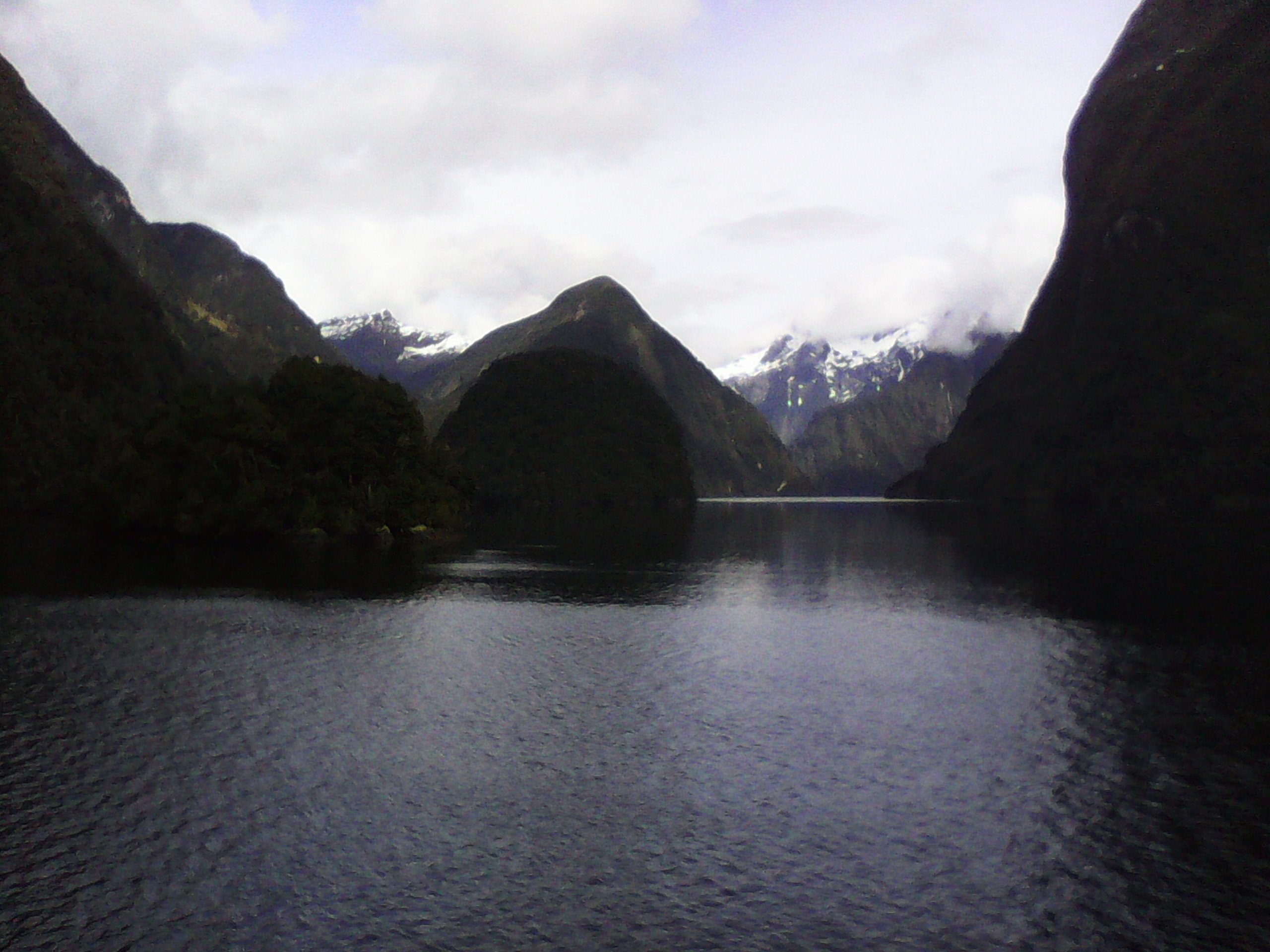
And Doubtful Sound / Patea itself…
This was written, from journal entries, in the 1990s. The summer it refers to was the summer of 1970. There was almost no air-conditioning in rural France at this time. A few public venues, like cinemas in the larger cities, had AC. Even now, Europeans have a more stoic view of creature comforts than Americans. I suspect that few of the countless maisons secondaires that cover the present-day South of France have air-conditioning.
I was never in really hot weather until my mid-twenties. As a child I don’t recall much discomfort from the heat, but then, I lived in a very mild climate. One summer my parents and I drove Route 66 from California to Missouri and back again. It must have been hot. I remember the water bags draped over the car radiator, the wide ceramic thermos for which we’d purchase a chunk of ice each morning, and how sweet the cold the water tasted from the enamel dipper which would lay next to it on the floor below the back seat of the car. I was allowed to wet towels and hold them up to the open car window or drape them over my shoulders or make fat, wet pillows to lay across my forehead. But it was all very close to a game and because I was a child, it did not seem unpleasant. A friend of mine, who grew up in San Diego, and whose family, like mine, had migrated from the Mid-west, reports that her mother frequently repeated “I’ll never be hot again. I’ll never be hot again.” And that’s what it is like in parts of Coastal California: pleasant, but not hot, not like the San Joaquin Valley, not like the Mojave Desert, not like back East.
So I made it to twenty-five without experiencing serious hot weather, then found myself in the South of France, in August, in a trailer. The farm-house that we rented for the other eleven months of the year had been rented to us on the condition that we vacate it during the Month of August, when most of France, and much of Western Europe attempts to squeeze as close to the Mediterranean as possible. We knew that our landlord would earn from the month’s rental in August about as much as we paid him for the whole rest of the year, plus, the August renters had been renting for five years previously and would probably continue to rent the place for years afterwards, when we would be gone back to North America. Our land lord generously offered us his trailer and a tent canopy. It was “Le camping” he insisted, not bad at all.
The farm house we rented was somewhat primitive by American standards of the late sixties, but quite livable. It sat on a gently sloping hillside in the Var. To one side were cherry trees, and figs and rows of artichoke bushes. Behind the house were grapes. In front, to the South was large farm garden, and between it and the house ran a flat gravel space for parking cars or playing boules, the local addiction.
Just outside the main door was a mulberry tree which had been pruned, and pruned, to finally resemble an umbrella with a very fat handle, but it served as a perfect patio shade and had a table and some chairs beneath it. To the far side was the landlord’s pride, the basin, which was fed by a gently trickling stream. It had been recently refurbished in concrete and resembled a swimming pool for very small people. It wasn’t for swimming, of course, but was the house’s water supply, a true luxury in this part of the world.
I had gotten through the heat of June and July like other Mediterranean people– I slept during the hot afternoons and stayed up late in the marginally cooler night. The house, with its thick stone walls and hillside location, offered some natural protection, and, after all, it was the South of France, and it was supposed to be hot. But when the last days of July came and I saw our landlord positioning the little trailer and its tent-canopy beside the basin, I began to think: this is not going to be fun.
And it wasn’t. By some feat of foresight, my husband had planned to be in London for three of those August weeks, and that made it a little easier, though not as nice as it would have been if I had gone too. As I remember, I had probably stayed behind to look after our dog who could not travel to England because of their strict quarantine laws.
The trailer was amazing in its way. It was fat and almost round, like a giant bean to be pulled behind a square, little Renault. It had a tiny gas-powered refrigerator and a two-burner cook stove. There were also gas-powered lamps in the wall, which I was afraid to use, and so I used only the common little square flashlights everyone in the country used to carry around with them at night. There was a tiny sink and a toilet, but, of course, no shower. The bed was built-in cross-ways across the back of the trailer, and my husband was unable to fully stretch out in it the few nights he slept there.
The trailer was too hot for a nap in the day-time, and I tried to sleep more at night. It was too hot during the day to do much of anything, and so I sat under the blue canopy with its flaps up and tried to read, fanning myself. Early on, my dog learned that the coolest spot, if she wanted to be close to me, was under the trailer. If that got too hot, she frequently deserted me for the cooler shade next to the stone foundation of the house. I had a car, but not much money for gas. The countryside had become so uncomfortably crowded with tourists that I stayed pretty close to my strange little home, venturing out only on the market days, Wednesday and Saturday, to go shopping. I was terribly self-conscious about living in the trailer and tried to avoid the August guests living in “my” house. I heard them laughing during lunch on the gravel patio, under the mulberry tree. Their wine bottles accumulated in the trash pile beside the house.
The trailer heated up so early in the morning that I was often awake, sweating, and had gotten up, walked the dog and fixed coffee before six. I checked out the garden and picked any ripe vegetables before anyone in the farmhouse was up. It was the only time during the day when it was possible to use the stove without suffocating. I took to making breakfast my hot meal, cooking my veggies and sometimes making an omelet. I had newspapers and books to read, letters to write. Things went better if you moved slowly.
The light in Provence has drawn visitors and commentary for centuries. In summer the sky is an unrelenting white-blue, day after day, and the sun is a blinding white-yellow. There is little wind, (the famed Mistral blows in the Spring– and that’s a whole other weather story). In the summer, the light and the heat make the colors dance. The hillsides are terraced and planted with olives, and gardens. If the ground is too rocky, then sheep graze it in the spring. Water is a serious issue. There is no rain from March to November. Many houses have roofs which channel the winter and spring rains into cisterns for use during the dry season. There are few wells because the water table is so low, and the water table is low because the region was deforested, most recently, in the 18th and 19th Centuries. Thus, our farm-house, with its spring fed basin, was unusual. The spring itself had been encircled in concrete, like a little grotto, and the water trickled out over a small lip a few feet up a hillside. The rectangular concrete basin, immediately below held a couple of carp and lots of water lilies. A small electric pump drew water into the house and to the outside spigot I got my water from. A small sluice gate on the downhill side of the basin allowed water to be channeled out into a series of irrigation ditches, one of which watered our garden.
I would like to say that the basin made August bearable, but since I couldn’t put my feet in it, or wade in it, much less immerse myself in it, it was a tantalizing fixture. I resented it more than anything else until, near the end of the month, I noticed that the trickle from the pseudo-grotto had diminished. At first I thought I was hallucinating. Then I checked the water level of the basin itself, and, sure enough, it was a little lower than usual. At first I blamed the August tenants, but I soon realized that this accusation didn’t make sense. They used water from the basin, of course, but they could not change the flow of the water from the spring. I began to worry. What if all the water in the basin got used up? What would happen when we moved back into the house in September? Would we have to carry those huge containers to the market to buy water from the truck, the way so many of our neighbors did? What would happen to our garden? Would all our vegetables dry up and die?
I drove over to our landlord’s house and reported the situation. He listened with patience to my story and assured me that it was “Normale, complètement normale.” The spring dried up in the summer and then came back. He did not think the spring would be exhausted, it never had been. But, it was possible, he shrugged, as if admittedly anything were possible.
In the last days of August, I watched the spring dry up, and the basin inch its way lower. The tenants finally left, and my lucky husband returned from London. My husband, not a great lover of hot weather himself, knew how unpleasant my weeks had been, and asked me many times how had I done it. I didn’t honestly know the answer, but I knew how petty my complaints could sound. Well, I spent a really hard August in the south of France: sad, sad story.
As the weather began to cool in late September, I saw a trickle of water again at the spring and the basin began to fill up again. At its lowest the depth of the water had probably been less than a foot. When full, it was close to three feet in depth. We had had enough water throughout to drink and bathe and water the garden. Our garden had been producing bounteously for weeks and we had been canning and storing food for winter. The funny trailer was long gone, and those dreadful hot days were only a bad memory.
 arts crafts writing teaching